
Montesquieu: Life, Legacy, and Bordeaux’s Enlightenment Era
Early Life and Family Background
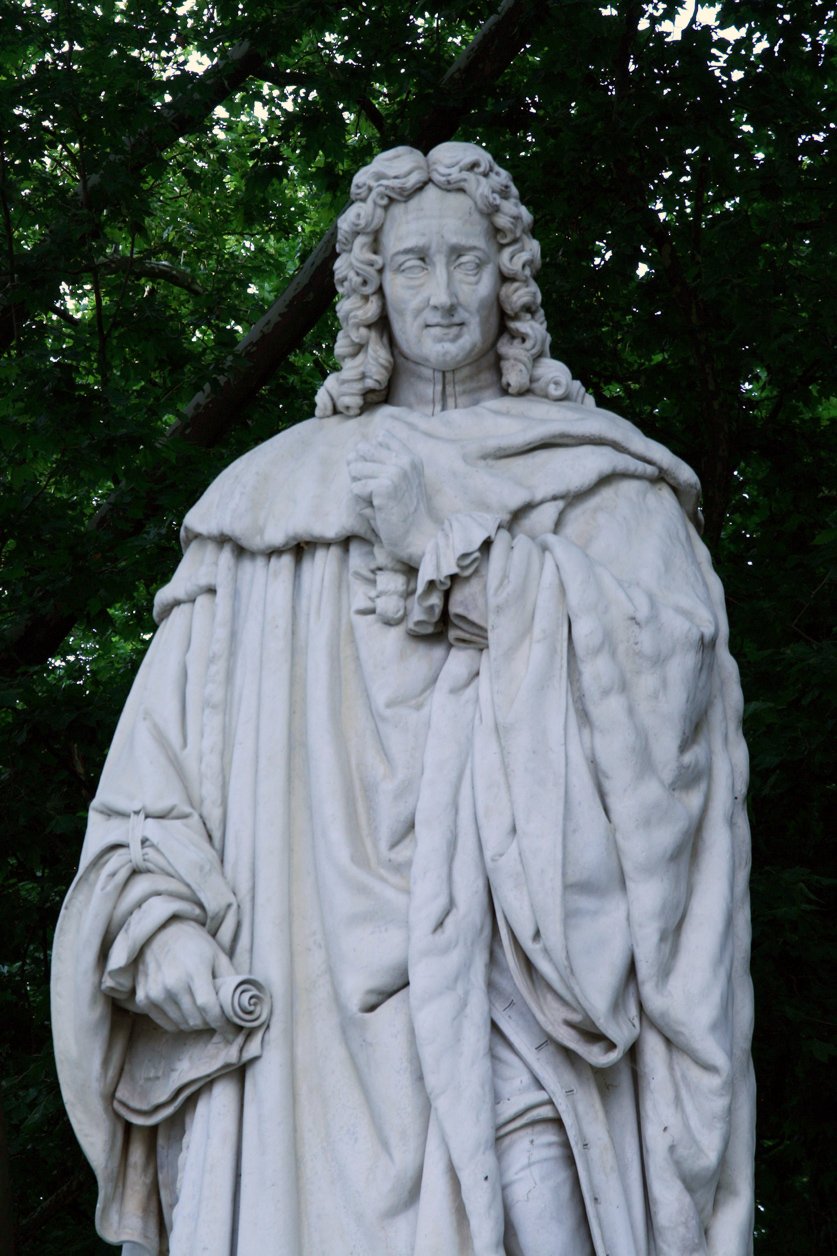
Charles-Louis de Secondat, Baron de La Brède et de Montesquieu, was born at the Château de La Brède, a fortified estate near Bordeaux, in 1689. His noble family background combined rural aristocratic traditions with substantial wealth, owing in part to his mother’s inheritance of the estate and vineyards (Britannica). Montesquieu’s early education, beginning at home and later at the progressive Collège de Juilly near Paris, laid a strong foundation in the sciences, law, and the humanities (Britannica).
Academic and Legal Career in Bordeaux
After completing his studies at the University of Bordeaux, Montesquieu became a magistrate in the Bordeaux Parliament, inheriting the presidency in 1716. This pivotal role placed him at the center of Bordeaux’s judicial and civic life (Licentia Poetica). He was active in the Bordeaux Academy, participating in scientific and philosophical debates, and his exposure to the city’s commercial and cultural dynamism infused his later works (Britannica).
Bordeaux as a Center of Enlightenment Thought
In the 18th century, Bordeaux blossomed into a prosperous and intellectually vibrant city. Its population doubled, grand neoclassical projects transformed the cityscape, and salons and academies became hubs for discourse and reform. Montesquieu, alongside figures like Voltaire and Rousseau, helped make Bordeaux a cradle of Enlightenment ideals, championing reason, science, and liberty (French Moments).
Montesquieu’s Major Works and Intellectual Influence
Montesquieu’s literary debut, the satirical “Persian Letters” (Lettres persanes), critiqued French society through the eyes of foreign visitors. His magnum opus, “The Spirit of Laws” (De l’esprit des lois), set forth the doctrine of separation of powers, classifying governments and advocating institutional checks and balances—a framework that shaped constitutions worldwide (World History Encyclopedia). His observations during travels in England and his engagement with Bordeaux’s pluralistic society deeply informed his advocacy for tolerance and moderation (CLRN; SAGE Publications).
Montesquieu’s Civic and Cultural Role in Bordeaux
As a leading landowner and public figure, Montesquieu was deeply involved in Bordeaux’s legal, economic, and intellectual life. His Château de La Brède served as both a personal retreat and a center of Enlightenment thought, housing a celebrated library and hosting scholarly discussions. Bordeaux, inspired by his legacy, played a key role in revolutionary movements and continues to honor him through institutions and public spaces (French Moments).
Visiting the Château de La Brède: Hours, Tickets, and Tours
Château de La Brède: Practical Information
- Opening Hours
Open April to November, Tuesday to Sunday, 10:00 AM to 6:00 PM. Closed Mondays and public holidays. For the latest updates, consult the official website. - Tickets
Adults €8, reduced rates €6 for students/seniors, children under 12 free. Tickets are available online or at the château. - Guided Tours
Available in French and English, including access to Montesquieu’s preserved study and library. Advance booking is recommended, especially in peak season. - Accessibility
The château has limited wheelchair access due to its historic features, but staff can assist visitors with special needs if contacted ahead (Château de La Brède Official Site).
Getting There
The château is located approximately 15-20 kilometers south of Bordeaux. It is best accessed by car (about 30 minutes from the city center). Regional trains from Gare Saint-Jean or organized tours also provide transport options. Public transport is limited, so private or group tours are advisable.
Highlights
- Explore Montesquieu’s study and original manuscripts.
- Stroll through English-style gardens and vineyards.
- Attend special exhibitions and Enlightenment-themed events.
Bordeaux’s Historic Center: Legal, Cultural, and Wine Heritage
Legal and Political Heritage
Though the original Parlement building no longer stands, the Musée d’Aquitaine showcases Bordeaux’s legal and political history, including the Enlightenment period and Montesquieu’s role in the city’s development.
- Visiting Hours Tuesday to Sunday, 11:00 AM to 6:00 PM; closed Mondays.
- Tickets Adults €5, free for EU residents under 26.
- Accessibility Fully accessible.
Salons, Theatres, and Enlightenment Walks
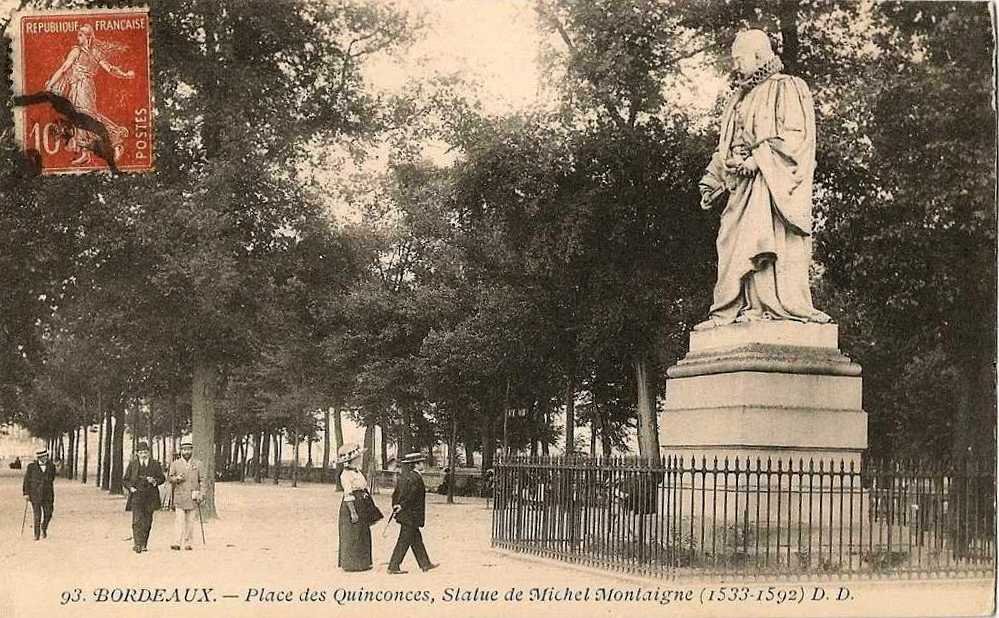
Bordeaux’s historic center, particularly the Saint-Pierre and Grands Hommes districts, was alive with salons and intellectual gatherings. Today, thematic walking tours trace Enlightenment sites, including the Grand Théâtre de Bordeaux and Place des Quinconces (French Moments).
Place de la Bourse and Miroir d’Eau
The Place de la Bourse is a prime example of 18th-century architecture, and the adjacent Miroir d’Eau is the world’s largest reflecting pool—perfect for photography and relaxation.
Experiences, Day Trips, and Visitor Tips
Wine Culture and Tastings
Montesquieu was a landowner and wine producer, and Bordeaux’s wine heritage is integral to its identity. Visit the Graves region, where the château is located, or explore Cité du Vin for an immersive wine museum experience.
- Guided Wine Tours
Available to Médoc, Saint-Émilion, and Sauternes. Book in advance for best rates (Winetraveler).
Gastronomy
Bordeaux boasts a vibrant food scene:
- Local Specialties Entrecôte à la Bordelaise, Arcachon Bay oysters, canelés (SeeBordeaux).
- Markets Marché des Capucins.
- Fine Dining Michelin-starred restaurants and casual bistros.
Day Trips
- Saint-Émilion Medieval town and UNESCO vineyard (The World Was Here First).
- Arcachon Bay Beaches, oysters, Dune du Pilat (Lonely Planet).
- Médoc Wine Route Famous châteaux and tastings.
Practical Tips
- Getting Around Bordeaux’s center is walkable, with efficient trams and buses. For châteaux, car rental or guided tours are best (Nomadic Matt).
- City Pass The Bordeaux City Pass covers public transport and museum entry.
- Best Time to Visit May to October for mild weather and events like the Fête de la Musique and Bordeaux Fête le Vin (Travel + Leisure).
- Accessibility Most museums are accessible; historic sites like the château have some limitations.
Frequently Asked Questions (FAQ)
What are Château de La Brède’s visiting hours?
April to November, Tuesday to Sunday, 10:00 AM–6:00 PM.
How much are tickets for Château de La Brède?
Adults €8, reduced €6, children under 12 free.
Are guided tours in English available?
Yes, but booking ahead is recommended.
Is the château wheelchair accessible?
Accessibility is limited, but staff can assist upon request.
Where can I buy tickets for museums and wine tours?
Most can be purchased online or at entrances; guided tours should be booked in advance.
Is there a pass for multiple attractions?
The Bordeaux City Pass offers discounted access to museums, public transport, and select tours.
Discover More
Montesquieu’s enduring influence and Bordeaux’s Enlightenment legacy make the region a compelling destination for travelers seeking history, culture, and exceptional wine. From the moated halls of Château de La Brède to the elegant boulevards of the city center, visitors can walk in the footsteps of a thinker whose ideas helped shape the modern world.
To enhance your journey:
- Book guided tours in advance and explore the Bordeaux City Pass for savings.
- Download the Audiala app for interactive audio tours, maps, and travel updates.
- Check the Bordeaux Tourism Office for event calendars and visitor information.
Embrace the Enlightenment spirit and discover the harmony of history and innovation that defines Bordeaux today.