Location and Accessibility
Address: Parvis des Archives, 33100 Bordeaux
Public Transport: Tram line B (Archives-Bastide stop); city buses and river ferry stops nearby
Parking: Paid options at Bastide Niel and limited street parking
Accessibility: Fully accessible (ramps, elevators, adapted restrooms); staff available to assist visitors with reduced mobility
Nestled in the eco-friendly Bastide Niel district, the archives are easily reached by public transportation, in line with Bordeaux’s sustainability initiatives. The building’s façade and landscaping offer a blend of historic and contemporary charm (architectural-review.com).
Visiting Hours and Tickets
- Opening Hours Monday to Friday, 9:30 AM – 5:00 PM
- Closed Weekends and public holidays
- Admission Free entry; registration at reception required (bring ID)
- Guided Tours Available by appointment for individuals, groups, and schools; some may require advance booking or a nominal fee (Bordeaux Tourism)
What to See and Do
Reading Rooms
- Access to original documents, microfilms, and digitized collections
- Quiet, well-lit spaces with individual desks, free Wi-Fi, and supportive staff
- Registration and ID required for researchers
Exhibition Spaces
- Permanent and rotating exhibitions on Bordeaux’s urban, social, and cultural history
- Highlights include original manuscripts, maps, photographs, and multimedia displays
Educational Workshops
- Programs for students, researchers, and the general public
- Topics include genealogy, local history, and archival research methods
Collection Highlights
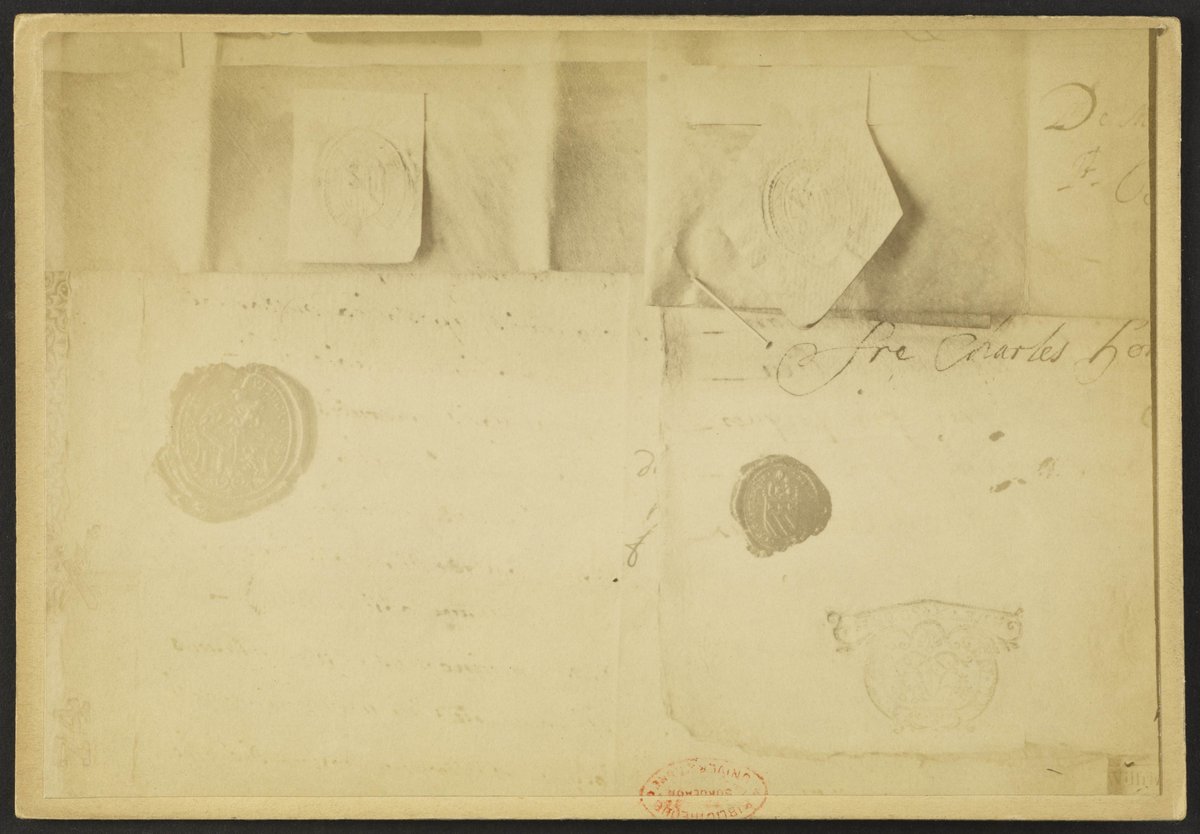
- Medieval charters, municipal registers, and trade records
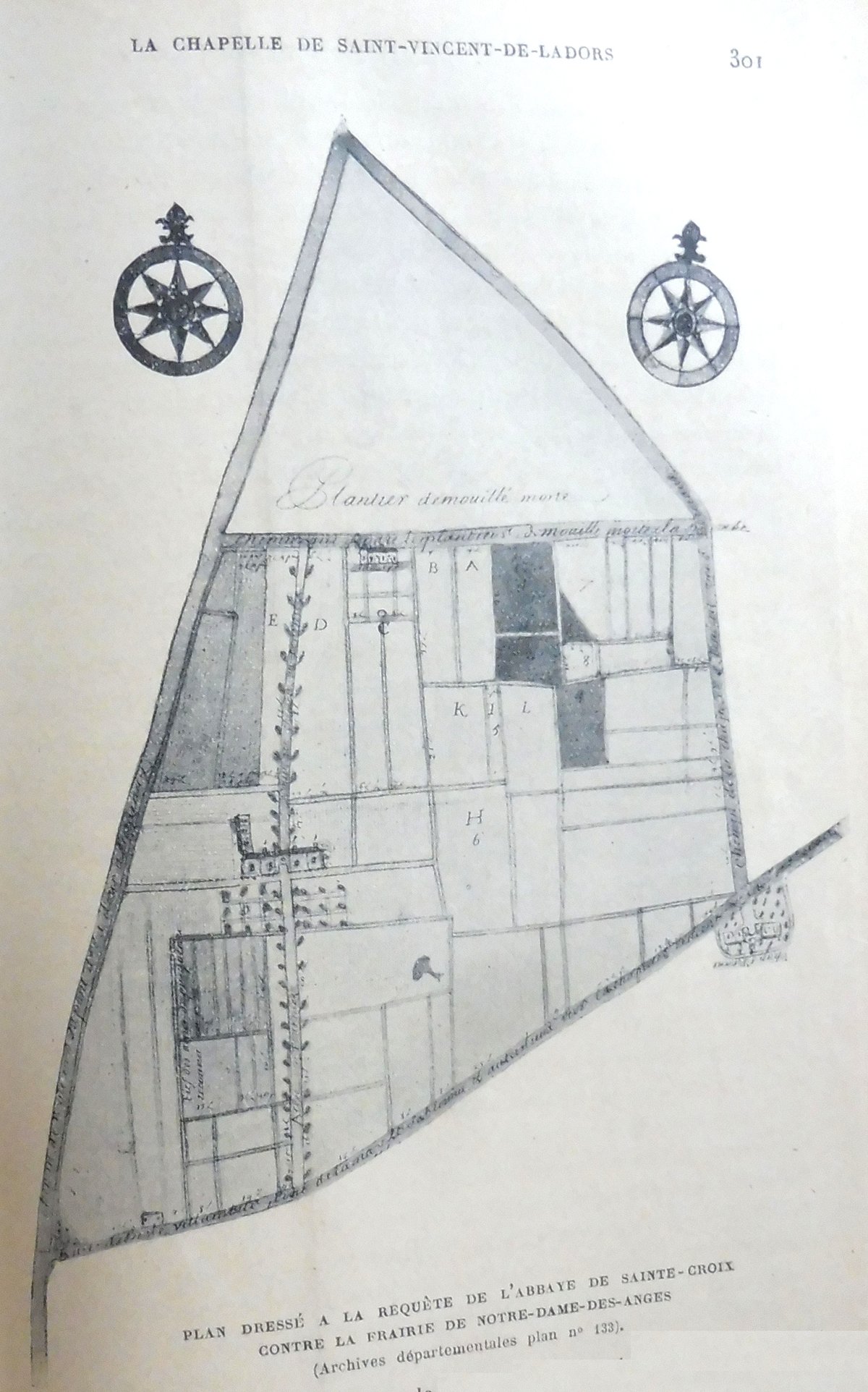
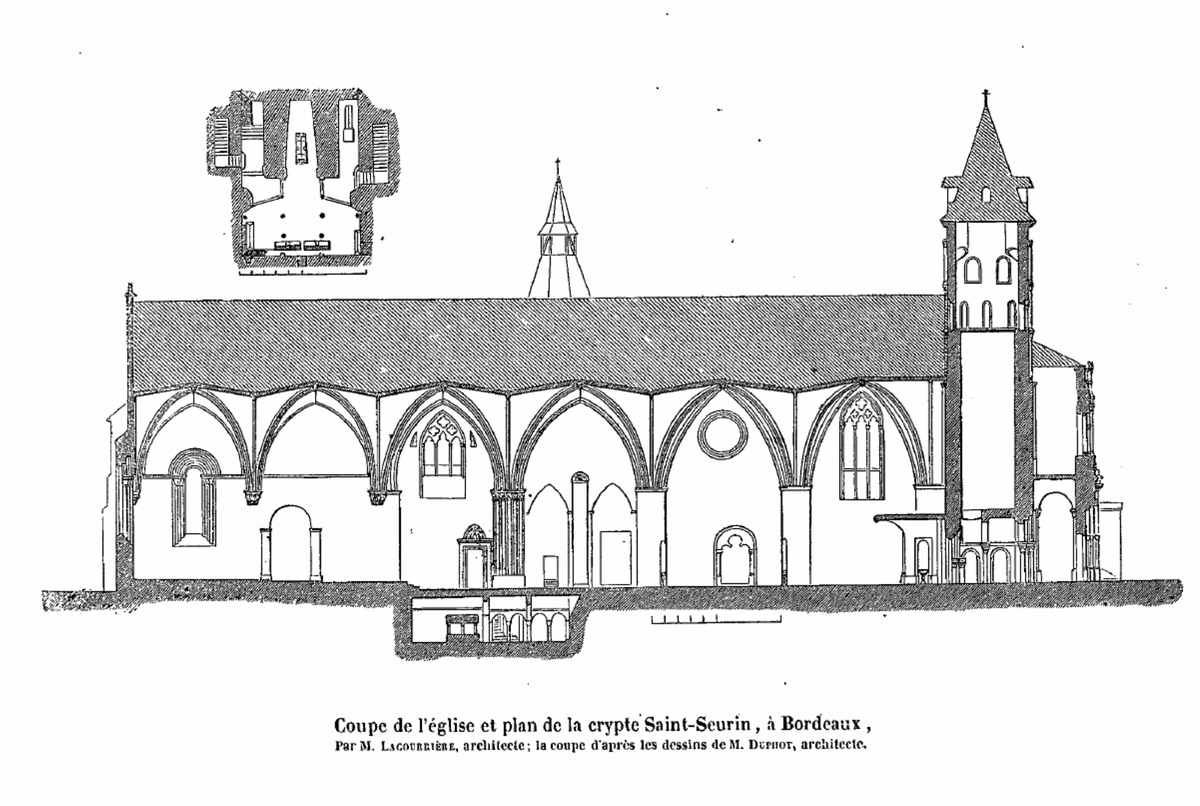
- Urban planning and architectural drawings from the 18th century onward
- Civil records (birth, marriage, death), census data, and cemetery registers
- Photographic, poster, and audiovisual archives
- Special collections on World War II Resistance and Deportation
Nearby Attractions & Travel Tips
- Bastide-Niel eco-district: a lively neighborhood blending history with sustainability
- Grand Théâtre, Place de la Bourse, Cité du Vin, Musée d'Aquitaine, and Bordeaux Cathedral within easy reach
- Plan your visit during European Heritage Days (September) for exclusive tours and events (France.fr)
- Combine your archival visit with strolls along the Garonne River or the historic Saint-Pierre district (Nomads Travel Guide)
Frequently Asked Questions (FAQ)
Q: Are tickets required to visit the archives?
A: No, entry is free for individuals. Guided tours or special exhibitions may require advance booking and a small fee.
Q: What are the opening hours?
A: Monday to Friday, 9:30 AM – 5:00 PM. Closed weekends and public holidays.
Q: Is photography permitted?
A: Non-flash photography is permitted in public spaces and exhibitions; restrictions apply in reading rooms and for sensitive materials.
Q: How can I access digital archives?
A: Many resources are available online via the e-archives portal.
Q: Are the archives accessible for visitors with disabilities?
A: Yes, the building is fully accessible. Contact staff in advance for specific needs.
Q: Are materials available in English?
A: Most documents are in French, but staff can assist with English-language queries and some exhibitions offer bilingual panels.
Q: How do I prepare for a research visit?
A: Bring valid ID for registration, a notebook and pencil (pens often prohibited), and check in advance for document requests.
Plan Your Visit & Stay Connected
- Check the official Municipal Archives website for current hours, events, and research guides.
- Book guided tours or group visits in advance, especially during peak periods or cultural events.
- Follow the archives and Bordeaux Tourism on social media for updates and cultural news.
- Download the Audiala app for interactive maps, guided tours, and exclusive content on Bordeaux’s historical sites.
Summary: Why Visit the Municipal Archives of Bordeaux?
The Municipal Archives of Bordeaux are more than a repository—they are a living institution bridging the past and present. Through thoughtfully curated collections, innovative exhibitions, and educational outreach, the archives invite visitors to experience Bordeaux’s storied past in an engaging and accessible setting. With free admission, expert staff, and a strategic location near other historic sites, the archives are a must-visit for anyone seeking to understand the heart and soul of Bordeaux.
For updated details and further planning, consult these official resources: