1. Introduction to Hanoi International American Hospital (AIH)
Hanoi International American Hospital (AIH) is a leading private healthcare institution in Vietnam, integrating American medical standards with local expertise. Established in 2018, AIH serves Vietnamese and international patients with a focus on advanced technology, personalized care, and a multicultural environment. Its collaborations with prestigious institutions such as Johns Hopkins Medicine International underscore its commitment to high-quality healthcare. (AIH Official Information)
2. Visiting Hours and Visitor Information
- Visiting Hours 8:00 AM – 8:00 PM daily. Certain specialized departments may have differing policies; check ahead for details.
- Entry No ticket or entrance fee is required, but all visitors must adhere to hospital policies regarding identification and hygiene.
- Location Conveniently situated in Hanoi, accessible via public transit and private vehicles. On-site parking is available.
- International Patient Center Offers language support, appointment scheduling, and assistance for expatriates and international visitors.
3. AIH: History, Vision, and Services
- Established October 19, 2018.
- Mission To deliver patient-centric, safe, and internationally accredited care to Hanoi’s diverse population.
- Specialties Includes bariatric surgery, gastroenterology, neurology, urology, pediatrics, obstetrics, and more.
- Notable Departments Pediatric and obstetrics units are particularly recognized for their advanced facilities and individualized care.
AIH’s adherence to American protocols ensures high safety standards, robust infection control, and patient satisfaction. Prenatal and family care programs are aligned with practices familiar to expatriate communities.
4. Infrastructure and Patient Experience
- Facilities Modern operating theaters, private patient rooms, specialized clinics, and an international patient center.
- Accessibility Full wheelchair access and clear signage throughout.
- Patient Feedback Visitors frequently commend the hospital’s professionalism, empathy, and efficient care, noting the resemblance to top U.S. hospitals.
5. Accessibility and Travel Tips
- Transport Accessible via major public transport routes and taxis. Clear signage for ease of navigation.
- Booking Advance appointments are recommended, especially for international patients. Bring valid ID and insurance documentation.
- Nearby Attractions Patients and visitors can explore Hanoi’s cultural sites during their stay.
6. Frequently Asked Questions (FAQ) – AIH
-
What are the hospital’s visiting hours?
8:00 AM – 8:00 PM daily; some departments may differ. -
Is there an entrance fee or do I need a ticket?
No, entry is free for visitors. -
Does AIH accept international health insurance?
Yes, but confirm with the hospital beforehand. -
Are English-speaking staff available?
Yes, in both medical and administrative roles. -
Is parking available?
Yes, on-site parking is provided for patients and visitors.
7. AIH’s Role in Hanoi’s Healthcare Landscape
AIH exemplifies the evolution of private healthcare in Vietnam, offering shorter wait times, advanced medical technology, and a patient-focused multicultural environment. Its presence raises the standard of care available in Hanoi for both locals and foreigners.
8. Milestones and Recognition
AIH is accredited by the Joint Commission International (JCI), a testament to its dedication to safety and quality. Partnerships with leading American medical institutions continue to drive clinical innovation and excellence.
10. The Abandoned Hanoi International American Hospital Project
Historical Background and Development
The original Hanoi International American Hospital (also called HIAH) was initiated in 1997 with ambitious plans for a 300-bed, American-standard hospital in Cau Giay District, funded by the U.S.-based Keystone Invest Group. Despite initial momentum, the project was plagued by delays and bureaucratic hurdles, with construction only commencing in 2006. By 2011, the structure was complete, but the hospital never opened and has remained abandoned. (VietnamNet Article; Wikipedia)
Planned Facilities and Services
The hospital was designed to offer a comprehensive array of services:
- General medicine, surgery, emergency, pediatrics, dentistry, psychiatry, neurology, gynecology, ophthalmology, plastic surgery, oncology, cardiology, and more.
- Supporting facilities: Pharmacy, laboratory, radiology (X-ray, MRI, CT), telemedical monitoring, blood bank, transplant unit, and even a planned rooftop helipad. (Wikipedia)
Current Status and Visitor Information
As of June 2025, the abandoned hospital remains fenced and structurally complete but unequipped and unused. The site is not open to the public, with no visiting hours, tickets, or tours. Viewing is only possible from surrounding roads. Entry is discouraged due to safety, legal, and maintenance concerns. (VietnamNet Article)
Visiting Tips and Practical Information
- Location Cau Giay District, Hanoi, beside Nghia Tan Lake.
- Entry Not allowed; photograph only from public areas.
- Safety Do not attempt to access the site due to hazards and restrictions.
- Local Context Occasionally used informally by locals but is not maintained.
Nearby Attractions and Alternative Healthcare Facilities
If interested in healthcare or urban development, consider visiting:
- Nghia Tan Lake Adjacent scenic spot.
- Vietnam Museum of Ethnology A nearby cultural highlight.
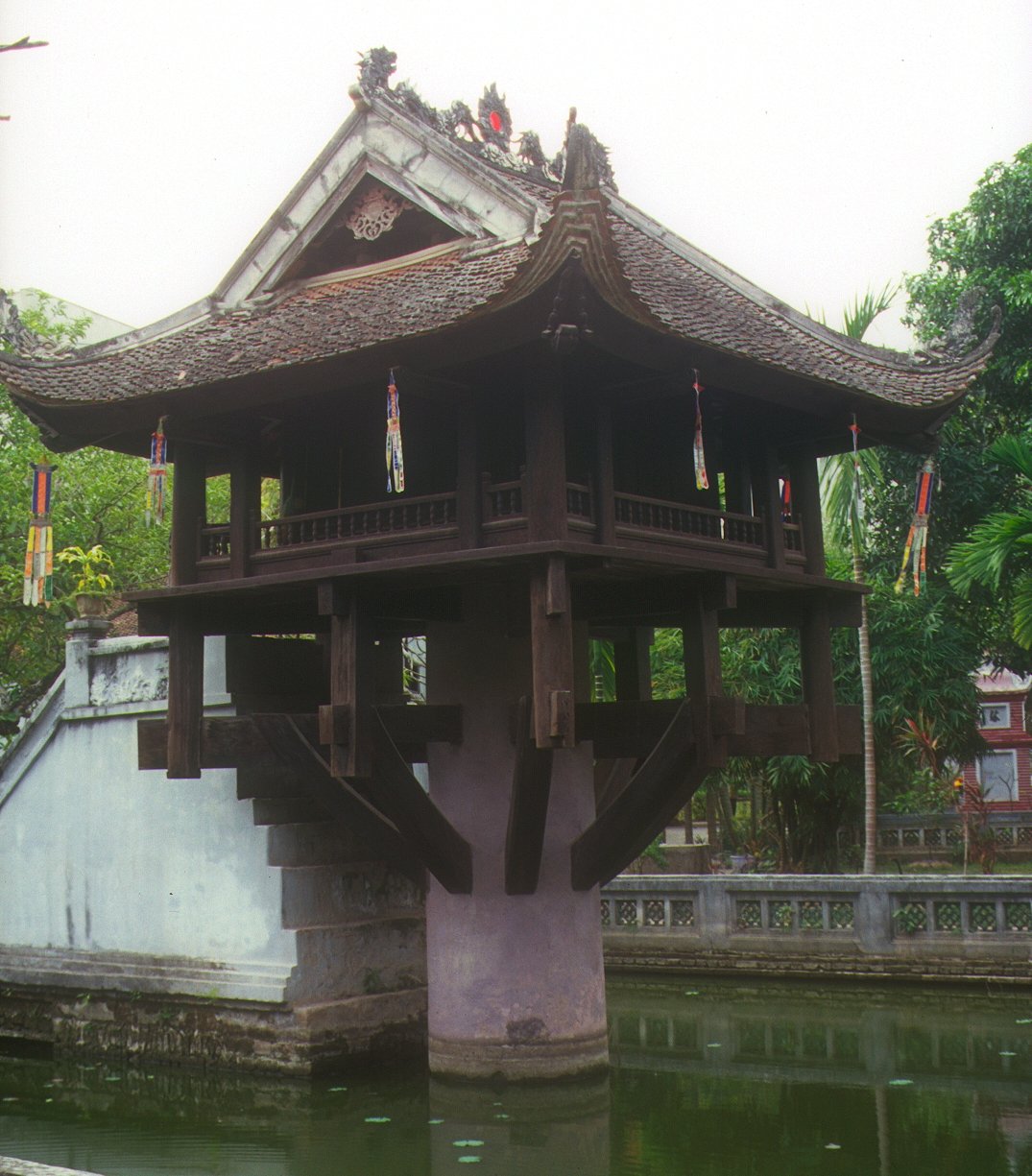
- Hoan Kiem Lake & Old Quarter Central Hanoi’s historic area.
For medical needs, reputable alternatives include:
- Hanoi French Hospital (HFH) (HFH)
- Vinmec International Hospital (Vinmec)
- Family Medical Practice (Vietnam Teaching Jobs)
Significance and Urban Impact
The abandoned hospital project stands as a case study in the complexities of foreign investment and urban development in Vietnam. It is frequently cited as an example of wasted resources and missed healthcare opportunities in a rapidly growing city. (VIR)
Frequently Asked Questions (FAQ) – Abandoned HIAH
- Can I visit the site?
No, only exterior views from public roads are possible. - Are there tickets or tours?
No, the hospital is not operational. - Is photography allowed?
Yes, from outside only—do not trespass. - Where can I find international-standard healthcare in Hanoi?
See recommended hospitals above.
11. Hanoi’s Historic Monuments: Essential Visitor Tips and Information
Hanoi is home to some of Vietnam’s most iconic historical monuments. Here’s how to make the most of your visit:
Top Monuments to Visit
1. Hoan Kiem Lake & Ngoc Son Temple
- Hours: 6:00 AM – 9:00 PM
- Tickets: Lake is free; temple ~30,000 VND
- Highlights: Scenic views, Turtle Tower, ceremonies
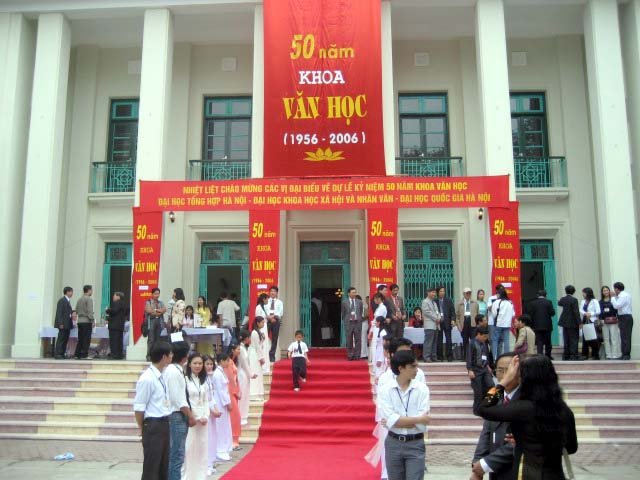
2. Temple of Literature (Van Mieu)
- Hours: 8:00 AM – 5:00 PM
- Tickets: ~30,000 VND
- Tips: Visit early for tranquility
3. Ho Chi Minh Mausoleum Complex
- Hours: 7:30 AM – 10:30 AM (Tue–Thu, Sat)
- Tickets: Free
- Notes: Dress modestly, no inside photography
- Hours: 8:00 AM – 5:00 PM
- Tickets: Included with mausoleum
5. Imperial Citadel of Thang Long
- Hours: 8:00 AM – 5:00 PM
- Tickets: ~30,000 VND
Ticketing and Booking Information
Most sites offer affordable tickets at the gate; bring cash in Vietnamese Dong. Online booking is available for some monuments during peak seasons.
Best Times to Visit
October to April is the most comfortable period. Early mornings and late afternoons are ideal for photography and cooler weather.
Guided Tours and Visitor Services
Guided tours are widely available, offering historical insights and convenient access. Audio guides and brochures are offered at major locations.
Tips for a Comfortable Visit
- Wear comfortable shoes and modest attire.
- Bring sun protection and water.
- Check photography rules at each site.
- Respect religious and cultural norms.
Nearby Amenities
Many sites are close to cafes, souvenir shops, and restrooms. Local markets provide opportunities for unique shopping and sampling snacks.
Frequently Asked Questions (FAQ) – Monuments
- Are all monuments wheelchair accessible?
Accessibility varies—contact sites for specific details. - Are English-speaking tours offered?
Yes, at most major sites.
12. Visiting the Temple of Literature: Complete Guide
Address: 58 Quoc Tu Giam Street, Dong Da District, Hanoi
- Hours 8:00 AM – 5:00 PM (last entry 4:30 PM)
- Tickets Adults 30,000 VND; students 15,000 VND; children under 15 free
- Access Taxi, bus, or a 15-minute walk from the Old Quarter
- Highlights Five courtyards, Well of Heavenly Clarity, Steles of Doctors, Imperial Academy
- Nearby Hoan Kiem Lake, Vietnam Museum of Ethnology, Old Quarter
- Accessibility Wheelchair accessible, though some areas have uneven paths
- Tips Visit early, wear comfortable shoes, respect the site, and avoid flash photography inside
FAQs:
- Suitable for children; educational and engaging
- Tickets at entrance; no official online sales
- Guided tours available on-site or via agencies
13. Summary of Key Visitor Tips
Hanoi presents a unique fusion of modern healthcare and centuries-old culture. For those seeking medical services, AIH offers international standards and a welcoming environment. The abandoned hospital project in Cau Giay District provides an urban lesson on the challenges of large-scale development, best observed from afar. Meanwhile, Hanoi’s monuments, like the Temple of Literature and Hoan Kiem Lake, are easily accessible, affordable, and rich in history. Plan visits for early mornings or cooler months, and take advantage of local tours and amenities for a seamless experience. (AIH Official Information) (VietnamNet Article) (Hanoi Monuments Guide)
For further resources, download the Audiala app for real-time updates, and follow our channels for the latest news and visitor tips.