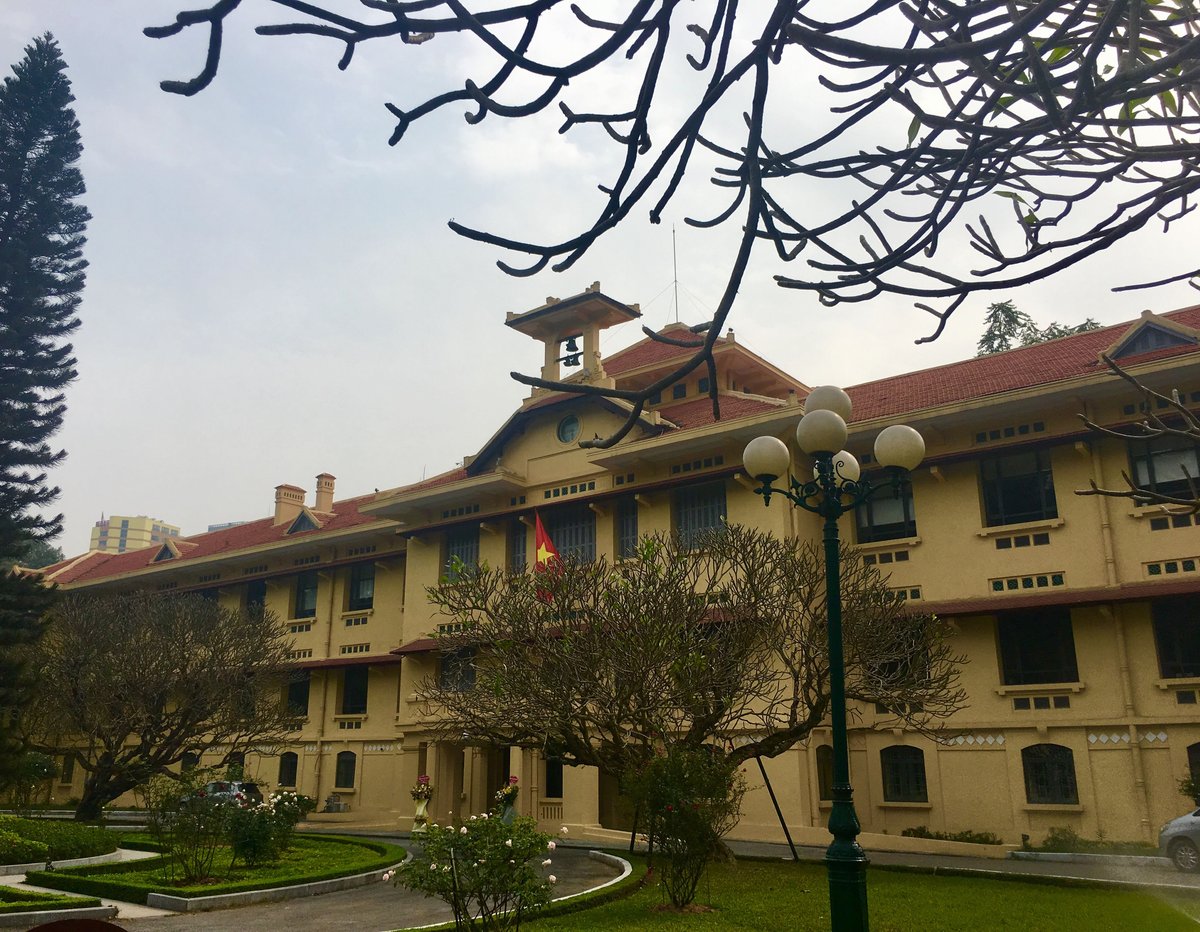
Historical Background and Diplomatic Significance
Establishment of Diplomatic Relations
Formal diplomatic ties between Japan and Vietnam were established following the Paris Peace Accords in 1973. Prior to this, Japan refrained from direct involvement during the Vietnam War, but private and organizational exchanges—such as the founding of the Japan–Vietnam Friendship Association and the Japan–Vietnam Trade Association—paved the way for later cooperation (Wikipedia).
Negotiations culminated in a joint declaration on September 21, 1973, marking the beginning of official relations. Implementation was initially delayed over economic reparations, but an agreement was reached in 1975, with Japan providing significant grants for Vietnam’s post-war reconstruction (Archives of Japan). The Embassy of Japan in Hanoi was inaugurated on October 11, 1975, with Yukio Imagawa as Chargé d’Affaires ad interim.
Subsequent diplomatic appointments, such as Takaaki Hasegawa as the first Ambassador Extraordinary and Plenipotentiary in 1976, reinforced the commitment to collaboration. Vietnam reciprocated by appointing Nguyễn Giáp as the first ambassador to Japan, deepening bilateral channels (Archives of Japan).
Diplomatic and Economic Significance
The embassy has played a pivotal role in strengthening economic, political, and cultural ties. Japan is now one of Vietnam’s largest investors and trading partners, with Japanese investment totaling over $78 billion, and ongoing Official Development Assistance (ODA) supporting infrastructure and social projects (The Diplomat; Vietnam News).
Political and security collaboration has intensified, with regular high-level dialogues and the upgrading of the Strategic Partnership Dialogue to a “2+2” format involving foreign and defense ministries. The embassy also facilitates cultural exchange programs, academic partnerships, and public events, serving as a cornerstone for people-to-people ties (Japan Foundation; Agency for Cultural Affairs).
Visiting the Embassy of Japan in Hanoi
Location
Address:
27 Lieu Giai Street, Ba Dinh District, Hanoi, Vietnam
Strategically located in Hanoi’s diplomatic quarter, the embassy is near major government offices, foreign missions, and historic landmarks, making it easily accessible to both locals and visitors.
Visiting Hours and Appointments
- Regular Hours Monday to Friday, 8:30 AM – 5:30 PM (closed on Vietnamese and Japanese public holidays)
- Consular Services Most services require prior appointment via the official embassy website. Walk-in services are limited.
Security and Entry
- ID Required All visitors must present valid identification.
- Security Screening Expect bag and electronic device checks.
- Photography Restricted inside; allowed around the exterior.
Tickets and Public Access
- Admission No tickets or entry fees are required.
- Access Entry beyond the main gate is generally limited to those with appointments or attending official events.
- Cultural Events Occasionally, the embassy hosts public events or open houses; details are announced on their official website.
Accessibility
- Wheelchair Access The embassy provides ramps and accessible facilities. Notify staff in advance for special assistance.
- Transportation
- Taxi/Ride-Hailing Grab and Be are reliable; travel from the Old Quarter takes about 10–20 minutes.
- Public Bus Routes 09, 34, and 38 serve Lieu Giai Street (Hanoi Bus Portal).
- Parking Limited; public transport is recommended.
Nearby Attractions
Combining a visit to the embassy with nearby landmarks enriches the experience:
- Lotte Center Hanoi Shopping, dining, observation deck (Website)
- Thu Le Park and Zoo Family-friendly green space (More info)
- Ho Chi Minh Mausoleum Complex Includes the mausoleum, Presidential Palace, and One Pillar Pagoda (Details)
- Temple of Literature Iconic Confucian temple (Visit site)
- Vietnam Museum of Ethnology Cultural exhibits (Learn more)
- Hanoi Old Quarter and Hoan Kiem Lake Vibrant historic and commercial area (Explore)
Cultural Programs and Community Engagement
The embassy is a hub for cultural diplomacy, hosting events such as the Japan-Vietnam Festival, language workshops, art exhibitions, and seasonal celebrations (Japan Foundation). It partners with local institutions for film screenings, traditional music performances, and educational exchanges, fostering a dynamic platform for Japanese and Vietnamese cultural exchange (Vietnam News).
Language promotion is another key focus, with the Japan Foundation office providing courses, proficiency tests, and scholarships for Vietnamese students. Academic and research collaborations extend opportunities for deeper bilateral ties.
Practical Tips for Visitors
- Language English is commonly used; basic Vietnamese phrases are helpful.
- Currency Vietnamese dong (VND); ATMs nearby.
- Weather Autumn (September–November) and spring (February–April) offer the most pleasant conditions (Go Viet Trip).
- Dress Code Modest, smart attire is recommended, especially for official events.
- Plan Ahead Check event calendars and register early for public events due to limited space.
Frequently Asked Questions (FAQs)
Q: What are the embassy’s opening hours?
A: Monday to Friday, 8:30 AM – 5:30 PM; closed on public holidays.
Q: Is there an entry fee or ticket required?
A: No, but access inside is usually by appointment.
Q: Is the embassy wheelchair accessible?
A: Yes, with ramps and accessible interiors.
Q: Can I take photos?
A: Exterior photography is allowed; interior and event photography may be restricted.
Q: How do I book an appointment?
A: Visit the official embassy website.
One Pillar Pagoda: A Nearby Cultural Highlight
Located near the embassy, the One Pillar Pagoda ("Chùa Một Cột") is an architectural and spiritual marvel dating back to 1049. Its lotus-inspired design symbolizes purity and enlightenment in Vietnamese Buddhism. The site is open daily from 8:00 AM to 5:00 PM with free admission, making it an accessible and enriching addition to your visit (Vietnam Museum of Ethnology).
Visitor Tips
- Dress modestly for religious respect.
- Arrive early to avoid crowds.
- Combine with visits to the Ho Chi Minh Mausoleum and nearby museums.
Visuals and Maps
- High-quality images and maps are available on the embassy’s official website and trusted travel platforms.
- Interactive directions are provided via Google Maps.