Historical Background
Origins and Establishment
The German Embassy in Hanoi epitomizes the enduring partnership between Germany and Vietnam. Official diplomatic relations commenced on September 23, 1975, shortly after Vietnam’s reunification; Germany was among the first Western countries to recognize the new Vietnamese state (AHK Vietnam). The embassy was established in Hanoi to promote diplomatic engagement, economic cooperation, and cultural exchange. In 2011, the launch of the “Strategic Partnership” marked a new phase, emphasizing collaboration in trade, education, science, and sustainable development (VOV English).
Architectural Significance
Set in the Ba Dinh district—renowned for government institutions and foreign embassies (Haivenu Vietnam)—the German Embassy merges German values of functionality, innovation, and sustainability. The building features modern, energy-efficient systems, smart management, and abundant natural light (WebsitesGH). Public spaces are designed to host exhibitions and cultural programs, reflecting both German and Vietnamese influences. The architecture balances necessary security with openness, inviting public engagement.
Visiting the German Embassy: Practical Information
Location and Directions
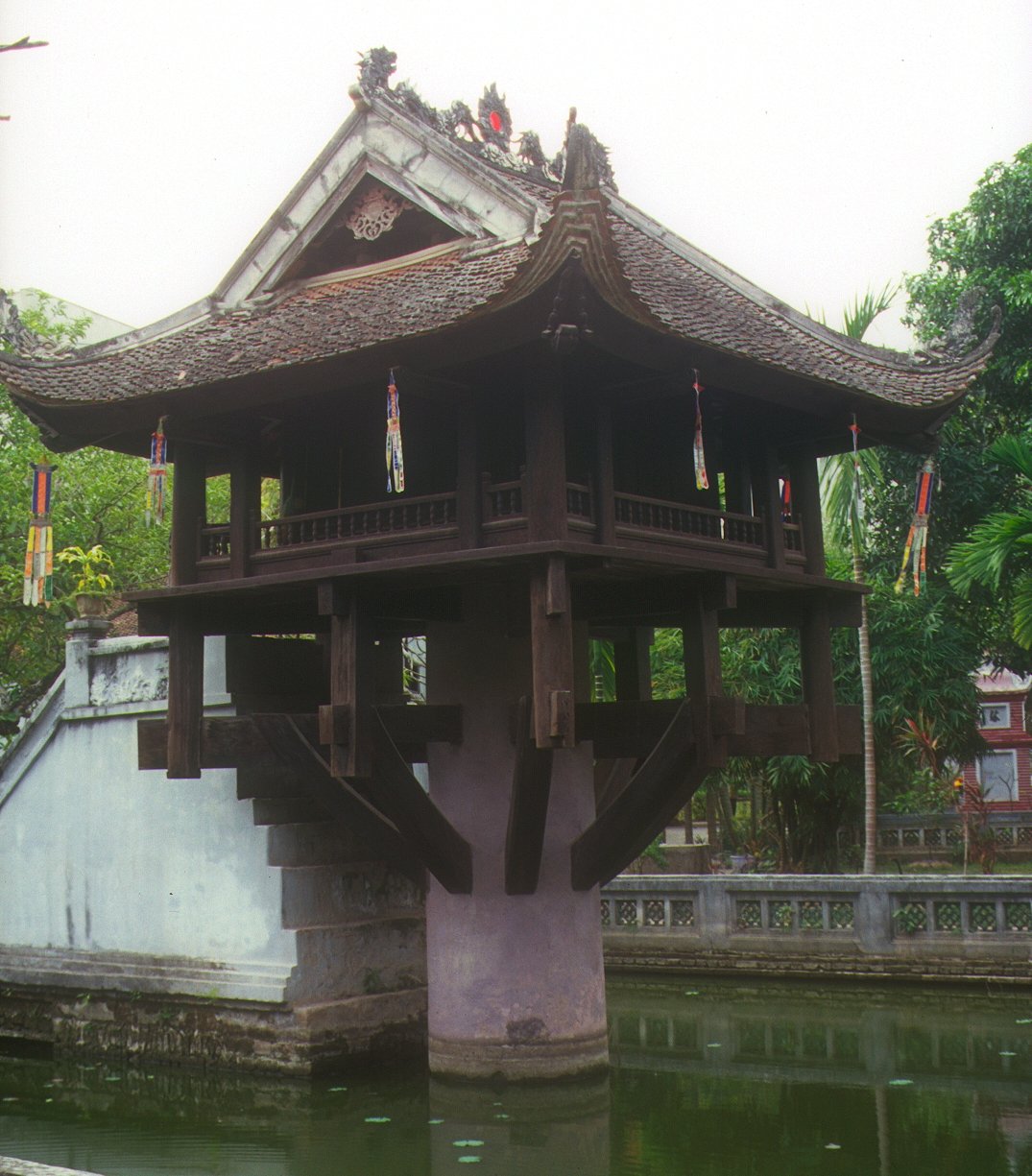
The embassy is located at No. 29 Tran Phu Street, Ba Dinh District, Hanoi. It’s easily accessible via taxi or public transportation from central Hanoi. Its proximity to key attractions, such as the Ho Chi Minh Mausoleum, the Presidential Palace, and the One Pillar Pagoda, makes it a convenient addition to any cultural itinerary.
Visiting Hours and Entry
- Operating Hours Monday to Friday, 8:00 AM–12:00 PM and 1:30 PM–4:30 PM.
- Entry The embassy is not open to walk-in visitors. Appointments are required for consular services (e.g., visa applications, document legalization). There is no fee for public cultural events or exhibitions.
Public Events and Cultural Programs
The embassy hosts regular cultural events, including art exhibitions, concerts, and festivals. Notable upcoming highlights include the 50th anniversary celebrations in 2025, with programs such as the “Berlin Shines” gala concert and the annual German Festival at Hoan Kiem Lake (VOV English). Event details and schedules are available on the embassy’s website and social media channels.
Consular Services
The embassy offers visa processing, document legalization, and assistance to German citizens in Vietnam (German Embassy Hanoi). All consular services require prior online appointment booking.
Nearby Historical Sites in Hanoi
While visiting the embassy, consider exploring these significant sites:
- Ho Chi Minh Mausoleum The final resting place of Vietnam’s most revered leader.
- One Pillar Pagoda A unique Buddhist temple with centuries of history.
- Temple of Literature The nation’s first university and a symbol of Vietnam’s scholarly tradition.
All these sites are within walking distance or a short taxi ride from the embassy.
Key Diplomatic Milestones
- 1975 Establishment of diplomatic ties and opening of the embassy (AHK Vietnam).
- 2011 Launch of the Strategic Partnership (VOV English).
- 2020 Germany supports the EU-Vietnam Free Trade Agreement, with bilateral trade reaching EUR 8.8 billion by 2024.
- 2025 50th anniversary celebrations with diverse cultural and economic events.
The Embassy’s Role in Germany-Vietnam Relations
The German Embassy is central to advancing political dialogue, economic cooperation, educational partnerships, and cultural exchange. As the EU’s leading trading partner with Vietnam, Germany invests significantly in business and education, facilitating programs that link the two countries (VOV English).
Frequently Asked Questions (FAQ)
Q: What are the embassy’s visiting hours?
A: Monday to Friday, 8:00 AM–12:00 PM and 1:30 PM–4:30 PM (by appointment only for consular services).
Q: Is there an entry fee for visiting the embassy or attending events?
A: No, there are no fees for entry or public events, but appointments are required for consular matters.
Q: Can I attend embassy-hosted cultural events?
A: Yes, many events are open to the public. Check the embassy’s website or social media for schedules.
Q: How do I get to the embassy from central Hanoi?
A: The embassy is located in Ba Dinh district, accessible via taxi, bus, or motorbike.
Q: Are guided tours available?
A: Regular guided tours are not offered, but open house events may occur during special occasions.
Further Information
- Top Historical Sites to Visit in Hanoi
- Cultural Festivals in Hanoi
- Guide to Visa Applications for Germany