
Origins and Construction
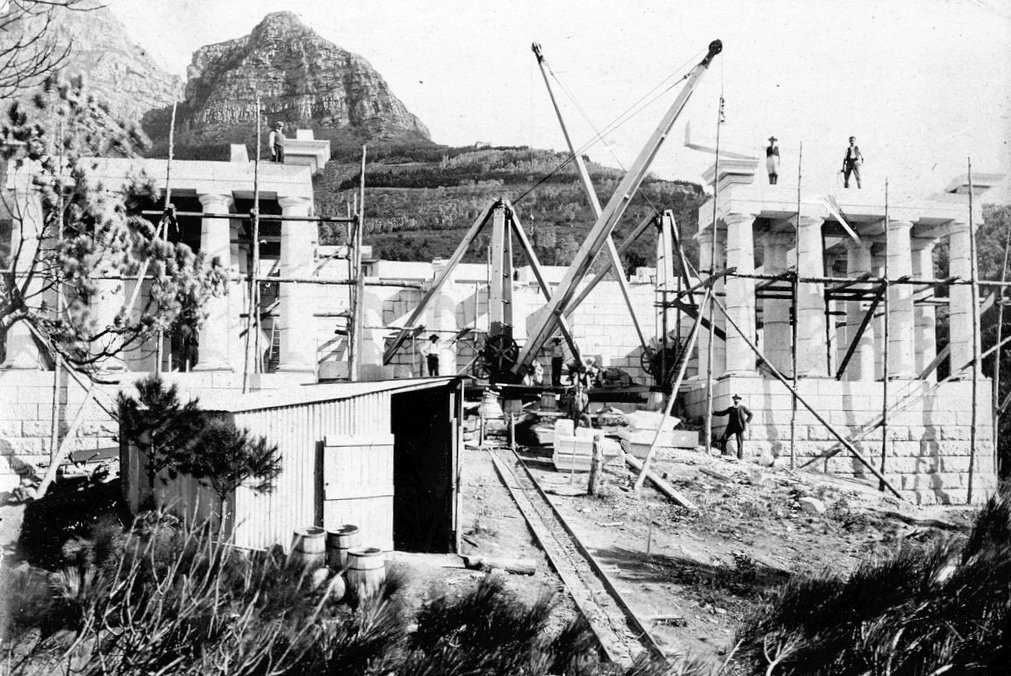
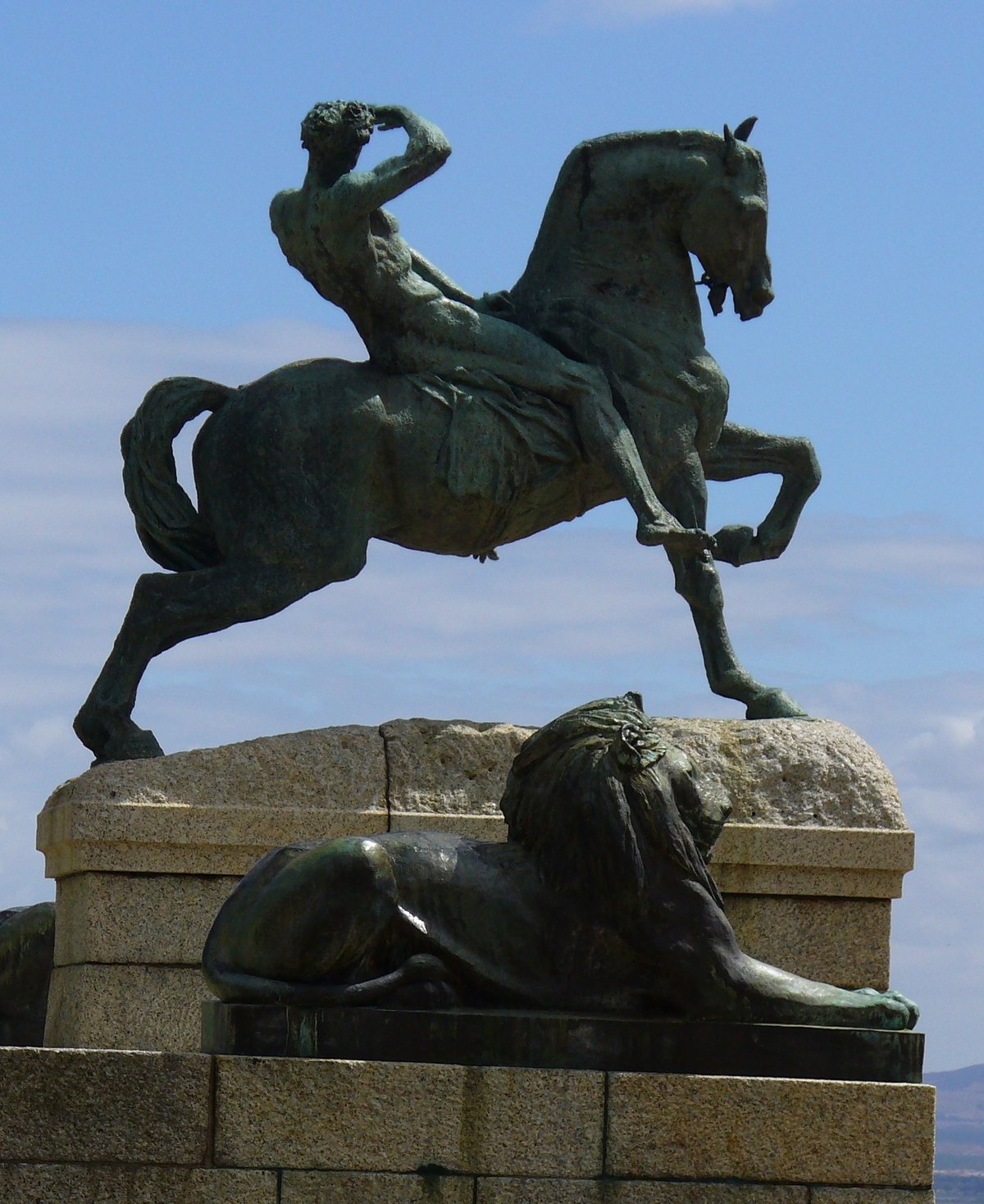
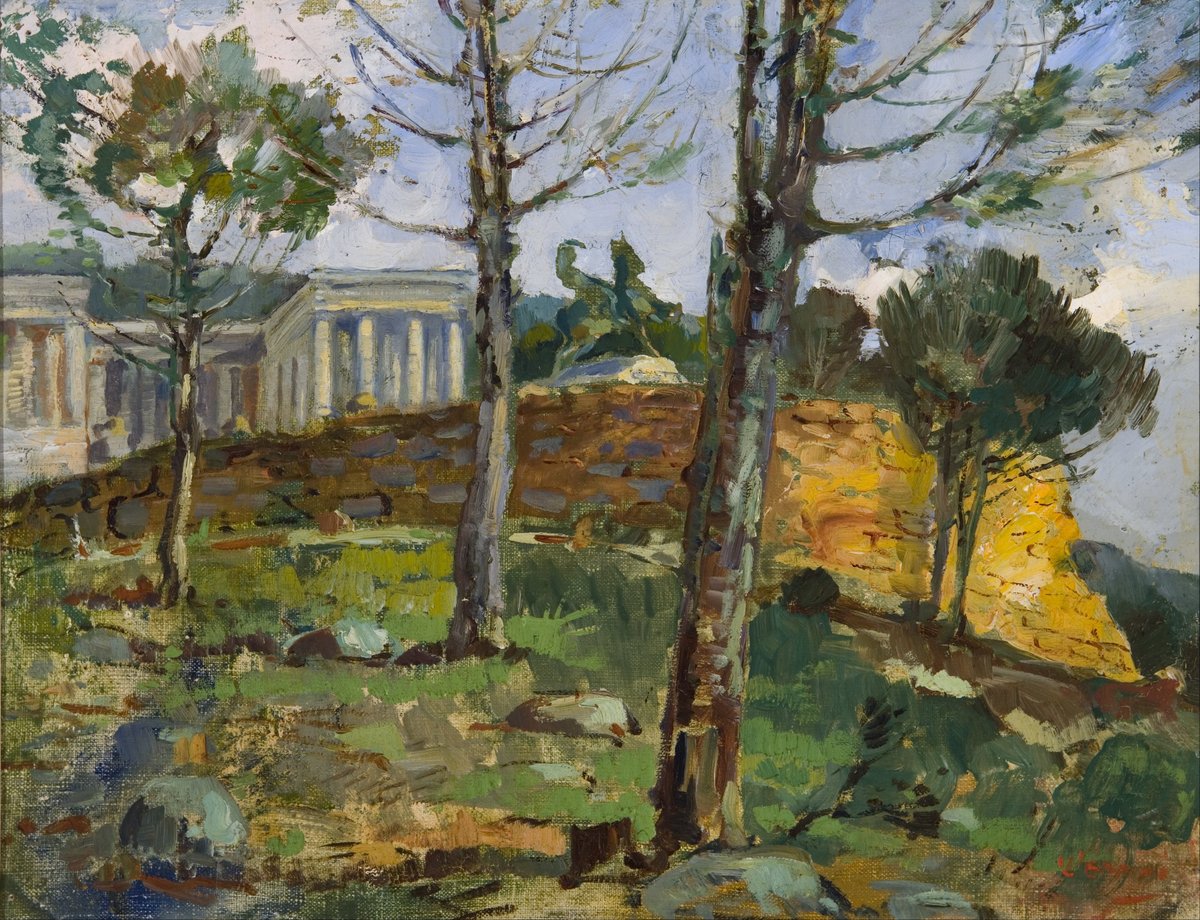
Rhodes Memorial was designed by Sir Herbert Baker, a prominent architect, and was completed in 1912. The site was chosen for its panoramic views of Cape Town and the surrounding areas, which Rhodes himself admired and frequented during his lifetime. The memorial is built from Cape granite, sourced from Table Mountain, and features a classical design inspired by the Greek temple at Segesta. The structure includes a massive staircase flanked by eight bronze lions, sculpted by John Macallan Swan. At the top of the staircase stands a bronze statue of Rhodes, created by Marion Walgate, depicting him seated and gazing out over the landscape (South African History Online).
Visiting Hours and Tickets
- Visiting Hours Rhodes Memorial is open to visitors from 8 AM to 6 PM daily.
- Ticket Prices Admission is free, but donations are welcome to help with maintenance and preservation.
- Travel Tips Wear comfortable shoes as the site involves a fair amount of walking. Bring water and sunscreen, as it can get quite sunny.
Cecil John Rhodes: A Controversial Figure
Cecil John Rhodes (1853-1902) was a British businessman, mining magnate, and politician in southern Africa. He played a significant role in the expansion of the British Empire in Africa and was a key figure in the establishment of the British South Africa Company, leading to the colonization of present-day Zimbabwe and Zambia. Rhodes' legacy is highly controversial due to his imperialist policies and the exploitation of African resources and people during his tenure (Britannica).
Architectural Significance
The architectural design of Rhodes Memorial is a testament to Sir Herbert Baker's skill and vision. Baker, who was also responsible for designing several significant buildings in South Africa, including the Union Buildings in Pretoria, aimed to create a structure that would reflect Rhodes' grandeur and influence. The use of local granite and the incorporation of classical elements symbolize strength, permanence, and the enduring legacy of Rhodes' contributions to the region (Herbert Baker Society).
Historical Context and Impact
The construction of Rhodes Memorial took place during a period of significant change and development in South Africa, marked by the consolidation of British control over the region and the establishment of the Union of South Africa in 1910. The memorial was intended to serve as a symbol of British imperial power and to celebrate Rhodes' role in shaping the country's future. However, the memorial has also been a site of controversy and protest, particularly in recent years.
Nearby Attractions
- Kirstenbosch National Botanical Garden A world-renowned garden showcasing South Africa's rich flora (Kirstenbosch website).
- Table Mountain Take a cable car ride or hike to enjoy stunning views of Cape Town (Table Mountain Aerial Cableway).
- District Six Museum Learn about the history and impact of apartheid in South Africa (District Six Museum).
FAQ
- What are Rhodes Memorial's visiting hours? Rhodes Memorial is open from 8 AM to 6 PM daily.
- How much are tickets for Rhodes Memorial? Admission is free, but donations are welcome.
- Are guided tours available? Guided tours are available upon request. Check with the visitor center for more information.