
The Global Significance of Groote Schuur Hospital
The World’s First Human Heart Transplant
On December 3, 1967, Groote Schuur Hospital made history with the world’s first successful human-to-human heart transplant. Led by Dr. Christiaan Barnard, the surgical team transplanted the heart of Denise Darvall into Louis Washkansky, marking a turning point in medical science (South African Medical Journal; EBSCO). Although Washkansky survived for only 18 days, the achievement catapulted Groote Schuur and South Africa into the global spotlight, inspiring hundreds of transplants worldwide and sparking new debates on ethics and organ donation (Springer; Western Cape Government).
Medical Innovation and Ongoing Excellence
The hospital remains at the forefront of cardiac surgery and transplantation, with the Christiaan Barnard Division of Cardiothoracic Surgery maintaining high survival rates for transplant patients (South African Medical Journal). Groote Schuur continues to educate and train medical professionals in partnership with the University of Cape Town, contributing to medical advancements both regionally and globally (Business Focus Magazine).
Social and Political Impact
Groote Schuur’s history is interwoven with South Africa’s social evolution. Once subject to racial segregation during apartheid, the hospital was fully desegregated in 1987 (Hekint). Artifacts from this era are displayed as reminders of the nation’s progress. Furthermore, the hospital’s achievements provided positive international attention to South Africa during a period of political isolation (PMC).
Architectural and Heritage Value
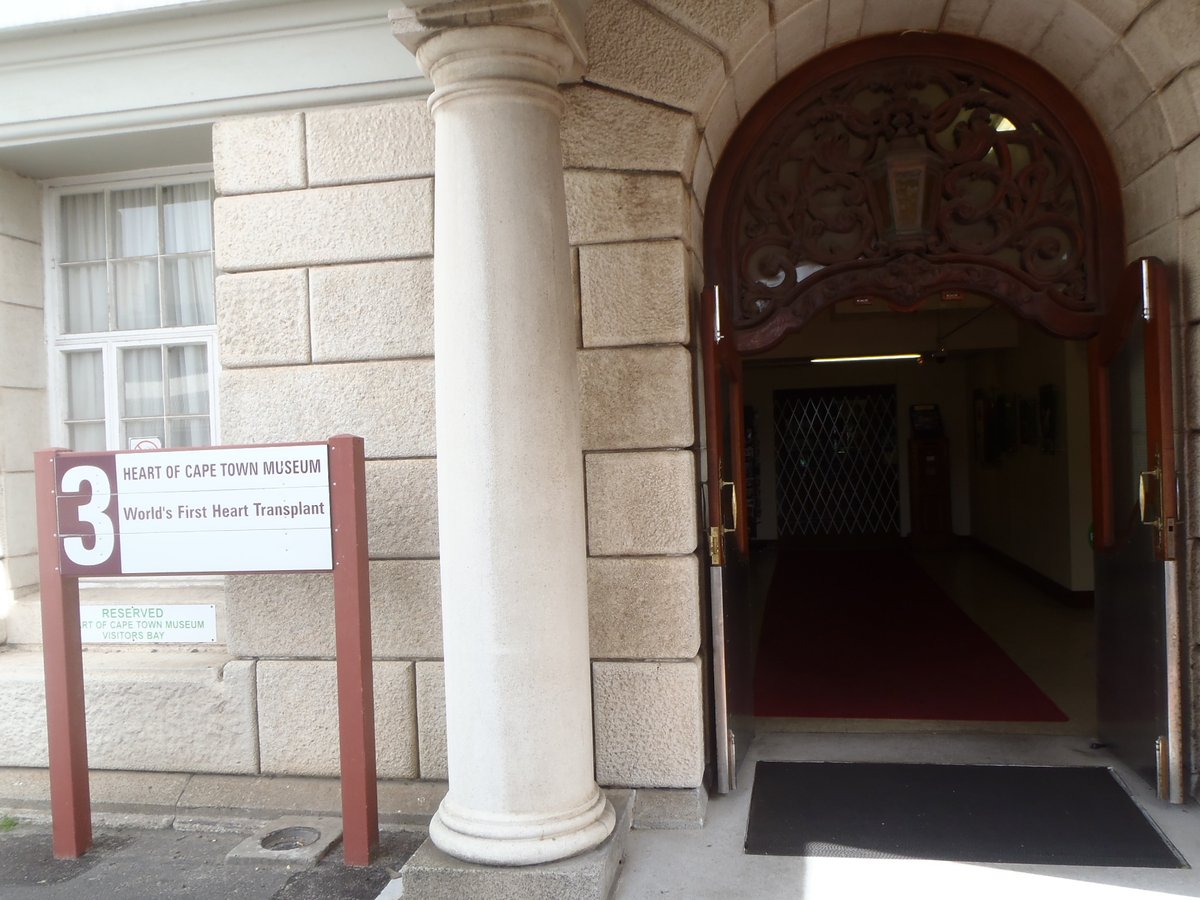
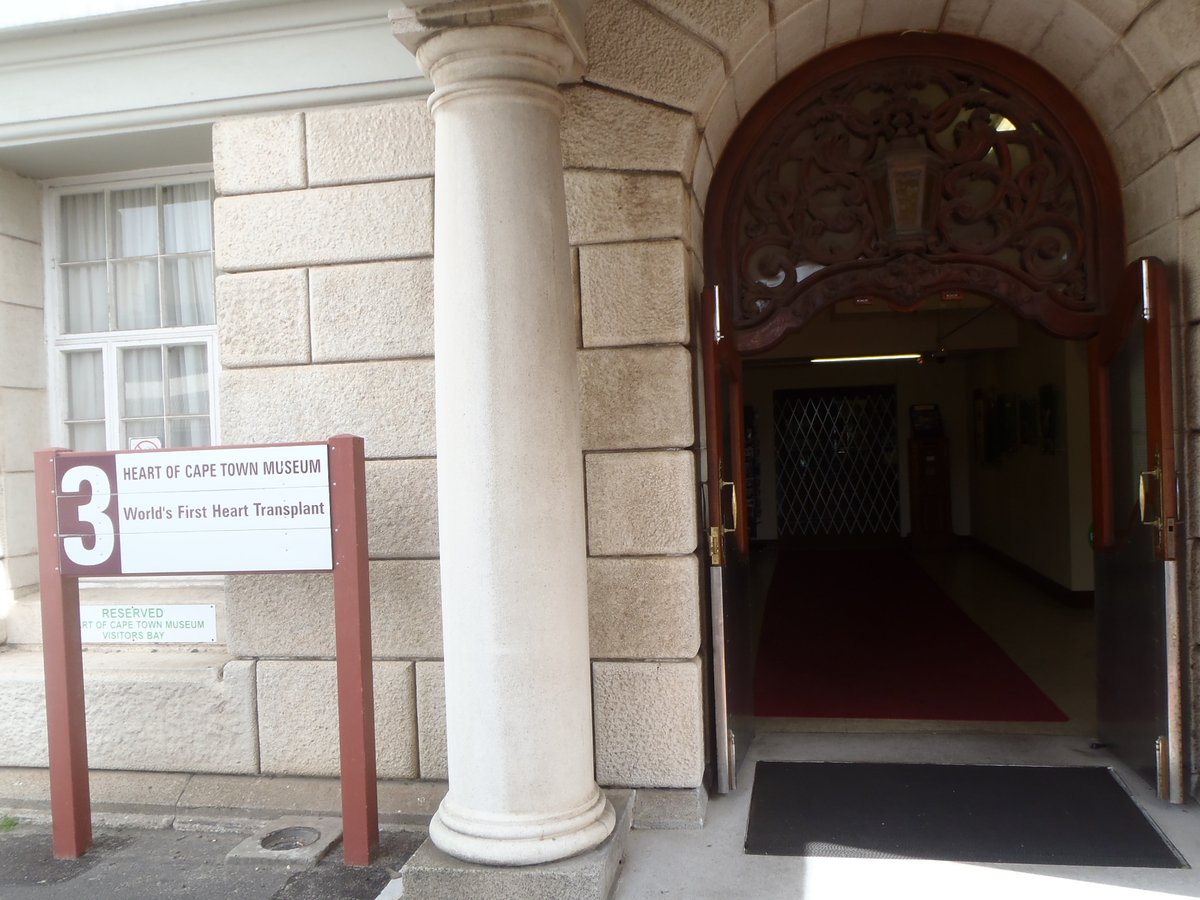
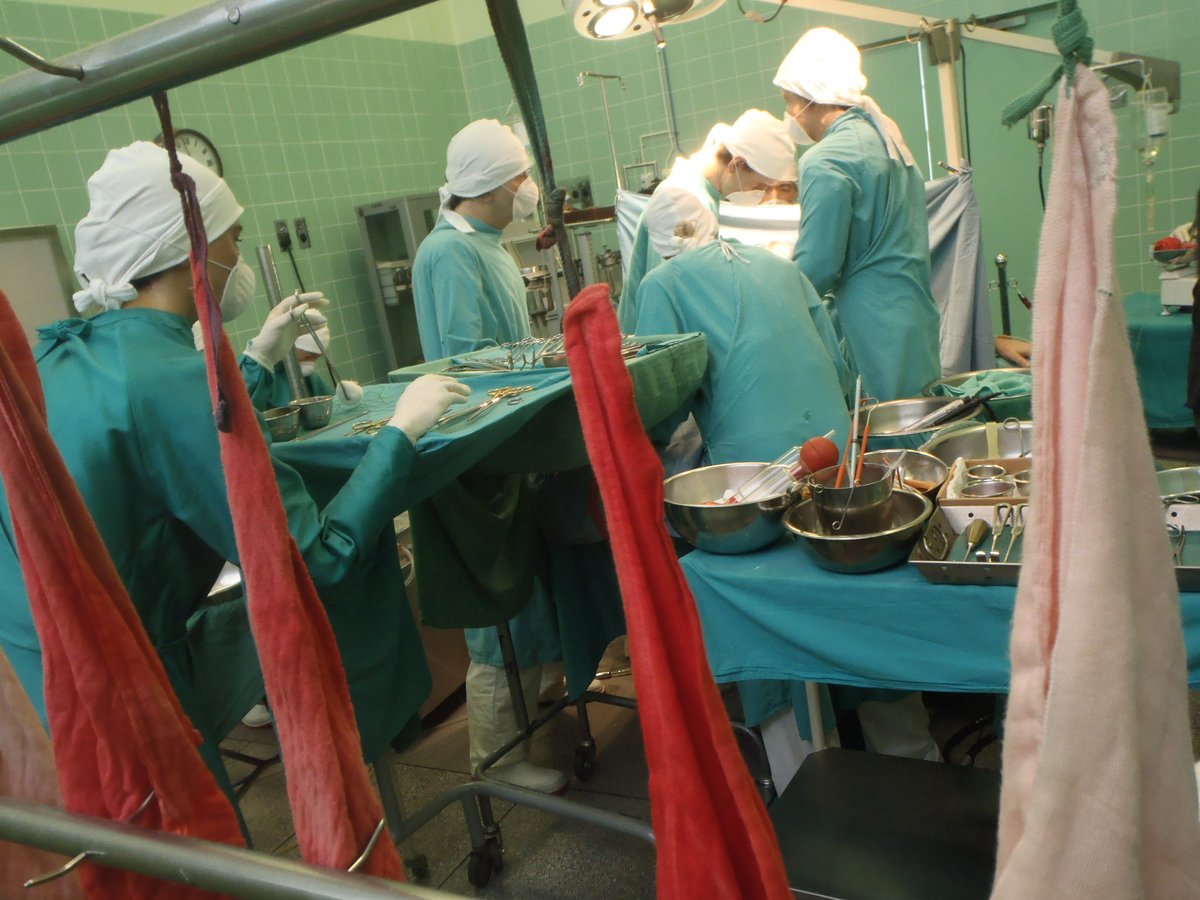
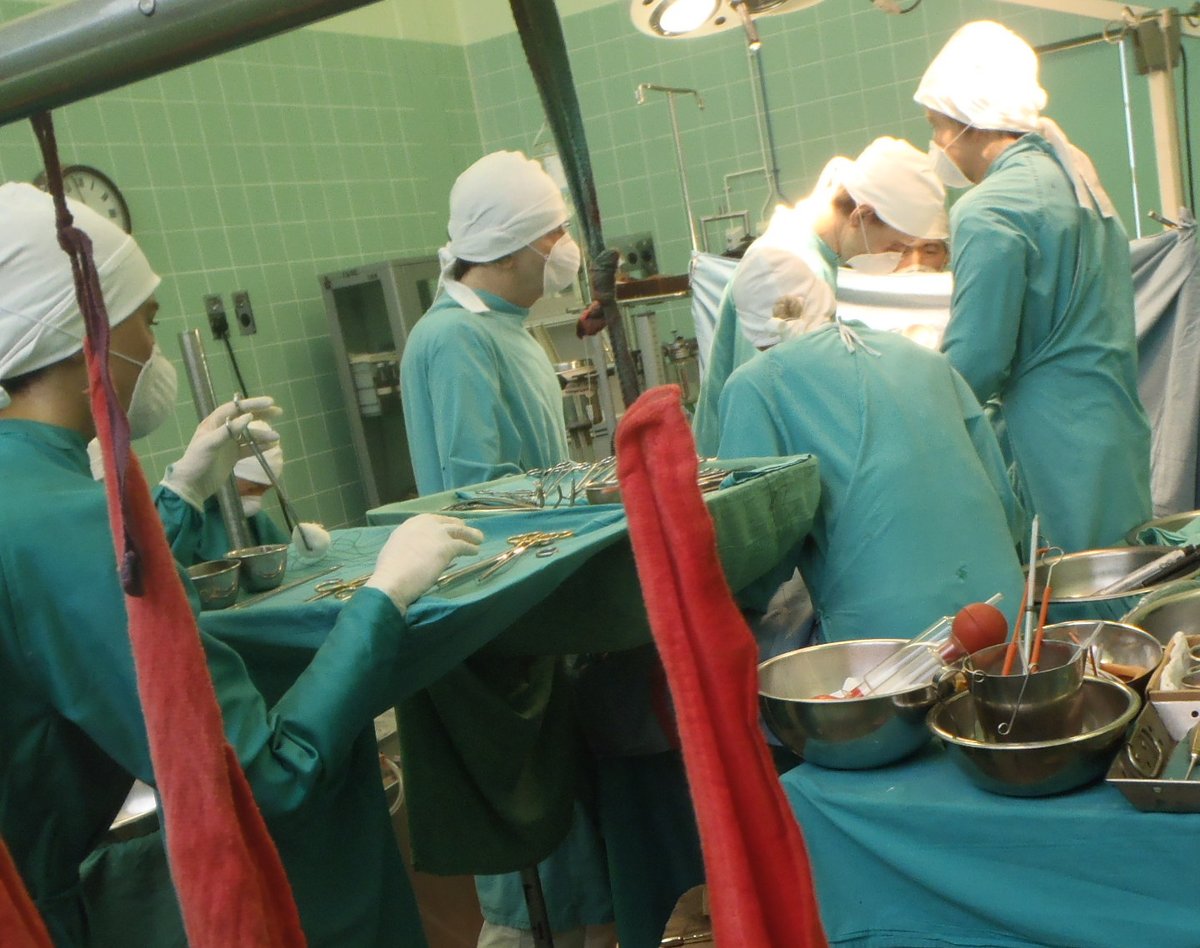
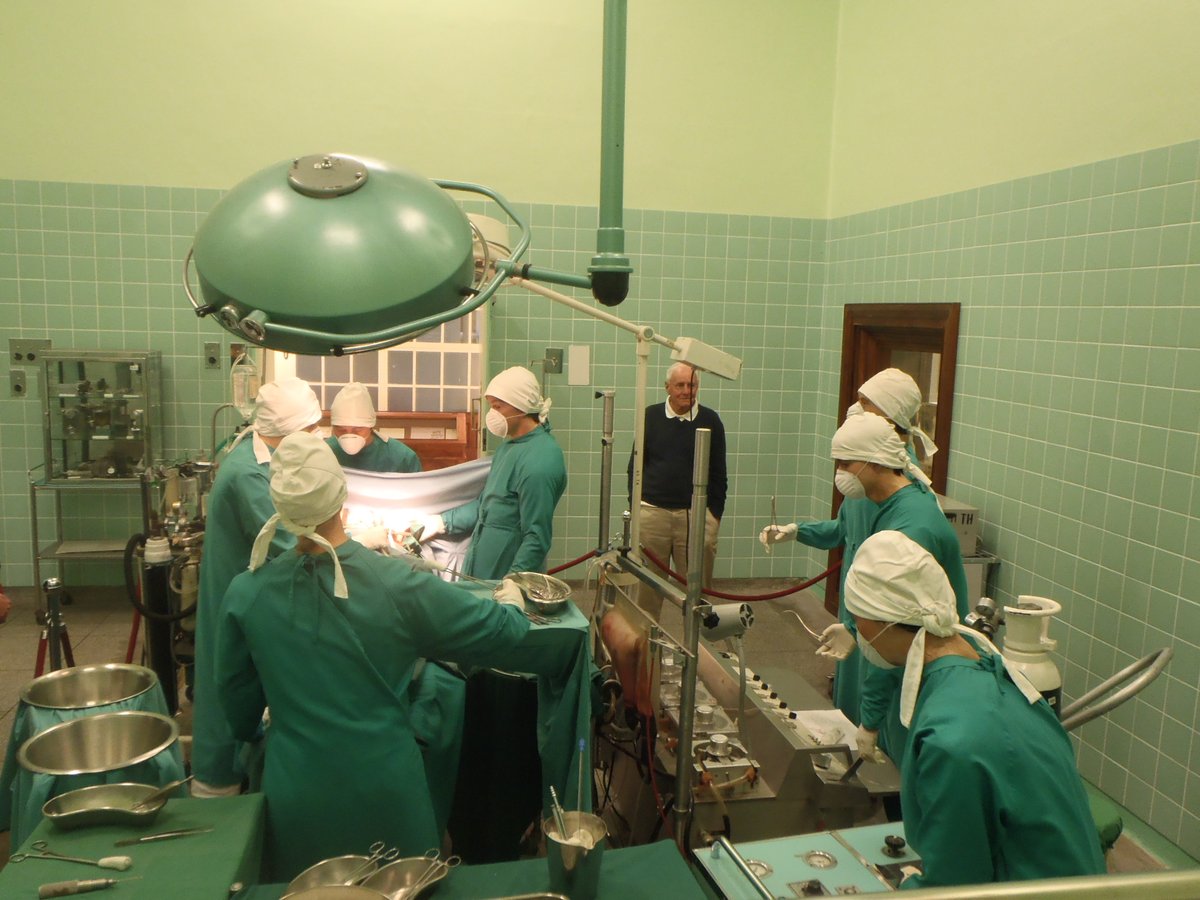
The hospital’s original Art Deco and classical revival buildings are preserved as Provincial Heritage Sites. The historic operating theatres now house the Heart of Cape Town Museum, a major attraction for those interested in medical and architectural history (Heart of Cape Town Museum).
Visitor Information: Hours, Tickets, and Tours
Visiting Hours
- General Hospital Visiting Most wards welcome visitors from 15:00 to 19:00 daily. Specialized units (Maternity, Neonatal, ICU) have stricter schedules—check with the specific ward or the official hospital website for up-to-date hours (VisitingHours.co.za).
- Heart of Cape Town Museum Tours are available Monday to Friday at 9:00, 11:00, 13:00, and 15:00. Group tours can be arranged on weekends (Heart of Cape Town Museum).
Ticketing and Guided Tours
- Museum Tickets Advance booking is essential; reserve your spot via the official museum website, by phone (+27 81 840 6593), or by email ([email protected]).
- Pricing (2025) International adults R400, pensioners R350, children R100. South African residents receive discounted rates.
- Tour Experience Guided tours last 1.5–2 hours and are recommended for ages 10 and above due to graphic content (MyTripToCapeTown).
Accessibility
The hospital and museum are wheelchair accessible, with elevators and accessible restrooms available (MyTripToCapeTown). Notify staff in advance if you require additional assistance.
Travel Tips
- Parking On-site parking is limited; public transport or ride-hailing (Uber, Bolt) is recommended, especially during peak hours (Western Cape Government).
- Public Transport Observatory Station (rail), MyCiTi buses, and Main Road taxi routes all stop nearby.
- Dress Code Modest, comfortable clothing is advised.
- Photography Permitted in the museum; restricted in clinical areas.
Exploring the Heart of Cape Town Museum
Exhibits and Tour Experience
The museum, located in the hospital’s Old Main Building, features:
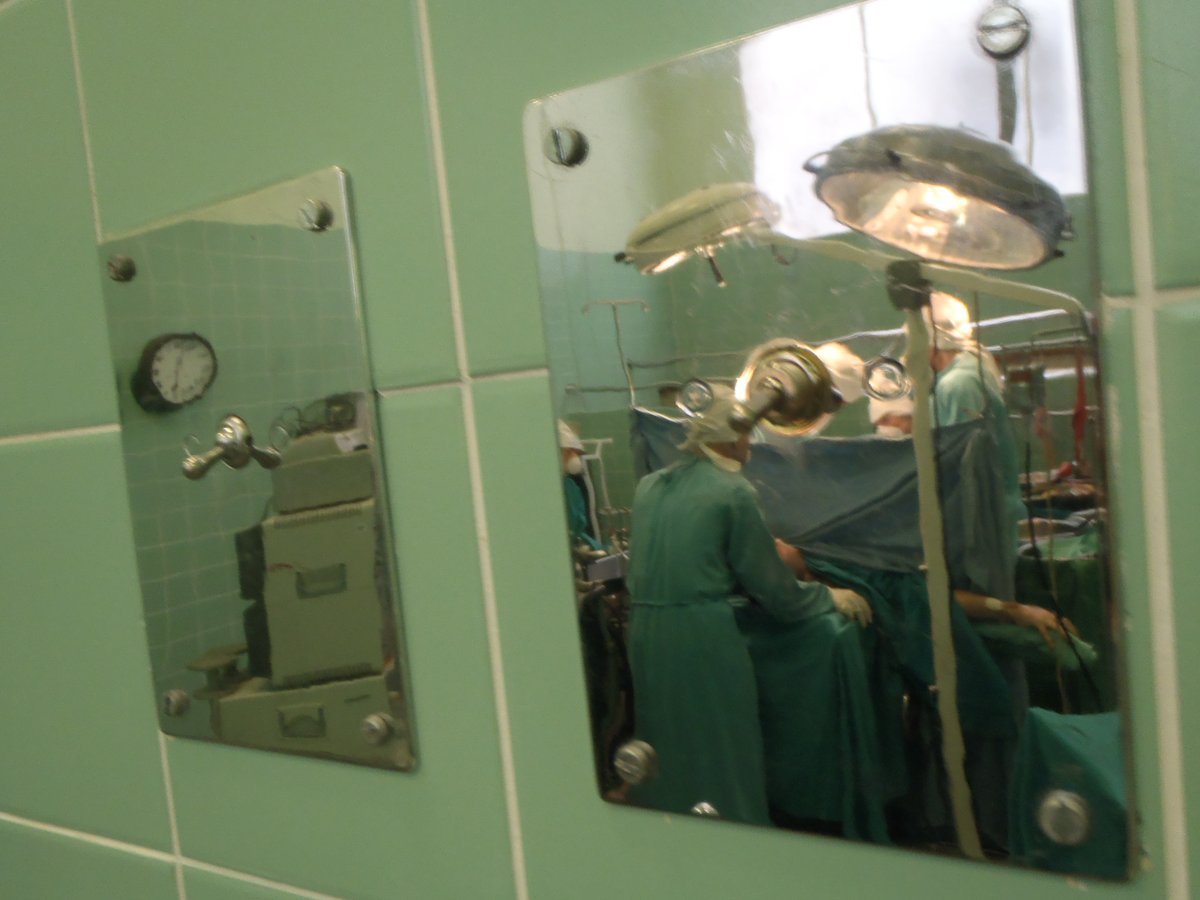
- Reconstructed Operating Theatre Original equipment and theatre from the 1967 transplant (BBC Travel).
- Personal Stories Multimedia narratives from the surgical team, the donor’s family, and the recipient.
- Medical Artifacts Instruments, historical documents, and wax figures illustrating key moments.
- The Heart: Symbol of Life A moving tribute to Denise Darvall, the first donor (Heart of Cape Town Museum).
Facilities, Amenities & Transportation
- Cafeteria Light meals and beverages available for visitors.
- Restrooms & Waiting Areas Located throughout the hospital.
- ATM On-site for cash withdrawals.
- Wi-Fi Limited access in public areas.
- Accommodation Nearby guesthouses such as Nellie’s Lodge (EyeDocs).
Nearby Cape Town Historical Sites
Enhance your visit with these attractions:
- Rhodes Memorial & University of Cape Town Heritage and panoramic views.
- Table Mountain National Park Scenic hikes from Devil’s Peak.
- District Six Museum Social history of Cape Town.
- Cape Town Science Centre & Mostert’s Mill Educational stops within a mile (SA-Venues; Lonely Planet).
Health and Safety Protocols
- Hand Hygiene Use sanitizer stations at entry and before entering wards.
- Mask Wearing Required based on current advisories.
- Symptom Screening Visitors with symptoms should postpone visits.
- COVID-19 Updates Check the Western Cape Government Health website for the latest information.
Communication, Cultural Sensitivity & Visitor Etiquette
- Languages English is primary; staff accommodate cross-cultural communication.
- Visitor Conduct Speak softly, limit visitor numbers, and follow staff instructions.
- Privacy Photography and video recording are generally prohibited in clinical areas.
Emergency Contacts
- Hospital Security Contact nearest staff in emergencies.
- Quality Assurance For feedback or concerns, email Mr. Nico Benting at [email protected] (Western Cape Government).
Frequently Asked Questions (FAQ)
Q: What are the general visiting hours?
A: Typically 15:00 to 19:00 for most wards; specialized units may differ (Visiting Hours).
Q: How do I book museum tickets?
A: Reserve via the museum’s website or by phone/email in advance.
Q: Is the hospital accessible for wheelchairs?
A: Yes, both hospital and museum are wheelchair-friendly.
Q: Can children visit?
A: Children’s visits are at staff discretion in wards; museum tours recommended for ages 10+.
Q: Where can I park?
A: Limited on-site parking; public transport is recommended.
Internal Linking Suggestions
- Explore our articles on Cape Town Historical Sites and Visitor Guides for Hospitals in South Africa for more travel ideas.
- For medical electives, see UCT Health Electives.