
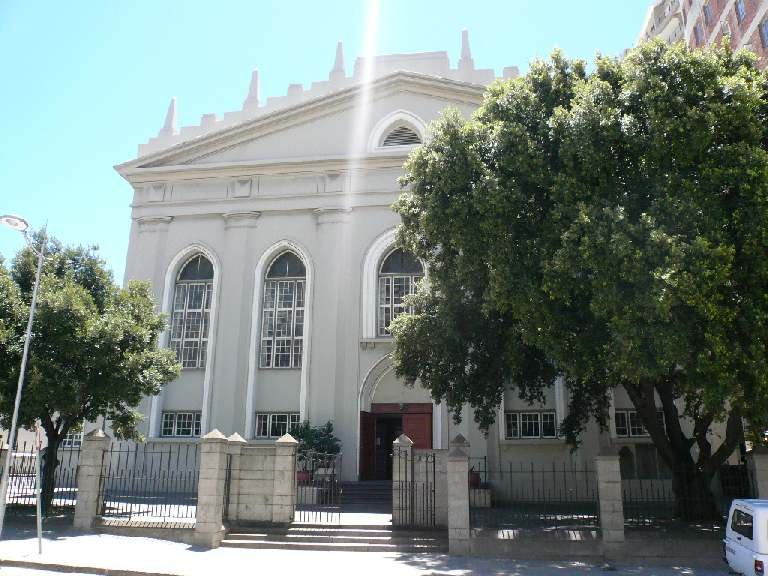
Location and How to Get There
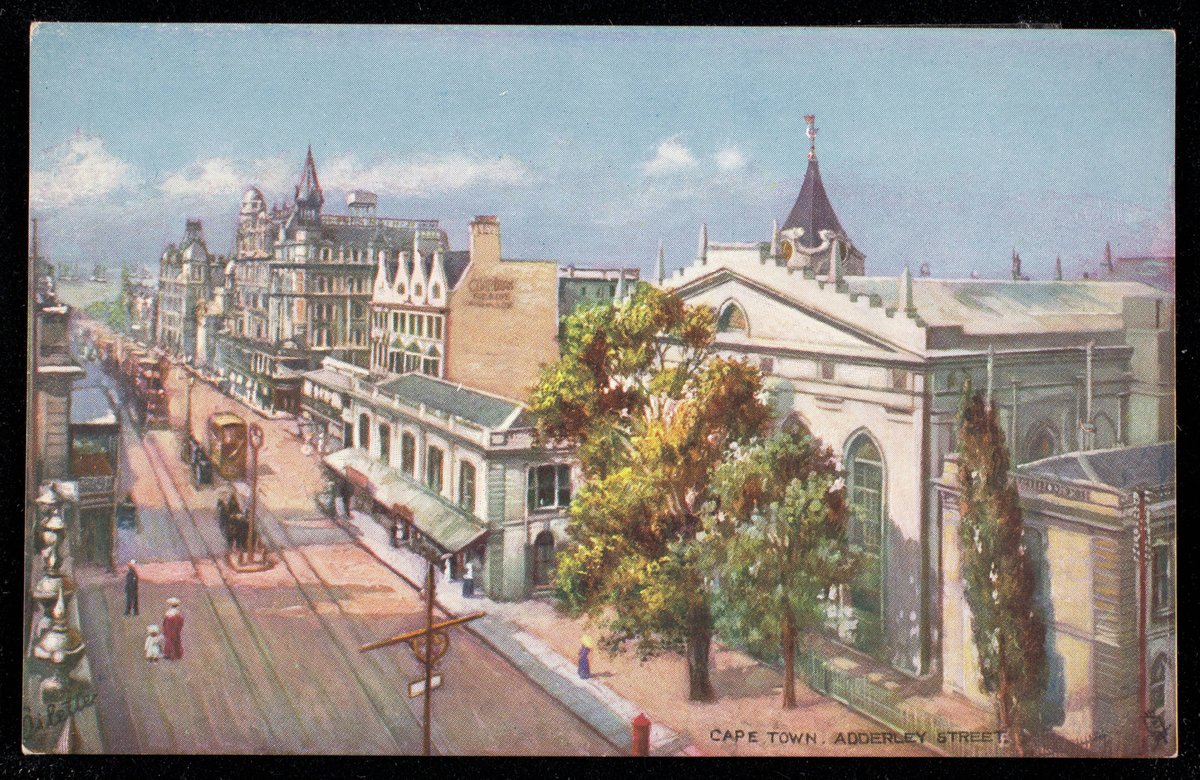
Groote Kerk is centrally located at 43 Adderley Street, on Church Square in Cape Town’s city center (SA-Venues; Trek Zone). It’s easily accessible by foot, car, or public transport. The Cape Town railway station and several MyCiTi bus stops are within walking distance, and taxis or ride-hailing services are readily available. The church’s proximity to major sites like the Company’s Garden, Castle of Good Hope, and Iziko South African Museum makes it an ideal starting point for exploring the city’s historical core.
Visiting Hours and Admission
- Weekdays 10:00–14:00 (Monday–Friday)
- Saturdays 9:00–13:00
- Sundays & Public Holidays Closed (except for worship services)
- Admission Free. Donations are appreciated to support preservation and community outreach (SA-Venues).
- Guided Tours Available upon request; call ahead (+27 (0)21 422-0569) to confirm times or arrange a tour (LekkeSlaap).
Architectural and Interior Highlights
The Nave and Dome
Groote Kerk’s nave is vast and airy, featuring the largest unsupported domed ceiling in the southern hemisphere—a remarkable feat of 19th-century engineering (SA-Venues). The Baroque-style ceiling roses and white arches create a sense of grandeur and tranquility, while the cruciform layout accommodates over 1,200 congregants.
Pulpit by Anton Anreith
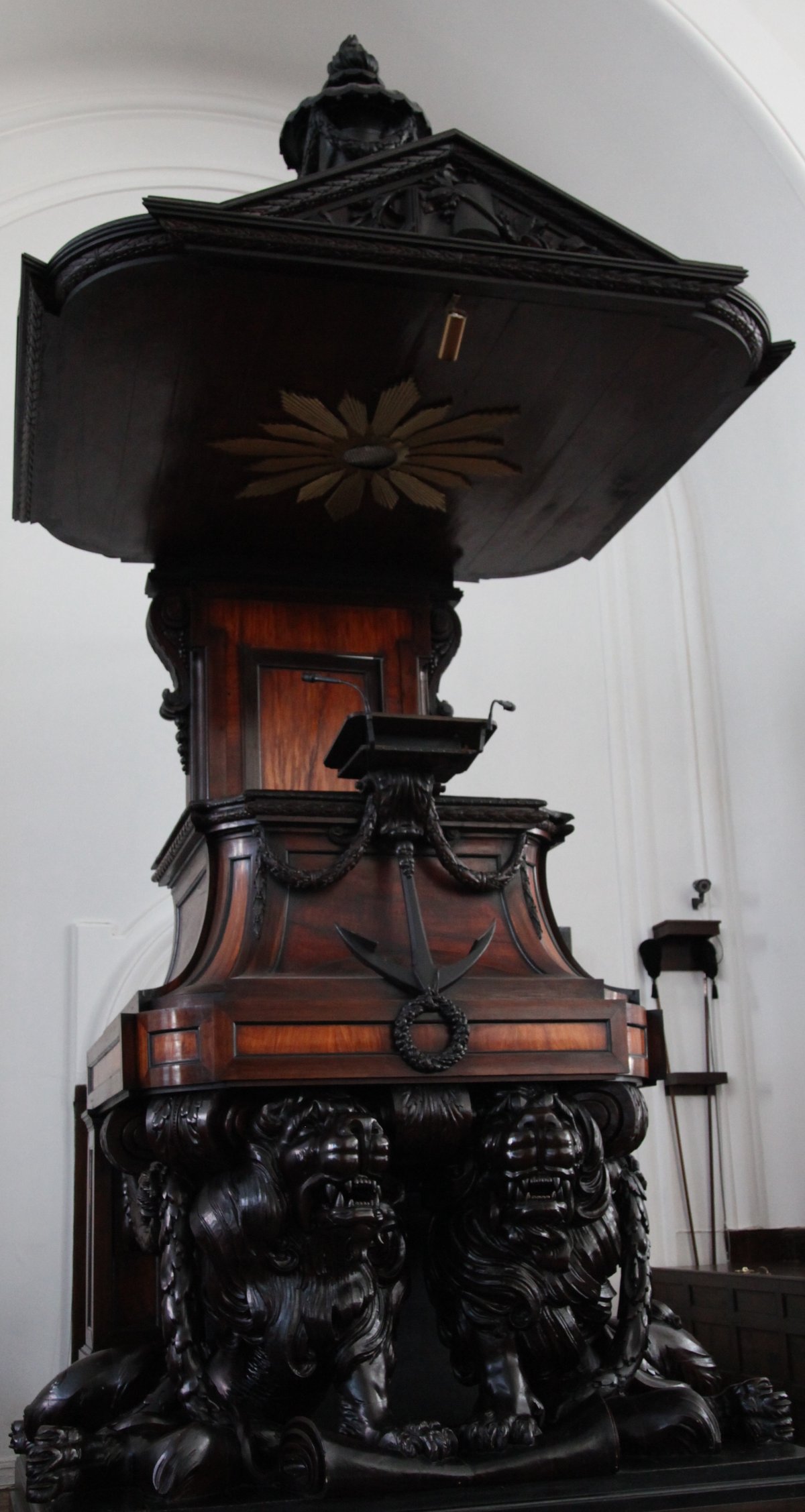
The pulpit, crafted in 1789 by the German-born sculptor Anton Anreith, is a masterpiece of late 18th-century Baroque woodcarving (South African History Online). Supported by four sculpted lions symbolizing strength, the pulpit is adorned with intricate biblical motifs and decorative scrollwork. It stands above the burial site of Simon van der Stel, the first governor of the Dutch Cape colony and founder of Groot Constantia and Stellenbosch (SA-Venues).
Organ and Acoustics
Installed in 1954, Groote Kerk’s organ is the largest in South Africa, boasting 5,917 pipes (Trek Zone; LekkeSlaap). Its powerful sound and the church’s acoustics make it a venue of choice for concerts and special services.
Unique Floor and Historical Details
The church’s floor is made from recycled gravestones, a poignant reminder of its centuries-old history (TravelTriangle). The enclosed pews, once reserved for wealthy families, reflect the social hierarchies of colonial Cape Town—some later dedicated to local boys’ boarding houses (SA-Venues). Tall arched windows, stained glass, and finely crafted woodwork further enhance the church’s serene and contemplative atmosphere.
Groote Kerk was established alongside the Dutch East India Company’s refreshment station in 1652, with the cornerstone of the first church laid in 1678 by Governor Willem Adriaan van der Stel. The current building, completed in 1841, was designed by German-born architect Hermann Schütte, blending Greek Revival and Gothic Revival styles (South African History Online). Over the centuries, Groote Kerk became known as the "mother church" of the Dutch Reformed Church in South Africa and played a pivotal role in the city’s religious and social life, welcoming refugees and supporting community development.
Visitor Experience and Practical Tips
- Dress Code Dress modestly as a sign of respect—Groote Kerk is an active place of worship.
- Photography Permitted, but please ask before photographing services or private events.
- Accessibility Wheelchair accessible, with ramps and accessible restrooms. If you have special needs, contact the church in advance (SA-Venues).
- Weather June in Cape Town is cool (12–18°C) with occasional rain; bring an umbrella or raincoat (Weather25).
- Nearby Amenities Cafés, restaurants, and shops are within easy walking distance. The church is close to the Iziko Slave Lodge, St. George’s Cathedral, and the Company’s Garden (LekkeSlaap).
Guided and Self-Guided Tours
- Guided Tours Highly recommended for insights into Groote Kerk’s rich history, architecture, and art. Contact the visitor center to arrange a booking (LekkeSlaap).
- Self-Guided Groote Kerk is included in several self-guided walking tours of Cape Town, such as those by GPSmyCity (GPSmyCity), allowing visitors to explore at their own pace with mobile apps for historical context.
Social Outreach and Community Engagement
Groote Kerk has a longstanding tradition of social outreach, supporting food drives, shelter programs, and aid for vulnerable populations (Evendo). It hosts community forums and public discussions on social issues, fosters interfaith relations, and collaborates with local organizations for social justice and reconciliation.
Preservation and Restoration
Declared a National Monument in 1962, Groote Kerk is subject to continuous preservation and restoration efforts to maintain its architectural integrity and historical features, ensuring that it remains both a place of worship and a living museum for future generations (South African History Online).
Nearby Attractions
Groote Kerk’s central location allows easy access to:
- Company’s Garden
- Castle of Good Hope
- Iziko Slave Lodge
- St. George’s Cathedral
- District Six Museum (District Six Museum)
Frequently Asked Questions (FAQ)
What are Groote Kerk’s visiting hours?
Weekdays 10:00–14:00; Saturdays 9:00–13:00; closed Sundays and public holidays except for services.
Is there an admission fee?
Admission is free; donations are welcome.
Are guided tours available?
Yes, upon request—call ahead to arrange.
Is the church accessible for limited mobility?
Yes, with ramps and accessible facilities.
Can I take photographs inside?
Photography is permitted, but ask permission during services or private events.
Are there special events at Groote Kerk?
Yes—concerts, organ recitals, and special services. Check the church website or call for details.
Contact Information
- Address 43 Adderley Street, Cape Town Central, City Bowl, Cape Town, South Africa
- Phone +27 (0)21 422-0569
- Website SA-Venues Groote Kerk