
Colonial Origins and Early Development
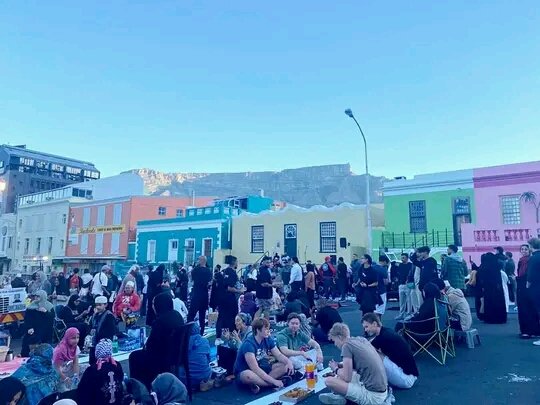
Long Street’s roots extend to Cape Town’s early colonial era, marking it as one of the city’s oldest thoroughfares. Established in the 18th century, its original purpose was to connect the expanding settlement from the sea toward Table Mountain (MapMyWay). The street quickly became a hub for settlers, freed slaves, and immigrants, helping forge the area’s multicultural character—a spirit still evident today.
Architectural Heritage
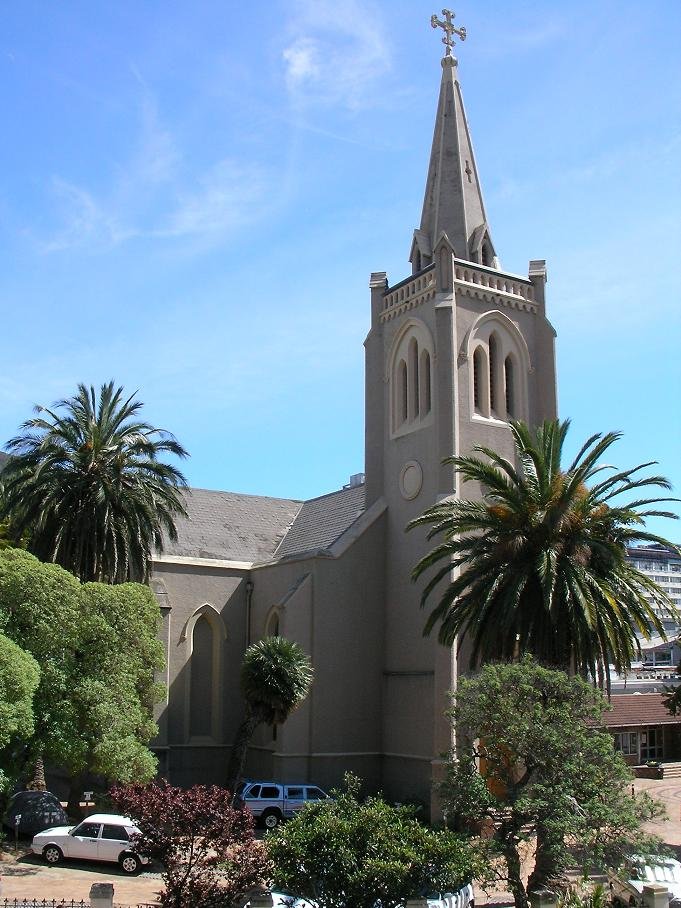
Long Street is renowned for its Victorian and Art Nouveau buildings, characterized by intricate cast-iron balconies and ornate facades. Many structures date from the late 19th and early 20th centuries, reflecting the city’s prosperity during that period (South Africa.net). Preservation efforts by local societies have ensured that these architectural gems remain central to Long Street’s identity, with notable examples like Carnival Court and the Palm Tree Mosque (MyTripToCapeTown; Wikipedia).
Social and Cultural Significance
Long Street’s reputation as Cape Town’s bohemian heart is well-earned. The street has long attracted artists, musicians, writers, and free spirits, and its eclectic mix of restaurants, bookshops, and nightlife venues remains a testament to its cultural vibrancy (South Africa.net). In the 1970s and 1980s, Long Street was a center for anti-apartheid theatre and activism, cementing its status as a space for creative and political expression (Wikipedia; PPS.org).
Religious and Heritage Landmarks
Key heritage sites include the Palm Tree Mosque (established 1807), reflecting Cape Town’s Islamic heritage (MyTripToCapeTown), and the South African Gestig Museum, which preserves the legacy of Christian evangelism and the city’s multicultural roots (Artefacts).
Visitor Information
Visiting Hours
Long Street is open to the public 24/7. Shops, cafes, and markets generally operate from 9:00 AM to 6:00 PM, while bars, restaurants, and nightlife venues open in the evening and may close as late as 2:00 AM (City Sightseeing). Major heritage landmarks, such as the Palm Tree Mosque, are typically open to visitors during daylight hours (usually 10:00 AM to 4:00 PM).
Tickets and Entry Fees
There is no fee to walk Long Street. Entry fees may apply to certain museums or guided tours. For example, the South African Gestig Museum may charge a small fee; always check with individual venues for the latest ticket information.
Accessibility
Long Street is relatively accessible, with paved sidewalks and ramps at some establishments. However, certain historic buildings may have limited access for those with mobility impairments.
Travel Tips
- Use public transportation or rideshare services, as parking is limited.
- Visit during weekdays for a less crowded experience.
- Carry a small amount of local currency for small purchases.
- Stay alert at night and use reputable transport options.
Daytime Commerce and Nightlife
By day, Long Street is filled with the energy of shoppers, coffee drinkers, and market-goers. Independent boutiques, African craft markets, and famous bookshops draw both locals and tourists (South Africa.net). Backpacker hostels and affordable lodgings make it a hub for young travelers (Wikipedia).
At night, the street transforms into the epicenter of Cape Town’s nightlife, with restaurants, rooftop bars, and clubs hosting everything from live music to themed parties (MyTripToCapeTown). Venues like the Zula Sound Bar offer live performances and art exhibitions, and summer months see the street come alive with pavement dining and open-air festivities (South Africa.net).
Heritage Conservation
Long Street’s architectural and cultural significance is recognized by the South African Heritage Resources Agency and Heritage Western Cape, with several buildings listed as protected heritage sites (Wikipedia). Guided heritage walks are available and provide rich context on the street’s evolution, with stops at key landmarks such as the Palm Tree Mosque and South African Gestig Museum (MapMyWay).
Long Street and Cape Town’s Broader Heritage
Long Street is centrally located and serves as a convenient gateway to other major Cape Town heritage sites, including the Company’s Garden, Bo-Kaap, Iziko South African Museum, and the Castle of Good Hope (CapeTourism; CapeTown.Travel). Its proximity to these attractions makes it an ideal starting point for exploring the city’s layered history.
Frequently Asked Questions (FAQ)
Q: What are Long Street’s visiting hours?
A: Long Street is accessible 24/7 as a public street; individual shops and venues usually open from 9:00 AM to 6:00 PM, with nightlife venues operating later.
Q: Are there entry fees or tickets required?
A: No tickets are needed to explore Long Street. Entry fees may apply for some museums or guided tours.
Q: Is Long Street accessible for people with disabilities?
A: Many venues are accessible, but some historic buildings have limited wheelchair access.
Q: Are guided tours available?
A: Yes, several operators offer daily guided walking tours focusing on history, architecture, and culture.
Q: Is Long Street safe at night?
A: The area is generally safe, but visitors should remain vigilant, stick to busy, well-lit areas, and use reputable transport after dark (Travellers Worldwide).
Safety and Practical Tips
- Stay Alert Pickpocketing and bag snatching can occur, especially late at night. Use a cross-body bag and keep belongings secure (Travellers Worldwide).
- Transport Use rideshare services (Uber, Bolt) or reputable taxis, particularly after dark. Avoid walking alone late at night.
- ATMs Use machines inside banks or shops; avoid isolated street ATMs.
- Load Shedding South Africa experiences periodic power outages. Check schedules and keep devices charged (Cape Town Travel).
- Emergency Numbers Police: 10111 | Mobile: 112. Consider installing the Namola Safety App (Cape Town Travel).
Dining, Shopping, and Nightlife Highlights
- Restaurants Mama Africa (African cuisine, live music), Long Street Café (Victorian charm), Royale Eatery (gourmet burgers), Lola’s (local ingredients), Masala Dosa (Indian specialties) (The Broke Backpacker).
- Nightlife The Dubliner (Irish bar), Fiction (club), Beerhouse (craft beers), The Waiting Room (rooftop bar).
- Shops and Boutiques Second Time Around and Afraid of Mice (vintage clothing), Mungo & Jemima (South African designers), Pan African Market (African art and crafts).
- Wellness Long Street Turkish Baths—a unique historic bathhouse open daily.
- Nearby Attractions Greenmarket Square (curio shopping), Bo-Kaap (colorful heritage), Table Mountain (accessible via cableway), Kloof Street (relaxed dining and shopping).
Transportation and Accommodation
- Public Transport MyCiTi Bus and City Sightseeing Bus routes service Long Street (City Sightseeing; MyCiTi).
- Rideshare Services Uber and Bolt are widely used (Uber South Africa).
- Accommodation Options range from budget hostels to boutique hotels; book early in peak season (InBhubaneswar).
- Parking Metered and limited; avoid leaving valuables in vehicles.