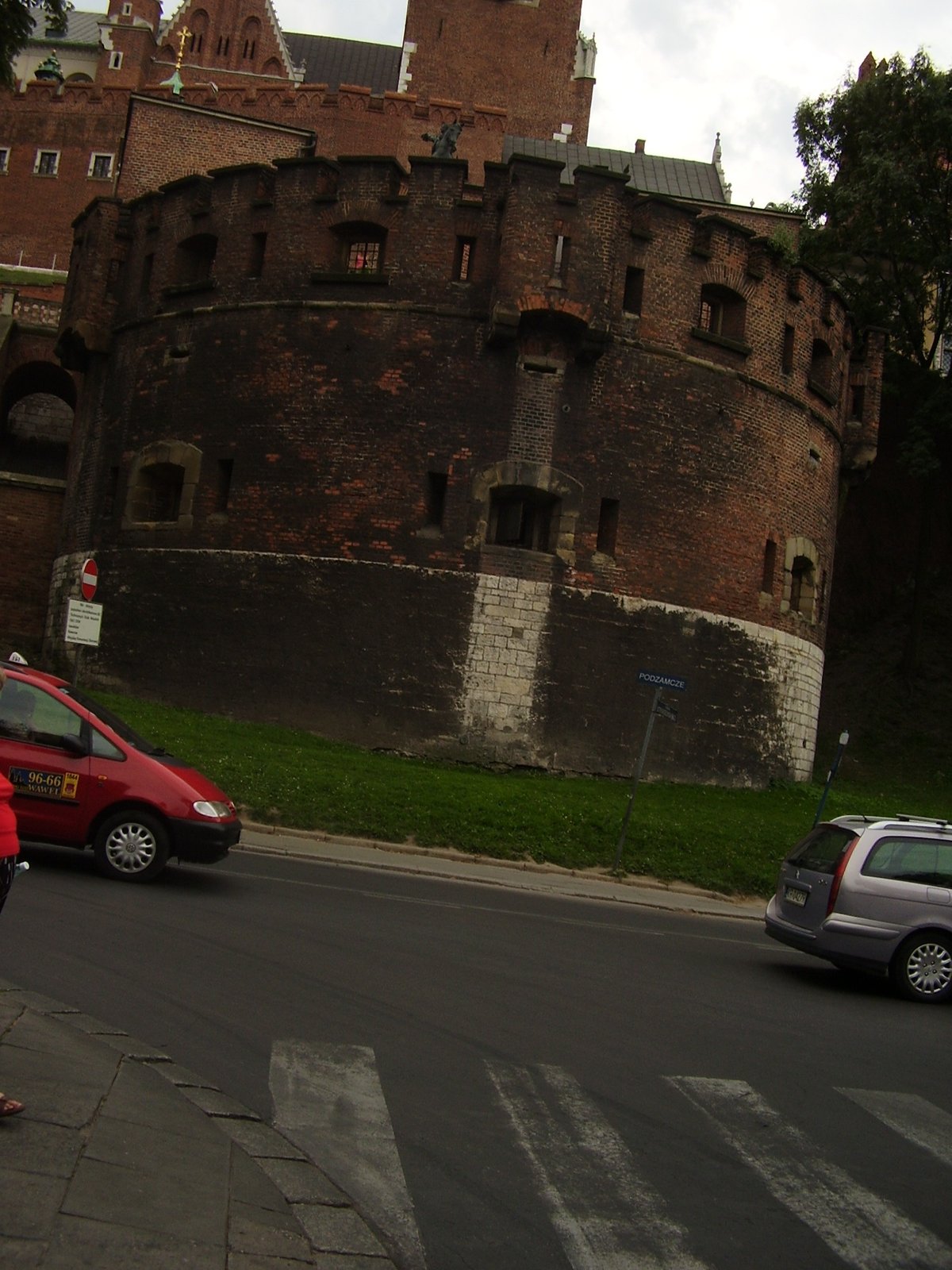
Historical Context of Fort 31 "Benedykt"
Fort 31 "Benedykt" was integral to the Kraków Fortress (Twierdza Kraków), a vast defensive network built by the Austro-Hungarian Empire to protect the city from Russian and Prussian threats. After the Austrian annexation of Kraków in 1796, the fortress system was expanded from 1850 onward, eventually comprising 176 military installations, including forts, gates, barracks, and hospitals, spread across three concentric rings around the city (krakow.travel). Lasota Hill, where Fort 31 is located, offered a commanding view of the Vistula River and the southern approaches to Kraków, making it a key stronghold.
The fort not only played a strategic defensive role in the 19th century but also adapted through subsequent eras. During World War II, it was repurposed as a prisoner-of-war camp for French soldiers and hosted anti-aircraft defenses (tracesofwar.com). Its layered past reflects the shifting priorities and turbulent history of Kraków and the region.
Architectural Features and Military Role
Fort 31 "Benedykt" is a rare, well-preserved Maximilian Tower, an innovative artillery tower design characterized by:
- Polygonal Layout Sixteen-sided brick construction with a central courtyard.
- Robust Masonry Thick brick and stone walls, stone cornices, and battlements supported by sandstone brackets.
- Defensive Innovations Sliding drawbridge on rollers, four-meter-high earth rampart, limestone moat, and bastioned earthworks.
- Interior Elements Vaulted cellars, original gates, stone portals, and wooden drawbridge.
This fort was designed for a 360-degree field of fire, with artillery emplacements and barracks for its garrison. While its military role became obsolete by the late 19th century, the fort’s advanced design remains a testament to Austrian military ingenuity (zabytek.pl, fortyck.pl). Today, many original architectural details survive, making it one of Europe’s best-preserved examples of its type.
Visiting Fort 31 Benedykt: Hours, Tickets, and Access
Location and Access
- Address ul. Stawarza, 30-543 Kraków, Poland (Lasota Hill, Podgórze district)
- Public Transport Take tram lines 3, 6, 13, or 24 to the "Korona" stop, then walk 10–15 minutes uphill through Bednarski Park.
- By Car Limited parking is available nearby; public transport is recommended due to restricted access.
Visiting Hours and Tickets
- Exterior Access Open daily, year-round, during daylight hours (typically 8:00 AM – 8:00 PM; seasonal changes may apply).
- Interior Access Not regularly available due to ongoing restoration. Occasional guided tours, cultural events, or exhibitions may allow limited interior access (podgorze.pl).
- Tickets No fee for exterior viewing. Tickets (10–20 PLN per adult) are required only for special guided tours or events; these must be booked in advance due to limited capacity.
Accessibility
- Grounds The fort’s exterior and surrounding park areas are accessible, but terrain is uneven and may not be suitable for visitors with mobility impairments.
- Interior Not fully wheelchair accessible due to historic architecture. Future renovations aim to improve accessibility.
For up-to-date visiting hours, ticket availability, and tour schedules, check the official Podgórze district website or Kraków’s tourism page.
Tips for a Memorable Visit
- Best Time to Visit May to September offers pleasant weather and lush park scenery. Mornings and late afternoons provide optimal lighting for photography.
- What to Bring Comfortable footwear (uneven terrain), water, and snacks. No restrooms or refreshments are available on-site; amenities are 10–15 minutes away in Podgórze center.
- Photography The fort’s unique structure and hilltop views make it a popular spot. Drones require prior permission.
- Safety and Etiquette Respect conservation guidelines—do not climb on the fort, remove materials, or disturb restoration work. Pets must be leashed.
Nearby Attractions
- Church of St. Benedict An 11th-century Romanesque church adjacent to the fort.
- Bednarski Park A scenic, forested park perfect for walks or picnics.
- Krakus Mound (Kopiec Krakusa) An ancient burial mound offering panoramic city views.
- Oskar Schindler Factory Museum A key World War II site in Podgórze.
- Kazimierz District Kraków’s historic Jewish quarter, easily reached via public transport.
- Bonarka Nature Reserve Walking trails and unique geology nearby.
Combining these sites with a visit to Fort 31 "Benedykt" creates a rich day’s itinerary in Podgórze.
Cultural and Educational Value
Fort 31 "Benedykt" is more than a military relic: it is a symbol of Kraków’s resilience and layered heritage. Community engagement and public consultations have shaped restoration plans, which aim to transform the fort into a center for STEM education and cultural activities, in partnership with the Museum of Engineering and Technology (twierdzakrakow.pl). As a protected monument, it also serves as a focal point for local history and pride.
Frequently Asked Questions (FAQ)
Q: Is Fort 31 "Benedykt" open year-round?
A: The exterior is accessible year-round. Interior access is limited to special events or guided tours.
Q: Are tickets required?
A: No fee for viewing the exterior. Tickets are only needed for special tours or interior events.
Q: How do I get there from the city center?
A: Take tram lines 3, 6, 13, or 24 to "Korona," then walk 10–15 minutes uphill.
Q: Is the site wheelchair accessible?
A: The terrain is uneven and not fully accessible; renovations aim to improve this in the future.
Q: Are guided tours available?
A: Occasionally, during special events. Check official websites for schedules.
Visuals and Media
For detailed photos, virtual tours, and drone footage, visit:
Discover More
Fort 31 "Benedykt" offers an unparalleled glimpse into Kraków’s military history and architectural heritage. While restoration continues, visitors can enjoy its striking exterior, panoramic vistas, and nearby attractions. Stay informed about reopening, special events, and educational initiatives by following official channels and checking local tourism resources. Enhance your visit with audio guides from the Audiala app, and share your experiences to support the ongoing preservation of this unique monument.