
History and Significance
The Ethnographic Museum of Kraków (Muzeum Etnograficzne w Krakowie) was established in 1911, inspired by the vision of ethnographer Seweryn Udziela and supported by Kraków’s intellectual community. Its founding mission was to collect, preserve, and showcase the material and spiritual culture of Polish rural communities, especially during a period of foreign partitions when cultural identity was under threat (Ethnographic Museum Kraków).
Initially, the museum’s collections were housed in the Cloth Hall (Sukiennice) before moving in 1949 to its current home in the 14th-century former Town Hall of Kazimierz. Over the 20th century, the museum expanded its focus to include Slavic and non-European artifacts, reinforcing its role as a key center for ethnographic research and intercultural dialogue. Today, it is recognized for its scholarship, educational outreach, and efforts to make folk heritage accessible to broad audiences (Journal of Marine and Island Cultures).
Collections and Exhibitions
Permanent Exhibitions
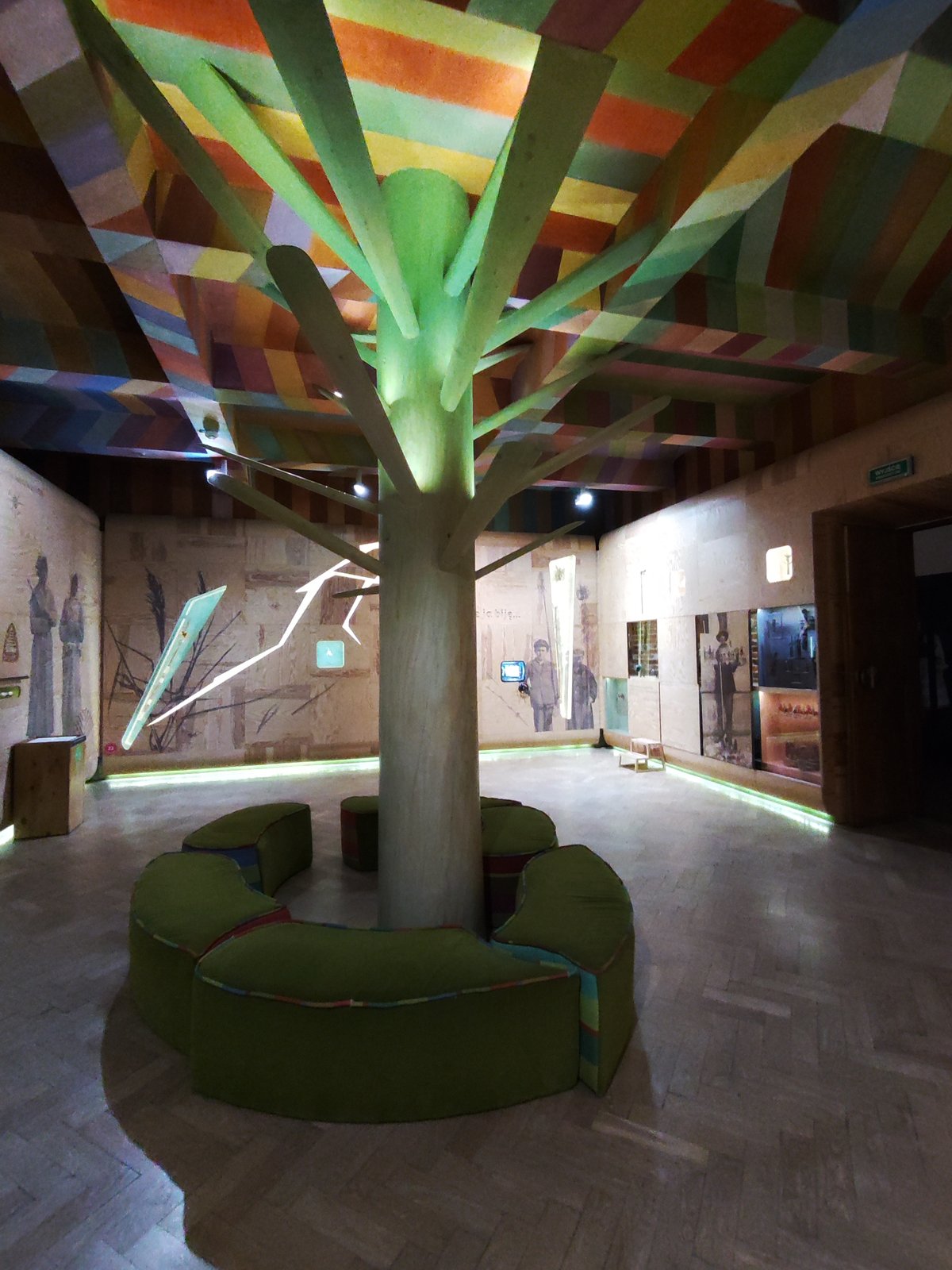
The museum’s permanent exhibitions provide a vivid window into 19th- and early 20th-century village life in the Małopolska region and across Poland. Highlights include:
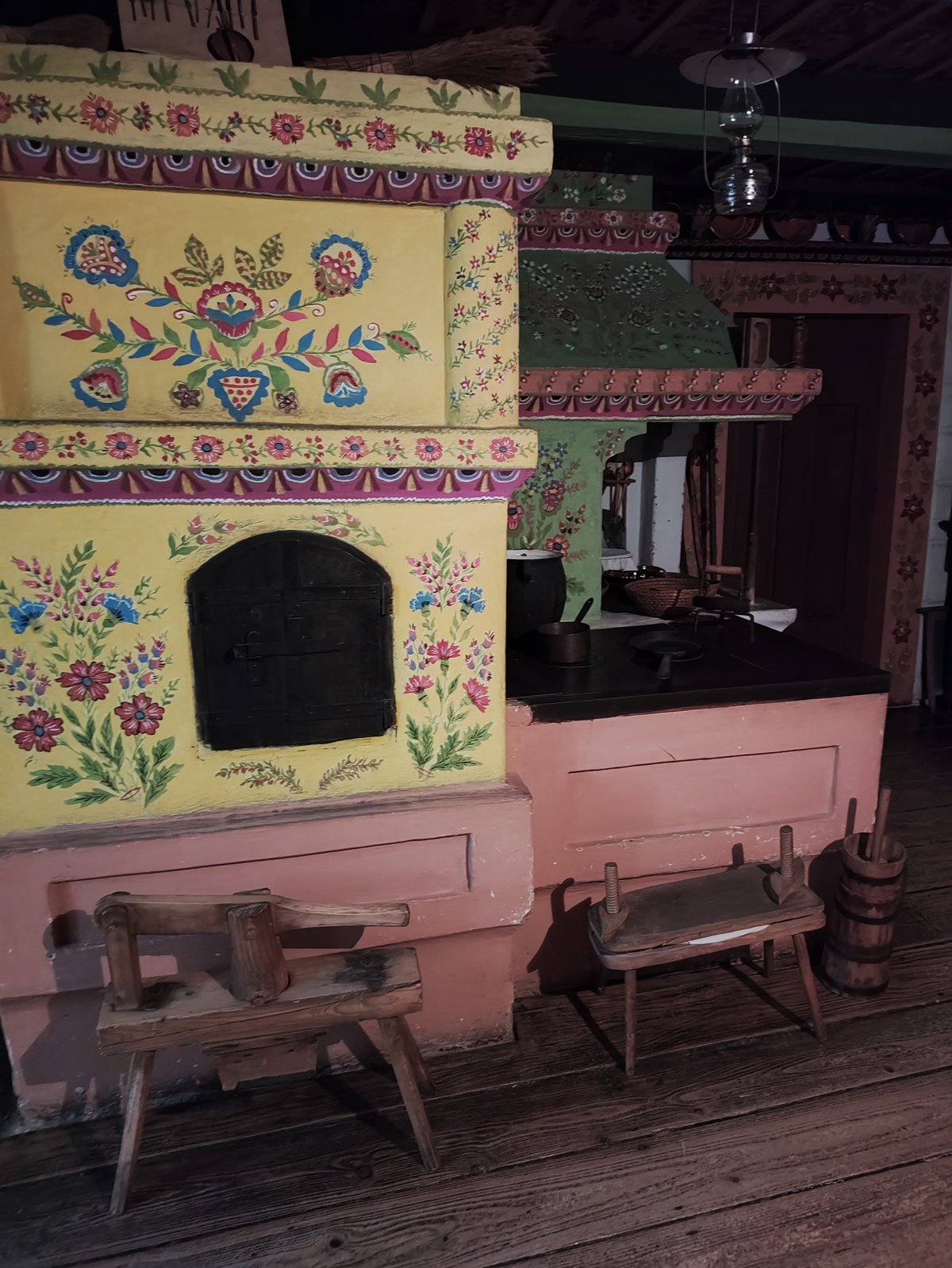
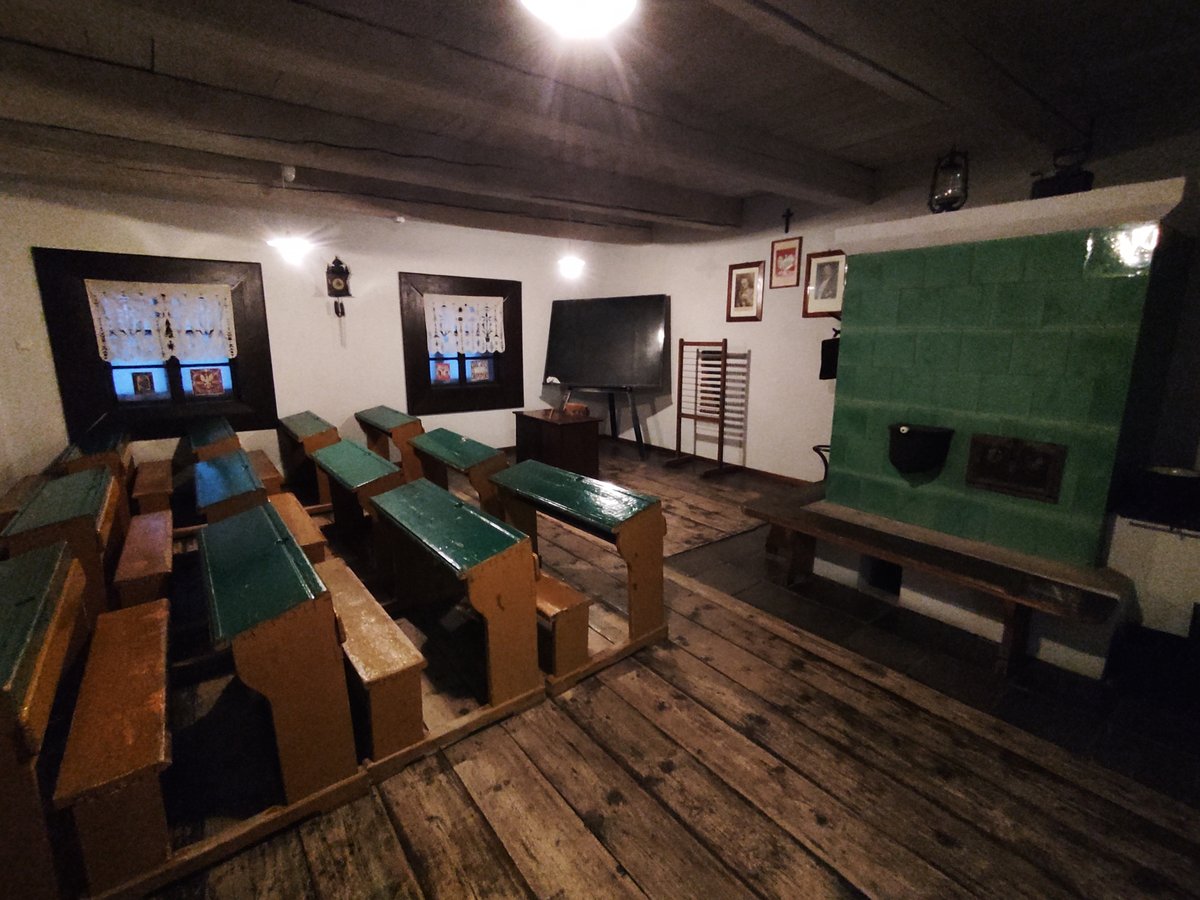
- Reconstructed Peasant Interiors Authentic rooms furnished with painted wooden furniture, household tools, and textiles.
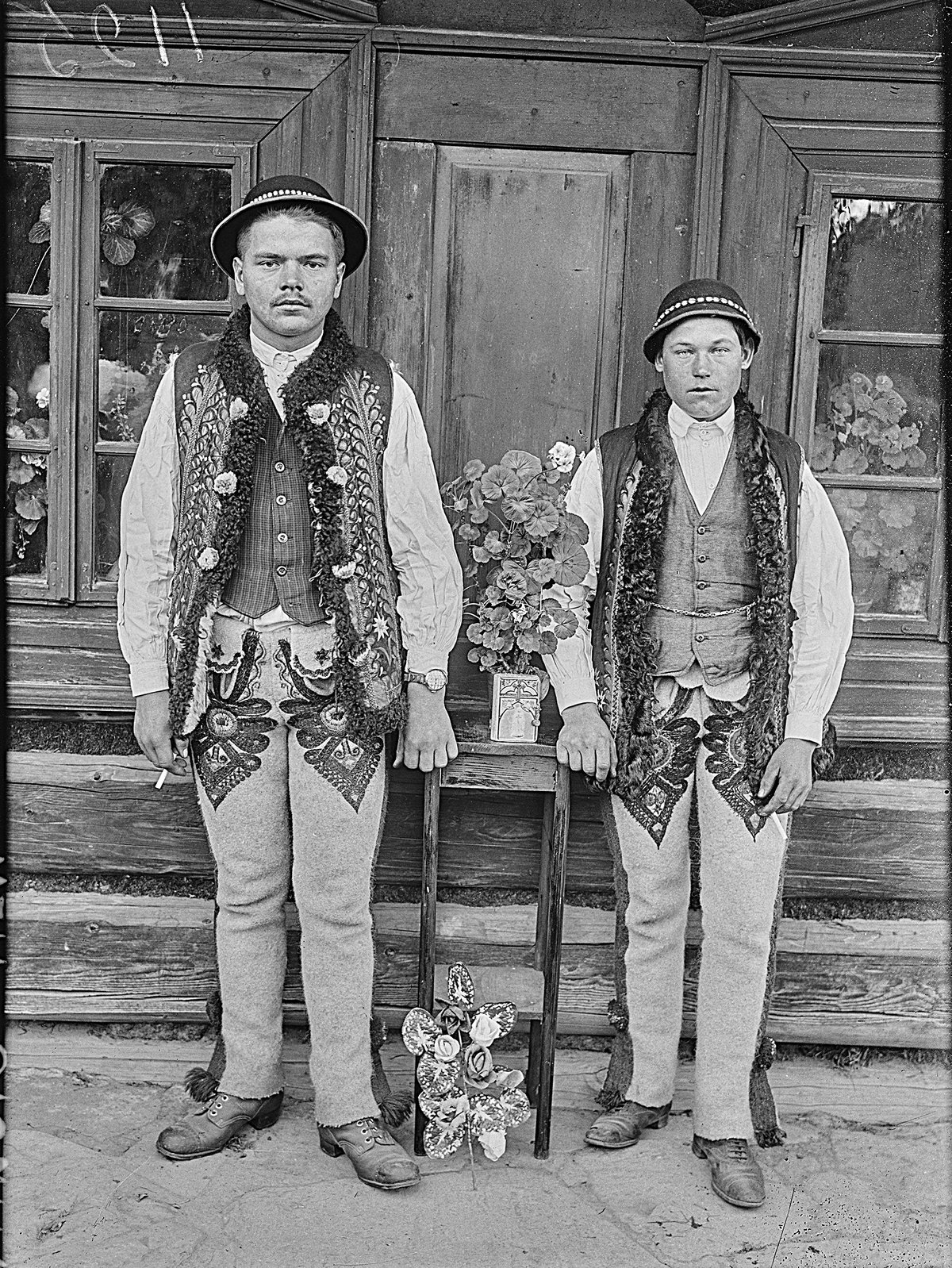
- Traditional Costumes Displays of regionally distinctive folk costumes, beadwork, and headpieces.
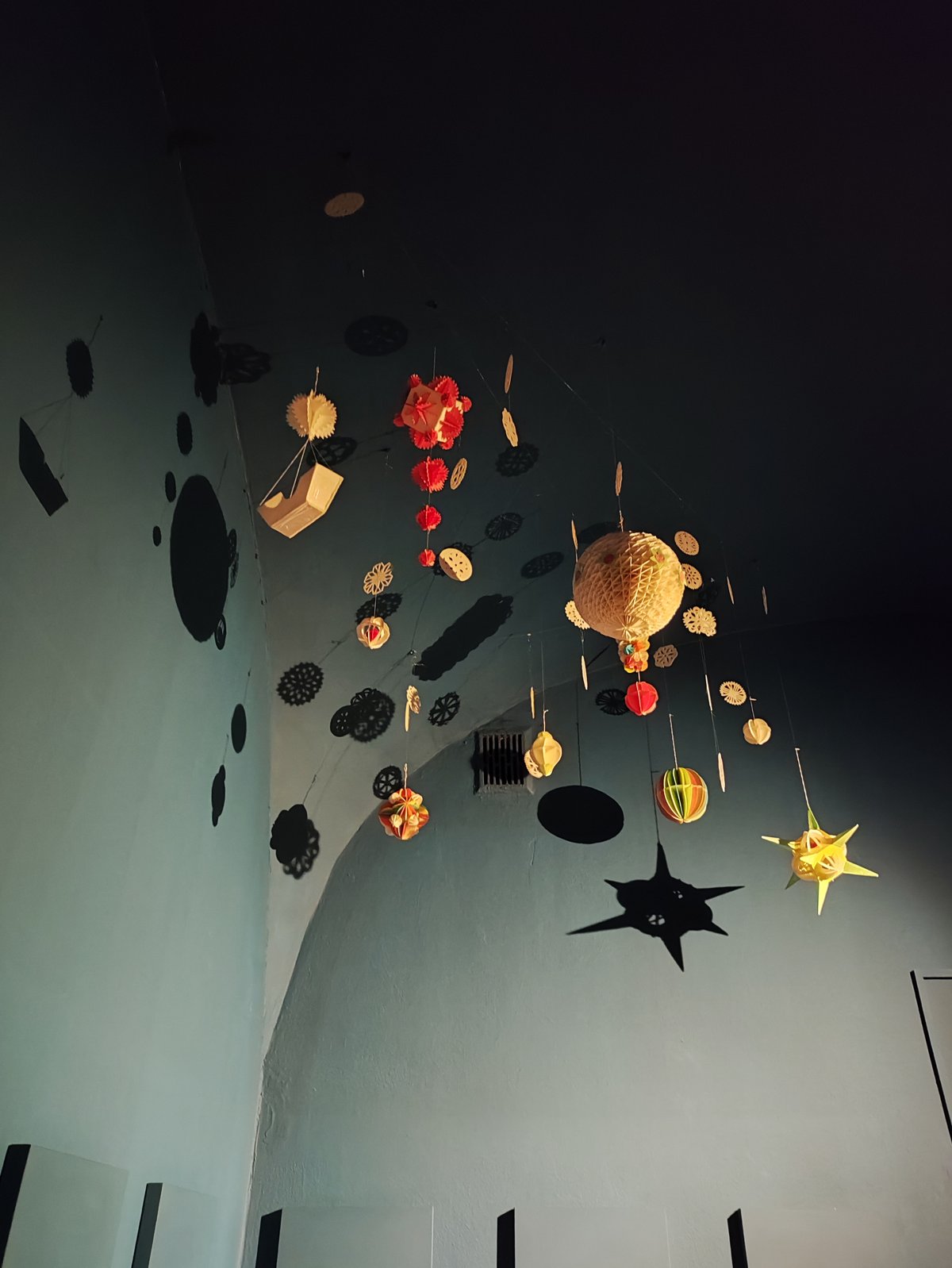
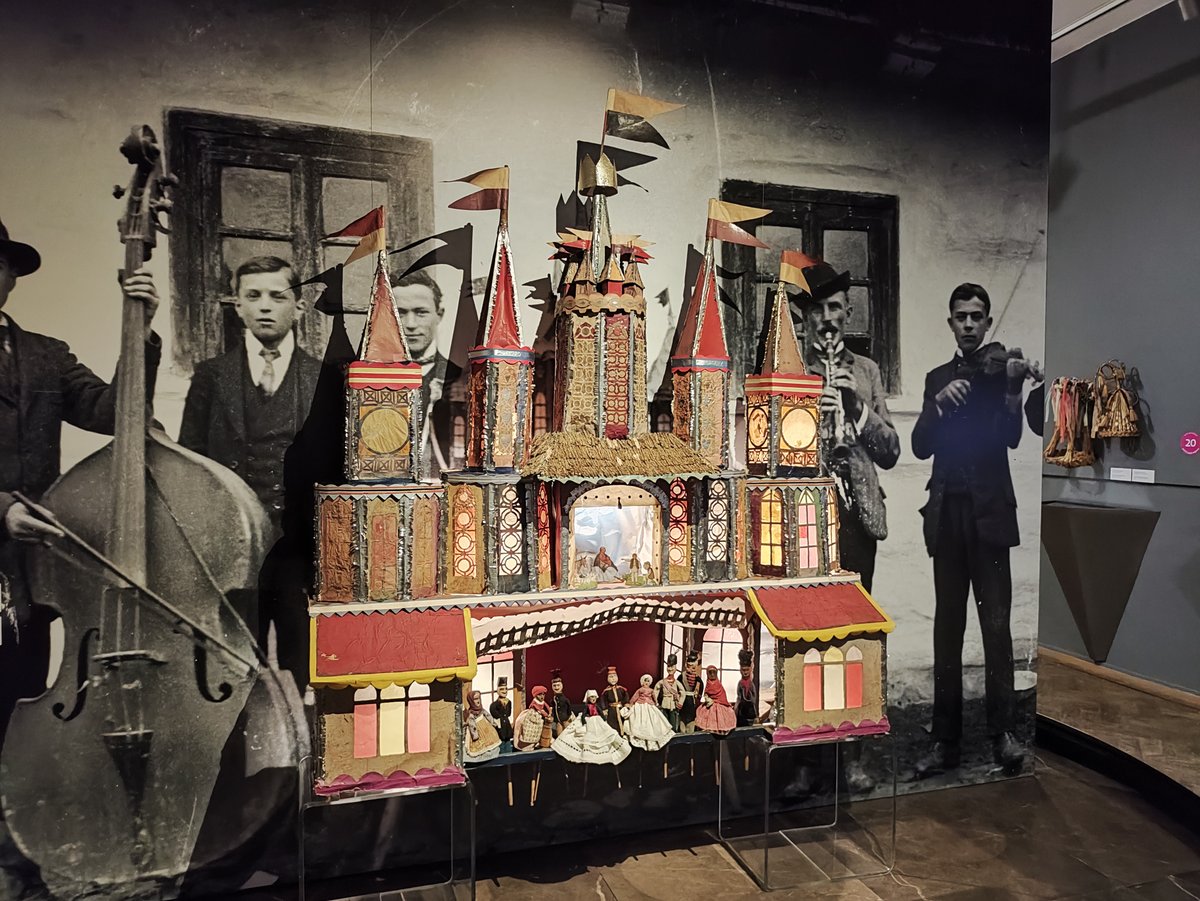
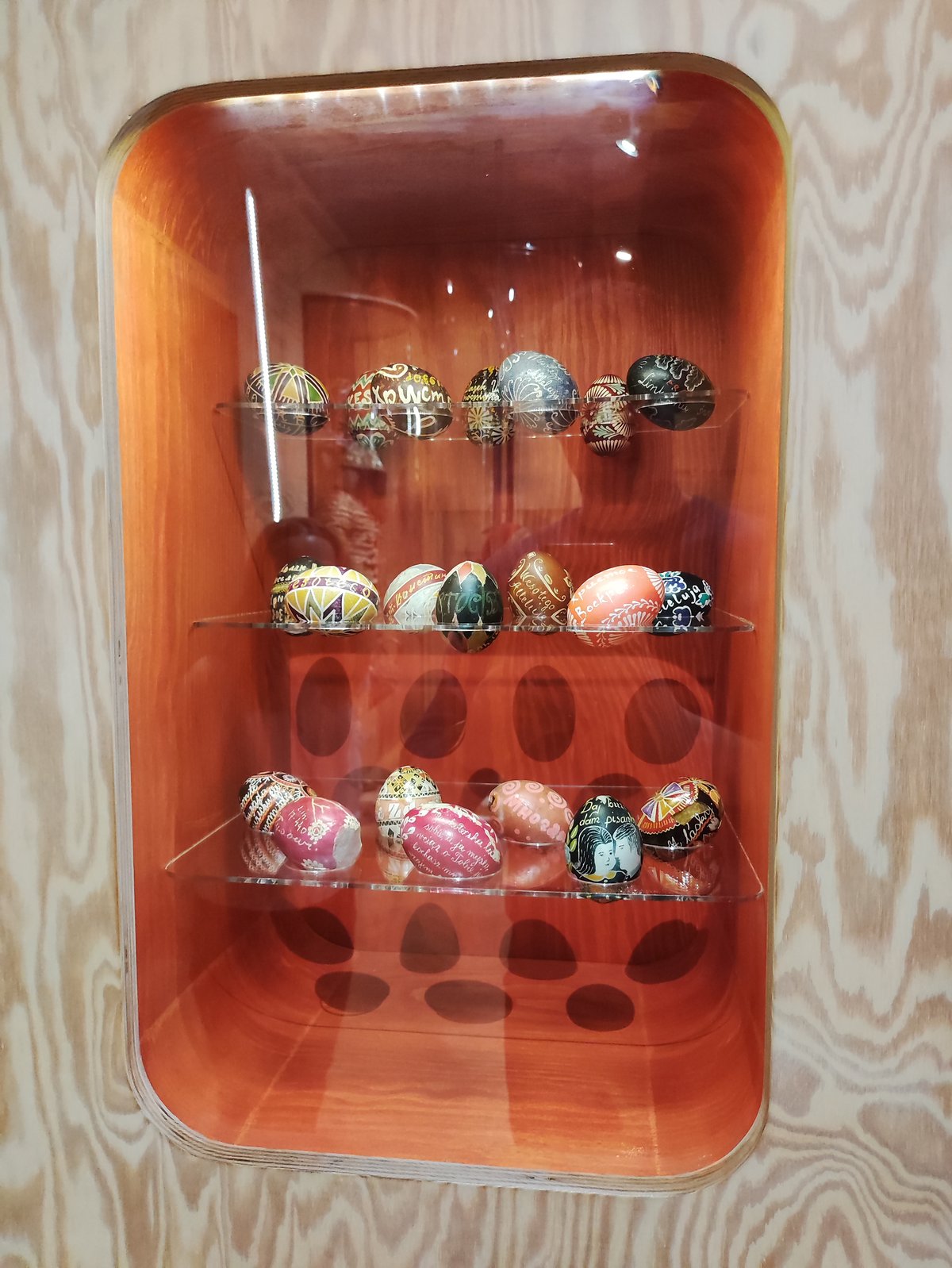
- Festive Artifacts Pisanki (painted Easter eggs), szopki (Kraków nativity scenes), straw effigies, and ritual masks, illustrating local celebrations and customs (Lonely Planet).
- Craftsmanship Hand-carved toys, spinning wheels, and musical instruments like fiddles and bagpipes.
- Religious and Ritual Objects Icons and items reflecting the blend of pagan and Christian traditions.
Temporary Exhibitions and Research
Rotating exhibitions explore contemporary folk art, regional crafts, and evolving rural customs, often featuring interactive workshops and artisan demonstrations. The museum also runs research projects on cultural change and heritage, collaborating with universities and local communities (KrakowTop, Ethnographic Museum Kraków).
Visitor Information
Location and Access
- Address Plac Wolnica 1, Kazimierz district, Kraków
- Getting There Easily accessible by tram (lines 3, 8, 18 to "Pl. Wolnica") and bus (lines 174, 184). The museum is a 15-minute walk from the Main Market Square (Kraków Travel Portal).
- Parking Limited on-site; public transport is recommended.
Visiting Hours
- Tuesday – Sunday 10:00 AM – 6:00 PM (last entry 30 minutes before closing)
- Monday Closed
- Public Holidays Check the official website for variations.
Ticket Prices
- Adults 15–18 PLN
- Students/Seniors 10 PLN
- Children under 7 Free
- Family Ticket 28 PLN
- Free Admission Tuesdays to the permanent exhibition
- Booking Tickets available on-site and, for select exhibitions, online (Ethnographic Museum Kraków).
Facilities
- Ticket office, museum shop, restrooms, and cloakroom
- Audio guides in multiple languages
- Educational workshops and guided tours (advance booking recommended for groups)
Accessibility
The museum is committed to inclusivity:
- Physical Access Ramps and elevators available; some historic areas may have limited access.
- Information Exhibits labeled in Polish and English; staff provide assistance in English.
- Special Needs Polish Sign Language support and tailored workshops for visitors with disabilities (Museum Accessibility).
Nearby Attractions
Combine your museum visit with a tour of Kraków’s renowned cultural sites:
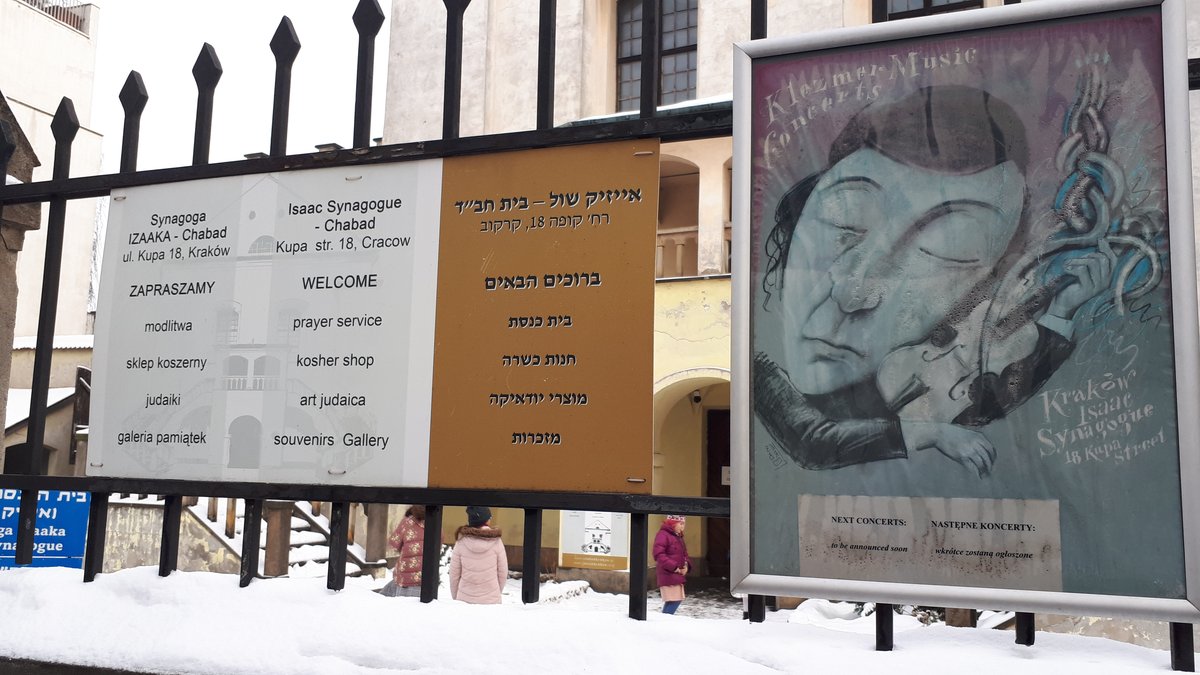
- Kazimierz Jewish District Vibrant cafes and galleries in a historic neighborhood.
- Wawel Castle The royal residence and a symbol of Polish heritage.
- Main Market Square Home to the Cloth Hall and St. Mary’s Basilica.
- Other Museums Schindler’s Factory Museum, Museum of Municipal Engineering.
Visitor Engagement and Events
- Interactive Displays Hands-on exhibits, costume try-ons, and craft activities.
- Workshops Pisanki decoration, straw weaving, folk dance, and song sessions.
- Special Events Live artisan demonstrations during holidays, musical performances, and Kraków’s Night of Museums.
- Guided Tours Thematic tours on wedding customs, harvest festivals, and folk art symbolism.
Travel Tips
- Plan Ahead Check for special events, school group visits, or holiday closures.
- Quiet Hours Wednesdays (3:00–6:00 PM) are ideal for a tranquil experience.
- Photography Allowed without flash; confirm policies for special exhibitions.
- Digital Resources Use QR codes for multimedia content and explore the digital catalogue online (Ethnographic Museum Kraków).
- COVID-19 Protocols Follow current health guidelines; mask-wearing and limited capacity may apply.
FAQs
Q: What are the museum’s visiting hours?
A: Tuesday to Sunday, 10:00 AM to 6:00 PM; closed Mondays.
Q: How much are tickets?
A: Standard adult tickets are 15–18 PLN; discounts available for students, seniors, and families. Children under 7 enter free.
Q: Is the museum accessible to wheelchair users?
A: Most areas are accessible; contact the museum for details on specific requirements.
Q: Are guided tours available?
A: Yes, in Polish and English. Book in advance for group tours.
Q: Can I buy tickets online?
A: Yes, for some exhibitions and events; otherwise, purchase at the ticket office.
Q: Are there nearby attractions?
A: Yes, including Kazimierz, Wawel Castle, and the Main Market Square.
Visuals and Media
- Official website gallery: High-quality images of exhibits and interiors
- Virtual tours and downloadable maps for advance planning
- Multimedia content and videos accessible via QR codes in the galleries
Related Articles
- Top Historical Sites to Visit in Kraków
- Guide to Kraków’s Kazimierz District
- Traditional Polish Folk Art: A Cultural Overview