
Understanding the Stolpersteine Project
Origins and Development:
The Stolpersteine project began in 1992 when German artist Gunter Demnig installed the first brass plaque in front of Cologne’s town hall. The project transformed remembrance by decentralizing it—placing individual memorials in public sidewalks at the last known voluntary residences of Nazi victims. Over 100,000 Stolpersteine have been installed across Europe, making this the world’s largest decentralized Holocaust memorial (pragueviews.com).
Philosophy:
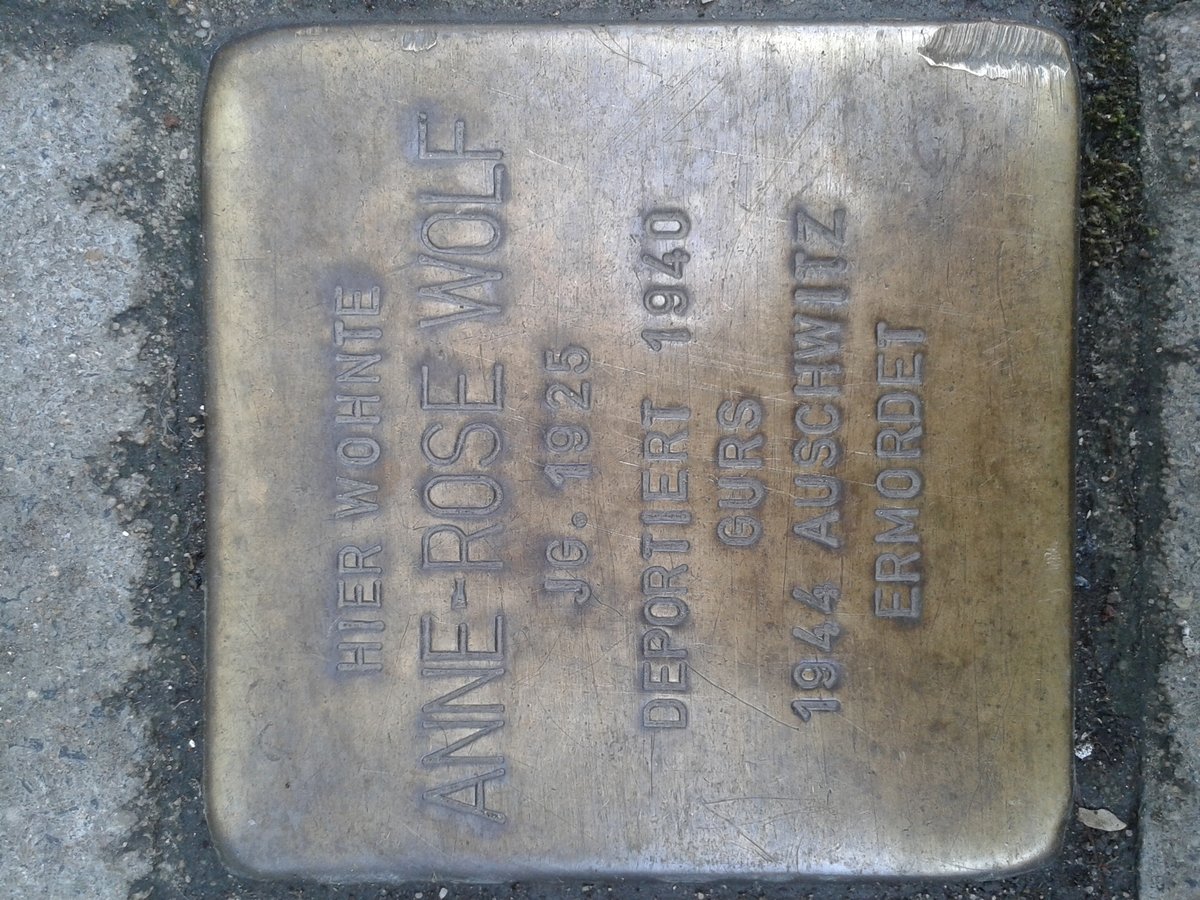
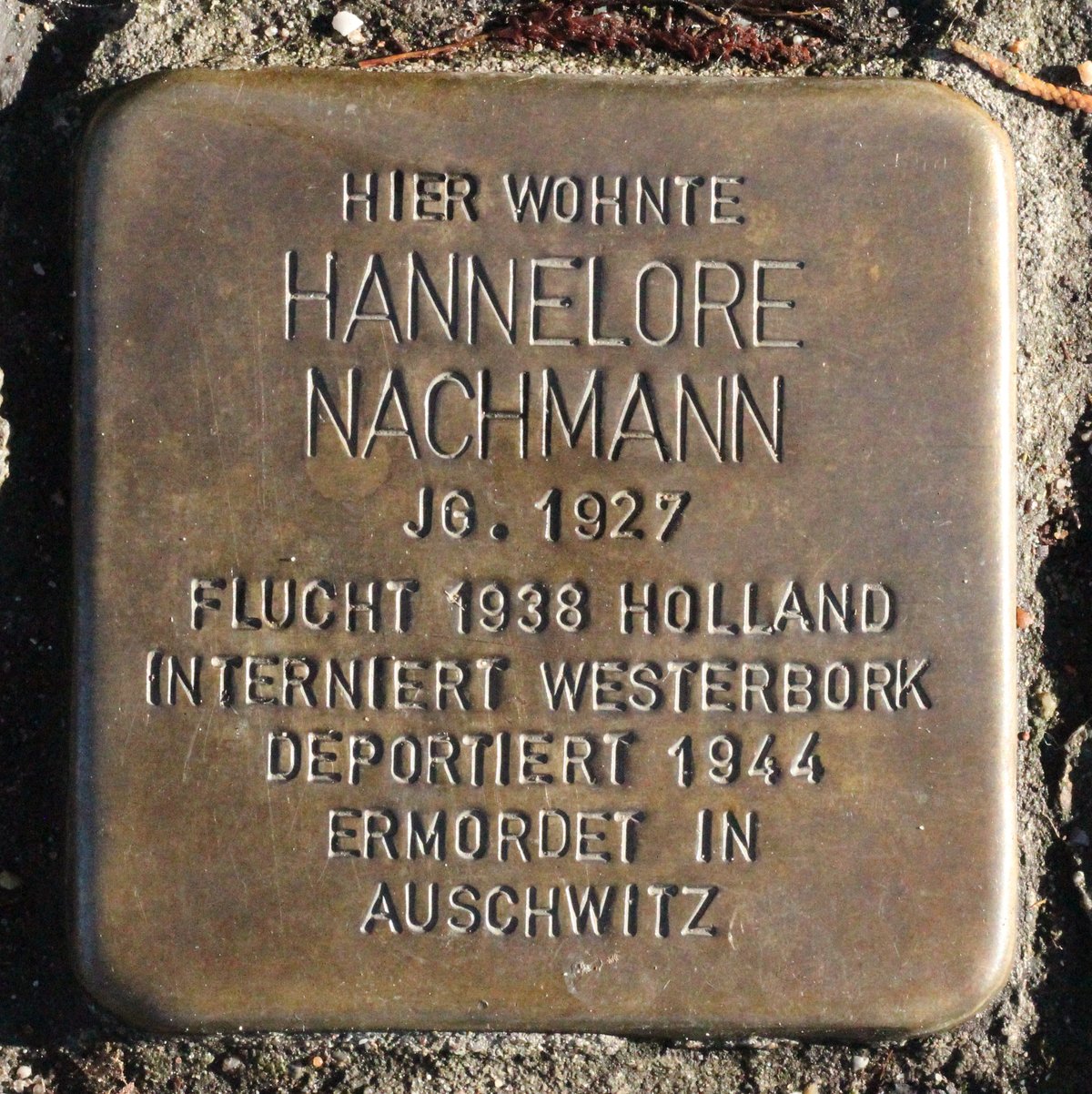
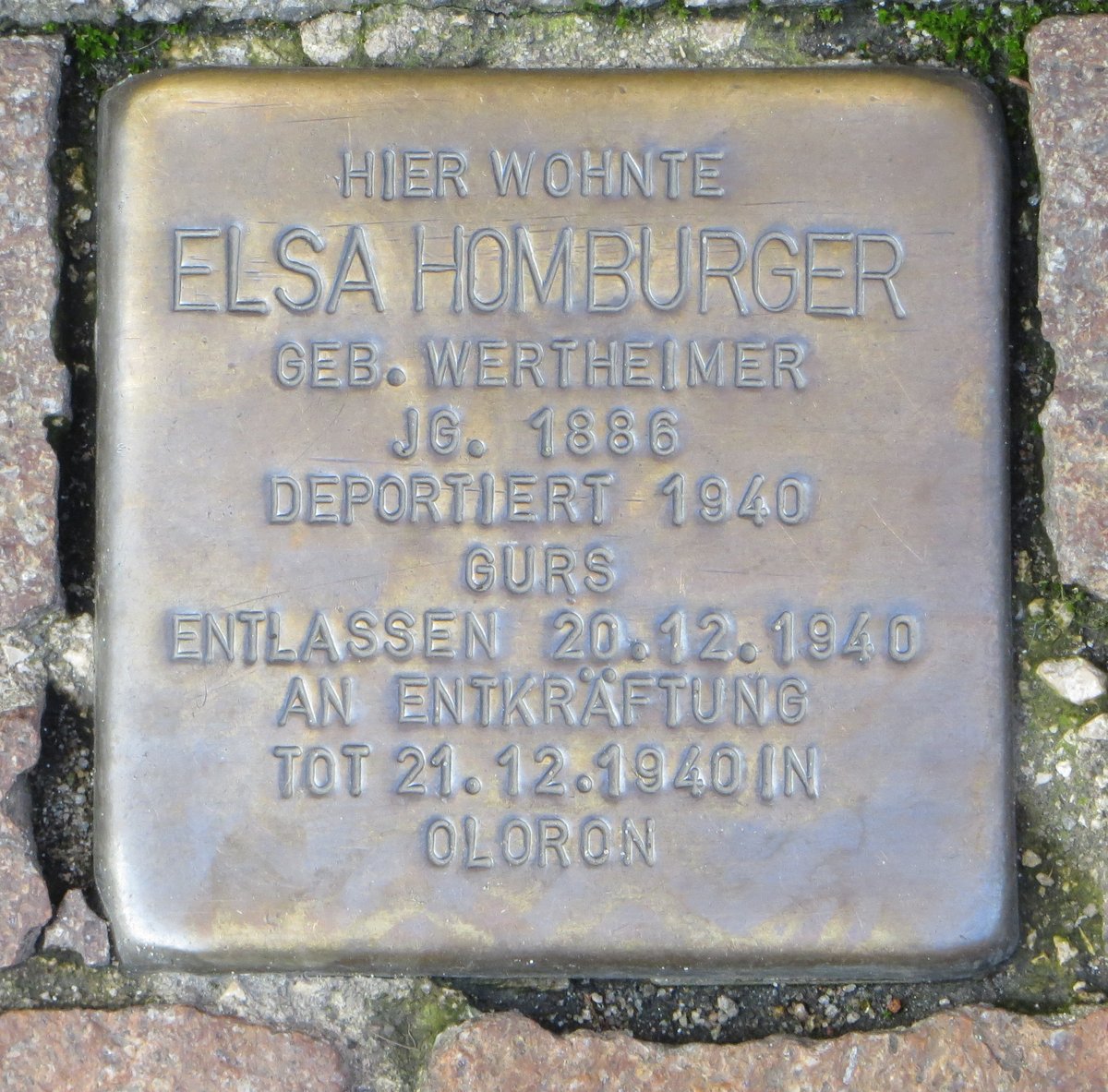
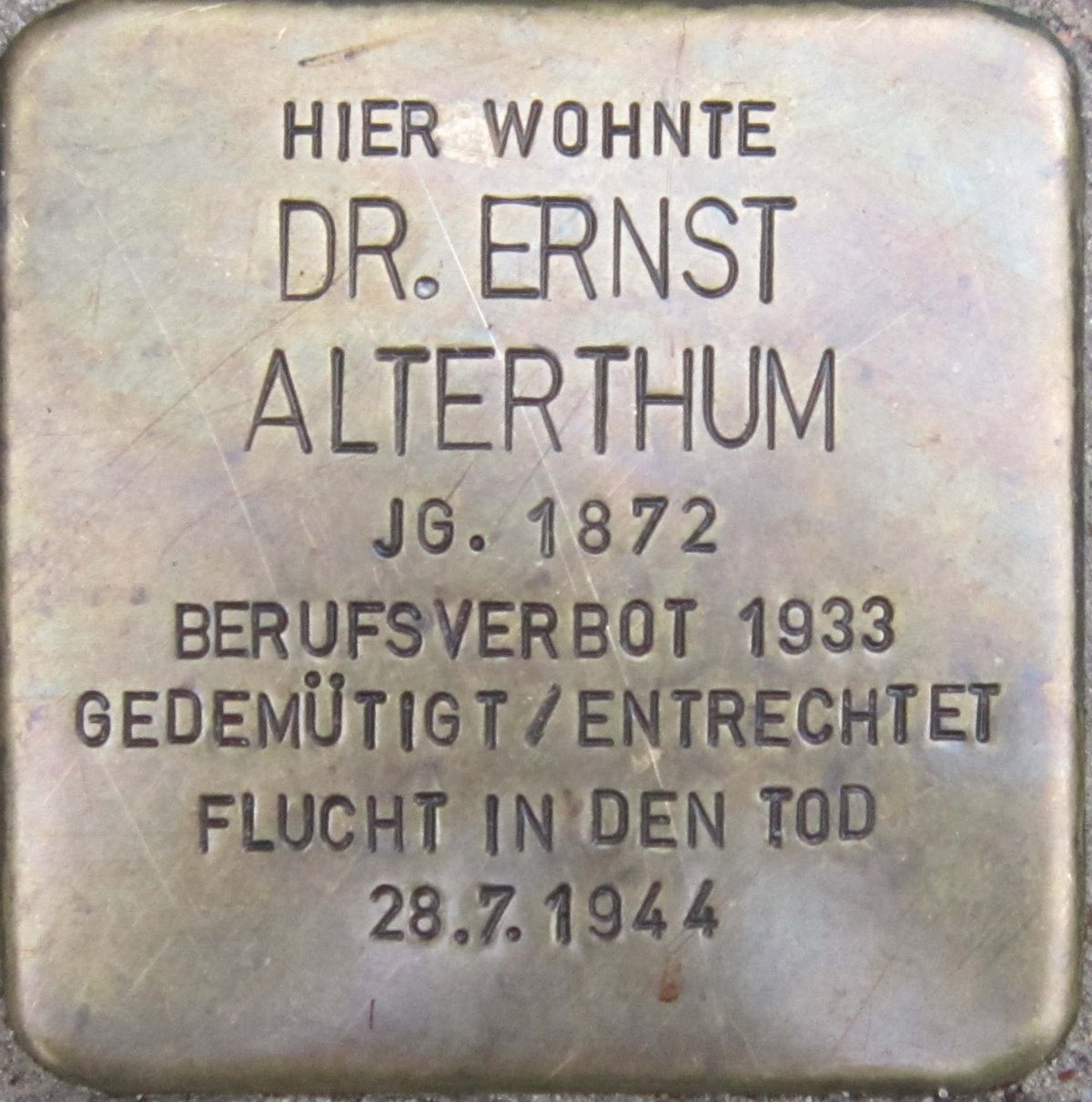
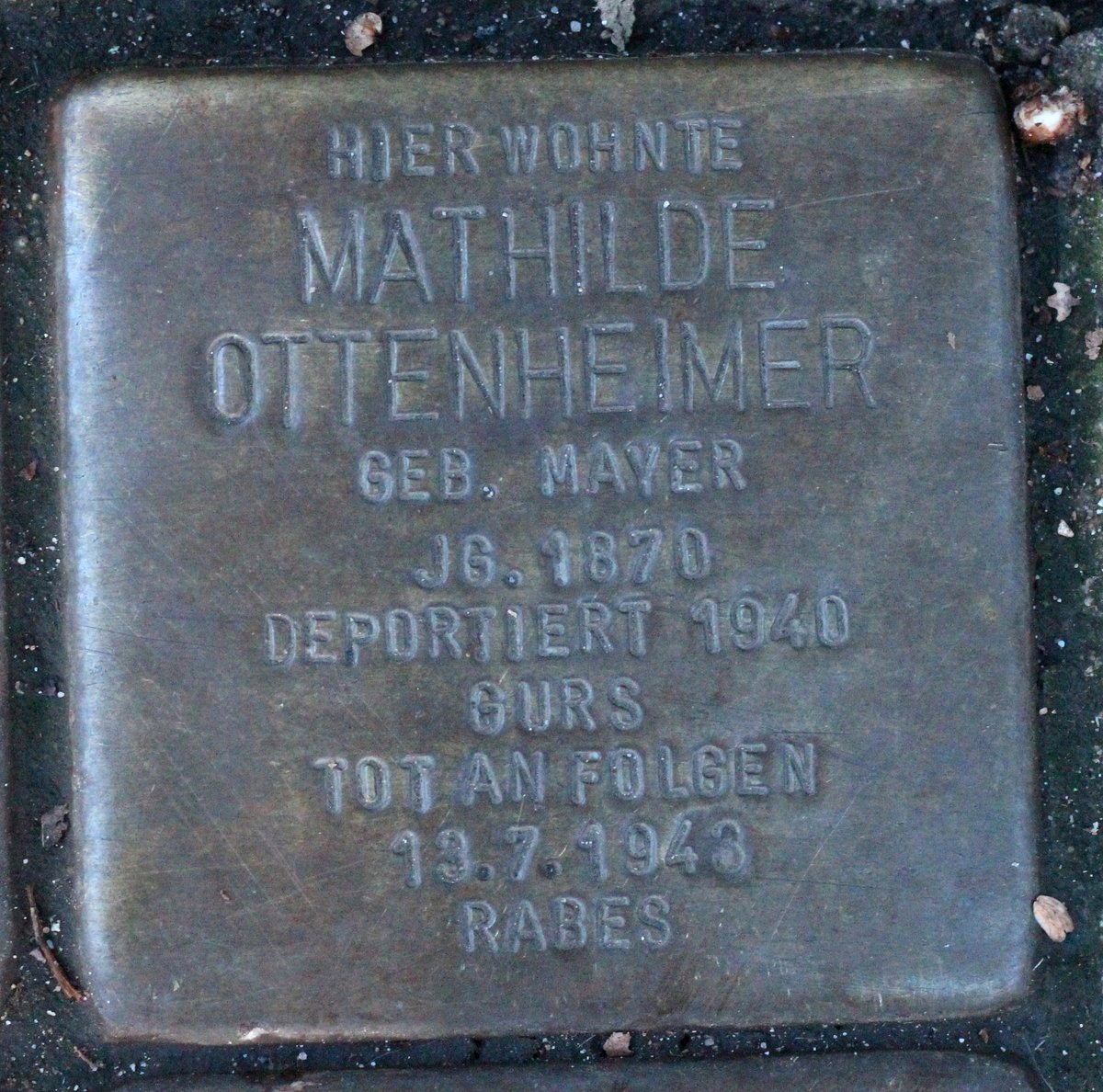
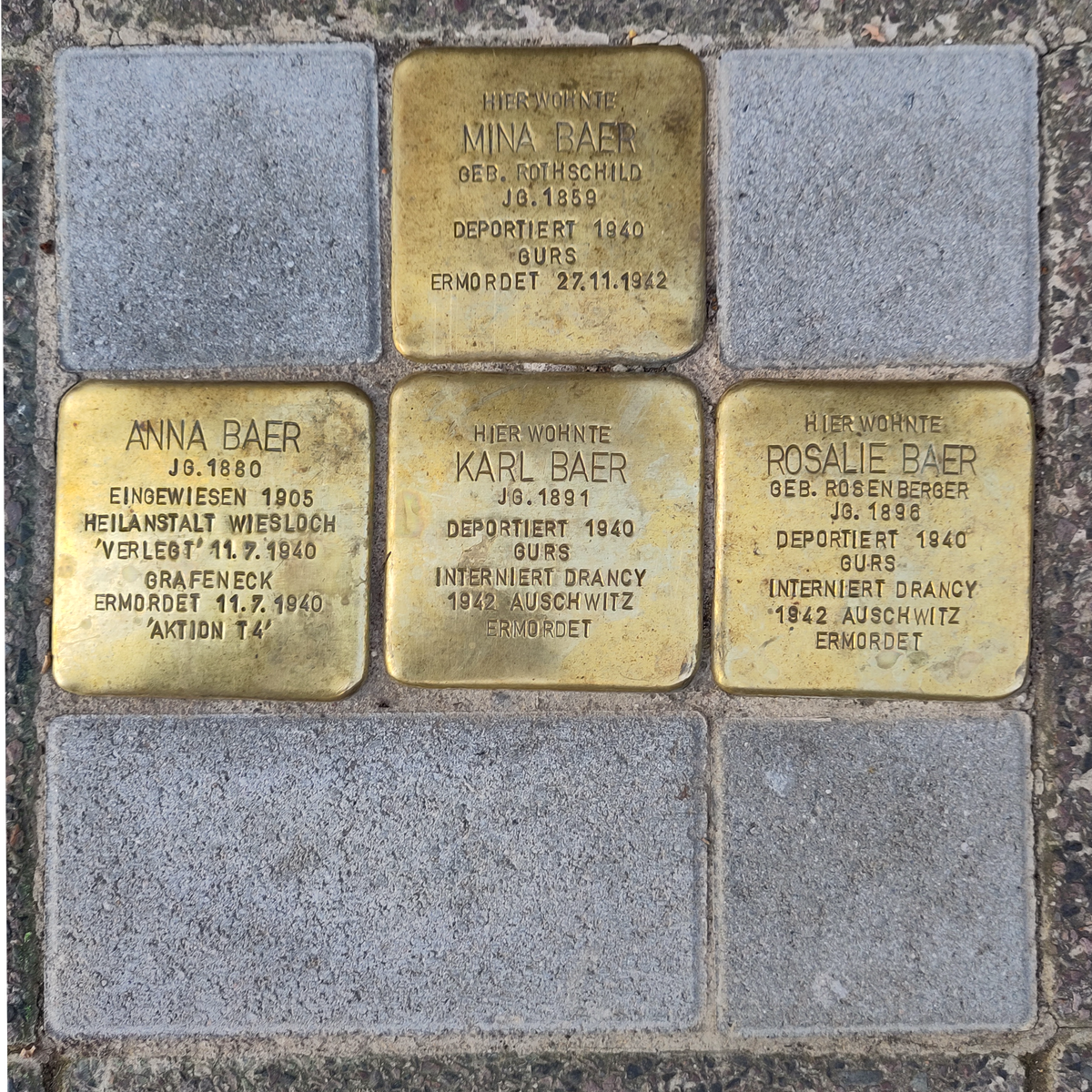
The term "Stolperstein" is metaphorical. These stones are designed not to physically trip pedestrians, but to prompt them to “stumble” in thought and pause for reflection. Each 10 x 10 cm brass plaque is engraved with the victim’s name, birth date, fate, and (where known) place and date of death. Reading a Stolperstein often requires bowing one’s head, symbolizing respect and remembrance (folklife.si.edu).
Purpose and Inclusivity
While initially focused on Jewish victims, the Stolpersteine project commemorates all individuals persecuted by the Nazis: Sinti and Roma, Black Germans, Jehovah’s Witnesses, LGBTQ+ people, people with disabilities, and political dissidents. This inclusivity ensures the memorialization of the full spectrum of Nazi oppression (folklife.si.edu).
Creation and Installation Process
Each Stolperstein is handcrafted in Berlin, ensuring accuracy and a tangible personal connection. Installation ceremonies often involve relatives, residents, and community leaders, combining remembrance with education. The cost of sponsoring a Stolperstein is generally €120, and the ongoing care is frequently assumed by the building's current occupants (pragueviews.com).
Stolpersteine in Karlsruhe: Navigating the Memorial Landscape
Karlsruhe has embedded nearly 300 Stolpersteine since 2005, transforming ordinary streets into places of memory (Stolpersteine Karlsruhe). These stones are publicly accessible and free to visit at any time. Maps and digital guides—such as the Stolpersteine Karlsruhe app—help visitors locate individual Stolpersteine and learn about the people they commemorate.
Accessibility:
The Stolpersteine are found on level pavements throughout the city and are accessible to wheelchairs and strollers. Visitors should check weather conditions, as the memorials are outdoors.
Nearby Attractions:
Stolpersteine are often located near significant sites such as the Badisches Staatstheater, Karlsruhe Palace, and the Jewish Museum. Walking tours often combine these memorials for a broader historical perspective.
Lilly Jankelowitz: Life, Persecution, and Remembrance
Biography:
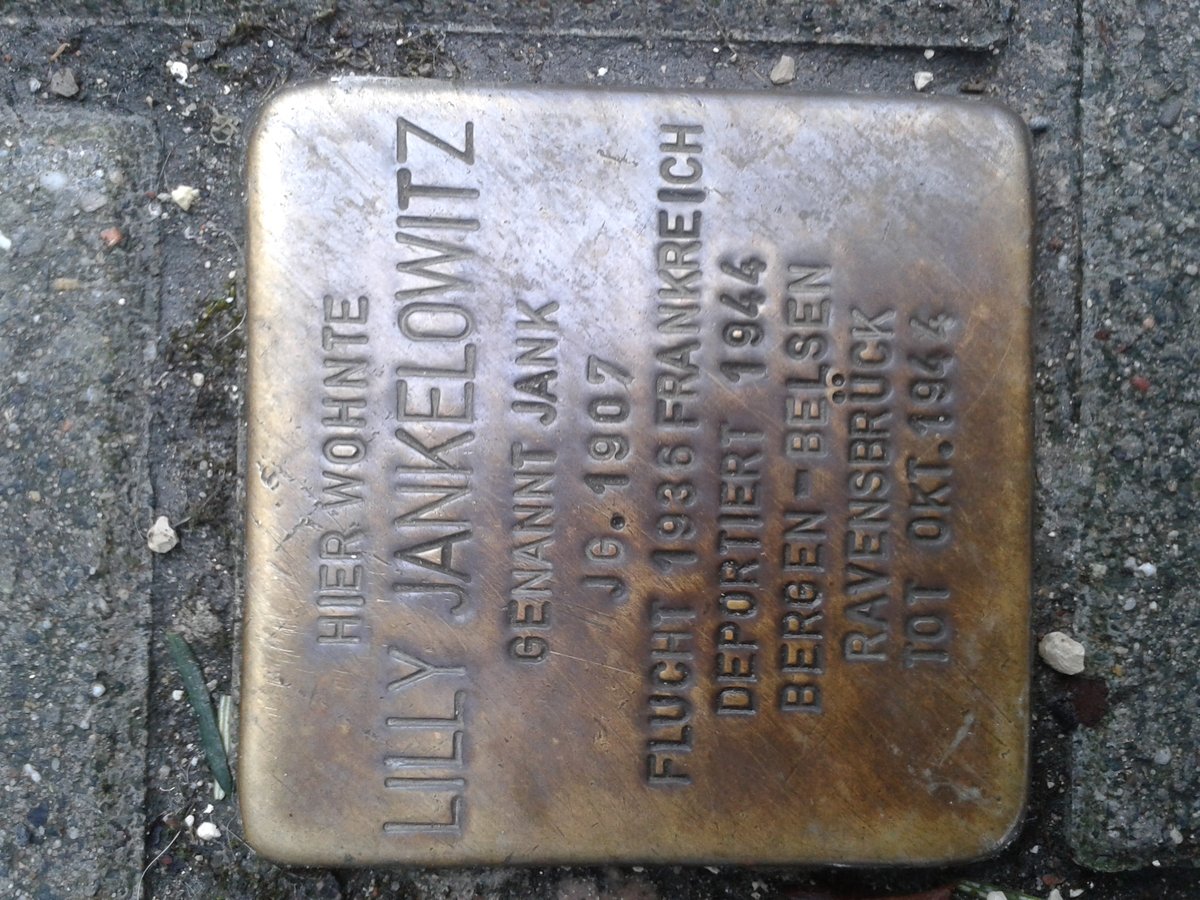
Lilly Jankelowitz, also known professionally as Lilly Jank, was a celebrated Jewish soprano and actress at the Badisches Landestheater. Her promising career ended when she was forced to flee Karlsruhe for Strasbourg in March 1936 due to escalating Nazi persecution (Stadtwiki Karlsruhe). She lived at Stephanienstraße 59, which is now the site of her Stolperstein.
Memorialization:
Installed on March 19, 2008, Lilly’s Stolperstein is part of Karlsruhe’s broader effort to honor Jewish citizens and other Nazi victims. It serves as a daily reminder of her life, the dangers of intolerance, and the resilience of cultural identity in the face of oppression.
Visiting the Stolperstein for Lilly Jankelowitz
Location:
- Address Stephanienstraße 59, Innenstadt-West, Karlsruhe
- Getting There Easily accessible by tram and bus (stops “Kongresszentrum” and “Europaplatz” are a short walk away). Street parking and garages are available nearby.
Accessibility and Hours:
- The memorial is embedded in the sidewalk, barrier-free and accessible 24/7, year-round.
- No admission or tickets are required.
Best Time to Visit:
- Any time, though early mornings and late afternoons on weekdays are quieter for reflection.
Combining Visits:
- The Stolperstein is close to other memorials, the Badisches Staatstheater, and the city center, making it easy to combine with other cultural and historical sites (Stolpersteine Karlsruhe Map).
Guided Tours and Events:
- Local organizations offer Stolpersteine walks, especially on Holocaust Remembrance Day (January 27) and during special city events (Förderverein Karlsruher Stadtgeschichte e.V.).
Visitor Etiquette and Cultural Context
- Reflection Pause, read the inscription, and reflect on Lilly’s story and the broader context of Nazi persecution.
- Traditions Placing a small stone or flower is a respectful Jewish custom to honor the memory.
- Respect Try not to stand directly on the plaque; however, walking over it is accepted as part of everyday life.
- Photography Allowed, but should be discreet and respectful of residents and other visitors.
- Community Involvement Participate in cleaning events or gently polish the stone yourself with a soft cloth (BNN Karlsruhe).
Frequently Asked Questions (FAQ)
What are Stolpersteine?
Small brass plaques embedded in sidewalks to commemorate victims of Nazi persecution at their last freely chosen residence.
Are there visiting hours or tickets?
No. Stolpersteine are public memorials accessible 24/7 at no cost.
Is the Stolperstein wheelchair accessible?
Yes; the pavement is level and suitable for wheelchairs and strollers.
Can I take photographs?
Yes, as long as it is done respectfully.
Are guided tours available?
Yes. Local organizations offer guided walks, especially on Holocaust Remembrance Day and during special events.
What is the best time to visit?
Quieter periods are early mornings or late afternoons on weekdays.
Summary and Final Tips
The Stolperstein for Lilly Jankelowitz in Karlsruhe is a profound reminder of the enduring relevance of personal histories amidst the broader narrative of the Holocaust. By visiting, reflecting, and engaging with the memorial, you help preserve the memory of individuals like Lilly and support the values of tolerance and remembrance. Utilize digital resources, participate in remembrance activities, and consider combining your visit with other historical sites in Karlsruhe for a richer experience (pragueviews.com; ka.stadtwiki.net; Stolpersteine.eu).