
Origins and Purpose of the Stolpersteine Project
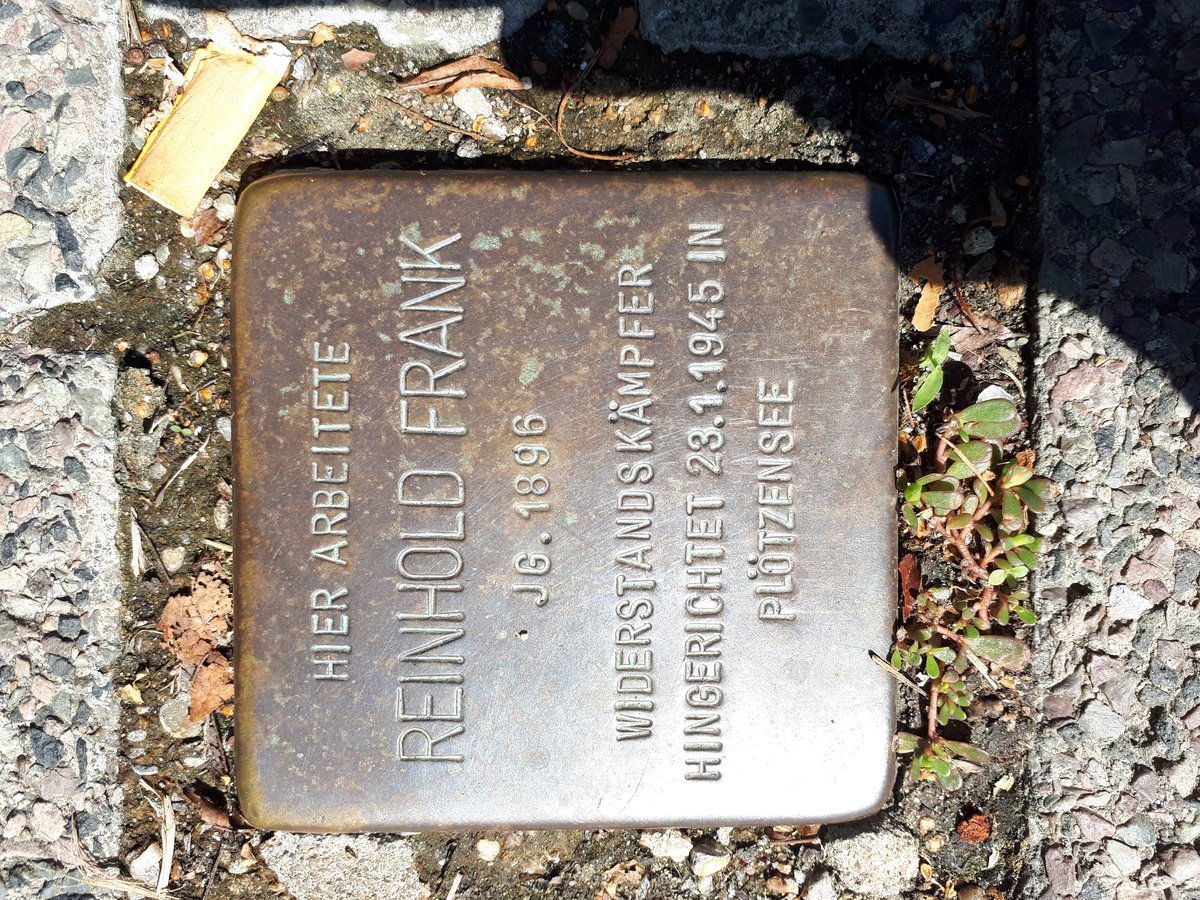
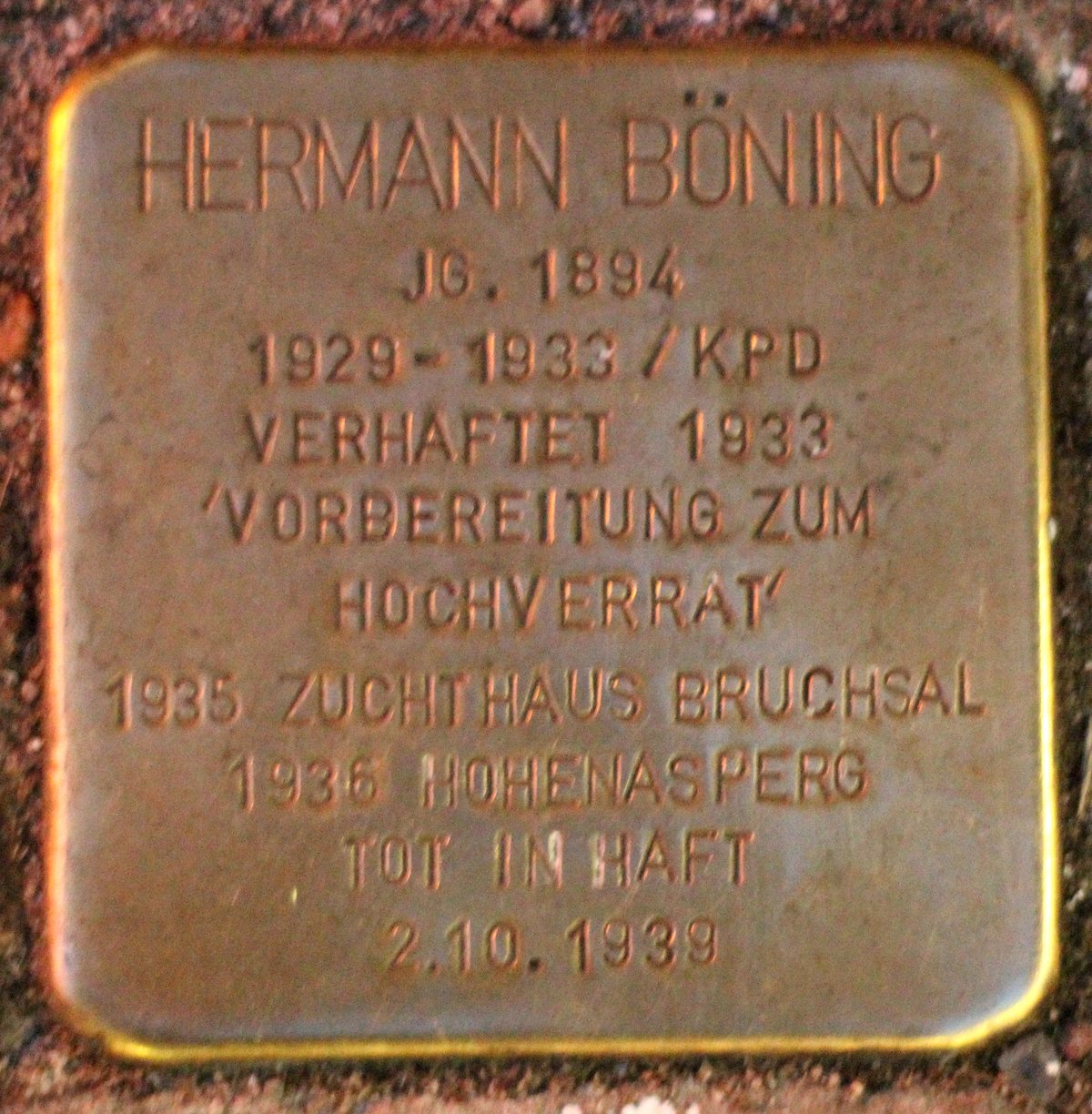
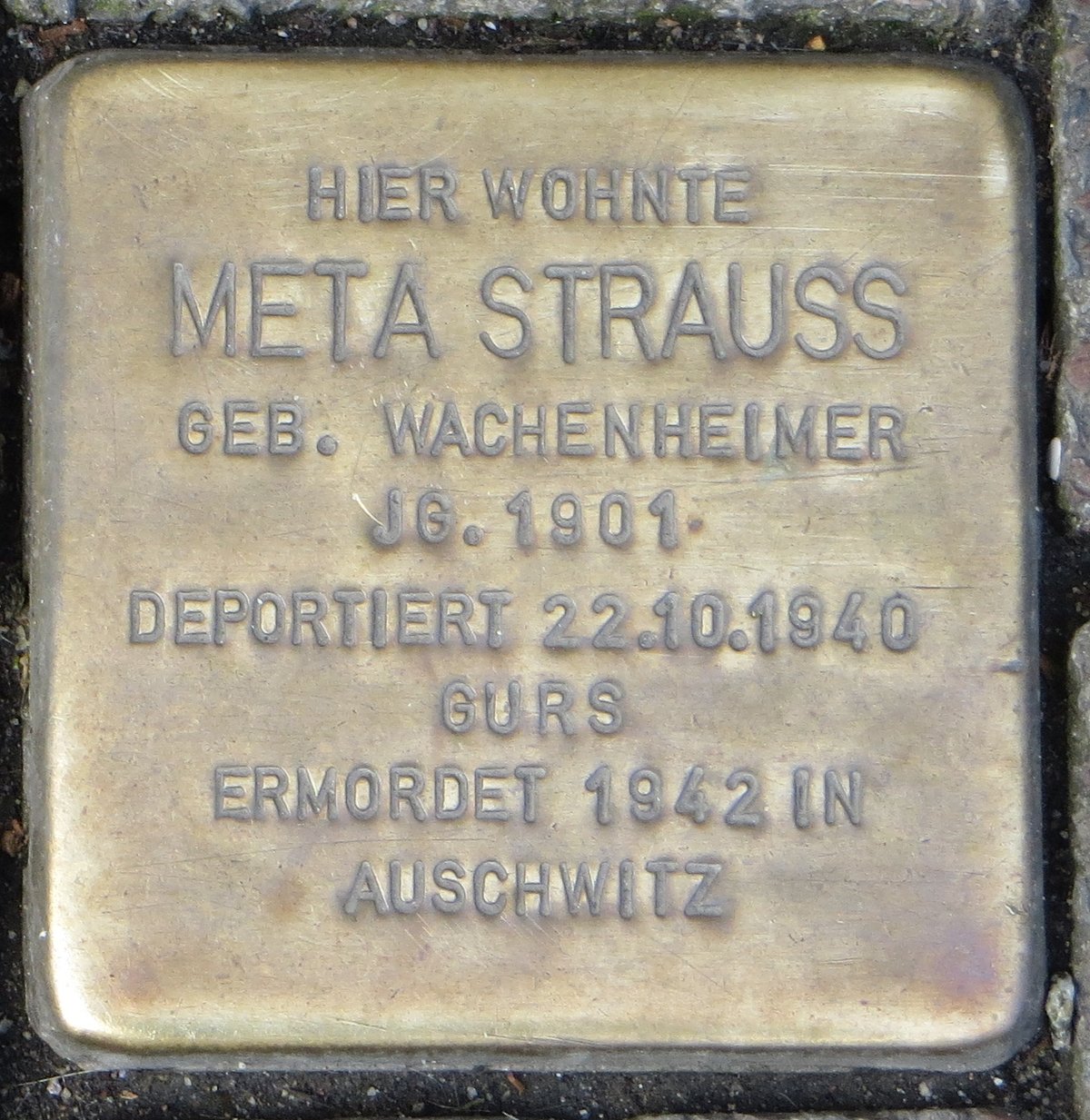
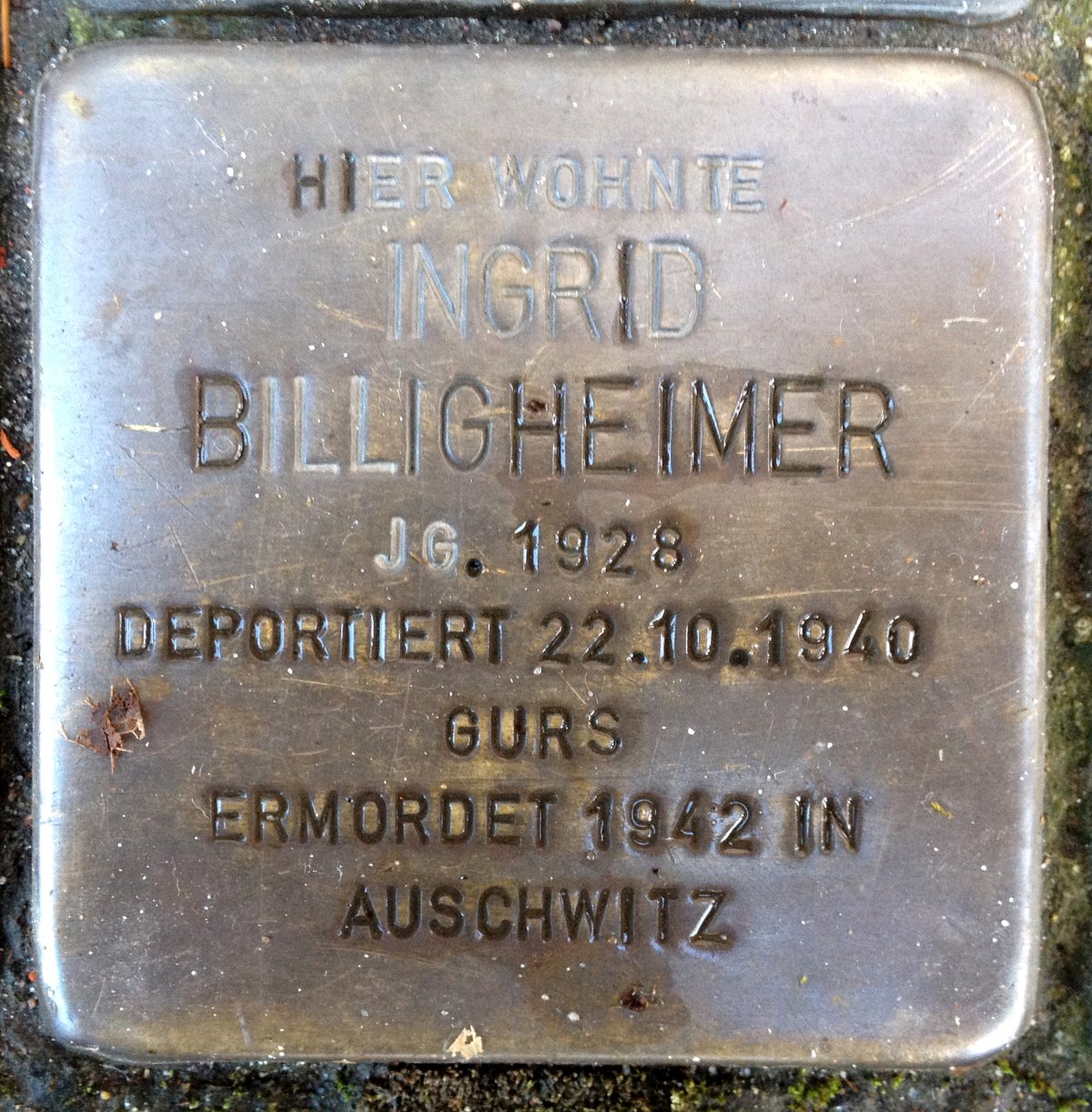
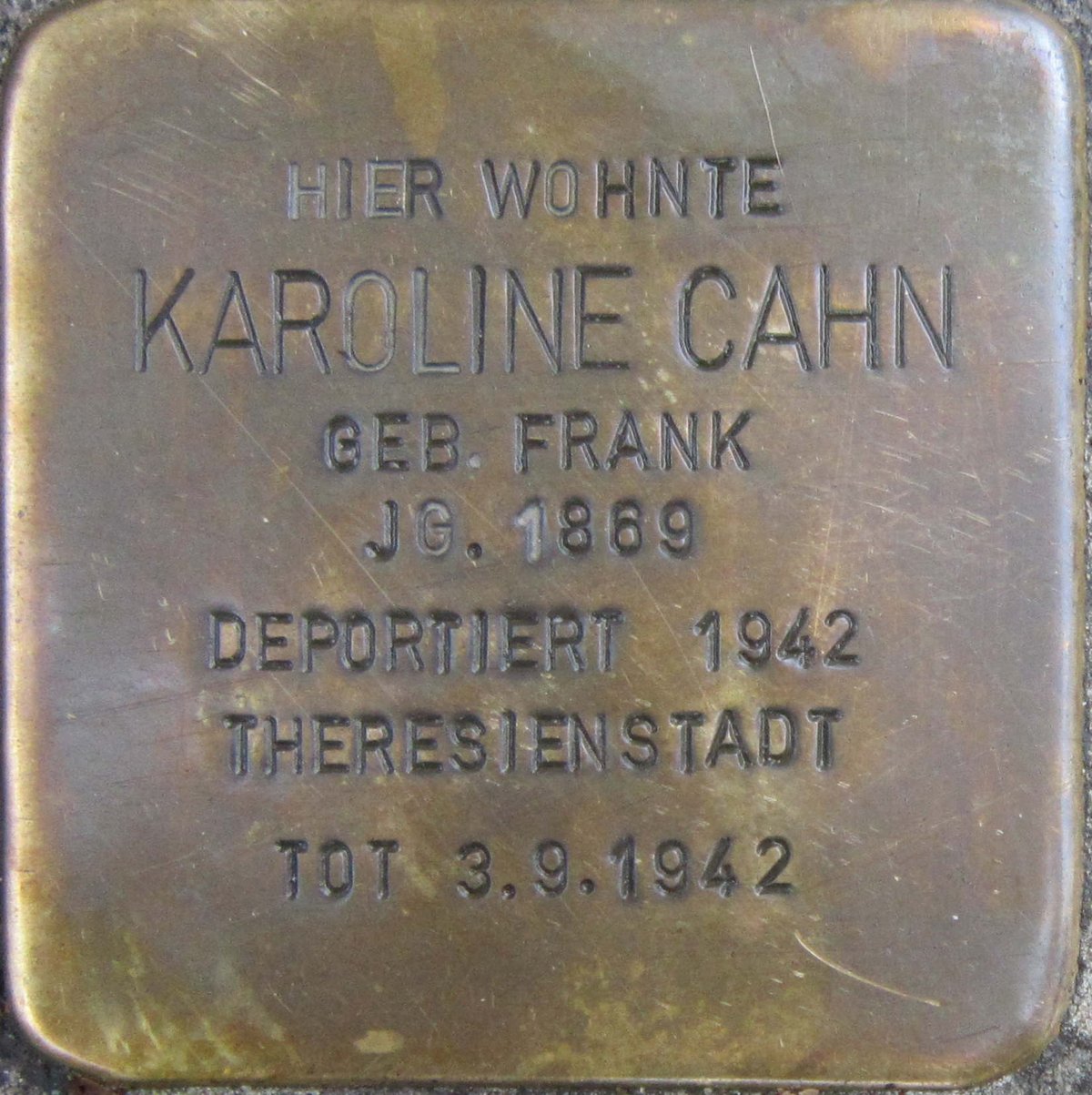
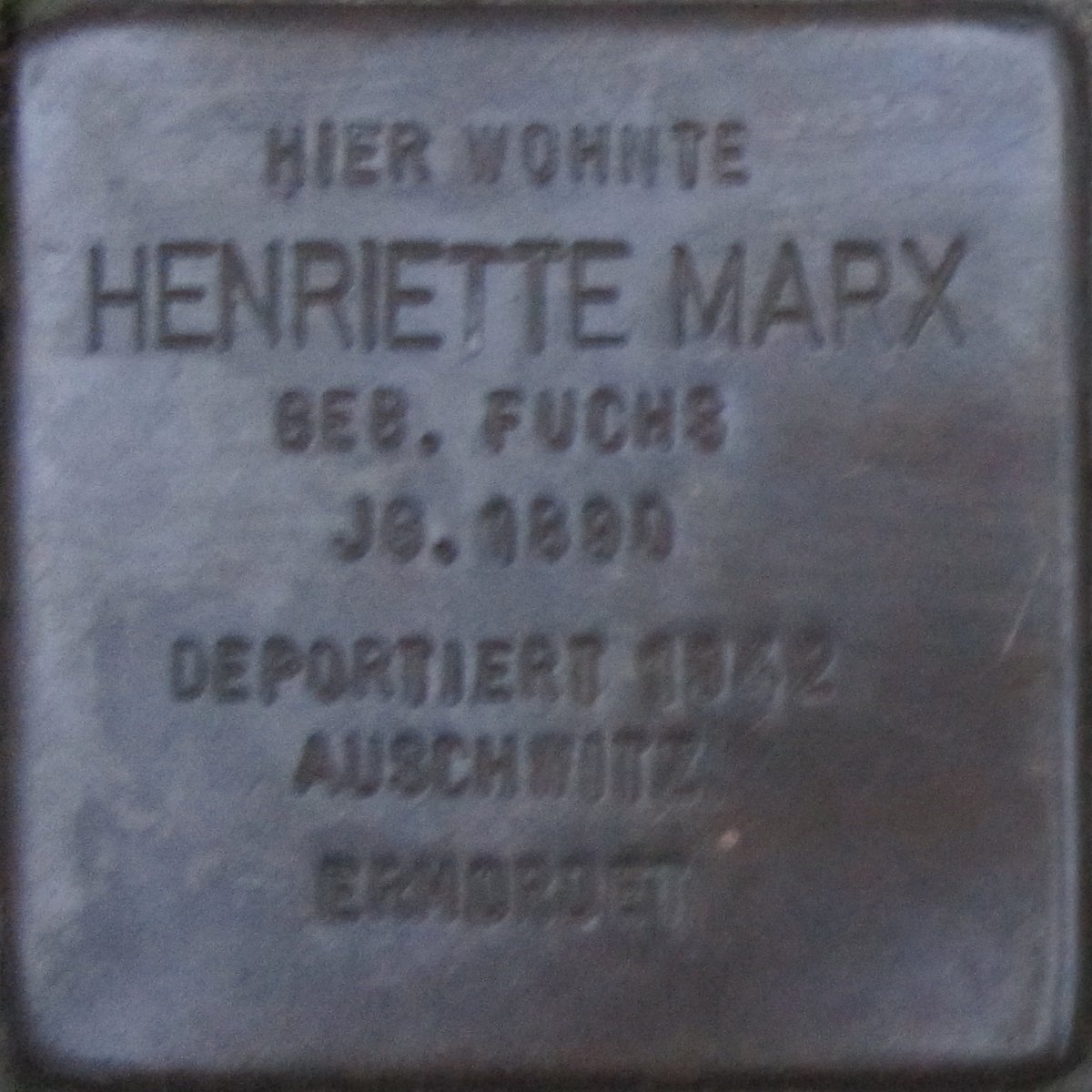
The Stolpersteine project, launched by Gunter Demnig in 1992, is the world’s largest decentralized memorial to victims of National Socialism. Each Stolperstein is a 10 x 10 cm brass plaque set in concrete, inscribed with the victim’s name, date of birth, fate, and, where known, place and date of death. These stones are placed in front of the last freely chosen residences of those who suffered persecution—Jews, Sinti and Roma, political prisoners, and others (Stolpersteine.eu).
The philosophy behind the project is to “restore names, faces, and a place in the heart of society” to people who were systematically dehumanized and erased by the Nazi regime. By situating these memorials at street level, Stolpersteine invite daily encounters with history and remembrance.
Stolpersteine in Karlsruhe: Historical Context
Karlsruhe, with its vibrant Jewish community, suffered immense losses during the Nazi era. Stolpersteine in the city are typically found in residential neighborhoods, marking the last homes of those deported or murdered. These memorials are scattered throughout Karlsruhe, with over 200 stones currently installed, each telling a unique story of loss and resilience.
Visitors can access maps and guides through the Karlsruhe City Tourist Office or online platforms, making it easy to locate stones dedicated to individuals like Hannelore Nachmann.
Location and Accessibility
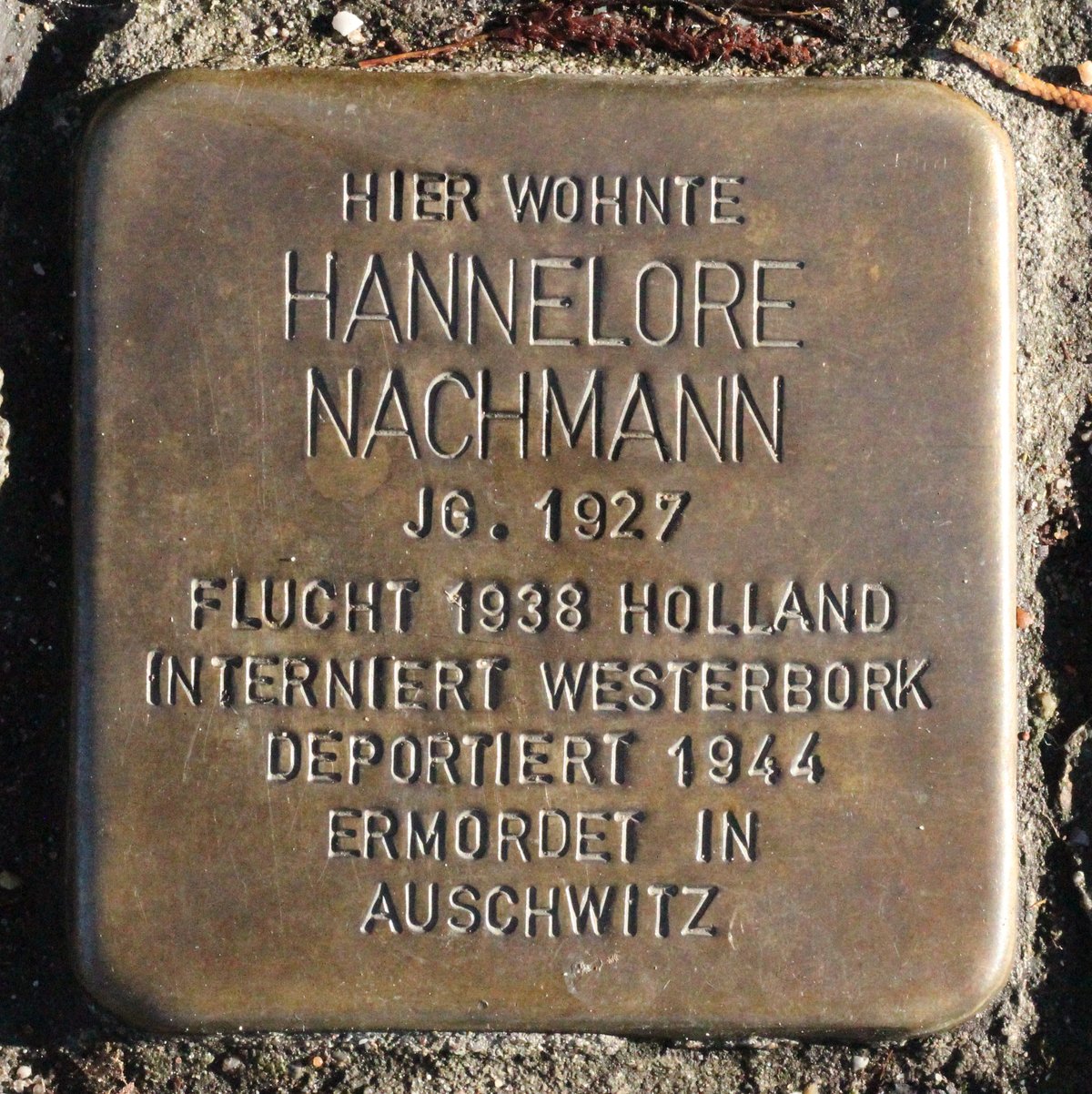
Stolperstein for Hannelore Nachmann
- Address Reinhold-Frank-Straße, Karlsruhe, Baden-Württemberg, Germany.
- How to Get There The site is accessible via public transportation—trams S1, S11, S2, S5, lines 1, 3, and 4, with the nearest stop at Karlsruhe Herrenstraße (Stadt Karlsruhe). Parking is available nearby, such as at Herrenstraße BBB, approximately 60 meters from the Stolperstein.
- Map and Listings See the Stolpersteine Karlsruhe map for precise locations.
The Stolperstein is embedded in the pavement in front of Hannelore Nachmann’s former residence, accessible at all times and designed to be encountered by passersby.
Visiting Hours, Tickets, and Etiquette
- Open Access The Stolperstein is located outdoors and can be visited 24/7, free of charge. There are no tickets or entrance fees.
- Best Time to Visit Daylight hours are recommended for readability and photography (Prague Views).
- How to Visit Respectfully
- Pause and reflect on the inscription.
- Photograph discreetly, without obstructing others.
- Join or observe cleaning events, using a soft cloth on commemorative occasions (BNN Karlsruhe).
- Leave small stones, flowers, or candles as a sign of remembrance.
Guided Tours and Community Involvement
Karlsruhe offers guided historical walking tours that include Stolpersteine, providing context about the lives commemorated and the city’s World War II history (Karlsruhe City Tours). Tours are suitable for individuals, families, and school groups.
Community events—such as cleaning days, ceremonies, and educational programs—are frequently organized by local historical societies, schools, and the Stolpersteine Foundation. Participation is encouraged and fosters a living culture of remembrance.
Nearby Historical Sites
While visiting Hannelore Nachmann’s Stolperstein, consider exploring:
- Karlsruhe Synagogue Memorial at Herrenstraße 14—site of the former synagogue and community center.
- Jewish Museum Karlsruhe—exhibiting local Jewish history, culture, and the impact of National Socialism.
- Karlsruhe Palace and Marktplatz—central locations reflecting the city’s broader history.
These sites provide additional context and deepen understanding of Karlsruhe’s Jewish heritage (Mapcarta).
Responsible Tourism
Approach all Stolpersteine with respect and sensitivity. Avoid disruptive behavior, keep conversations quiet, and be considerate of residents and other visitors (Germany.info).
Frequently Asked Questions (FAQ)
Q: What are the visiting hours for the Stolperstein Hannelore Nachmann?
A: The memorial is accessible 24/7 and free of charge.
Q: Is the site wheelchair accessible?
A: The stone is embedded in the sidewalk and generally accessible, though surface quality may vary.
Q: Are there guided tours available?
A: Yes, local organizations and the Jewish community offer guided tours. Check their websites or contact the tourist office for schedules.
Q: Can I participate in cleaning or commemorative events?
A: Yes, events are held regularly, especially on memorial dates. Visitors are welcome to join.
Q: Where can I find more information about Hannelore Nachmann?
A: The Stolpersteine Database and Gedenkbuch Karlsruhe provide biographies and archival materials.
Discover More
Visiting the Stolperstein for Hannelore Nachmann in Karlsruhe offers a unique opportunity for reflection, remembrance, and education. By pausing at this memorial, joining tours, or participating in community events, you honor the memory of Holocaust victims and contribute to an enduring culture of vigilance and human dignity.
For a richer experience, consider downloading the Audiala mobile app for guided audio tours and consult digital resources for further learning. Stay informed on events and Stolpersteine installations by following local heritage organizations and our social media channels.
By engaging thoughtfully with these living memorials, you help ensure that the lessons of the past continue to inspire action and compassion for future generations.