
The Stolpersteine Project: History, Philosophy, and Scope
Origins and Development
The Stolpersteine project, initiated by German artist Gunter Demnig in the early 1990s, is the world’s largest decentralized memorial dedicated to victims of National Socialism. Beginning with painted trails in Cologne in 1991, Demnig developed the concept of embedding small, brass-plated cobblestones inscribed with personal details of victims at their last known residences. The first stones were laid in Berlin-Kreuzberg in 1996. As of 2025, over 100,000 Stolpersteine have been installed in more than 500 cities across Europe (stolpersteine.eu).
Artistic and Memorial Philosophy
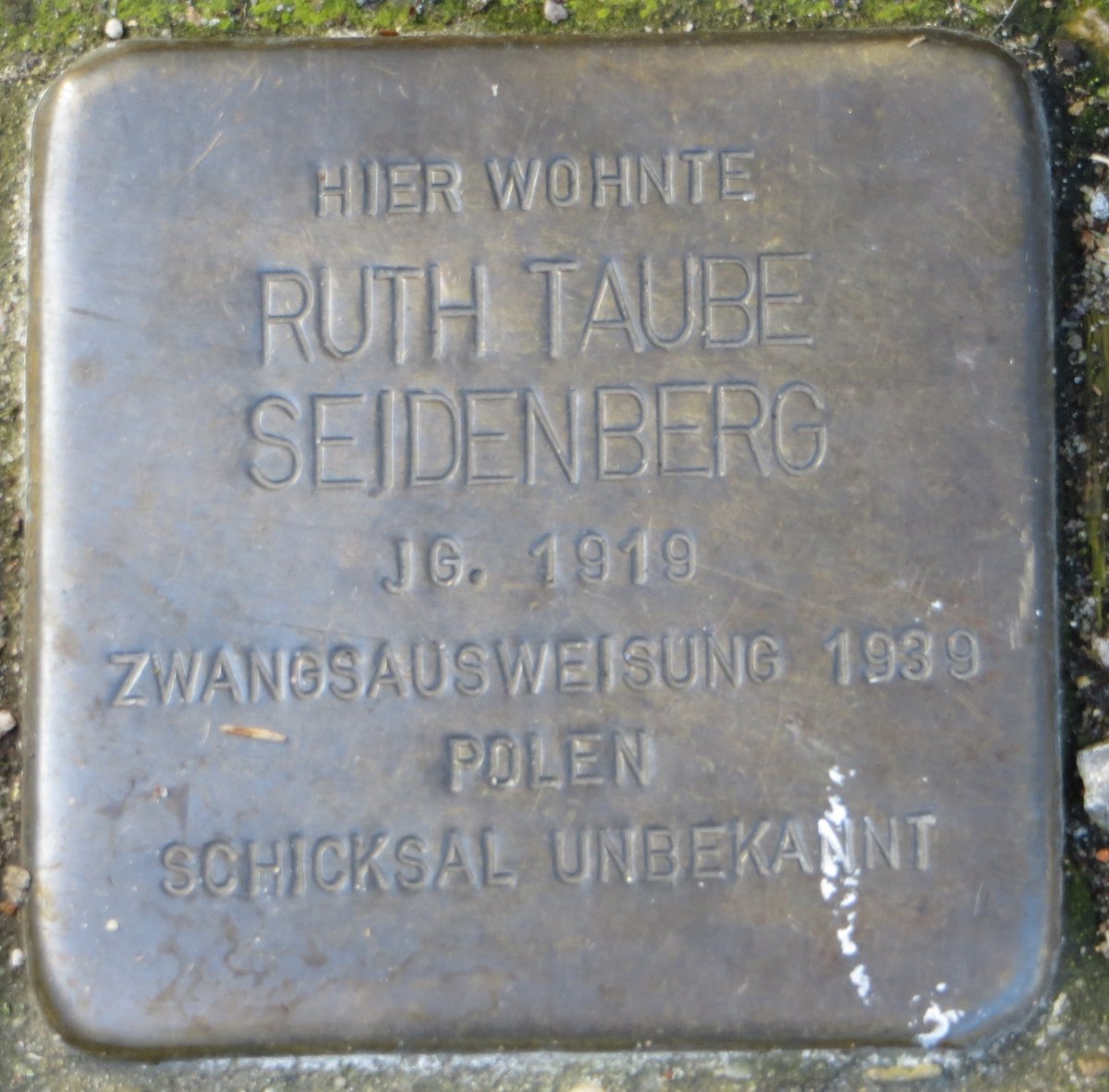
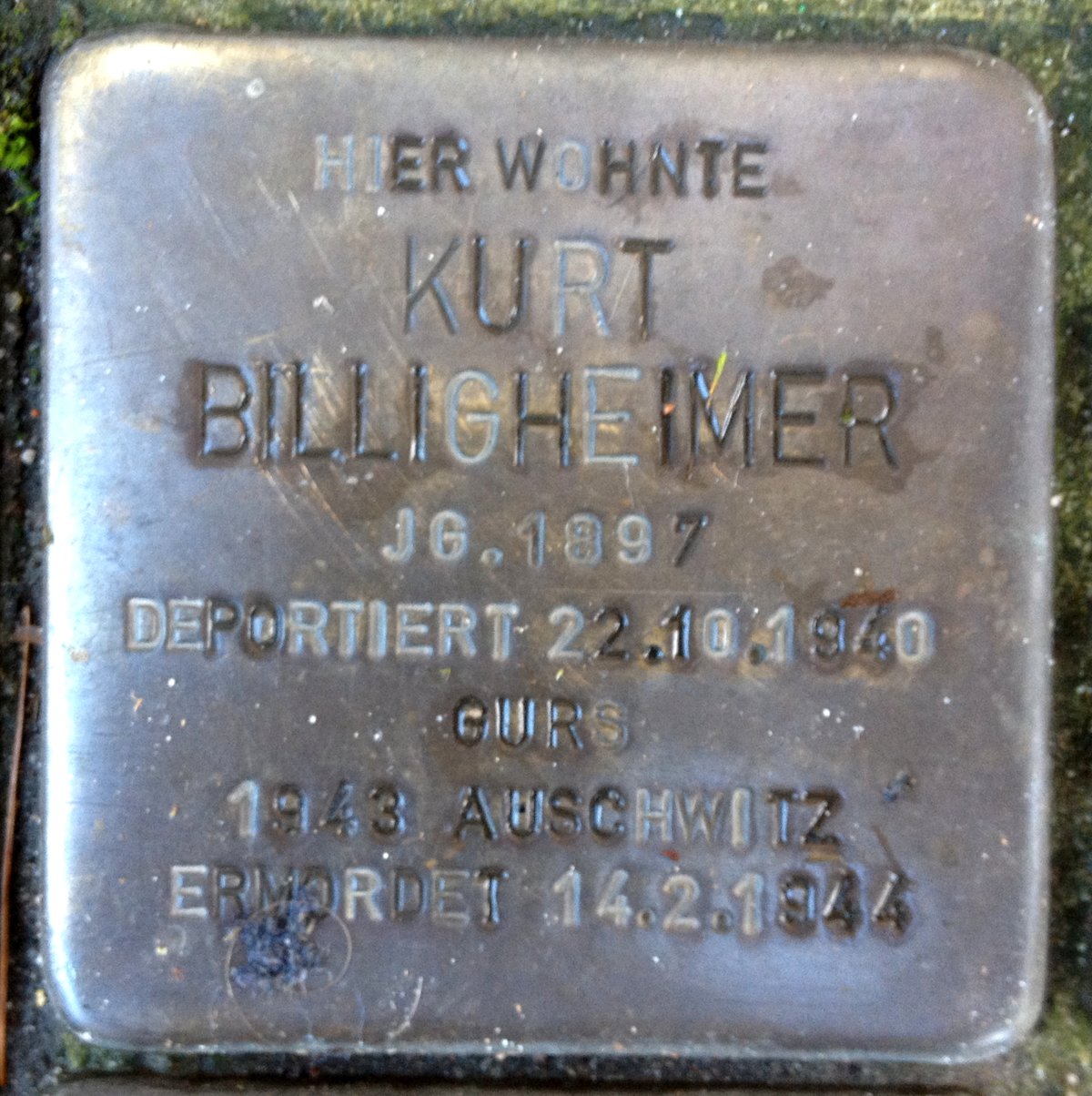
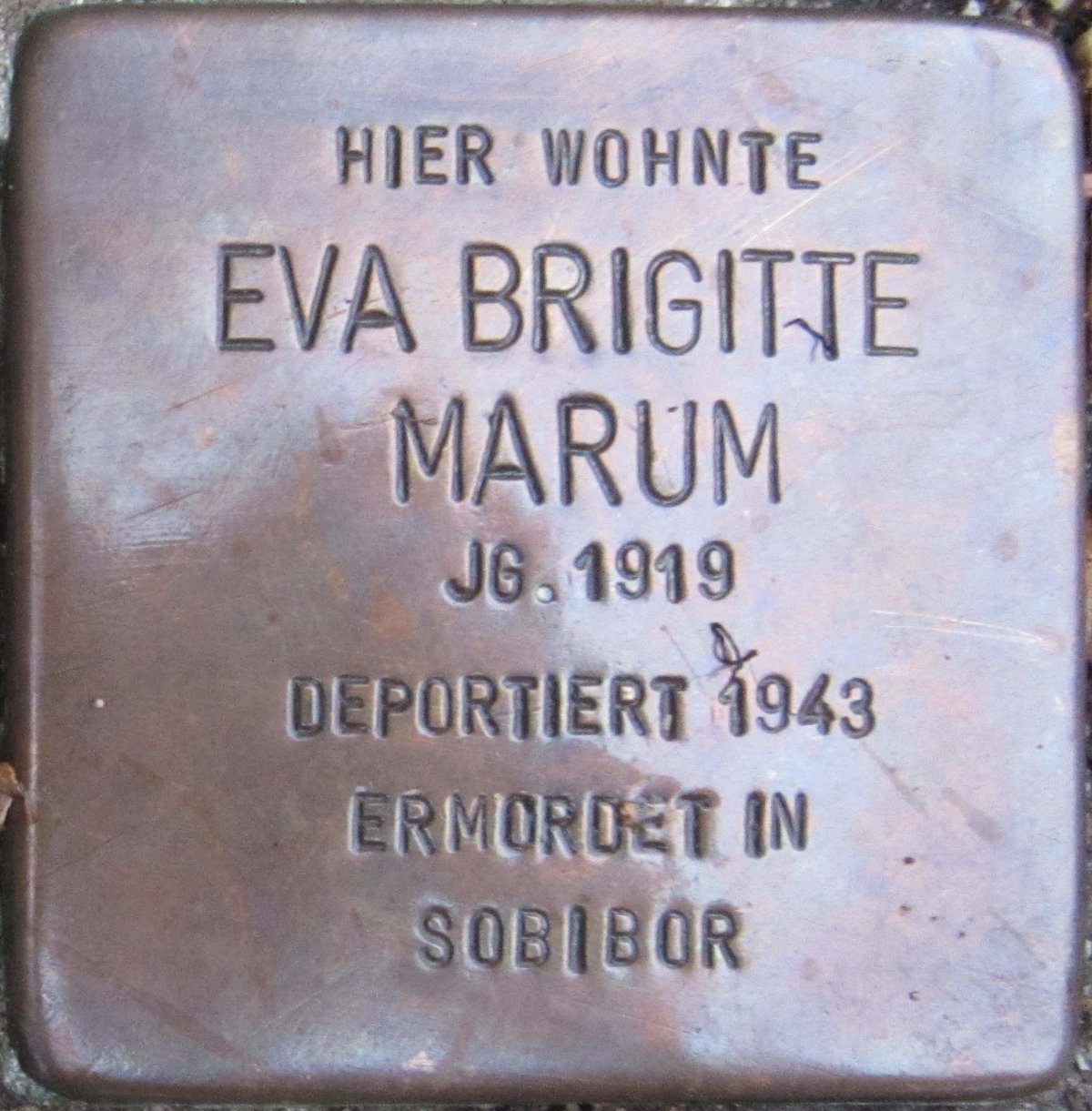
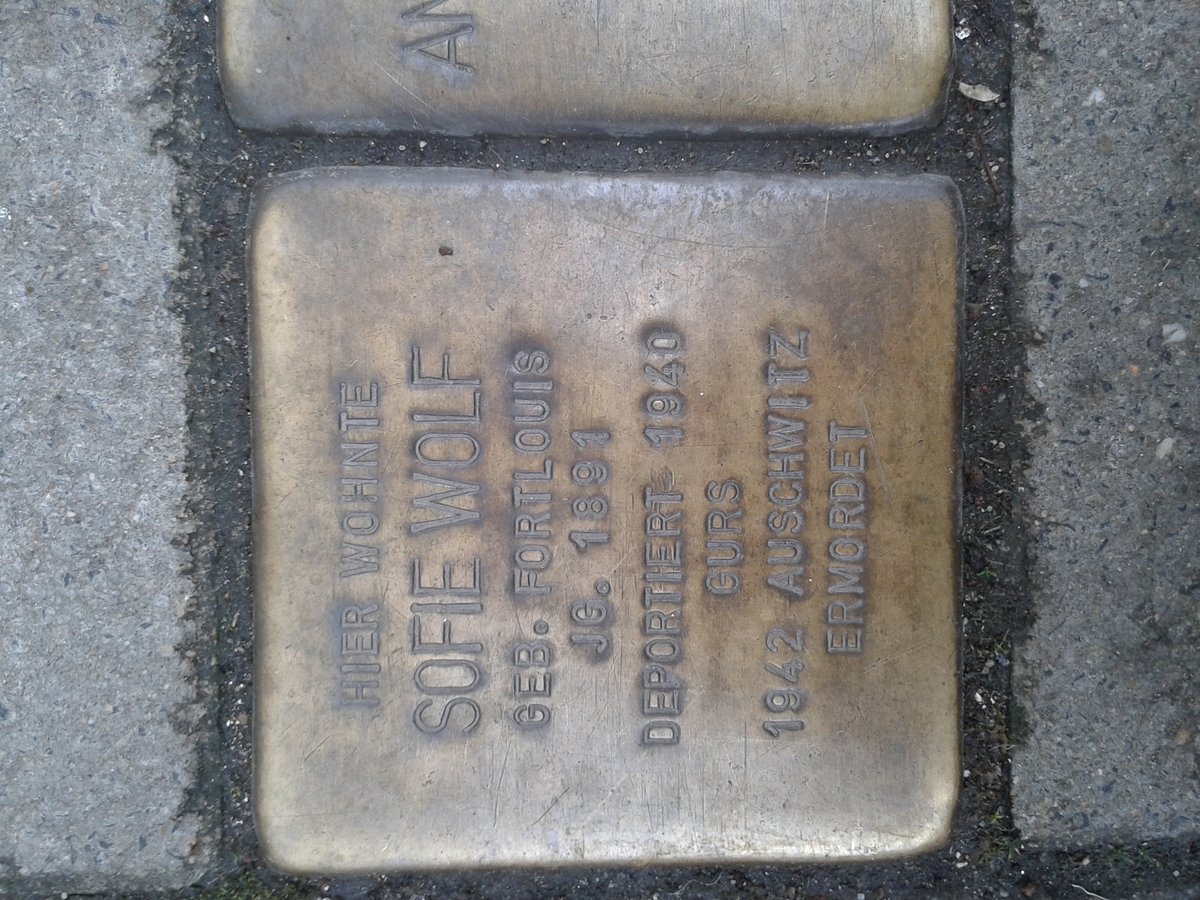
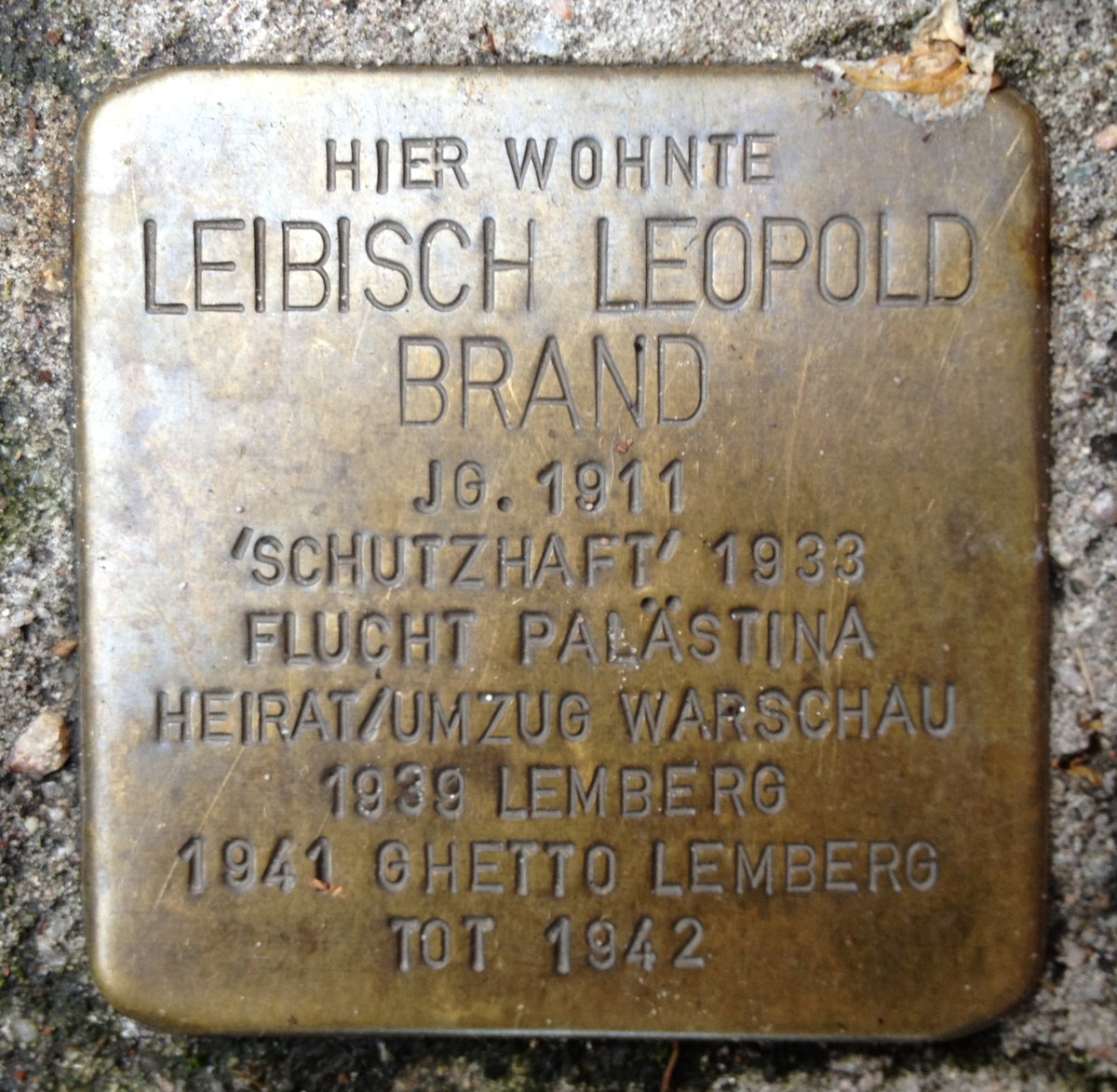
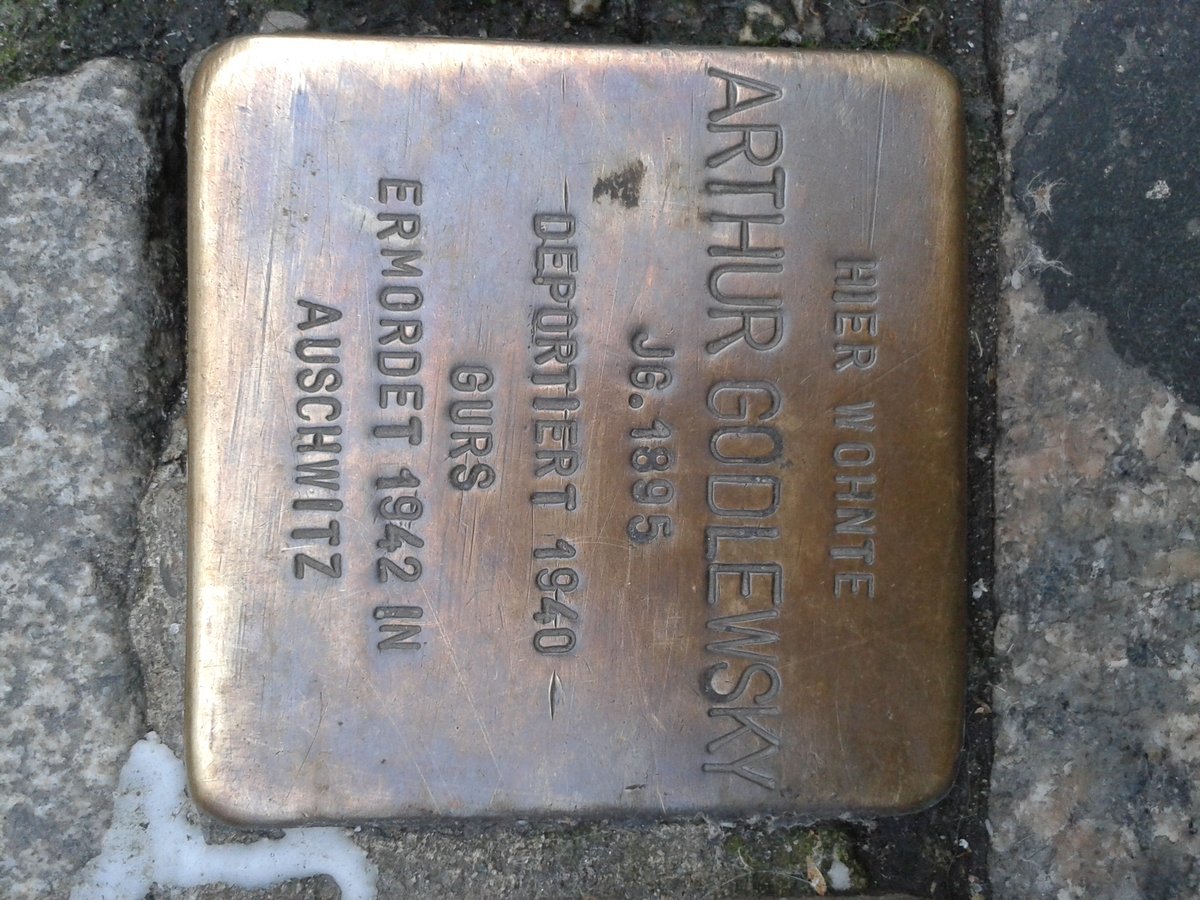
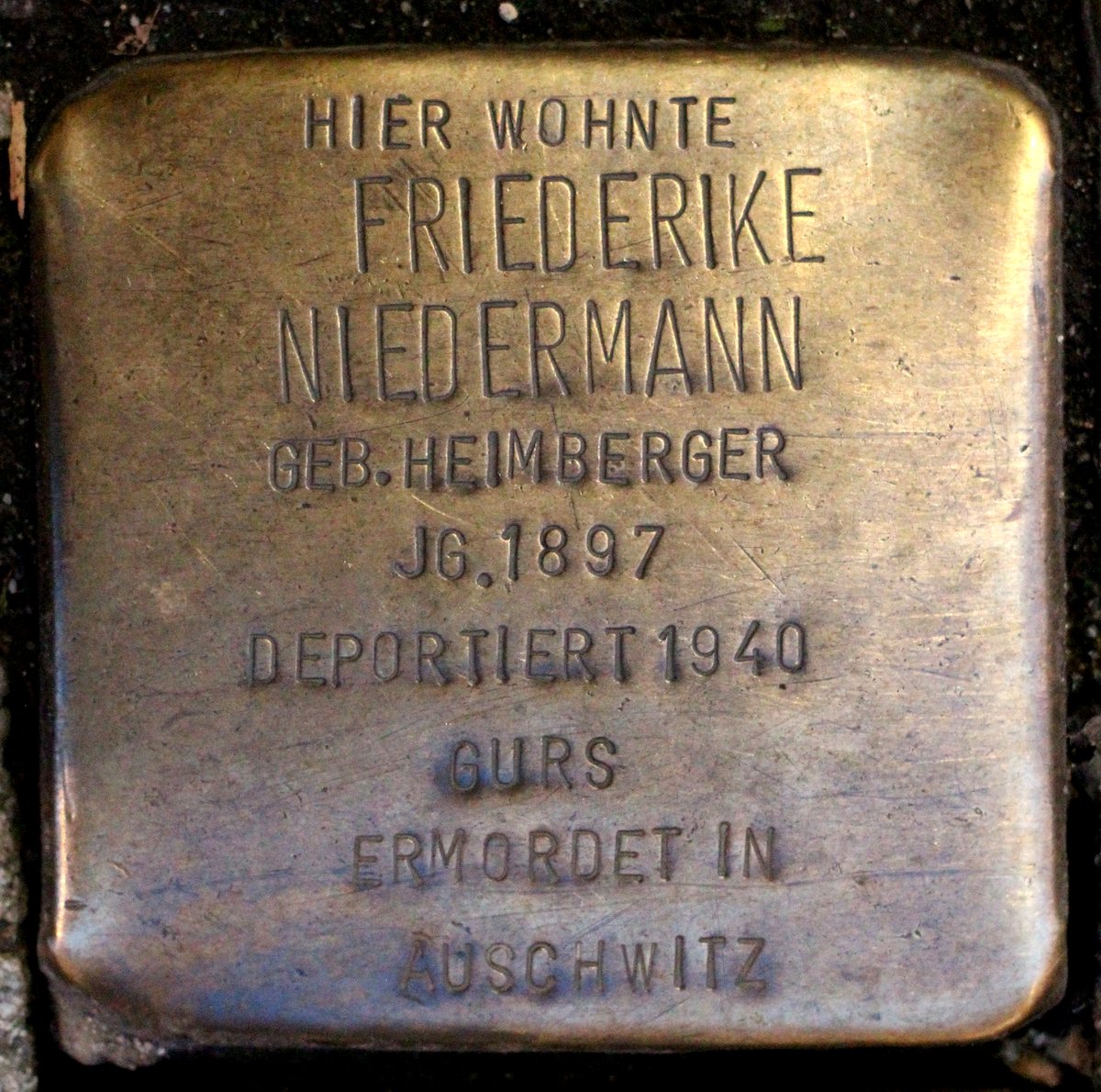
Each Stolperstein commemorates an individual, with the inscription beginning “Hier wohnte…” (“Here lived…”), followed by the victim’s details. The stones are intentionally placed at street level, compelling passersby to pause, bow their heads, and reflect—integrating remembrance into daily life (stolpersteine-luebeck.de).
Inclusivity
Stolpersteine honor all groups persecuted by the Nazis: Jews, Roma and Sinti, political prisoners, homosexuals, Jehovah’s Witnesses, and victims of the “euthanasia” program. The project also recognizes survivors, focusing on restoring dignity without comparing suffering (stolpersteine.eu).
Stolpersteine in Karlsruhe: Visiting Hours and Tickets
Stolpersteine are accessible 24/7 as they are located in public sidewalks. No tickets or entry fees are required. Anyone can sponsor a Stolperstein, covering production and installation costs (approx. 120 euros), supporting the continuation of the project (stolpersteine-karlsruhe.jimdofree.com).
Location and Accessibility: Herrenstraße 14
Getting There
The Stolperstein for Friederike Niedermann is at Herrenstraße 14, 76133 Karlsruhe (Stadtwiki Karlsruhe). The site is easily reached on foot from the city center, and the nearby “Marktplatz” and “Europaplatz” tram/bus stations are a short walk away. Parking is available at Parkhaus Herrenstraße or Passagehof. The area is pedestrian-friendly, with level sidewalks suitable for wheelchairs and strollers.
The Setting
Herrenstraße 14 is a residential building in a lively urban area, surrounded by historic facades, shops, and cafes. The Stolperstein is set flush in the pavement near the entrance. Regular cleaning ceremonies take place on Holocaust Remembrance Day (January 27) and the Kristallnacht anniversary (November 9), when the community comes together to honor the victims (Folklife Magazine).
On-Site Experience and Etiquette
- Hours Open at all times, no admission fee or tickets needed.
- Etiquette Pause, reflect, and, if you wish, place a small stone or flower as a sign of remembrance. Be respectful of the residential setting.
- Photography Permitted, but please remain discreet and do not disturb passersby.
- Accessibility The sidewalks are level, but minor unevenness is possible. The site is generally accessible for visitors with disabilities.
- Guided Tours Available through local organizations and the tourist information center.
Cultural and Historical Significance
Stolpersteine are part of a Europe-wide project to commemorate Holocaust victims at their last freely chosen homes. Karlsruhe’s Stolpersteine network includes over 200 stones across the city, with Herrenstraße 14 being especially significant due to its communal and religious heritage (Web1 Karlsruhe; Stolpersteine Karlsruhe). Friederike Niedermann’s story is a reminder of the systematic persecution and deportation of Jewish residents during the Nazi era (SWR2 Manuskript).
Community Involvement and Local Initiatives
The “Koordinationsgruppe Stolpersteine” of the Förderverein Karlsruher Stadtgeschichte coordinates research, fundraising, and installations. Community involvement is central, with residents, students, and organizations participating in ceremonies, educational events, and cleaning rituals (stolpersteine-karlsruhe.jimdofree.com).
Nearby Attractions and Complementary Historical Sites
Combine your visit to the Stolperstein with nearby sites, such as:
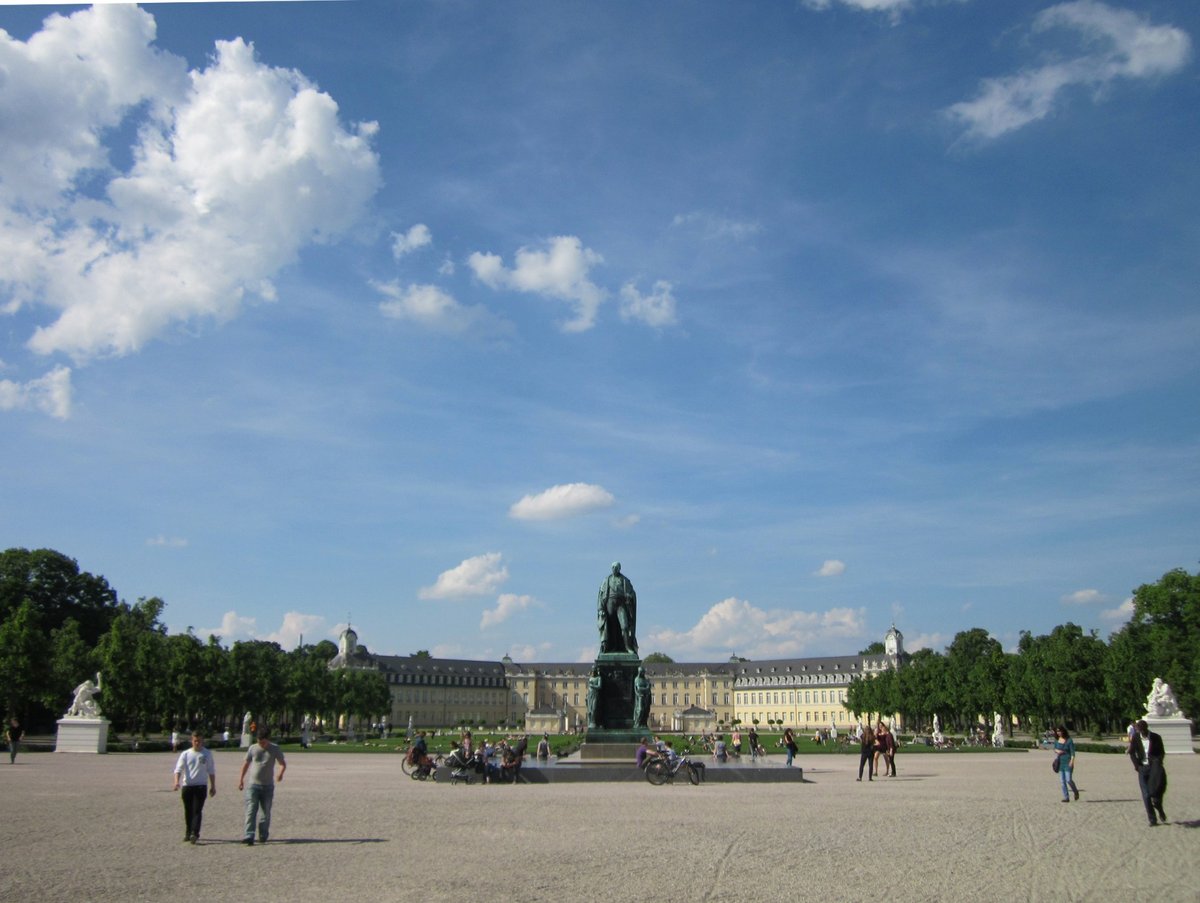
- Karlsruhe Palace and Badisches Landesmuseum
- Karlsruhe Synagogue Memorial
- Karlsruhe Botanical Garden
- Friederike Niedermann Memorial in Kronenstraße (Friederike Niedermann Memorial)
These locations offer broader perspectives on the city’s Jewish history and cultural landscape (Culture Tourist).
Frequently Asked Questions (FAQ)
Q: What are the visiting hours for the Stolperstein at Herrenstraße 14?
A: The Stolperstein is accessible at all times in a public space, free of charge.
Q: Do I need a ticket to visit?
A: No tickets are required; the site is open to all.
Q: Is the Stolperstein wheelchair accessible?
A: Yes, the sidewalk is level and accessible, though minor unevenness may occur.
Q: Are guided tours available?
A: Yes, guided tours can be booked through local history organizations or the tourist information center.
Q: Can I take photos?
A: Discreet photography is allowed, but please be respectful of the residential nature of the area.
Practical Tips for Your Visit
- Visit during daylight for best visibility.
- Wear comfortable shoes for walking.
- Bring a small stone or flower for Jewish remembrance tradition.
- Consult the interactive remembrance map for self-guided tours (Stadtgeschichte Karlsruhe).
- Respect the privacy of residents and maintain a quiet, contemplative demeanor.
Visuals
- Images of the Stolperstein at Herrenstraße 14 (alt: “Stolperstein memorial stone for Friederike Niedermann in Karlsruhe sidewalk”)
- Photos from guided tours and community cleaning events (alt: “Community members cleaning Stolpersteine in Karlsruhe”)
- Maps of Stolpersteine locations in Karlsruhe (alt: “Interactive map of Stolpersteine in Karlsruhe”)
Contact and Further Assistance
-
Karlsruhe Tourist Information
Kaiserstraße 72-74, 76133 Karlsruhe
+49 721 602997580
[email protected]
(Karlsruhe Tourist Information) -
Stolpersteine Karlsruhe Project
Stolpersteine Karlsruhe Website
Discover More
The Stolperstein for Friederike Niedermann at Herrenstraße 14 is a powerful reminder of individual lives lost to Nazi persecution and the resilience of Karlsruhe’s Jewish community. By visiting, reflecting, and participating in remembrance, you help ensure that the lessons of history are not forgotten. Enhance your visit with guided tours, digital apps, and community events. Plan your trip thoughtfully, engage respectfully, and join Karlsruhe in honoring the memory of its victims.
For more information, download the Audiala app for guided audio tours, follow local heritage organizations, and explore related resources to deepen your understanding of Karlsruhe’s memorial culture.