
The Stolperstein Project: A Decentralized Memorial
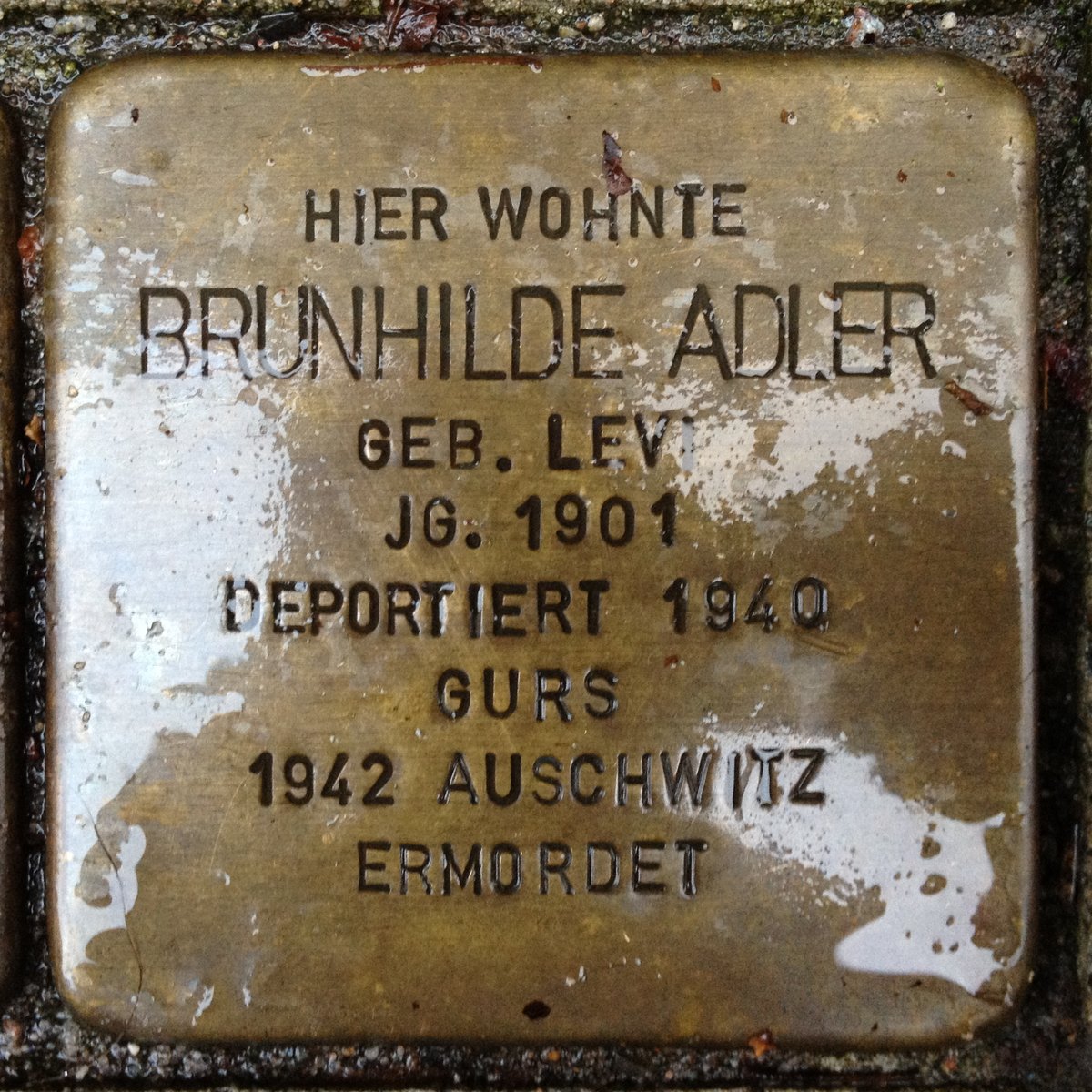
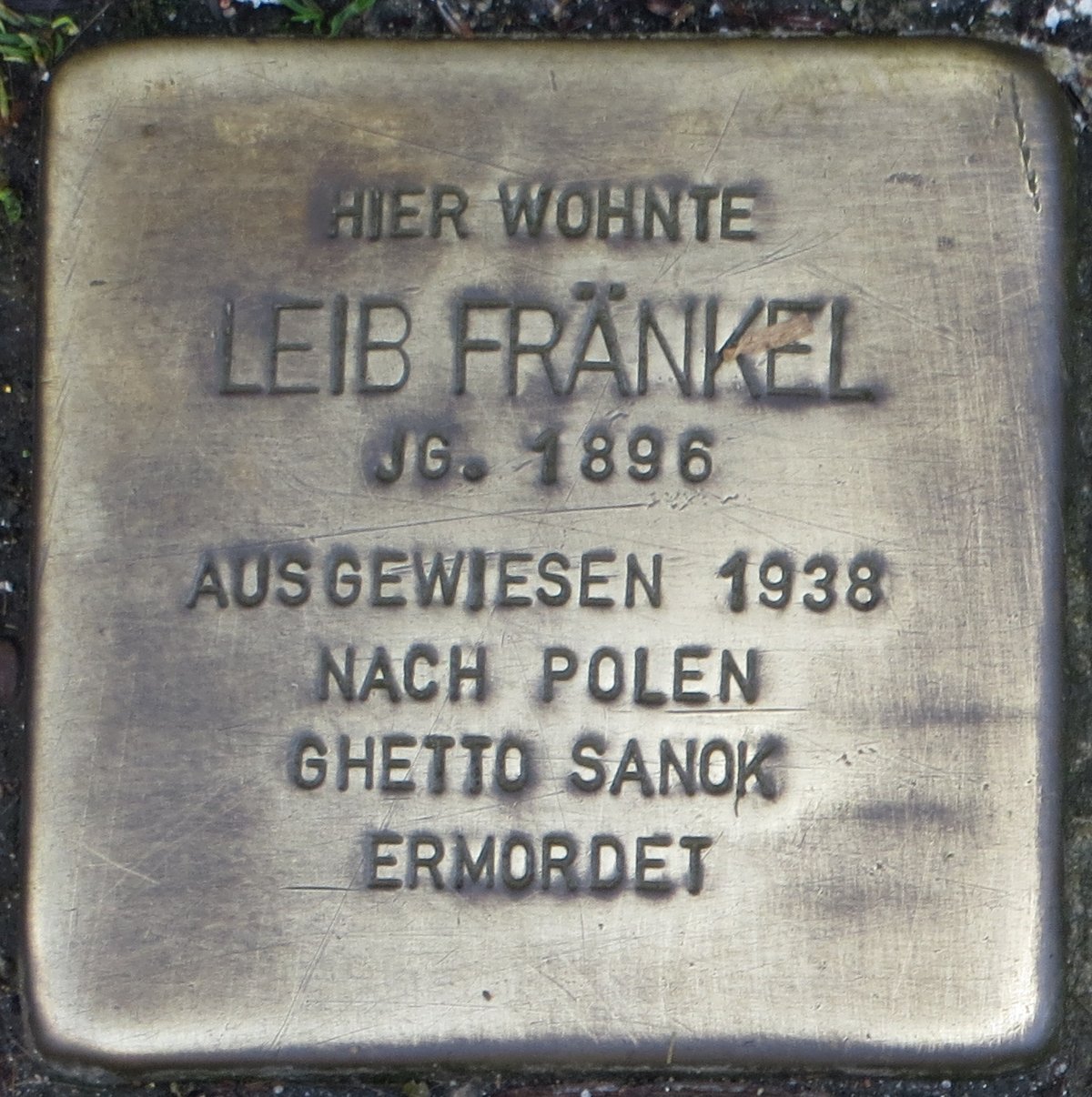
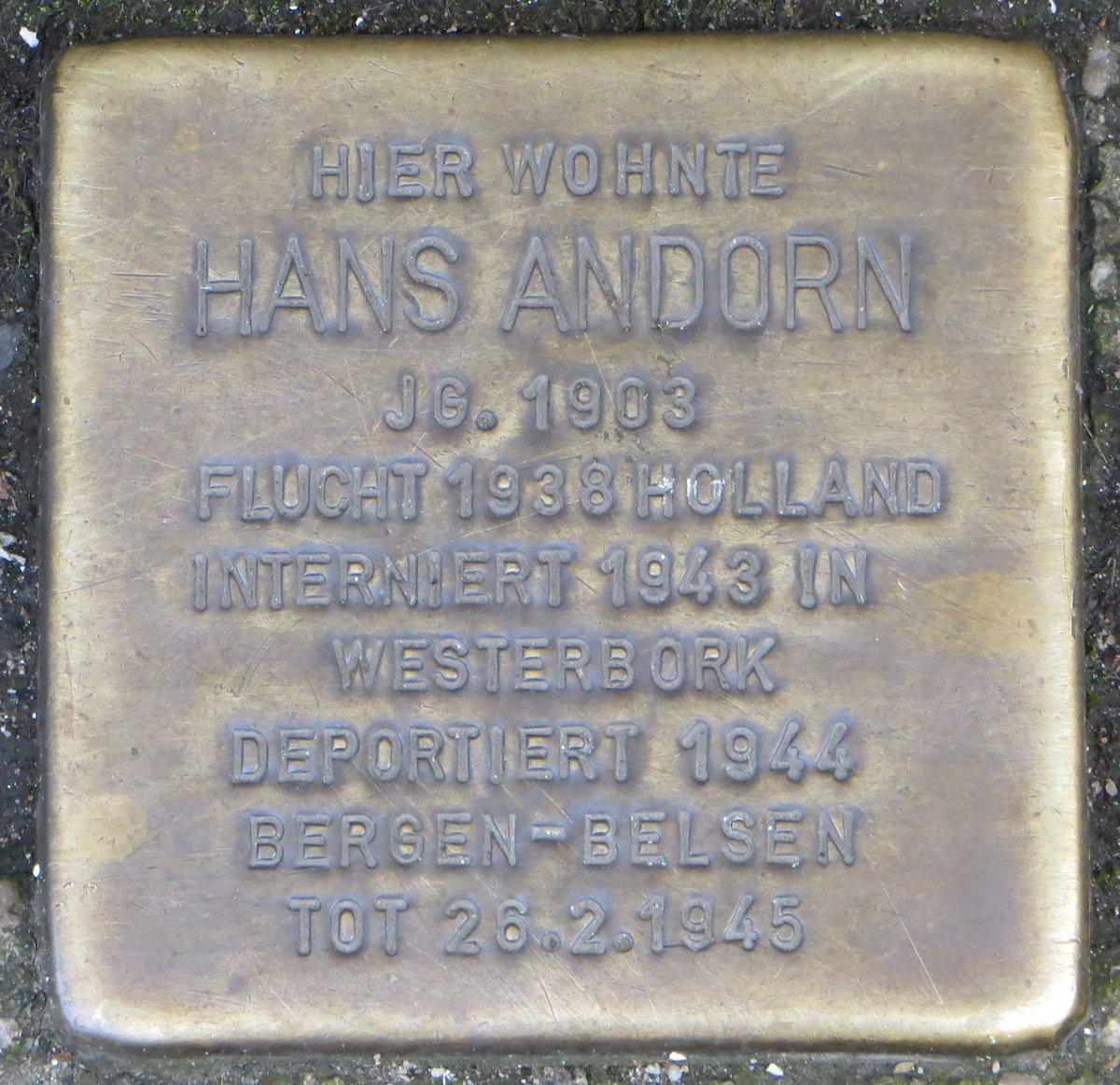
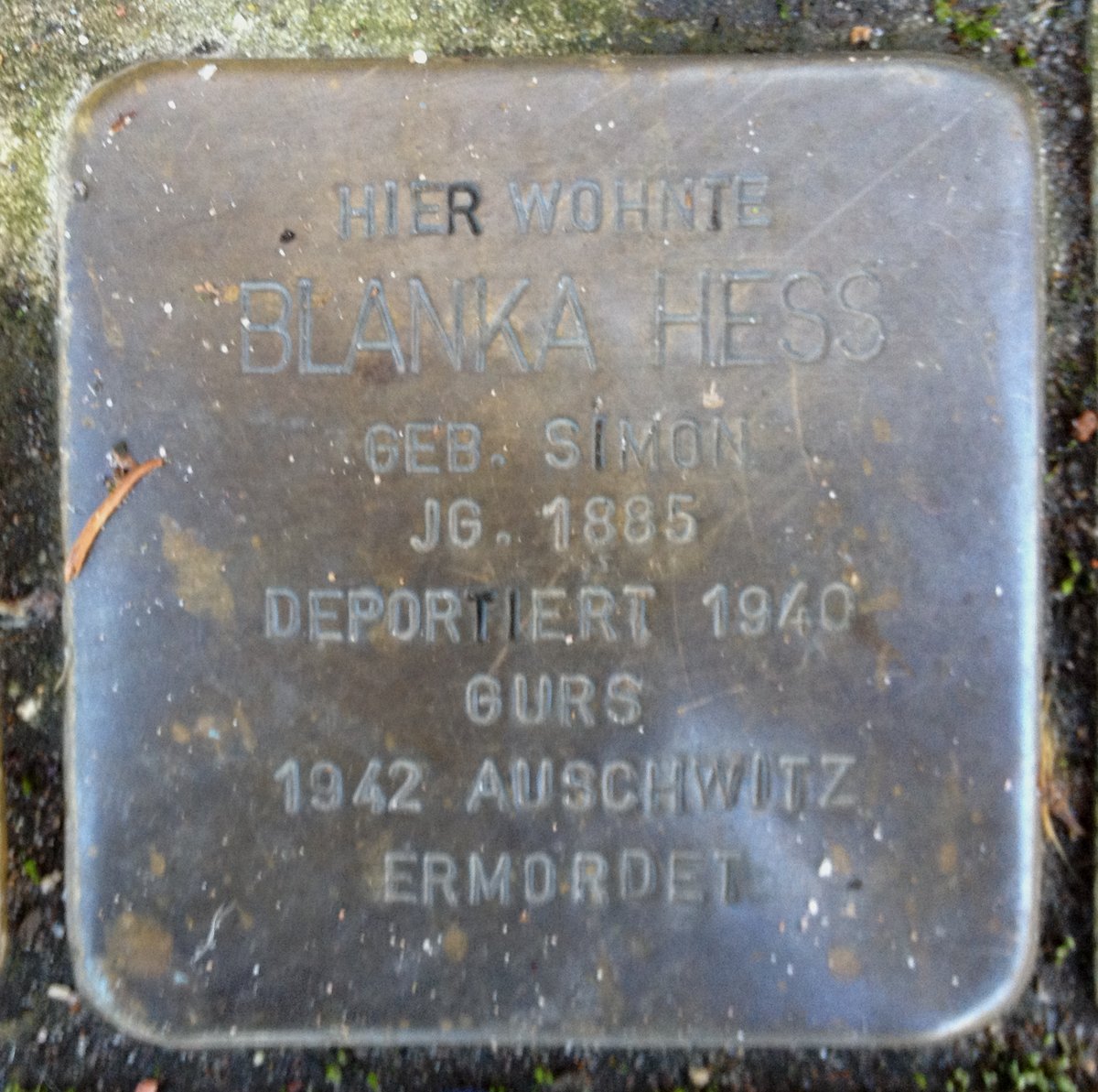
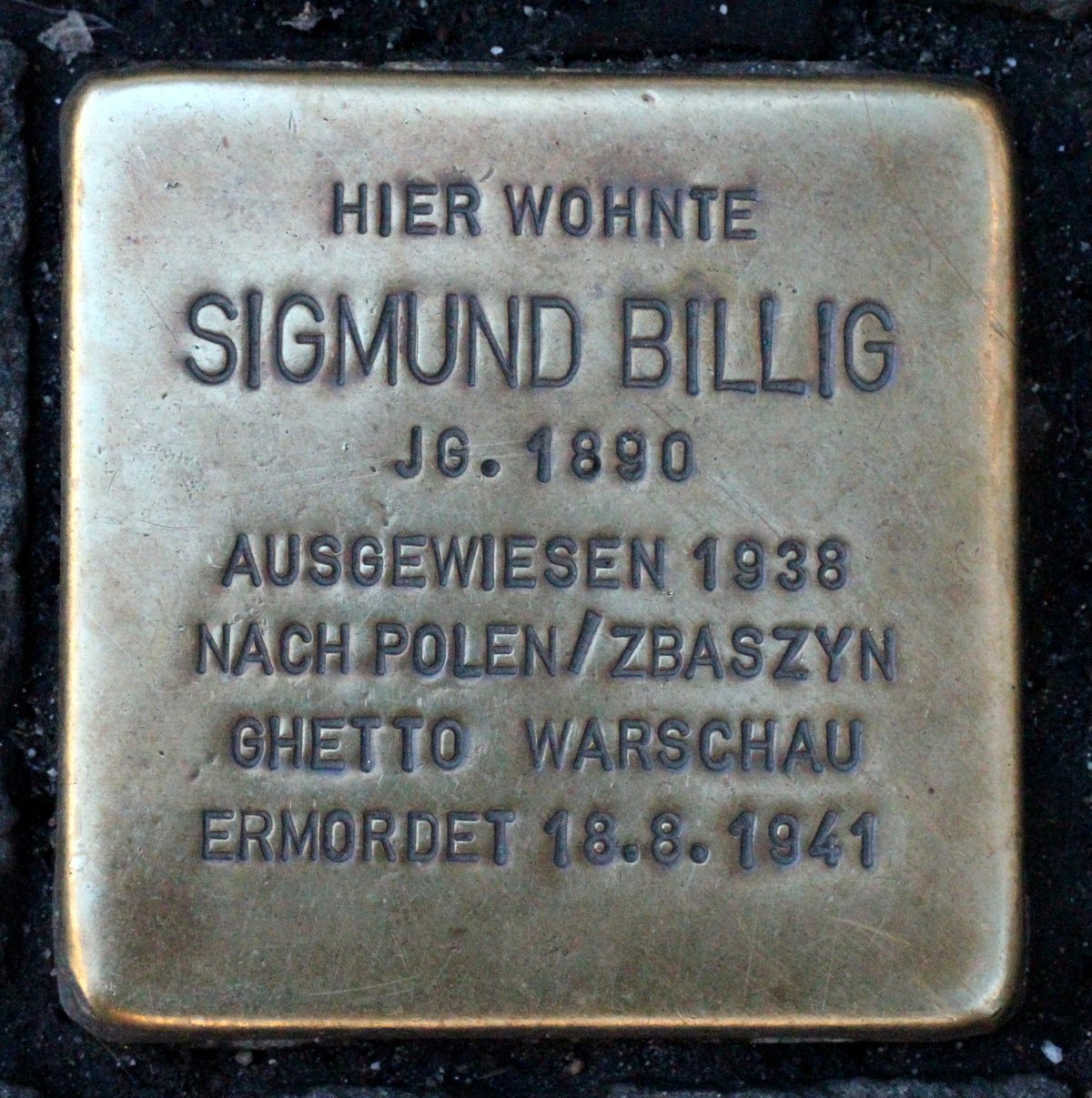
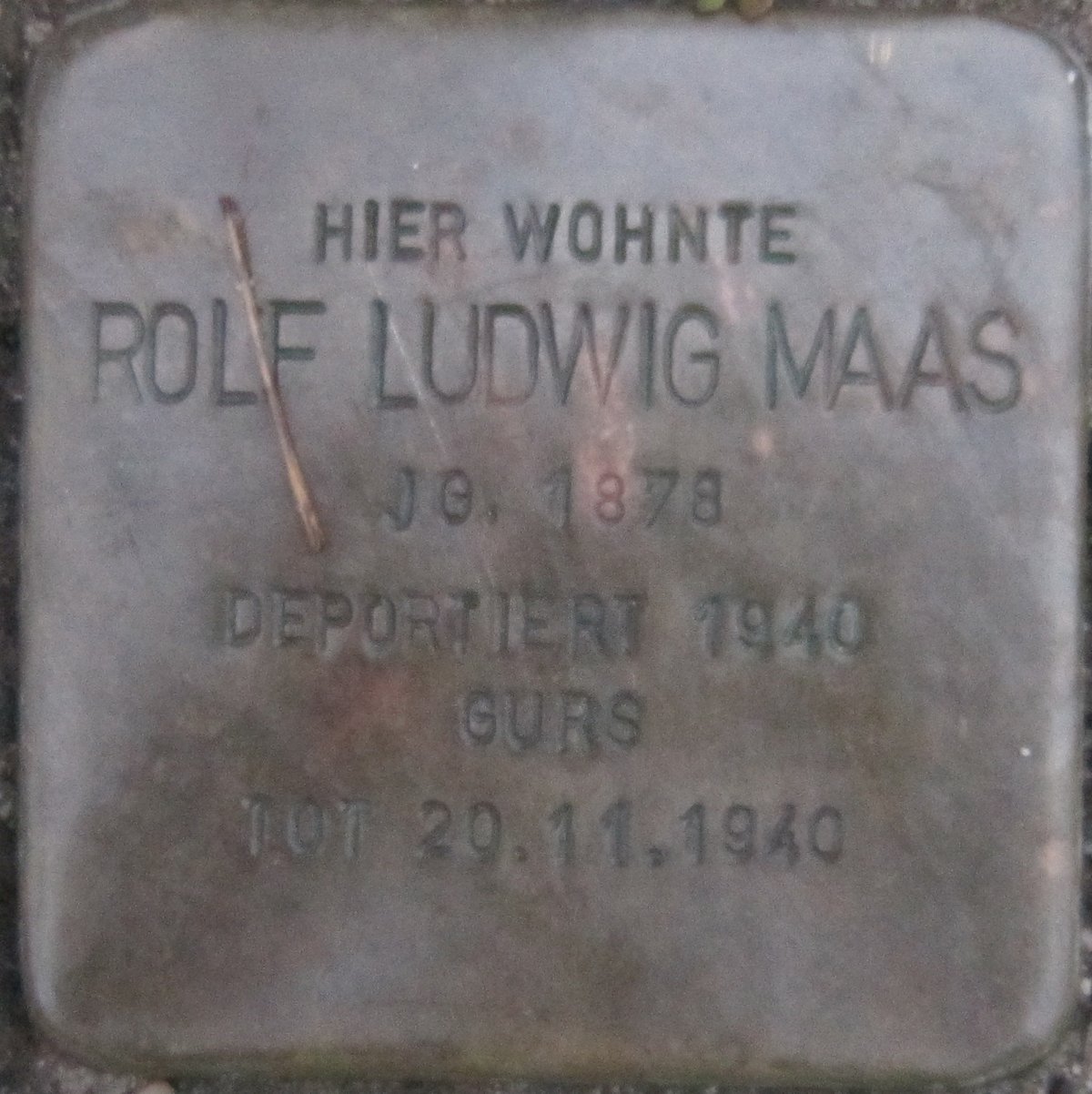
Conceived by German artist Gunter Demnig, the Stolpersteine project is the world's largest decentralized memorial. Each stone marks the last freely chosen residence of a victim, bearing their name, date of birth, and fate. This personalized approach fosters individual remembrance within the everyday urban landscape. (Stolpersteine official site) As of 2025, over 100,000 Stolpersteine have been placed across more than 26 countries. (pragueviews.com)
The Story of Irma Billigheimer and Her Family
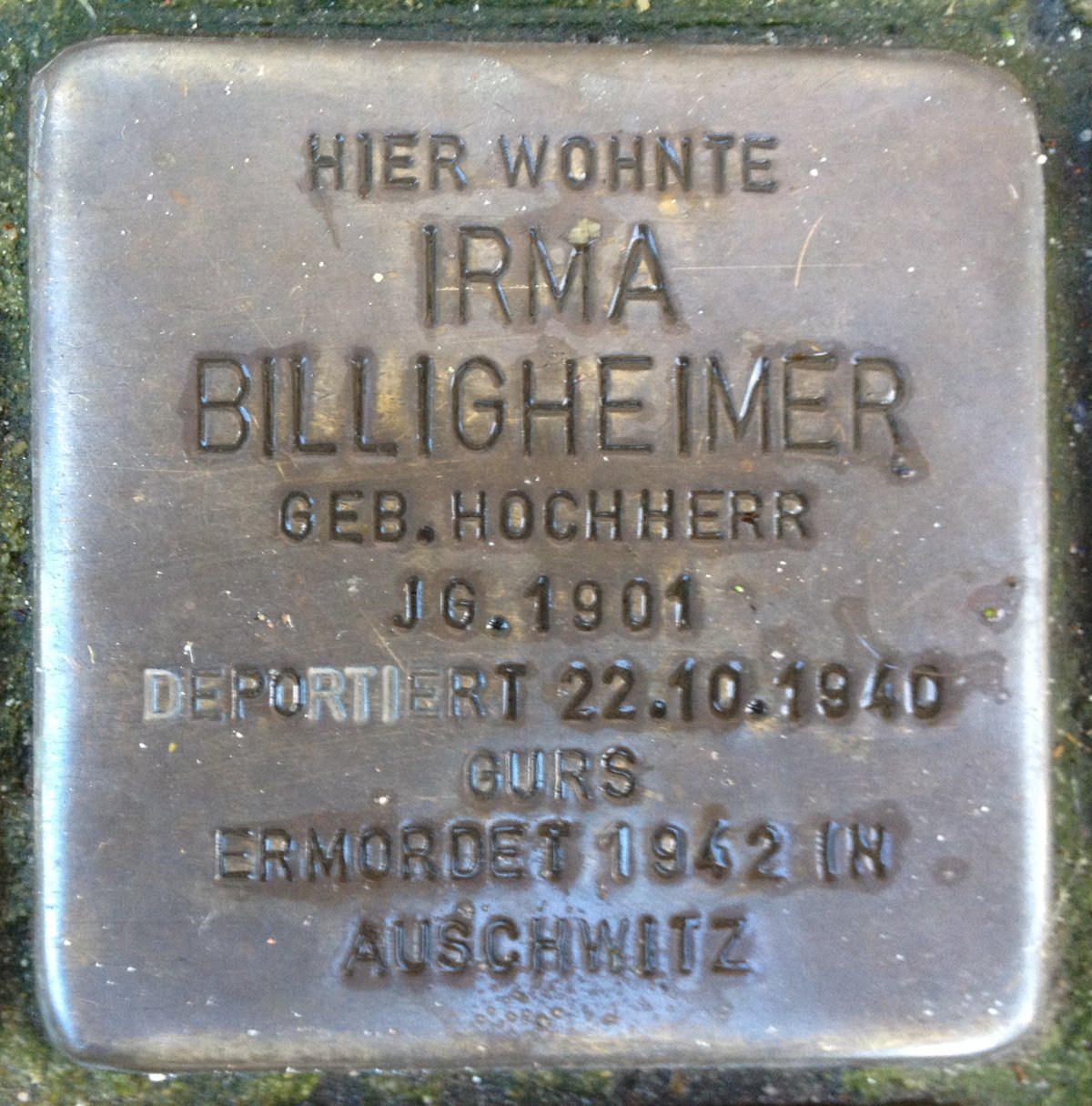
The Stolpersteine at Jollystraße 41 commemorate Irma Billigheimer (née Hochherr), her husband Kurt, and their daughters Ingrid and Hannelore. They were members of Karlsruhe’s Jewish community, deported to Gurs internment camp in France on October 22, 1940, along with thousands of other Jews from Baden. (ka-news.de; Stolpersteine Karlsruhe) Irma and her daughters were later transported to Auschwitz and murdered. Kurt also perished in Auschwitz in 1944. Their story reflects the tragic fate of countless families during the Holocaust. (ka-news.de)
Visiting the Stolpersteine in Karlsruhe
Location and Accessibility
The Billigheimer family's Stolpersteine are located at Jollystraße 41 in Karlsruhe's Südweststadt district. The site is accessible 24/7 and free of charge. The area is well-served by public transport, and the stones are embedded in the pavement at street level, generally accessible to all. (ka.stadtwiki.net)
Nearby Points of Interest
Consider combining your visit with other nearby historical sites:
- Karlsruhe Synagogue ([Link to Synagogue information - if available])
- Baden State Museum ([Link to Museum information - if available])
- Karlsruhe Palace ([Link to Palace information - if available])
Respectful Visitation
Photographing the Stolpersteine is encouraged to document and share these important memorials. However, always maintain respect for the site and the memory of the victims. Avoid loud conversations and disruptive behavior. Consider bringing a small stone or flower to place by the stones, a traditional Jewish custom.
Frequently Asked Questions (FAQ)
- What are the visiting hours for the Stolpersteine? They are accessible 24 hours a day, 7 days a week.
- Is there an entrance fee? No, the Stolpersteine are freely accessible public memorials.
- Are guided tours available? Yes, contact local tourist information or historical societies for details.
- Are the Stolpersteine accessible to people with mobility impairments? Generally, yes, as they are embedded in the sidewalk. However, be mindful of typical urban pavement conditions.