
Origins and History of the Stolpersteine Project
The Stolpersteine project began in 1992 with the vision of Gunter Demnig, who sought to commemorate Holocaust victims on an individual level by marking the places they once lived. The first Stolpersteine were laid in Berlin in 1996. Since then, the project has spread across Europe, commemorating not only Jews but also Roma, Sinti, political prisoners, people with disabilities, and others persecuted by the Nazi regime (Stolpersteine.eu). Each stone bears the victim’s name, year of birth, fate, and—if known—details of deportation or death.
Stolpersteine in Karlsruhe: Local Significance
Karlsruhe’s Stolpersteine are scattered across neighborhoods such as Durlach, Grötzingen, and the Innenstadt, with each stone marking a personal tragedy and a reminder of the city’s lost Jewish community (ka.stadtwiki.net). Local volunteers and organizations help maintain these memorials, ensuring their stories remain visible and accessible.
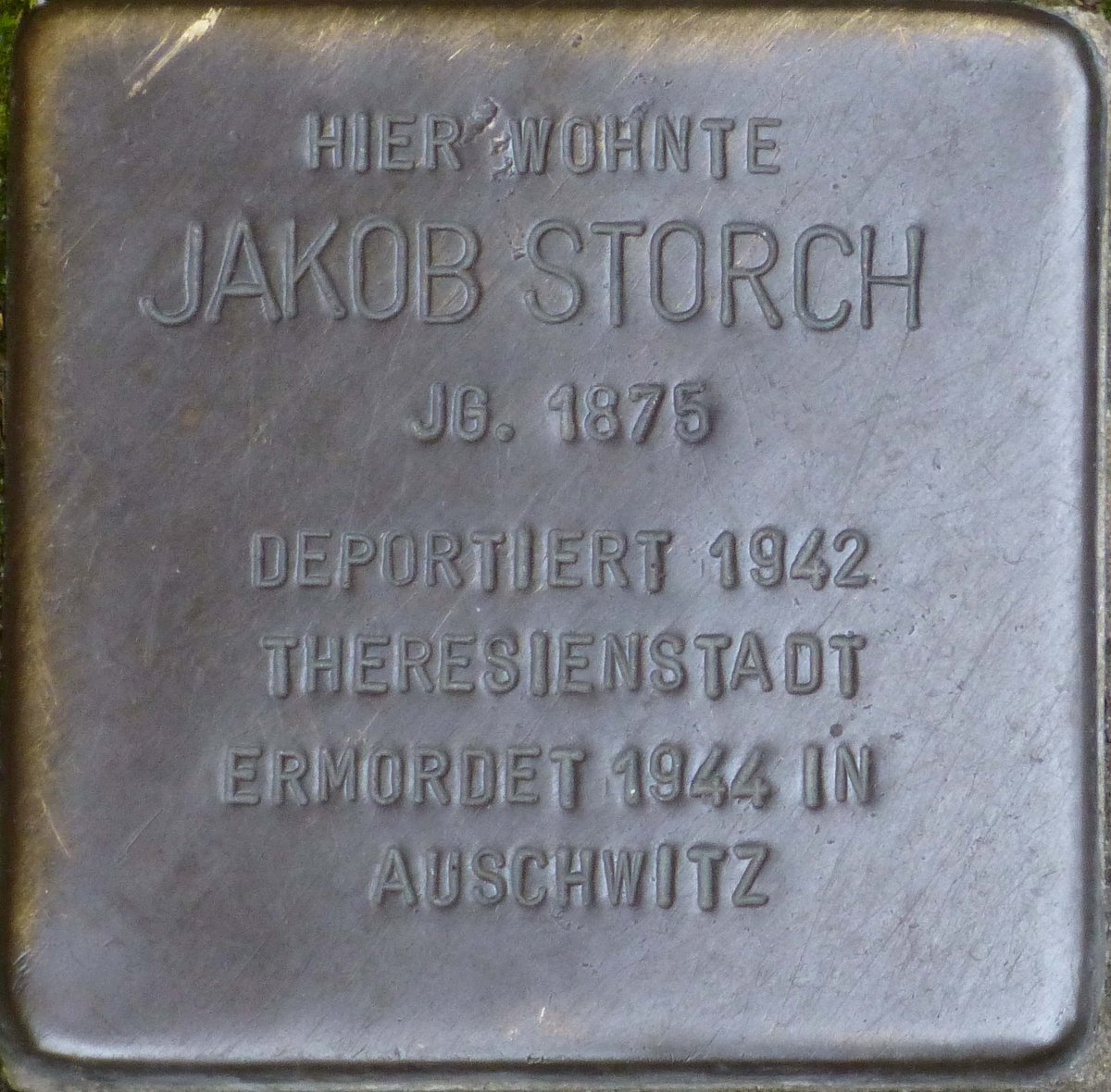
The stone for Jakob Storch is among these, serving as a tangible connection to Karlsruhe's Jewish heritage and its commitment to historical remembrance. The project is supported by the Förderverein Karlsruher Stadtgeschichte e.V., which coordinates research, installation, and educational outreach (stolpersteine-karlsruhe.jimdofree.com).
Visiting the Stolperstein for Jakob Storch: Practical Information
Location and How to Find It
The Stolperstein for Jakob Storch is embedded in the pavement outside his former residence in Karlsruhe. The exact address and a photo can be found via the Stadtwiki Karlsruhe and the interactive city map of remembrance sites. These resources are updated regularly for accuracy.
Digital Resources:
The Stolpersteine Karlsruhe app (Android/iOS) provides navigation assistance and historical context for each stone.
On-Site Identification:
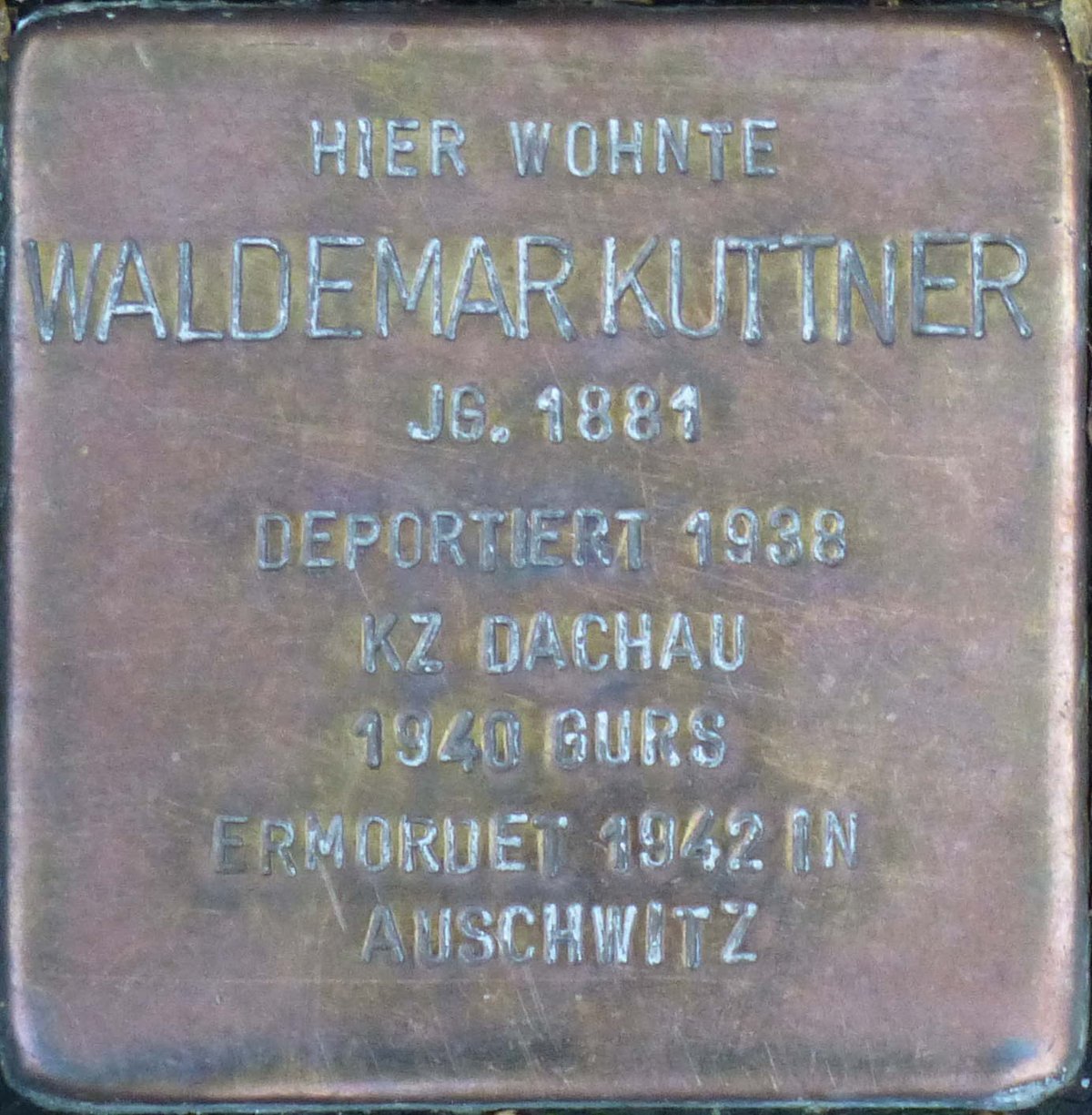
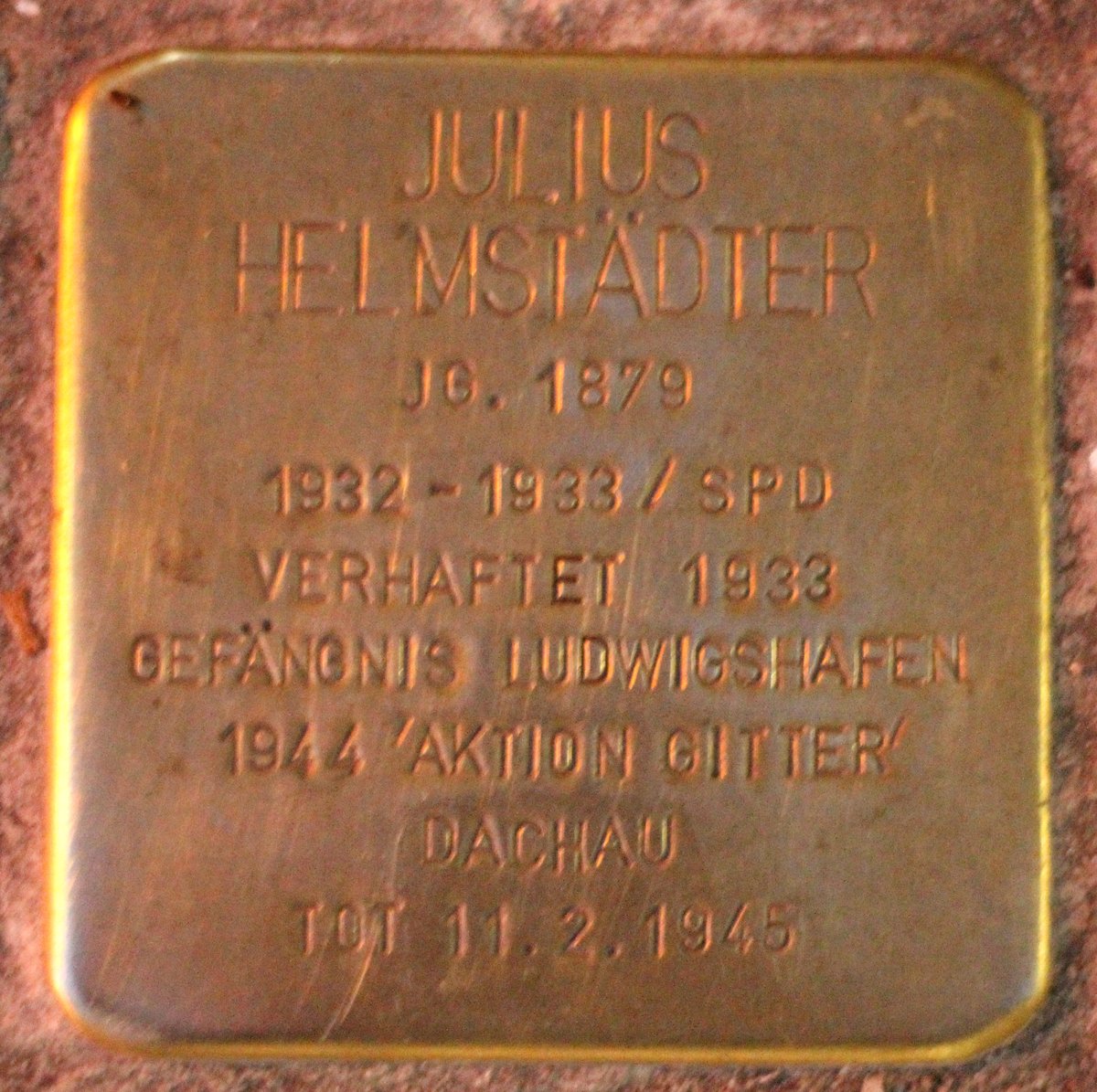
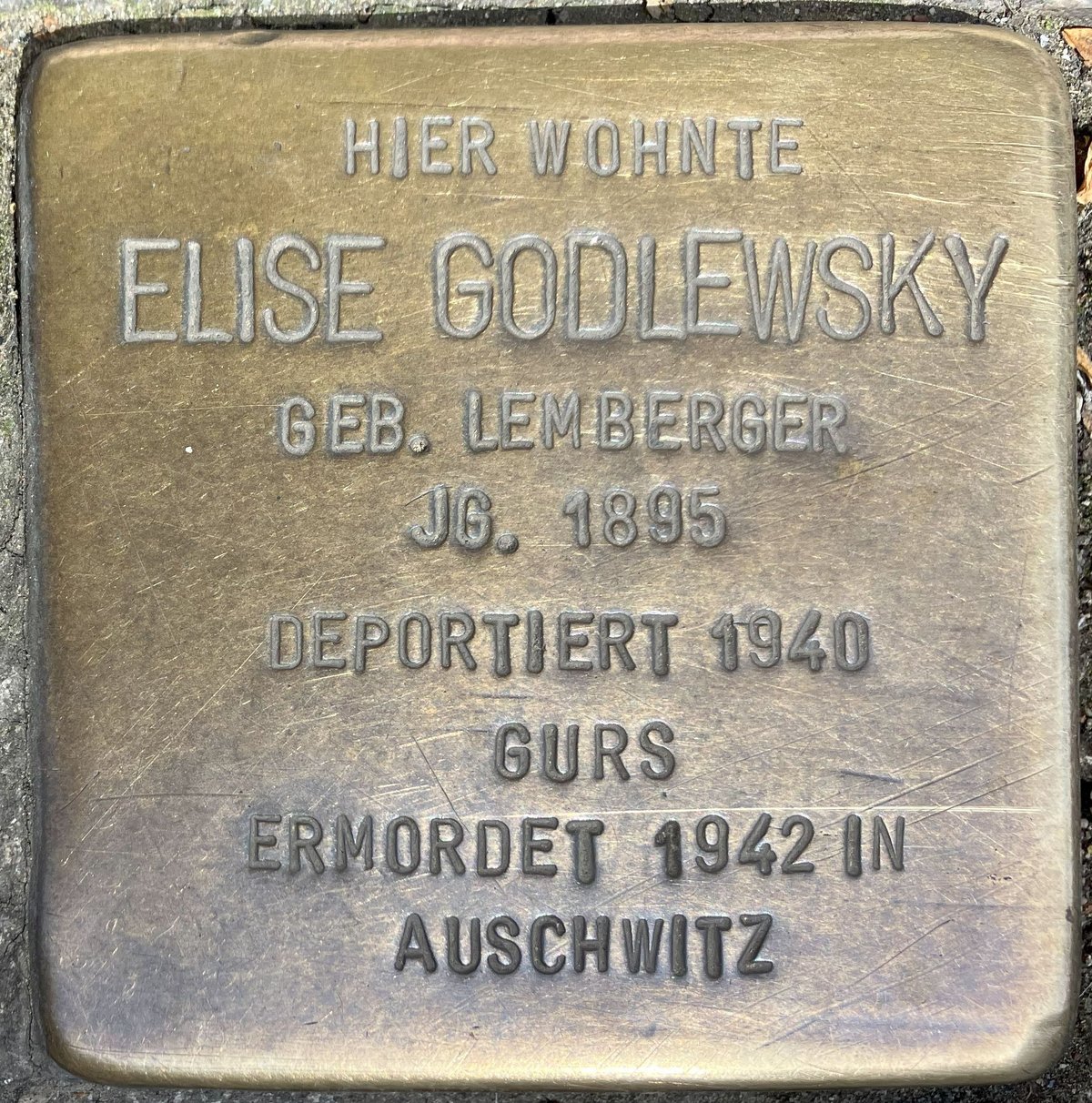
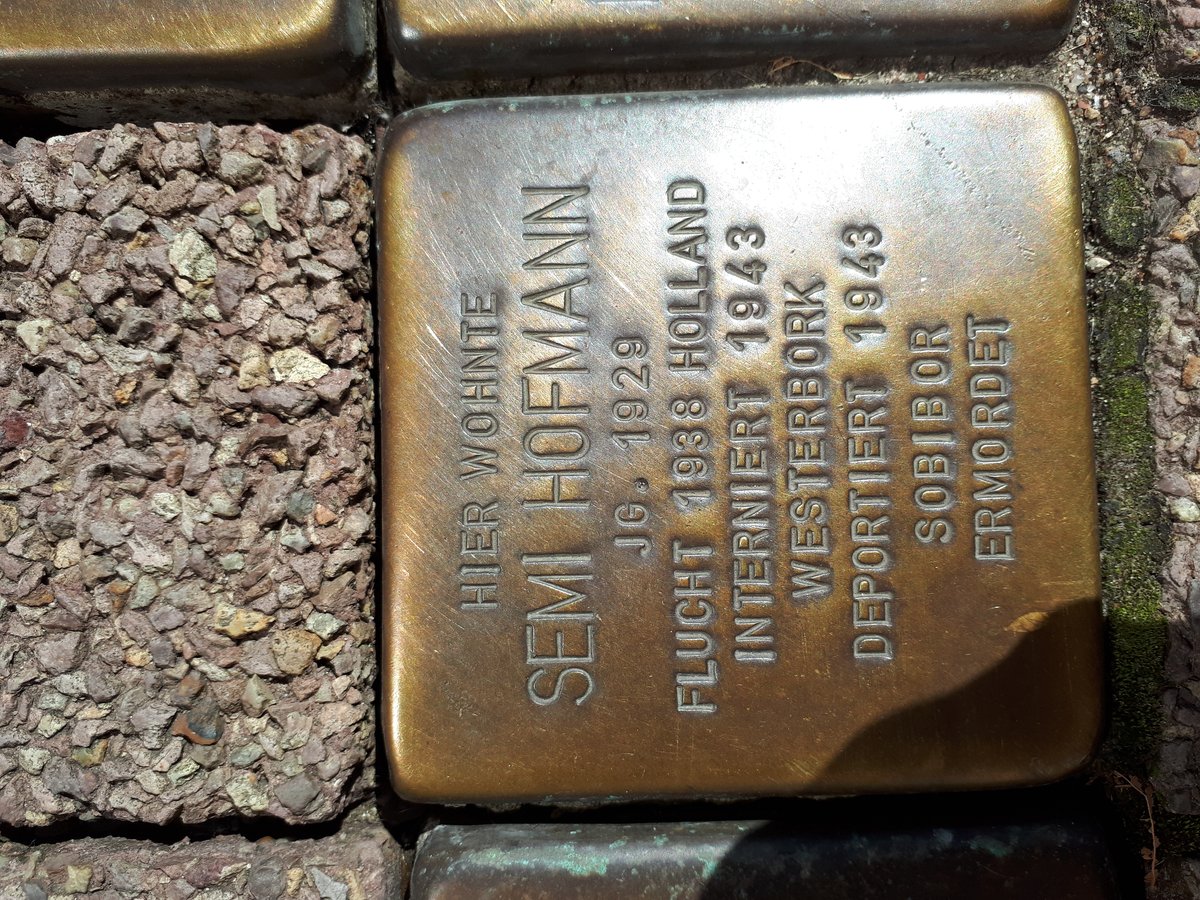
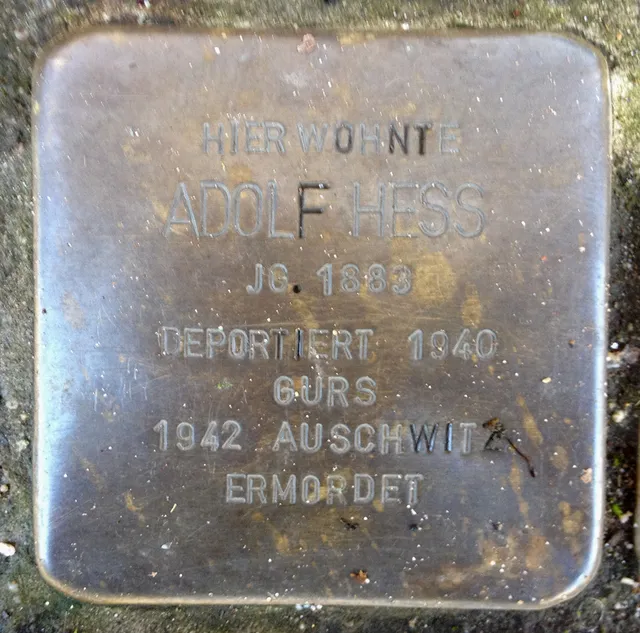
Look for a small, square brass plaque set flush with the sidewalk, typically in front of residential entrances.
Visiting Hours and Accessibility
- Open 24/7 Stolpersteine are in public sidewalks and can be visited any time.
- Wheelchair Accessible Most stones, including Jakob Storch’s, are accessible, though some sidewalks may be uneven.
- Admission No ticket or fee is required.
Tickets and Admission
There are no tickets or admission fees required to visit the Stolperstein for Jakob Storch or any other Stolpersteine in Karlsruhe. These are public memorials open to everyone.
Etiquette and Meaningful Engagement
- Reflection Pause and reflect quietly at the stone.
- Remembrance It's customary to leave a small stone or flower as a sign of respect, in line with Jewish tradition.
- Maintenance On remembrance days (e.g., January 27 for Holocaust Remembrance Day), locals often polish the stones with a soft cloth (folklife.si.edu).
- Discretion Respect the privacy of nearby residents, and take photos thoughtfully.
Guided Tours and Special Events
Guided Stolperstein walks, sometimes offered by local organizations or the Karlsruhe Tourism Board, provide deeper context and personal stories. These tours may coincide with remembrance days or other local events—check local listings for current schedules.
Nearby Attractions and Historical Sites
Enhance your visit by exploring other significant landmarks in Karlsruhe:
- Karlsruhe Synagogue Offers insights into the city’s Jewish history.
- Karlsruhe Palace and Stadtmuseum Provide broader historical and cultural context.
- Karlsburg Castle and Former Jewish Quarter Nearby sites of historical importance (mapcarta.com).
Combining these visits with the Stolperstein for Jakob Storch deepens your understanding of Karlsruhe’s layered history.
FAQs
Q: What are the visiting hours for the Jakob Storch Stolperstein?
A: The Stolperstein is accessible 24 hours a day, every day, as it is in a public space.
Q: Is there an admission fee or do I need a ticket?
A: No, visiting Stolpersteine is free of charge and requires no ticket.
Q: Are guided tours available?
A: Yes, local organizations occasionally offer guided walks focusing on Stolpersteine and Jewish history. Check current schedules with the tourism office.
Q: Is the Stolperstein wheelchair accessible?
A: Yes, though some sidewalks may have minor unevenness.
Q: How can I find the exact location?
A: Use the interactive city map or the Stolpersteine Karlsruhe app.
Making the Most of Your Visit
- Prepare Read about Jakob Storch and the historical context before your visit.
- Participate Join community cleaning or remembrance events if possible.
- Engage Share your experience on social media to help raise awareness.
- Explore Combine your visit with other historical sites for a comprehensive understanding of Karlsruhe’s past.
Visuals and Media
Discover More
The Stolperstein for Jakob Storch is a unique and accessible way to interact with the memory of Holocaust victims in Karlsruhe. Its 24/7 public location, free access, and integration into the city’s daily life make it a vital part of local remembrance culture. By visiting, pausing to reflect, and participating in acts of remembrance, you contribute to keeping history alive and fostering a culture of respect and vigilance against intolerance (karlsruhe.de; Stolpersteine.eu; Karlsruhe Tourism Board).
To enhance your visit, download the Stolpersteine Karlsruhe app, join community remembrance events, and explore nearby historical sites. Share your experiences to continue the conversation and ensure these stories are never forgotten.