Origins and Early Transformations
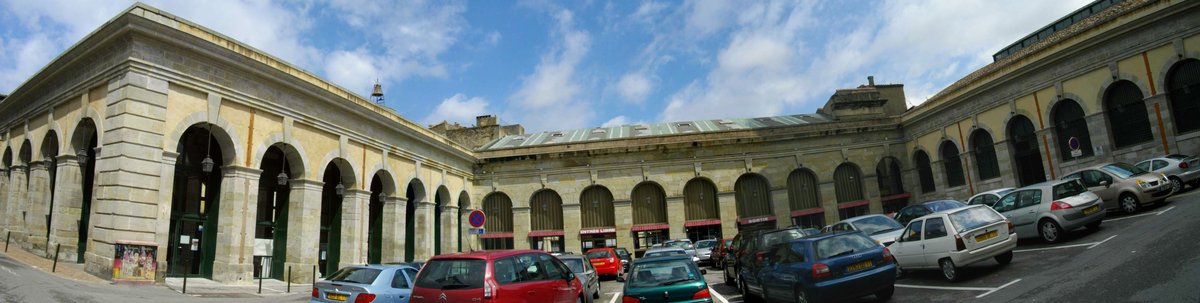
The Théâtre Jean-Alary occupies the site of a former Jacobin convent, established in the 16th century and pivotal in Carcassonne’s spiritual and social life for over 200 years. The French Revolution brought sweeping changes, leading to the confiscation and secularization of the site. Benoît Faral, a visionary local, acquired the former church and reimagined its sacred spaces—converting the nave into an auditorium, the choir into a stage and backstage area, and lateral chapels into galleries and corridors (theatre.carcassonne.fr; carcassonne.org).
20th-Century Modernization
With the original theater’s facilities becoming obsolete by the early 20th century, the Carcassonne municipality initiated a bold project in 1931 to construct a new, modern theater on the historic site. Architects Marcel Oudin (Paris) and Raymond Esparseil (Carcassonne) designed a structure emblematic of 1930s classicism, integrating Art Deco influences and advanced engineering methods. Swiss artist Gustave Jaulmes enriched the space with neoclassical murals, notably adorning the grand staircase and the area above the stage (theatre.carcassonne.fr).
The new theater, inaugurated in 1935 with a lecture by Paul Valéry, offered seating for 850 guests and introduced innovative features such as pre-stressed concrete for improved sightlines and acoustics.
Renovations and Modern Identity
The most significant recent transformation occurred in 2004. The renovation balanced modernization—upgrading technical infrastructure and comfort—with preservation of historical elements, particularly Jaulmes’ artwork. The venue was officially named Théâtre Jean-Alary in honor of its influential director, further cementing its status as a cultural beacon (carcassonne.org).
Architectural Highlights
- Urban Integration The theater’s design respects Carcassonne’s dense historic core, integrating harmoniously into its urban fabric (carcassonne.org).
- Italian-Style Auditorium Features a horseshoe layout for optimal acoustics and sightlines.
- Materials and Style Roman travertine, marble, and Art Deco flourishes set an elegant tone.
- Decorative Art Gustave Jaulmes’ murals, including “Fête champêtre,” elevate interior spaces.
- Capacity 850 seats, offering both intimacy and grandeur.
Programming and Cultural Significance
Artistic Diversity
Spanning October through May, the Théâtre Jean-Alary’s season covers an extraordinary array of genres: opera, operetta, classical and contemporary theater, ballet, jazz, comedy, and family-friendly productions (carcassonne.org; theatre.carcassonne.fr). The 2025–2026 program includes:
- Leading French actors such as Anny Duperey, Francis Perrin, and Michel Leeb
- International dance companies and musical ensembles
- Family and youth-oriented classics, such as "Hansel et Gretel" and "L’Avare" by Molière
- Contemporary humorists and tribute shows
- Major cultural festivals, including the Carcassonne Tribute Festival (lindependant.fr)
Community Engagement
The theater is committed to accessibility and inclusivity, reaching diverse audiences through affordable pricing, school group programs, and the popular “Bar éphémère”—a convivial space for audience interaction (carcassonne.org). Education and outreach initiatives nurture future generations of theatergoers.
Economic and Touristic Impact
With over 27,000 spectators and 560 subscriptions recorded in the 2024–2025 season, the theater is a vital contributor to Carcassonne’s tourism and local economy, drawing visitors from throughout the region and beyond (lindependant.fr).
Visitor Information: Plan Your Visit
Visiting Hours
- Box Office Monday–Friday, 10:00 AM–6:00 PM; Saturdays (performance days), 10:00 AM–8:00 PM
- Guided Tours Available by appointment during the performance season (October–May), typically Tuesday–Sunday, 10:00 AM–5:00 PM (theatre.carcassonne.fr)
Ticketing
- Purchase Online via the official theater website, at the box office, or through authorized vendors
- Pricing €28–€59 (varies by event and seating)
- Discounts Available for students, seniors, groups, and families
Accessibility
- Wheelchair-accessible entrances and seating
- Assistive listening devices available on request
- Barrier-free routes and climate-controlled environment
Getting There
- Address Place Jean Alary, 11000 Carcassonne, France
- Transport Accessible by foot from city center and major landmarks; nearby bus stops and parking (e.g., Parking Bastide Saint-Louis); 15-minute walk from the train station
Notable Nearby Attractions
Enhance your visit by exploring Carcassonne’s other historical treasures:
- Cité de Carcassonne Medieval fortress and UNESCO World Heritage Site
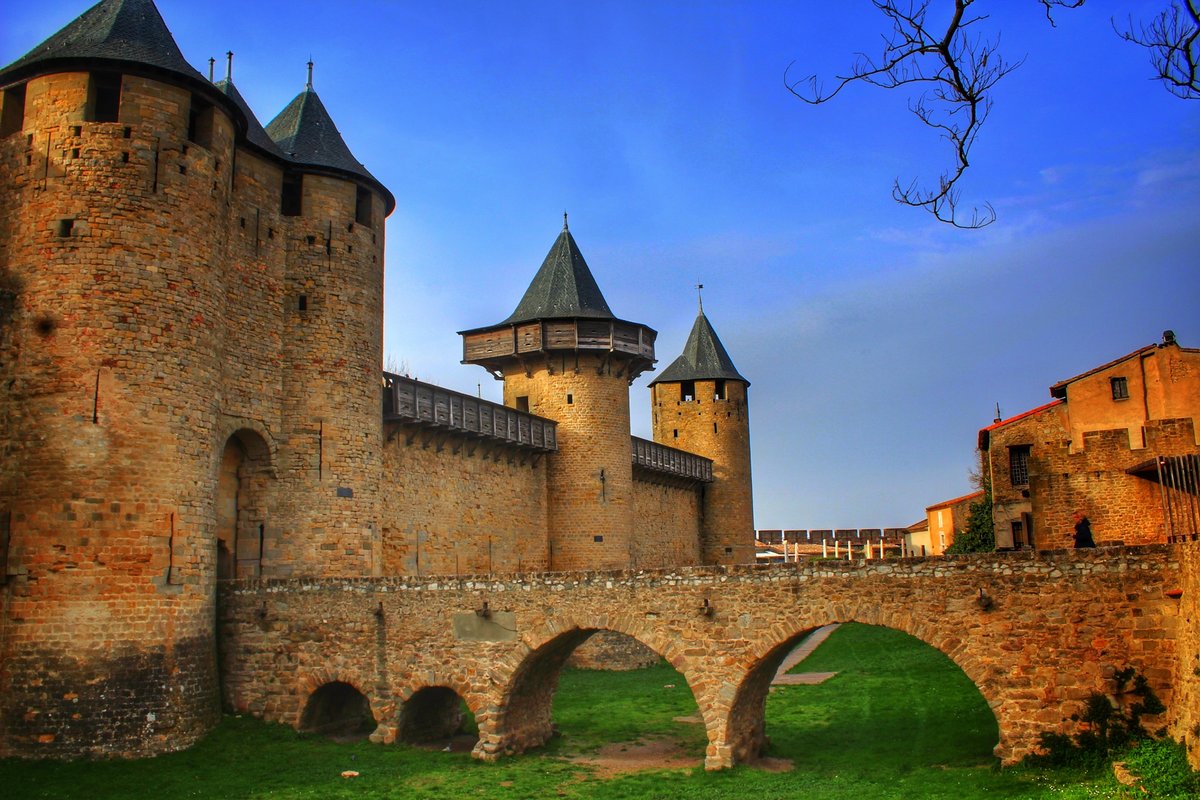
- Château Comtal Iconic castle within the fortified city
- Basilica of Saints Nazarius and Celsus Gothic and Romanesque architectural gem
- Musée des Beaux-Arts Fine arts museum near the theater
- Canal du Midi Scenic waterway ideal for walking or cycling
Special Events and Partnerships
- Seasonal Festivals Includes city-wide celebrations and holiday specials
- Partnerships Collaborations with local hotels (e.g., L'écrin Coeur de Vignes, L'écrin Grand Panorama) offer exclusive packages
- Audience Engagement Post-show discussions, artist meet-and-greets, and educational workshops
Frequently Asked Questions (FAQ)
Q: What are the visiting hours?
A: The box office is open Monday–Friday, 10:00 AM–6:00 PM; extended hours on performance days. Guided tours are usually available Tuesday–Sunday, 10:00 AM–5:00 PM during the season.
Q: How do I purchase tickets?
A: Buy online via the official website, at the box office, or through authorized outlets.
Q: Is the theater accessible for people with disabilities?
A: Yes, the theater is fully accessible with wheelchair entrances, designated seating, and assistive devices.
Q: Are there family-friendly shows?
A: The season includes performances for all ages, with special programming for families and youth.
Q: Are non-French speakers accommodated?
A: Some shows have surtitles or are accessible to non-French speakers—check event details in advance.
Key Dates and Figures
- Decision to Rebuild July 9, 1929
- Construction Start July 19, 1933
- Completion December 27, 1935
- Inauguration July 8, 1935 (Paul Valéry lecture)
- Capacity 850 seats
- Architects Marcel Oudin, Raymond Esparseil
- Main Contractor Fiorio company (Limoux)
- Principal Artist Gustave Jaulmes