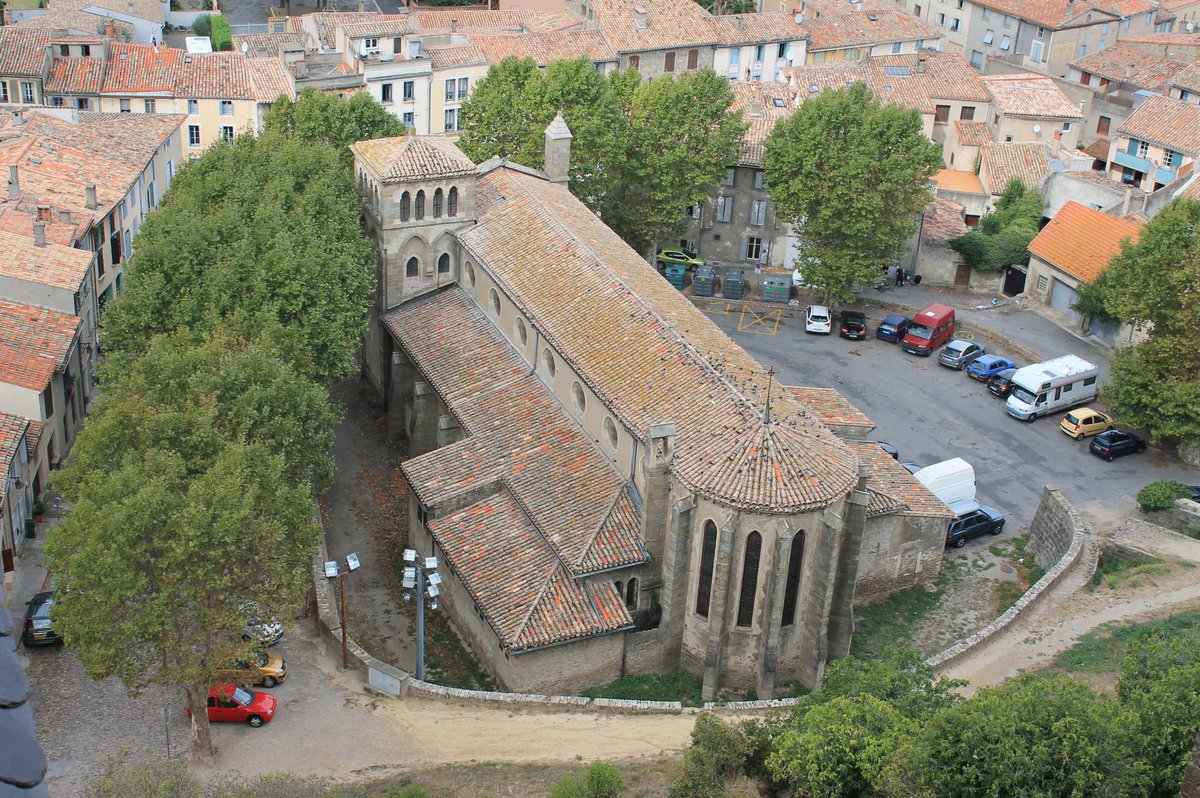
History of Église Saint-Gimer De Carcassonne
Origins and Early History
The Église Saint-Gimer De Carcassonne is named after Saint Gimer, the bishop of Carcassonne from 903 to 932. According to local tradition, Saint Gimer was born at the site where the church now stands. Initially, a modest chapel built in 1688 in the faubourg de la Barbacane served the local community for many years (Monumentum).
19th Century Developments
By the 19th century, the population of the faubourg had grown significantly due to the establishment of textile manufacturing. The original chapel became insufficient for the expanding community. An ordinance issued on May 31, 1840, elevated the chapel to the status of a succursal church, marking the beginning of plans for a larger building (Monumentum).
Architectural Transformation
Renowned architect Eugène-Emmanuel Viollet-le-Duc, a key figure in the Gothic Revival movement, was entrusted with designing the new church. His involvement ensured that the new Église Saint-Gimer would be both functional and aesthetically aligned with the region's historical and architectural heritage (Monumentum).
Construction and Features
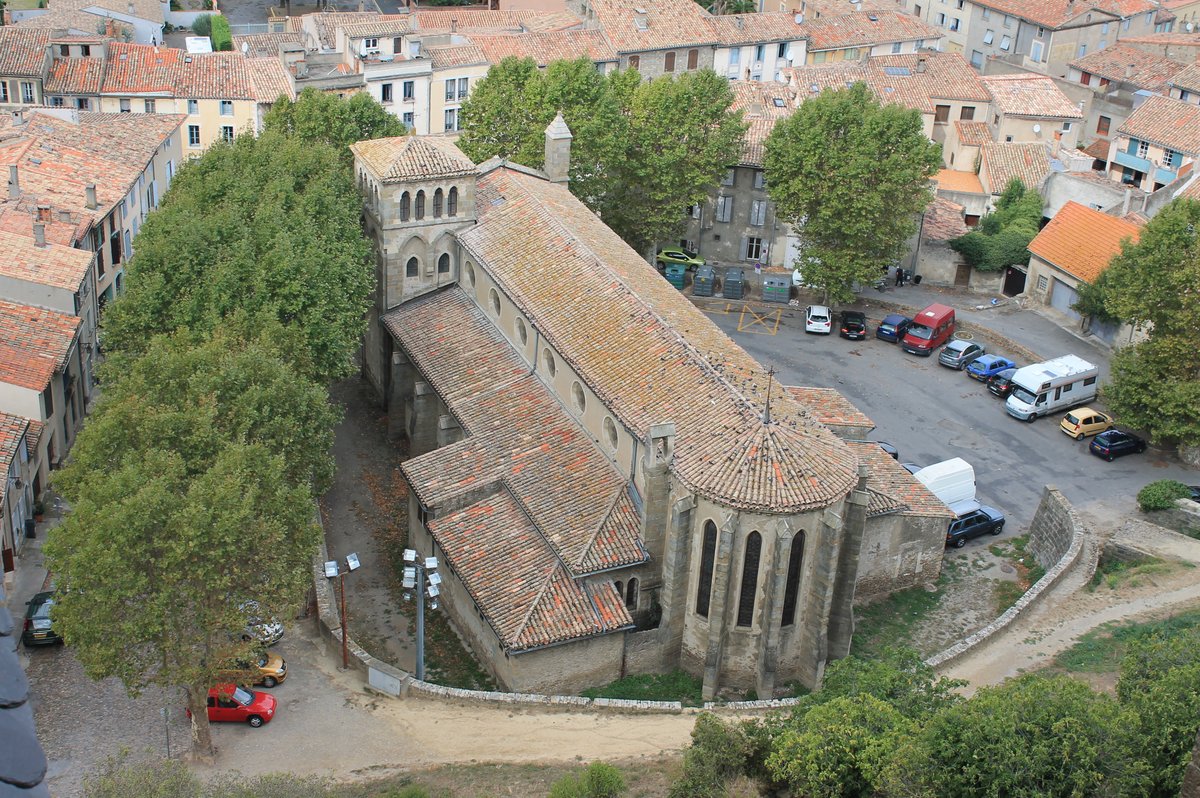
The new church features a nave with six bays, flanked by aisles, and is preceded by a porch. It includes a chapel for baptismal fonts and a bell tower situated to the right of the façade. The roof is covered with traditional tiles, adding to its regional charm. The entire structure is built on parcel AS 170, as delineated and colored in red on the official plan annexed to the classification order dated January 11, 2022 (Monumentum).
Historical Significance
The Église Saint-Gimer holds significant historical value, reflecting the broader historical trends of urbanization and industrialization in Europe. Its construction in the 19th century mirrors Carcassonne's evolution from a medieval fortress city to a modern urban center.
Preservation and Current Status
Recognized for its historical and architectural importance, the Église Saint-Gimer was classified as a Monument Historique on January 11, 2022. This classification ensures the church's protection and preservation. It continues to serve as a place of worship and a historical landmark, with an altar dedicated to Saint Gimer and a painting depicting the saint accompanied by two clerics (Monumentum).
Visitor Information
For those planning to visit, the church is located at Place Saint-Gimer, 11000 Carcassonne, France. The church is easily accessible and is situated near other historical sites within the Cité de Carcassonne. Visitors are encouraged to check the official program of the Journées Européennes du Patrimoine (European Heritage Days) for special events and guided tours that might be available during their visit (Monumentum).
Visiting Hours: The church is generally open to visitors from 9 AM to 6 PM daily. However, hours may vary during special events and holidays.
Tickets: Admission to the church is free, but donations are appreciated to help with maintenance and preservation efforts.
Accessibility: The church is wheelchair accessible, and there are facilities for visitors with disabilities.
Travel Tips and Nearby Attractions
- Photographic Spots The church's façade and bell tower provide excellent photo opportunities, especially during sunset.
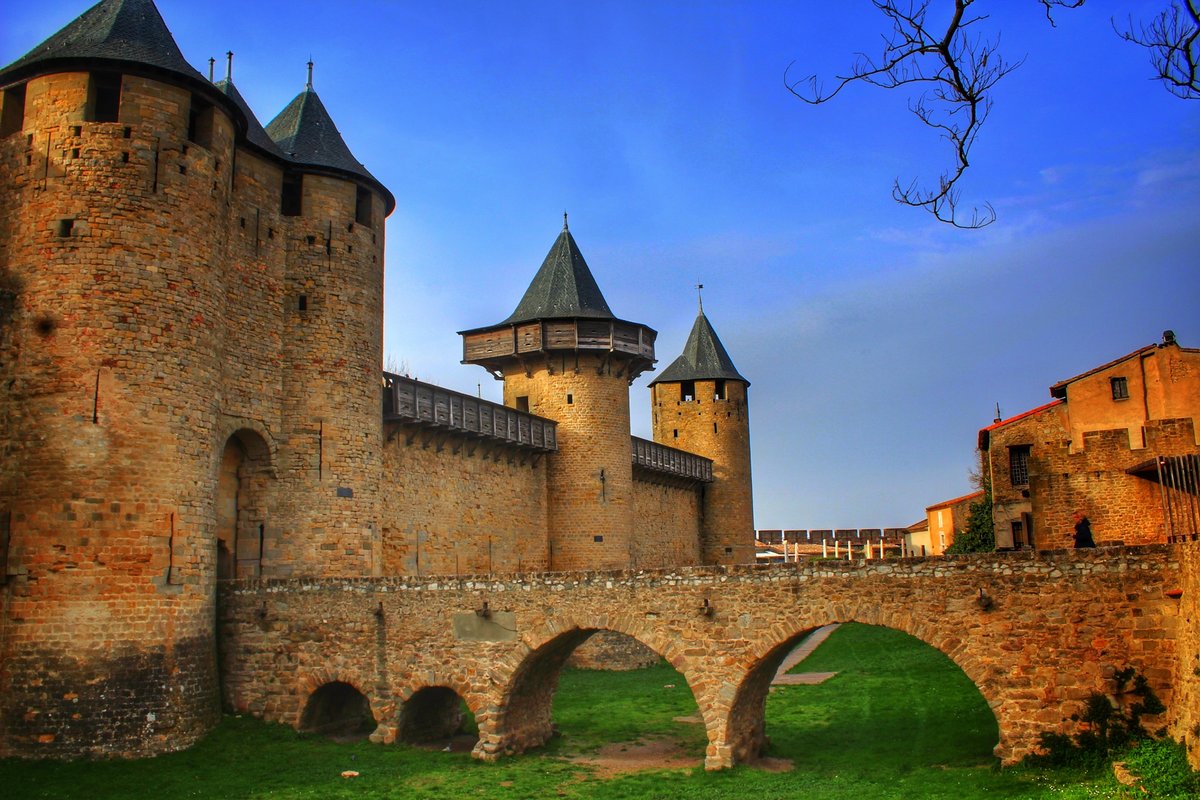
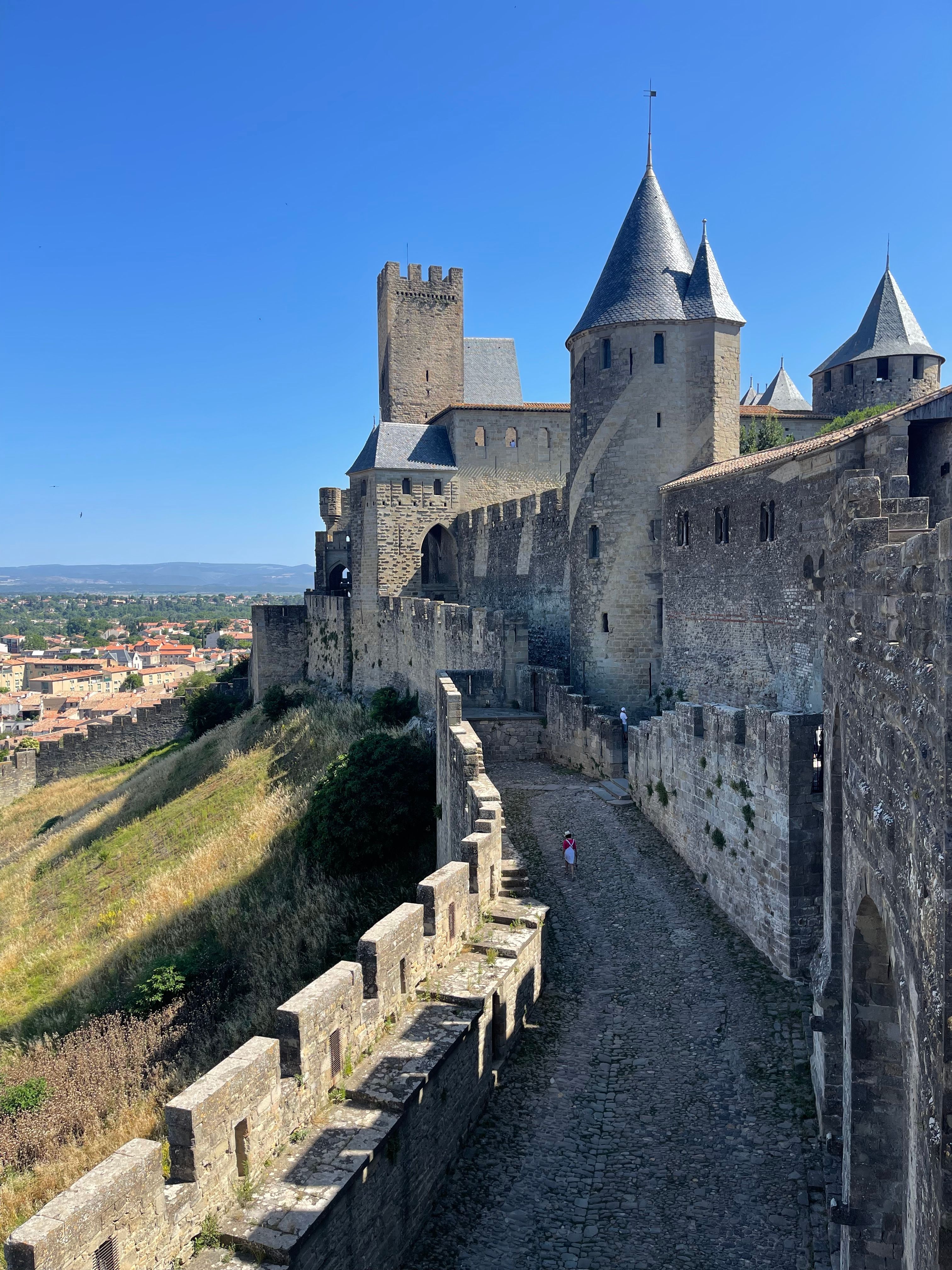
- Nearby Attractions Don't miss the nearby medieval city of Carcassonne, the Château Comtal, and the Basilica of Saint-Nazaire.
- Special Events Check for concerts and special services that may be held at the church, especially during the European Heritage Days.
FAQ
Q: Is there a dress code for visiting the church? A: While there is no strict dress code, visitors are advised to dress modestly out of respect for the sacred space.
Q: Are guided tours available? A: Yes, guided tours are available during special events like the European Heritage Days. Check the official website for more details.
Q: Can I take photographs inside the church? A: Photography is allowed, but please refrain from using flash to preserve the artworks.