
Historical Background and Community Impact
Origins and Community Context
Established to address the unique health and wellness needs of Ottawa’s Indigenous population, the Wabano Centre arose from a vision to overcome barriers Indigenous peoples face in urban healthcare. Located in multicultural Vanier, Wabano offers a holistic approach, combining traditional healing with modern medicine. Over the years, its mandate has expanded to include education, outreach, and cultural programming—strengthening Indigenous identity and building bridges within Ottawa.
Milestones and Influence
From humble beginnings as a small clinic, the Centre has grown into a vibrant community hub. A transformative expansion in 2013, guided by Douglas Cardinal, increased its capacity for youth programming, cultural workshops, and major community events, including national forums on reconciliation and Indigenous identity. Today, Wabano is recognized as a leader among Ottawa’s Indigenous and cultural institutions, shaping conversations about health, heritage, and community cohesion.
Architectural Significance
Vision and Philosophy
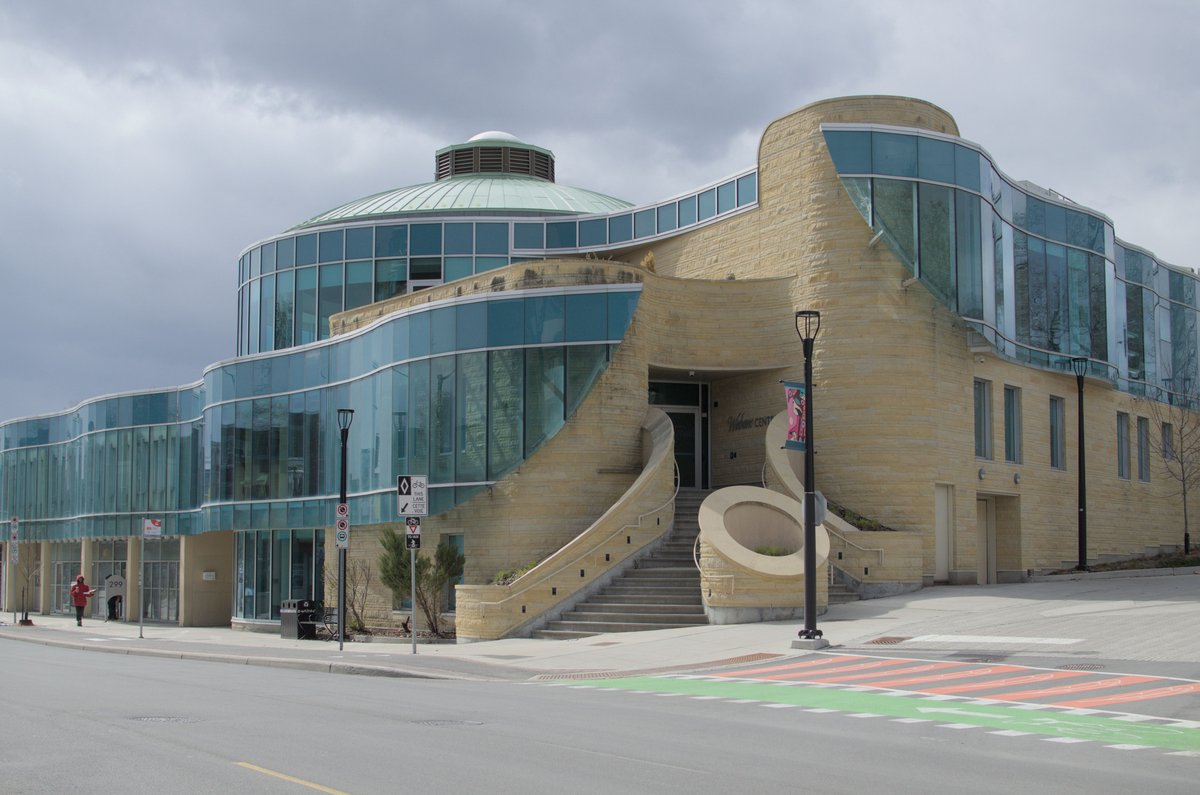
Douglas Cardinal’s architectural vision for Wabano centres on organic forms and Indigenous symbolism. The building’s fluid lines, use of wood and stone, and embrace of natural light reflect Indigenous perspectives on interconnectedness and respect for the land.
Key Features
Exterior:
The curving façade, prominent dome, and expansive windows welcome natural light and visitors alike. Indigenous art and a striking mural establish Wabano as an unmistakable Vanier landmark. The circular dome, used for ceremonial gatherings, embodies the circle of life and the importance of community.
Interior:
Inside, communal spaces foster a sense of warmth and belonging. Features such as the smudging circle, traditional medicine drying racks, and Indigenous artwork integrate cultural practice with everyday life. These spaces are designed for ceremonies, workshops, and community meetings, emphasizing holistic wellness.
Expansion and Recognition
Recent additions, led by Marco Ianni and Bell+Associates Architecture, have adapted adjacent spaces for recreation and youth engagement while preserving the original design ethos. Wabano’s architecture has earned national acclaim as a model for Indigenous-led design and cultural expression.
Visitor Information
Hours and Admission
- Opening Hours Monday to Friday, 8:30 AM to 5:00 PM
- Evenings/Weekends Select workshops and events may occur outside standard hours—check the official schedule for details.
- Admission Free entry to public spaces and most programs; some workshops or special events may require registration or a nominal fee.
Tours and Workshops
Guided tours highlight Wabano’s architectural symbolism and Indigenous cultural practices. Advance booking is recommended. The Centre also offers public workshops—see the events page for topics and registration.
Accessibility
Wabano is fully accessible: barrier-free entrances, elevators, and accessible washrooms ensure an inclusive experience. Staff are available to assist with special needs.
Photography and Etiquette
Photography is permitted in public areas, but please seek permission before photographing individuals or during ceremonies. Visitors are expected to respect privacy and cultural protocols.
Getting There & Nearby Attractions
- Location 299 Montréal Road, Vanier, Ottawa, ON
- Transit Easily accessible via OC Transpo buses and the O-Train Line 1.
- Parking Limited on-site; additional street parking nearby.
- Explore While in Vanier, consider visiting the Shenkman Arts Centre or Aboriginal Experiences Ottawa.
Cultural and Symbolic Importance
Wabano’s design and programming are living acts of cultural affirmation. The circular forms, Indigenous art, and use of natural materials convey resilience and connection to tradition. Open-door policies and inclusive events foster dialogue and reconciliation between Indigenous and non-Indigenous communities, making Wabano a vital site for education and understanding.
Signature Events and Community Programs
Igniting the Spirit Gala
Each June, the Igniting the Spirit Gala celebrates National Indigenous Peoples Day and raises funds for Wabano’s programs. The 2025 gala, themed “Walking in Beauty,” will be held on June 19 at the Ottawa Conference and Event Centre, featuring Indigenous cuisine, performances, and a silent auction. Advance tickets are required.
Ongoing Activities
- Cardio Drum Fitness
- Sisters in Recovery (healing circle for Indigenous women and gender-diverse people)
- Diabetes Education Group
Most activities are free or low-cost and prioritize Indigenous community members, while also welcoming allies to certain events.
Citywide Participation
During Doors Open Ottawa, Wabano opens its doors for public tours and demonstrations, drawing thousands of visitors.
Frequently Asked Questions (FAQ)
What are the visiting hours?
Monday to Friday, 8:30 AM to 5:00 PM; special events may occur outside these hours.
Is there an admission fee?
General admission is free; some workshops or events may require registration or a fee.
Are guided tours available?
Yes, by appointment or during special events.
Is the Centre accessible?
Yes, Wabano is fully accessible.
Do I need proof of Indigenous ancestry to visit?
Proof is required only for certain health services; all are welcome at public events and tours.
Can I take photos inside?
Yes, in public areas—please ask permission during ceremonies or before photographing individuals.