
History and Development
Origins and Urban Transformation
Confederation Park was established on land that once housed the Roxborough Apartments, the former residences of Prime Ministers William Lyon Mackenzie King and Louis St. Laurent. Following the city’s 1949 Greber Plan—a transformative urban blueprint to beautify Ottawa—the site was cleared to create a commemorative public space along the Rideau Canal. While a National Museum of Science was initially planned, the area was ultimately developed into parkland to mark Canada’s centennial in 1967, symbolizing national unity and progress (Wikipedia).
National Historic Site Status
In recognition of its historical and civic significance, Confederation Park is designated as a National Historic Site, managed by the NCC as a vital gathering place for both residents and visitors (NCC Confederation Park page).
Key Monuments and Artworks
Confederation Park is home to several important monuments:
- Lieutenant Colonel John By Fountain A grand Peterhead granite fountain, originally from London’s Trafalgar Square, dedicated to the engineer of the Rideau Canal (NCC Blog: Secrets Hidden).
- National Aboriginal Veterans Monument Honoring Indigenous military service, this monument is central to annual remembrance ceremonies.
- South African War Memorial Commemorates Canadians who served in the South African War (1899–1902).
- Canadian Animals in War Memorial Features a dog sculpture and plaques, paying tribute to animals who served in Canadian military efforts.
- Totem Pole Donated by British Columbia in 1971, this artwork highlights Indigenous culture and provincial unity.
Park Layout and Accessibility
Geographic Setting
Confederation Park is bounded by Elgin Street, Laurier Avenue, the Rideau Canal, and Mackenzie King Bridge. Its central location puts visitors within easy reach of Parliament Hill, the National Arts Centre, and the Rideau Centre (Mapcarta).
Pathways and Circulation
A network of paved walkways makes the park fully accessible for walkers, cyclists, strollers, and wheelchairs. Open lawns and shaded benches create welcoming spaces for relaxation, picnics, and gatherings (Ottawa Building Services).
Visiting Hours and Ticket Information
- Hours Open daily from dawn to dusk, year-round.
- Admission Free for general access; no tickets required for entry.
- Special Events Some festivals and concerts may require tickets or passes. Check event websites or the Ottawa Tourism Event Calendar for details.
Annual Events and Festivals
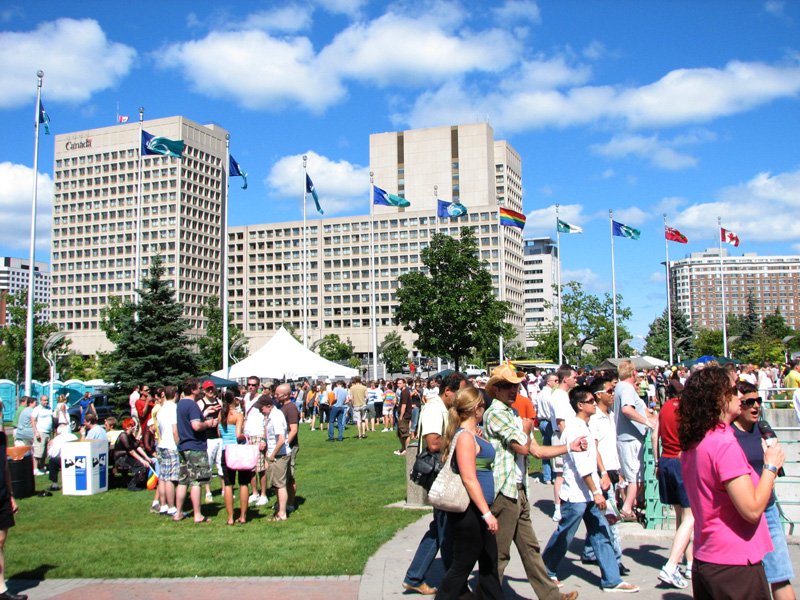
Confederation Park is a premier venue for Ottawa’s marquee cultural events:
Ottawa International Jazz Festival
Each June, the park becomes the main stage for the Ottawa International Jazz Festival, Canada’s top jazz event. The festival features international artists, family-friendly activities, and food vendors. Some events are free, while main concerts require tickets.
Winterlude
In February, Confederation Park transforms for Winterlude, featuring international ice sculpture competitions, light shows, and winter games. The adjacent Rideau Canal Skateway is easily accessible for skating enthusiasts.
Canada Day
On July 1st, the park hosts Canada Day festivities, including live performances, cultural displays, and family-friendly activities (Canada Day in Ottawa).
Other Events
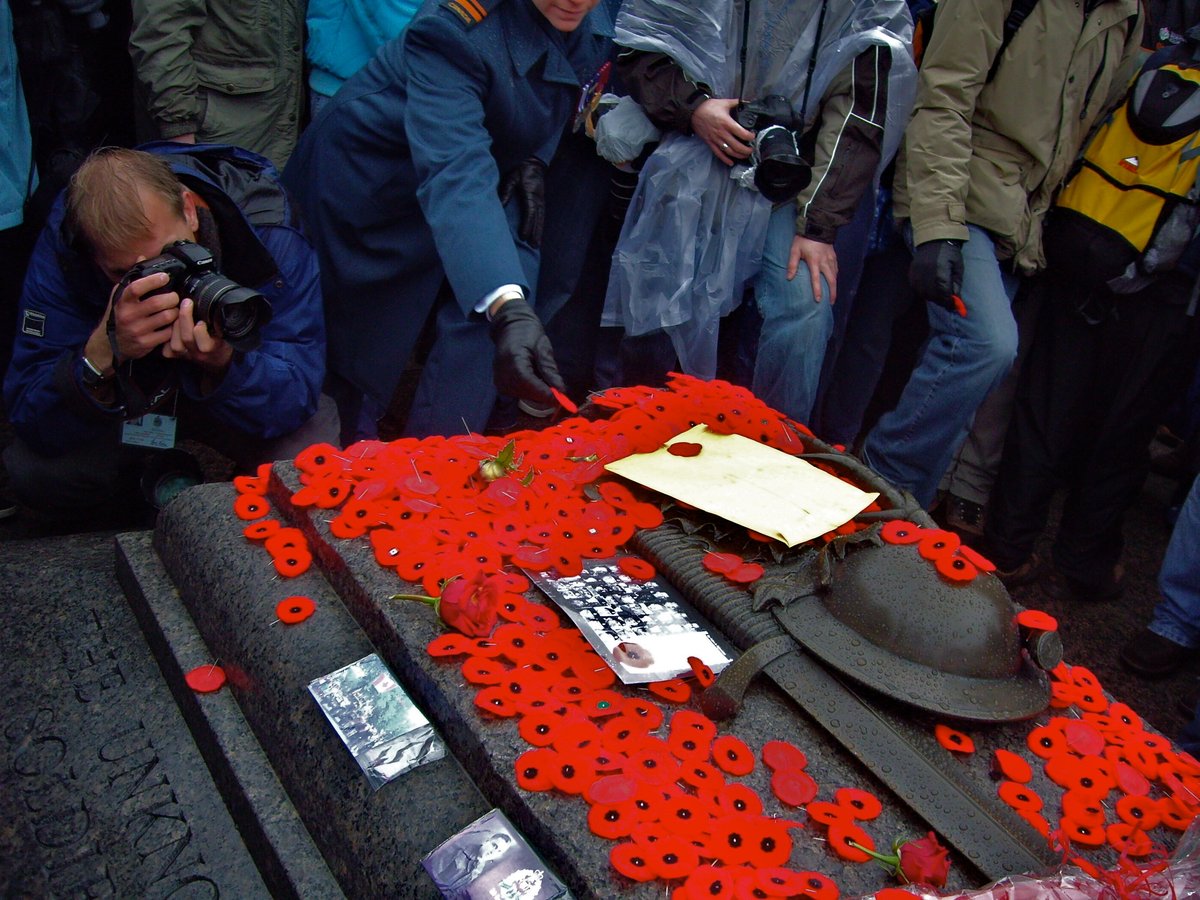
Confederation Park also hosts National Aboriginal Veterans Day ceremonies, Remembrance Day gatherings, pop-up art installations, and public advocacy rallies throughout the year.
Visitor Amenities and Services
- NCC Bistro Open in summer, offering light meals and beverages with shaded seating (NCC Confederation Park page).
- Restrooms Portable facilities are available during festivals and events; permanent restrooms are not on-site.
- Accessibility Paved, flat paths support full accessibility for wheelchairs and strollers.
- Seating Benches and picnic tables are distributed throughout the park.
- Pet Policy Dogs are welcome but must be leashed; owners must clean up after their pets.
Travel Tips
- Best Times to Visit Spring and summer offer lush landscapes and active events; winter features unique ice sculptures and canal skating.
- Transportation The park is accessible by foot, bike, OC Transpo buses, and the O-Train Confederation Line (Rideau and Parliament stations nearby). Parking is limited during festivals; public transit is recommended.
- What to Bring Comfortable footwear, weather-appropriate clothing, and a camera for capturing monuments and events.
- Safety The park is safe, with increased security during events. Keep personal belongings secure and follow event guidelines.
Nearby Attractions
- Parliament Hill A short walk north, offering tours and city views.
- Rideau Canal Adjacent to the park, ideal for walking, cycling, or skating in winter (Tiny Footsteps Travel).
- National Arts Centre Across Elgin Street, renowned for its performances and exhibits.
- ByWard Market A lively district with shops and restaurants, within a 10–15 minute walk.
- Ottawa City Hall Just south of the park, featuring public art and the Rink of Dreams skating rink in winter.
FAQs
Q: What are Confederation Park’s opening hours?
A: The park is open daily from dawn to dusk, year-round.
Q: Is there an entry fee or ticket required?
A: General admission is free. Tickets are only required for certain festivals or concerts.
Q: Is Confederation Park wheelchair accessible?
A: Yes, with paved, flat walkways suitable for wheelchairs and strollers.
Q: Are pets allowed?
A: Yes, dogs must be on a leash and cleaned up after.
Q: Are public restrooms available?
A: Portable restrooms are available during events; otherwise, facilities may be limited.
Q: How do I find event schedules and ticket info?
A: Check the Ottawa Tourism Event Calendar or specific event websites.