
Architectural Evolution
Original Design and Modifications
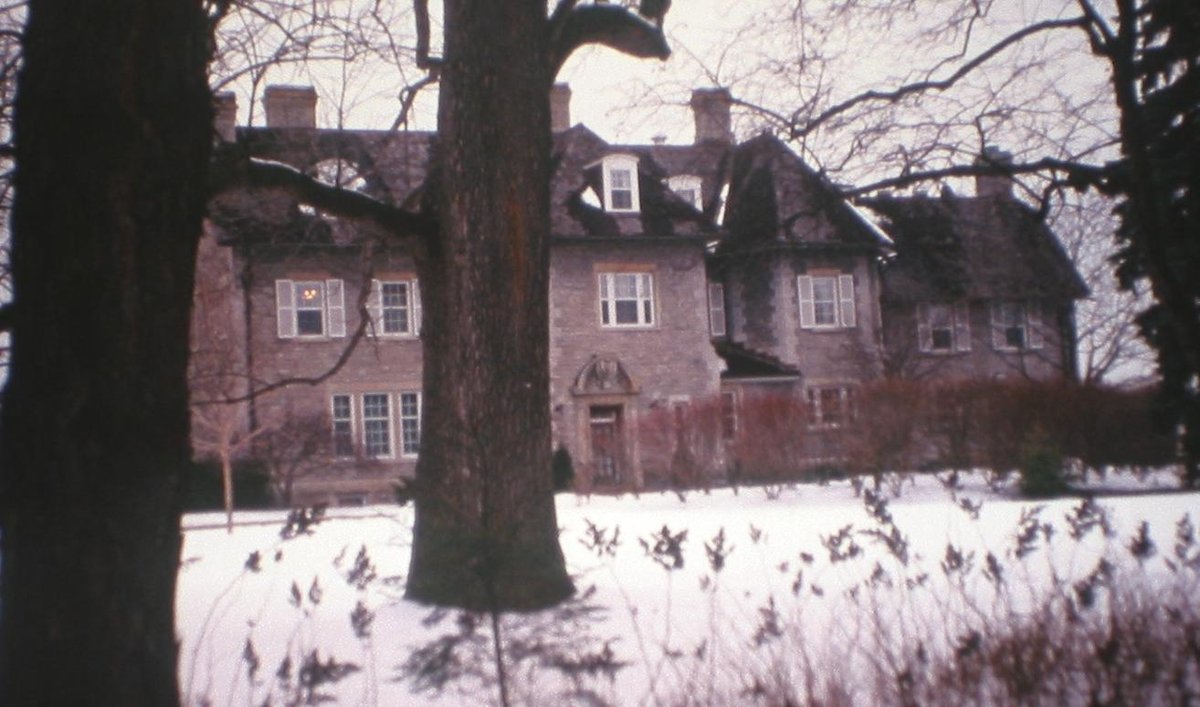
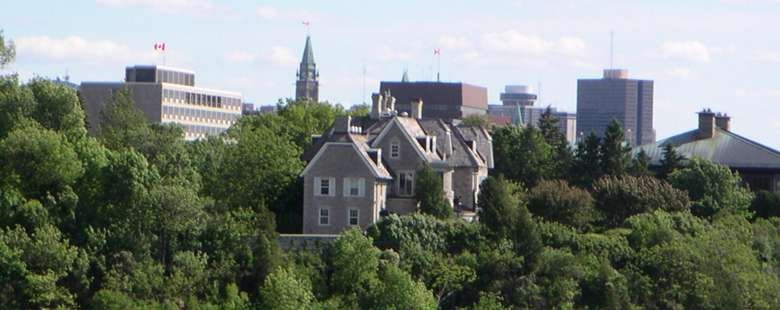
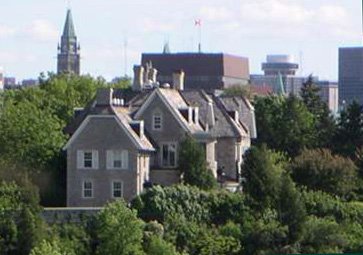
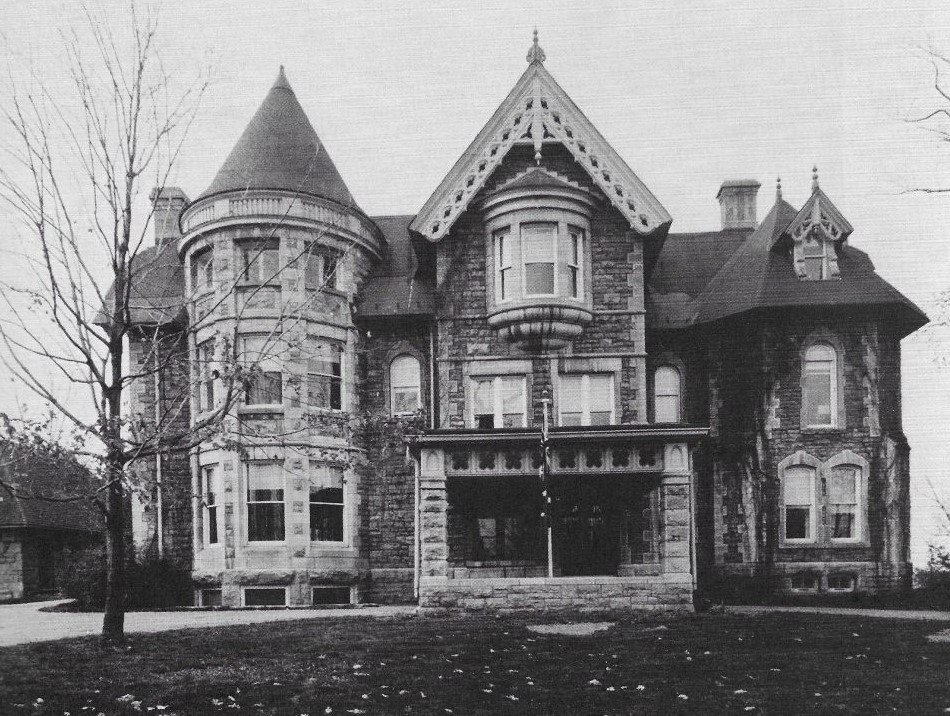
Initially constructed as a Gothic Revival limestone villa, the house’s architecture echoed the grandeur of Parliament Buildings. Over subsequent decades, successive owners—mainly lumber barons—infused the home with châteauesque elements, including towers and oriel windows, reflecting contemporary tastes. (Parks Canada FHBRO)
Transition to Official Residence
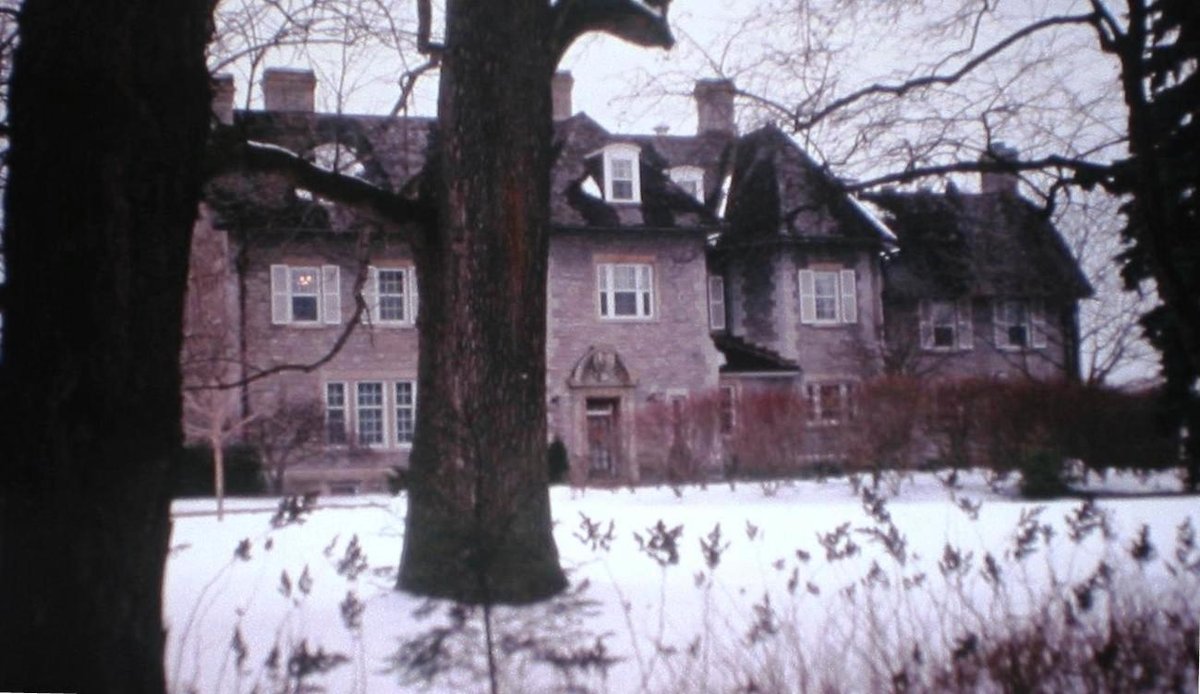
By the 1940s, Sussex Drive had become a diplomatic corridor, and 24 Sussex was the last private residence in the area. The Canadian government expropriated the property in 1943, and extensive renovations in 1950-51 simplified its ornate features, giving it the more restrained and formal façade recognized today. The residence officially became the Prime Minister’s home in 1951. (National Trust for Canada; Parks Canada FHBRO)
Property Grounds and Features
Spanning 2.15 hectares, the estate includes the main house with over 30 rooms, a coach house, guard houses, a swimming pool connected by a tunnel, and a ceremonial circular driveway. Its location bridges Rideau Hall and Parliament Hill, reinforcing its ceremonial importance. (Canadian Architect)
Political and Cultural Significance
Since becoming Canada’s official Prime Minister’s residence, 24 Sussex Drive has been home to all prime ministers except Kim Campbell and Justin Trudeau (who has declined to reside there due to its poor condition). The house has welcomed global dignitaries, including the Kennedys, and has been the setting for both state functions and personal family milestones. In 1986, its association with six prime ministers contributed to its recognition as a "Classified" Federal Heritage Building—the highest level of heritage status in Canada. (Parks Canada FHBRO)
The residence is a national symbol of leadership, paralleling other countries’ official homes such as 10 Downing Street or the White House. It embodies the intersection of private life and public duty, and its layered history reflects Canada’s political evolution. (Carleton University)
Heritage Status and Debates
24 Sussex Drive’s heritage value lies in its architectural journey, political connections, and its role in Ottawa’s ceremonial landscape. Heritage debates focus on whether to restore, rebuild, or radically adapt the structure for sustainability while preserving its symbolic integrity. Proposals by architects and heritage organizations highlight potential for deep energy retrofits and new, accessible designs that respect its history. (TRACE Journal; Architects DCA)
Contrary to common belief, heritage is not about preserving a building in its "original" state, but about respecting its evolving narrative and adaptive reuse—a principle seen in the ongoing international preservation of buildings with complex histories.
Restoration Efforts and Current Status
As of June 2025, 24 Sussex Drive remains unoccupied due to critical health and safety issues:
- Outdated electrical systems
- Asbestos, lead paint, and mold
- Rodent infestations
- Water damage from aging infrastructure
- Absence of modern heating/cooling systems
Remediation began in 2023, with the National Capital Commission removing hazardous materials and consulting on comprehensive restoration plans. The cost of a full restoration or rebuild is a subject of public debate, with estimates reaching $100 million. The Official Residences Act mandates ongoing maintenance, fueling discussions about balancing heritage conservation with modern needs. (CBC News; Heritage Ottawa; Global News)
Visitor Information and Nearby Ottawa Attractions
Visiting 24 Sussex Drive
- Public Access 24 Sussex Drive is a private official residence and currently closed to the public. There are no tickets or guided tours available.
- Viewing The house is visible from the gates along Sussex Drive, but visitors cannot enter the grounds.
- Accessibility Sidewalks near the residence are accessible for pedestrians and wheelchairs. (TripHobo)
Nearby Historical Attractions
While 24 Sussex Drive itself is inaccessible, Ottawa offers a rich array of public heritage sites:
- Rideau Hall The Governor General’s residence; open for guided tours and garden walks.
- Parliament Hill Canada’s legislative heart, with public tours and events.
- ByWard Market A vibrant, historic district ideal for exploring shops and local cuisine.
- Laurier House National Historic Site A publicly accessible former prime minister’s residence.
- Canadian Museum of History Across the river, offering in-depth exhibitions on Canadian heritage. (Ontario Away; Living Nomads; New Canadian Life)
Travel Tips
- Plan ahead Consult official websites for opening times and tour availability of nearby attractions.
- Public transit Sussex Drive is accessible via OC Transpo bus routes 9 and 12.
- Photography Early morning and late afternoon offer the best light for exterior photos, especially when seasonal foliage or snow enhances the scene.
- Walking tours Explore Ottawa’s historic districts on foot for a richer experience.
Frequently Asked Questions (FAQ)
Q: Can I tour the inside of 24 Sussex Drive?
A: No, the residence is closed to the public and does not offer tours.
Q: Are tickets required to visit 24 Sussex Drive?
A: No tickets are required or available, as the site is not open for public access.
Q: What can I see at 24 Sussex Drive?
A: The exterior and its scenic setting along the Ottawa River can be viewed from the public sidewalk.
Q: Are there accessible alternatives nearby?
A: Yes; Rideau Hall, Parliament Hill, and the National Gallery offer tours and are wheelchair accessible.
Q: What is the current status of restoration?
A: The residence is undergoing remediation, and decisions about restoration or rebuilding are ongoing.
Internal Links
- Top Historical Sites in Ottawa
- Guide to Ottawa’s Political Landmarks
- Best Walking Tours in Ottawa