Historic Evolution of Lees Station and Area
Indigenous and Early Settlement
Long before modern transit, the Lees Avenue area was inhabited by Algonquin peoples who relied on the Rideau River as a travel route and gathering place. The construction of the Rideau Canal (1826–1832)—now a UNESCO World Heritage Site—brought new settlers and workers, shaping the early community that would become Ottawa.
Industrialization and Urban Changes
By the late 19th and early 20th centuries, Lees Avenue grew into an industrial center, leveraging its proximity to both river and rail. Post-World War II redevelopment saw significant changes, including the construction of Highway 417, which shifted the area’s character toward education and residential uses.
Institutional and Transit-Oriented Growth
In 1964, Algonquin College established a campus here, and by 2007 the University of Ottawa had acquired the site, anchoring the area with academic and athletic facilities. The opening of Lees Station as part of the O-Train Confederation Line in 2019 marked a new era of transit-oriented development, emphasizing accessibility, sustainability, and integrated community growth (Ottawa East Community Association).
Visiting Lees Station: Practical Guide
Location and Access
- Address 200 Lees Avenue, Ottawa, ON
- Transit Connections O-Train Confederation Line (Line 1), multiple OC Transpo bus routes
- Proximity Adjacent to University of Ottawa Lees Campus and Rideau River; easy access to Sandy Hill and Old Ottawa East (Moovit)
Operating Hours
- O-Train Line 1
- Weekdays: 5:00 AM – 1:00 AM
- Weekends: 6:00 AM – 1:00 AM
- Service may be extended during special events.
- Bus Service Early morning and late-night routes available; check schedules for specific lines.
Tickets and Fares
- Purchase Options
- Ticket vending machines at the station (accepting cash, credit, debit)
- Presto cards (rechargeable transit smart cards)
- OC Transpo mobile app
- Fare Example (2025)
- Adult single ride: CAD $3.75
- Discounts for seniors, students, children
- Day passes and multi-day passes available for unlimited rides (OC Transpo Fares)
Accessibility Features
Lees Station is fully compliant with accessibility standards:
- Elevators and ramps at all entrances
- Tactile warning strips and guidance paths
- Audible and visual next-stop announcements
- Barrier-free washrooms (where available) and support rails
- Trained OC Transpo staff for assistance (CPTDB Wiki: Lees Station)
Safety and Security
- 24/7 surveillance cameras and emergency call boxes
- Well-lit platforms and waiting areas
- Regular patrols by OC Transpo Special Constables
- Enhanced crowd management and security during major events (Canada.ca Event Safety)
Visitor Tips
- Plan Ahead Use the OC Transpo website or Moovit app for real-time schedules and alerts.
- Travel Light No luggage storage at Lees Station.
- Weather Ottawa weather varies greatly—dress appropriately.
- Cycling Bike racks available; “Rack & Roll” program lets you bring bikes on transit during off-peak hours.
- Event Days Expect higher passenger volumes, possible street closures, and enhanced security (Canada.ca Canada Day Transit).
Nearby Attractions and Amenities
- University of Ottawa Lees Campus Next to the station—ideal for students and campus events.
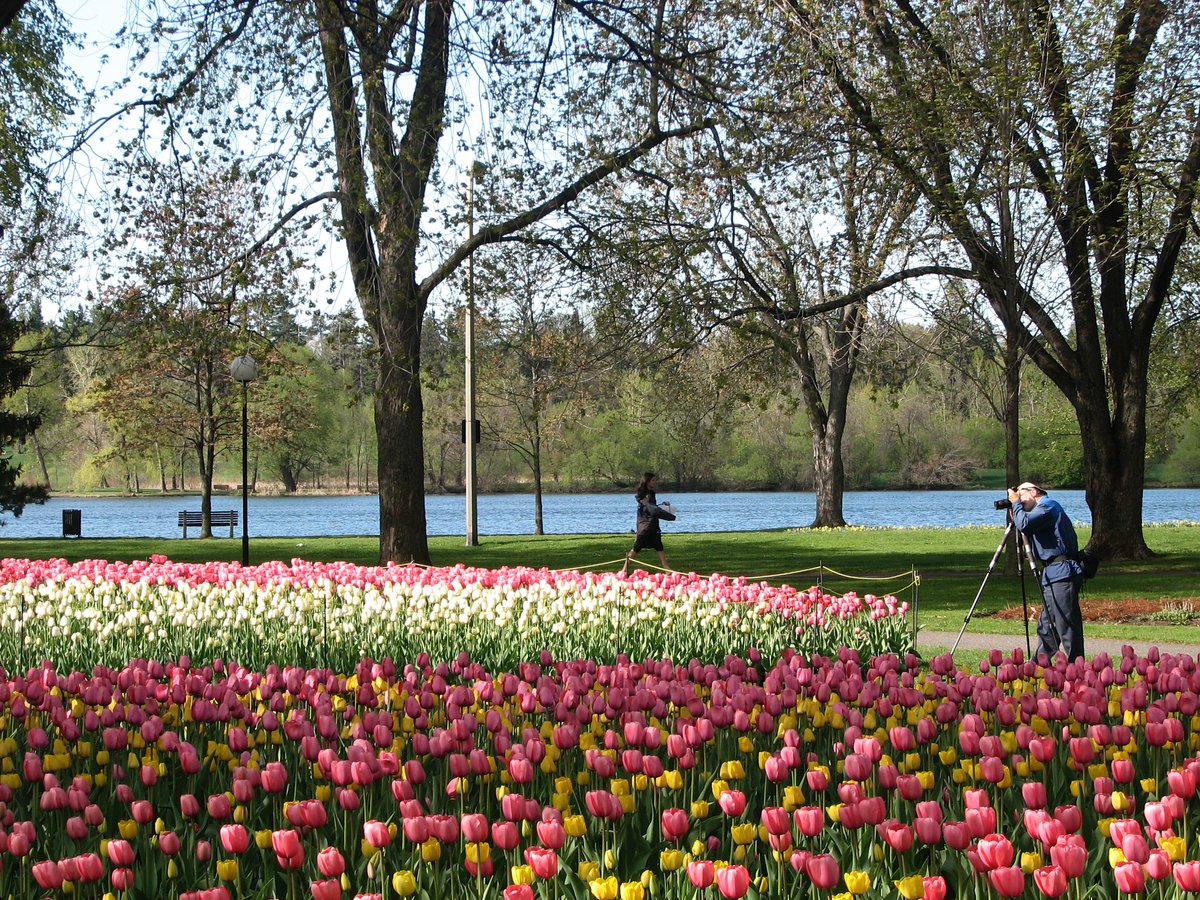
- Rideau Canal Pathway UNESCO World Heritage Site for walking, cycling, paddling (summer), or skating (winter) (Rideau Canal Activities).
- Sandy Hill Historic neighborhood with local cafes, parks, and architecture.
- Downtown Ottawa Two train stops from Parliament Hill, ByWard Market, and cultural institutions.
- Gee-Gees Field Modern sports venue for university and community events.
- Parks Strathcona Park and the Rideau River Pathway offer green spaces for relaxation.
- Dining Cafés and food options on campus and nearby; more variety downtown (ByWard Market Guide).
Station Architecture and Public Art
Lees Station features a modern, open-concept design with two side platforms, natural lighting, and clear bilingual signage. The public art installation “Transparent Passage” by Amy Thompson, with forest motifs and bird sculptures, connects the station’s design to Ottawa’s natural landscape (Wikipedia: Lees station).
Frequently Asked Questions (FAQs)
Q: What are Lees Station’s operating hours?
A: The station operates daily from approximately 5:00 AM to 1:00 AM (weekends until 2:00 AM during some events).
Q: How do I buy tickets for transit at Lees Station?
A: Use ticket machines in the station, the OC Transpo app, or a Presto card.
Q: Is Lees Station wheelchair accessible?
A: Yes, with elevators, ramps, tactile strips, and accessible washrooms.
Q: Are there washrooms at Lees Station?
A: Public washrooms are not available at this station.
Q: Can I bring my bicycle?
A: Yes, with bike racks at the station and the “Rack & Roll” program on transit.
Q: What attractions are near Lees Station?
A: University of Ottawa campus, Rideau Canal, Sandy Hill, downtown Ottawa, and more.
Maps and Visuals
Suggested visuals:
- High-resolution images of station entrances, platforms, and public art
- Photos of Rideau Canal, nearby parks, and campus
- Interactive map showing Lees Station, transit connections, and attractions