1. What are the Biccherna Tablets?
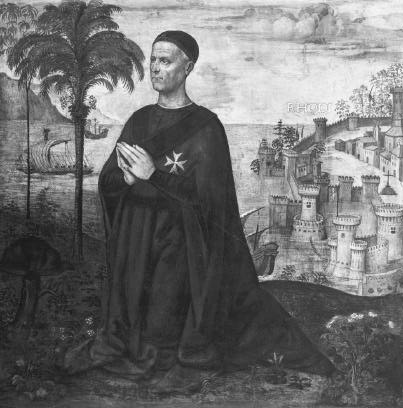
The biccherne are painted wooden panels that originally served as covers for the financial registers of Siena’s chief financial magistracy, the Biccherna. Commissioned from the mid-13th century, these panels transitioned from simple protective covers to elaborate works of art, richly decorated by the city’s foremost painters. They documented the administrative, religious, and civic milestones of Siena, making them invaluable both as historical documents and artistic treasures (Visit Siena Official).
2. History and Artistic Significance
The Biccherna office, established in the 13th century, managed Siena’s public finances and played a pivotal role in the city’s governance (Archivio di Stato Siena). Over time, the biccherne covers evolved from simple, functional items into expressive works by famed artists such as Ambrogio Lorenzetti, Simone Martini, Giovanni di Paolo, Vecchietta, Francesco di Giorgio Martini, and Domenico Beccafumi. Themes range from religious iconography to depictions of political events and everyday life, each panel inscribed with magistrates’ names, dates, and details of significant occurrences (Museionline).
The panels reflect Siena’s civic pride, artistic evolution, and social history, offering a continuous visual record across six centuries. Though some tablets are dispersed in international collections, Siena’s museum preserves the most significant and comprehensive ensemble (Visit Siena Official; Siena Agriturismo).
3. Location and Setting
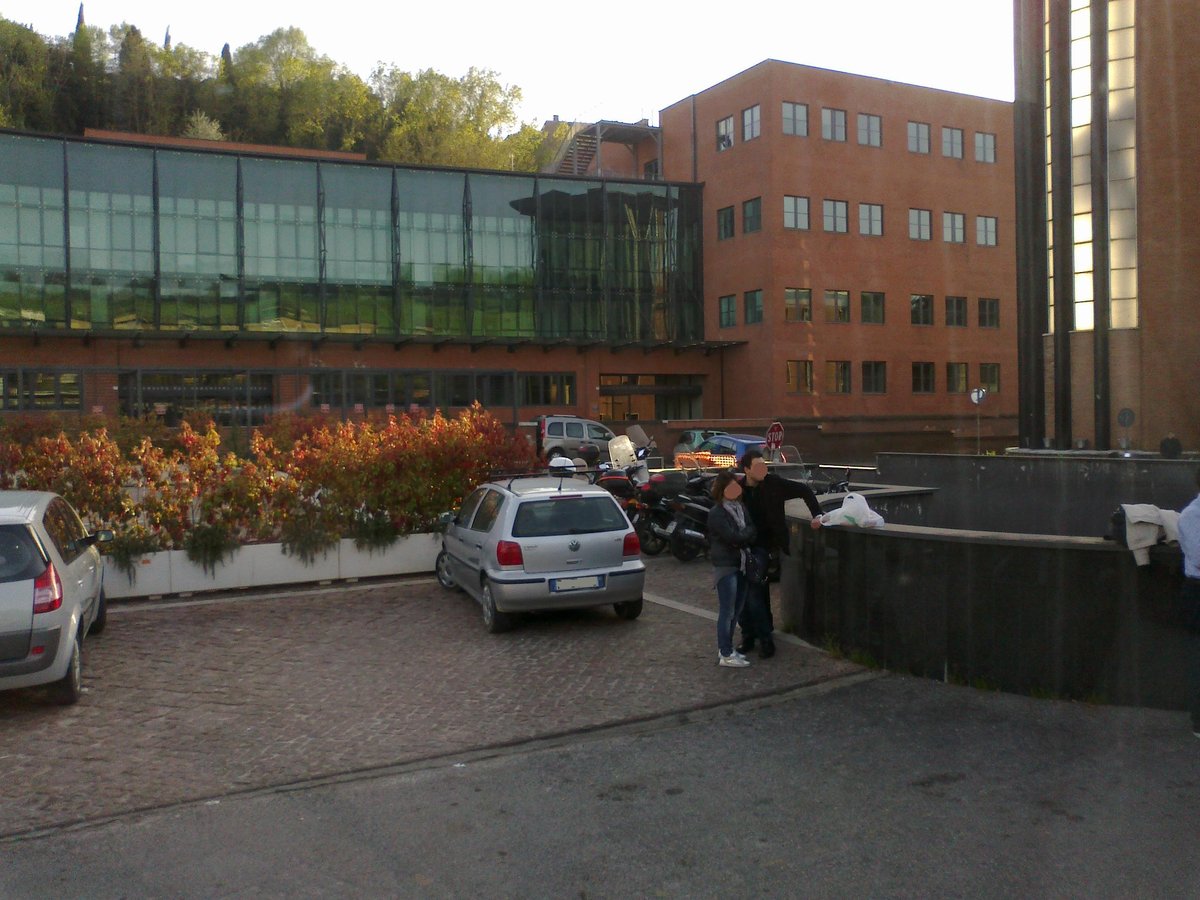
The museum is housed within Palazzo Piccolomini, home to the Archivio di Stato di Siena, at Via Banchi di Sotto, 52, in Siena’s medieval city center. The palazzo, an architectural gem of the Renaissance, is centrally located and within easy walking distance of Siena’s main attractions, such as Piazza del Campo and the Siena Cathedral. Public transport and parking facilities are available nearby, as the historic center is largely pedestrianized.
4. Visiting Hours and Admission
- Opening Days Saturdays only
- Entry Slots 10:00 AM and 11:30 AM
- Closing Time 1:00 PM
- Capacity Maximum 20 visitors per time slot
- Admission Free, but reservation is required
Visiting hours may be subject to seasonal changes and special events. Always check the official website for the latest updates (Terre di Siena).
5. Booking and Group Visits
Advance reservation is essential due to limited capacity.
- Individuals Book in advance to secure your slot.
- Groups (10+) Must reserve via email: [email protected]
Currently, guided tours are suspended, but group visits can be arranged with prior notice.
6. Thematic Routes and Collection Highlights
The museum offers three suggested thematic routes for exploring the collection:
- Artistic Attribution Trace the styles and signatures of Sienese masters across centuries.
- Thematic Content Discover panels illustrating political events, religious scenes, and public works.
- The Written Word Examine the evolution of administrative documentation and decorative motifs.
Collection Highlights:
- 1258 Biccherna: Features Camerlengo Ugo, the earliest known surviving panel.
- 1440 Panel: Depicts a mason constructing a fortress wall.
- 1467 Panel: Shows the Virgin Mary sheltering Siena’s citizens during an earthquake.
Interpretive materials are mainly in Italian; non-Italian speakers may wish to prepare with translation tools.
7. Accessibility and Services
Palazzo Piccolomini is a historic building with some architectural barriers.
- Mobility Accessibility is limited; please contact the museum in advance for support (+39 0577 247145 or [email protected]).
- Facilities Restrooms available; no café or gift shop on site.
- Photography Not permitted inside the museum to protect the artwork.
- Library/Reading Room For researchers, open Tuesday to Thursday, 8:30 AM–1:30 PM.
8. Visitor Tips
- Book Early Slots fill up quickly due to limited capacity.
- Arrive Early Allow time for check-in and security.
- Language Bring a translation app or guidebook if you don’t speak Italian.
- Combine Visits Pair your museum trip with nearby sites like the Duomo and Santa Maria della Scala.
- Respect the Setting Maintain silence and follow archive rules.
9. Nearby Attractions
- Piazza del Campo Siena’s iconic medieval square
- Siena Cathedral (Duomo) Renowned for its Gothic architecture
- Santa Maria della Scala Historic hospital complex turned museum
- Palazzo Pubblico City hall with famed frescoes
The museum’s central location makes it easy to include in any Siena sightseeing itinerary.
10. Frequently Asked Questions (FAQs)
Q: Is the Museo delle Tavolette di Biccherna accessible for those with disabilities?
A: Accessibility is limited; contact the museum before visiting.
Q: How do I reserve tickets?
A: Email [email protected]; reservations are mandatory.
Q: Are guided tours available?
A: Currently suspended; self-guided thematic routes available.
Q: Can I take photographs inside the museum?
A: No, photography is not allowed to protect the delicate panels.
Q: What languages are materials available in?
A: Primarily Italian; plan accordingly if you require English assistance.
Enhance Your Siena Experience
The Museo delle Tavolette di Biccherna is a captivating testament to Siena’s blend of art, civic administration, and history. Advance planning is essential due to its exclusive hours and capacity. We encourage you to explore Siena’s other treasures nearby and to stay connected via the museum’s official channels for updates on events, exhibitions, and multimedia resources.
Download the Audiala app for audio tours, follow us on social media, and enrich your journey through Siena’s remarkable past.