

What the place is
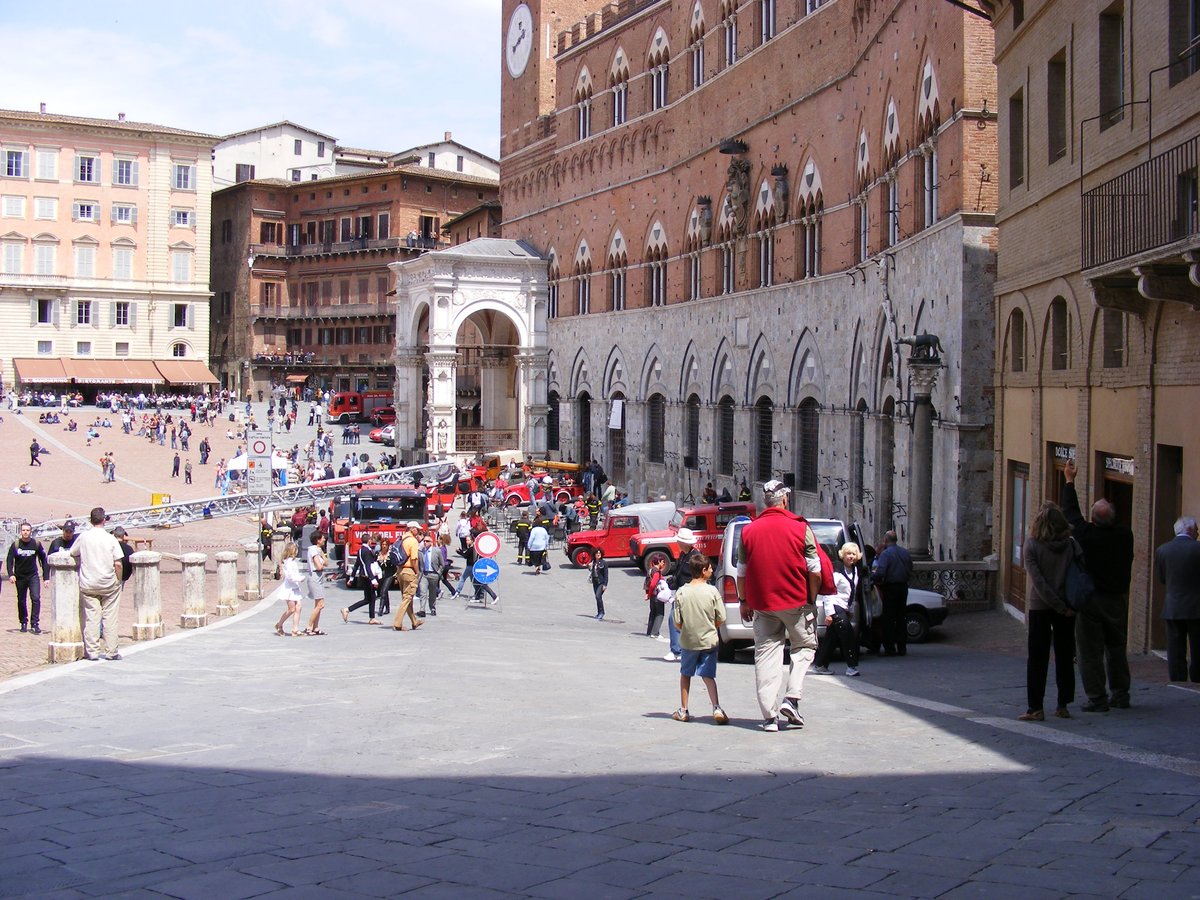
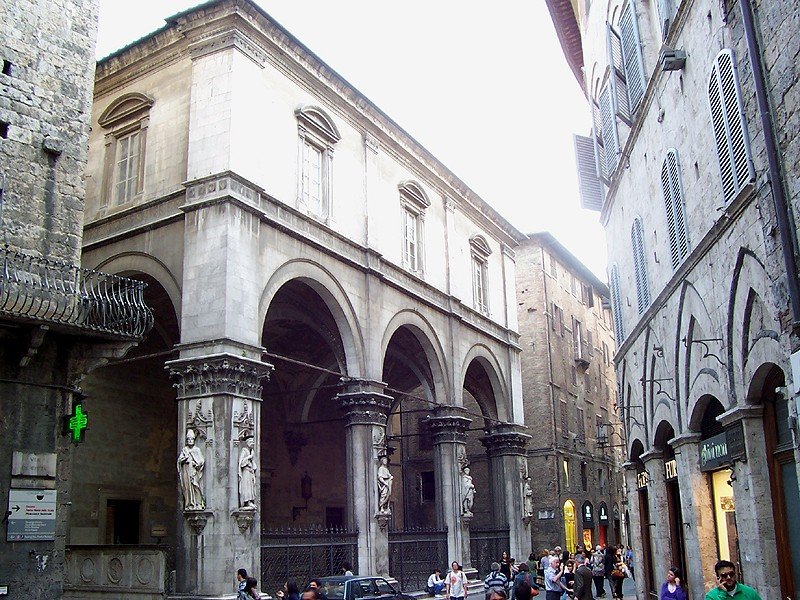
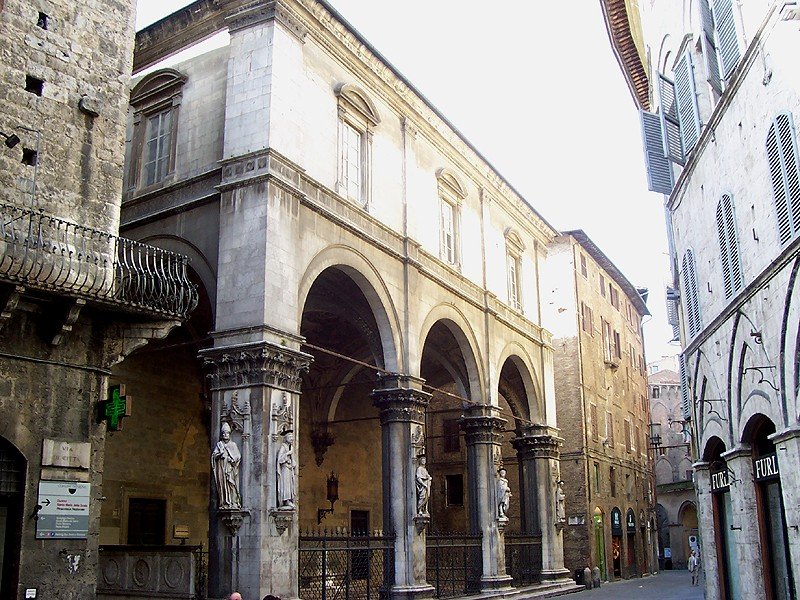
The Loggia della Mercanzia is an open-air historic monument in the heart of Siena, Italy. Also known as the Loggia dei Mercanti or Loggia di San Paolo, it reflects the city’s economic and artistic importance during the transition from Gothic to Renaissance architecture (Loggia della Mercanzia).
History
Construction began in 1417 and was completed in 1428 under the direction of Sano di Matteo. Pietro del Minella oversaw the project from 1428 to 1444. The Loggia’s style represents a transitional phase between Gothic and Renaissance architecture (Wikipedia).
During the Republic of Siena, the Loggia served as the headquarters of the Arte della Mercanzia, the merchants’ guild, which played an important part in the city’s economic and social life. Its location at the Croce del Travaglio, where Via Banchi di Sopra, Via Banchi di Sotto, and Via di Città intersect, made it a center of commercial and civic activity (Wikipedia).
In 1764, the Loggia became the property of the Circolo degli Uniti, an association founded in 1657. The change in ownership brought substantial modifications, particularly to the rear of the structure facing Piazza del Campo. A new façade designed by Ferdinando Fuga replaced the destroyed church of Santi Pietro e Paolo. The Palazzo della Mercanzia, which opens onto Piazza del Campo, was completely restructured in the mid-18th century under the guidance of architects Luigi Vanvitelli and Ferdinando Fuga (Loggia della Mercanzia).
The building’s vaulted ceilings were constructed and decorated with stuccos and frescoes in the 16th century. The decorations underwent significant restoration in the 19th century; the invasive restoration techniques of that era resulted in the loss of many original features (Wikipedia).
What to see
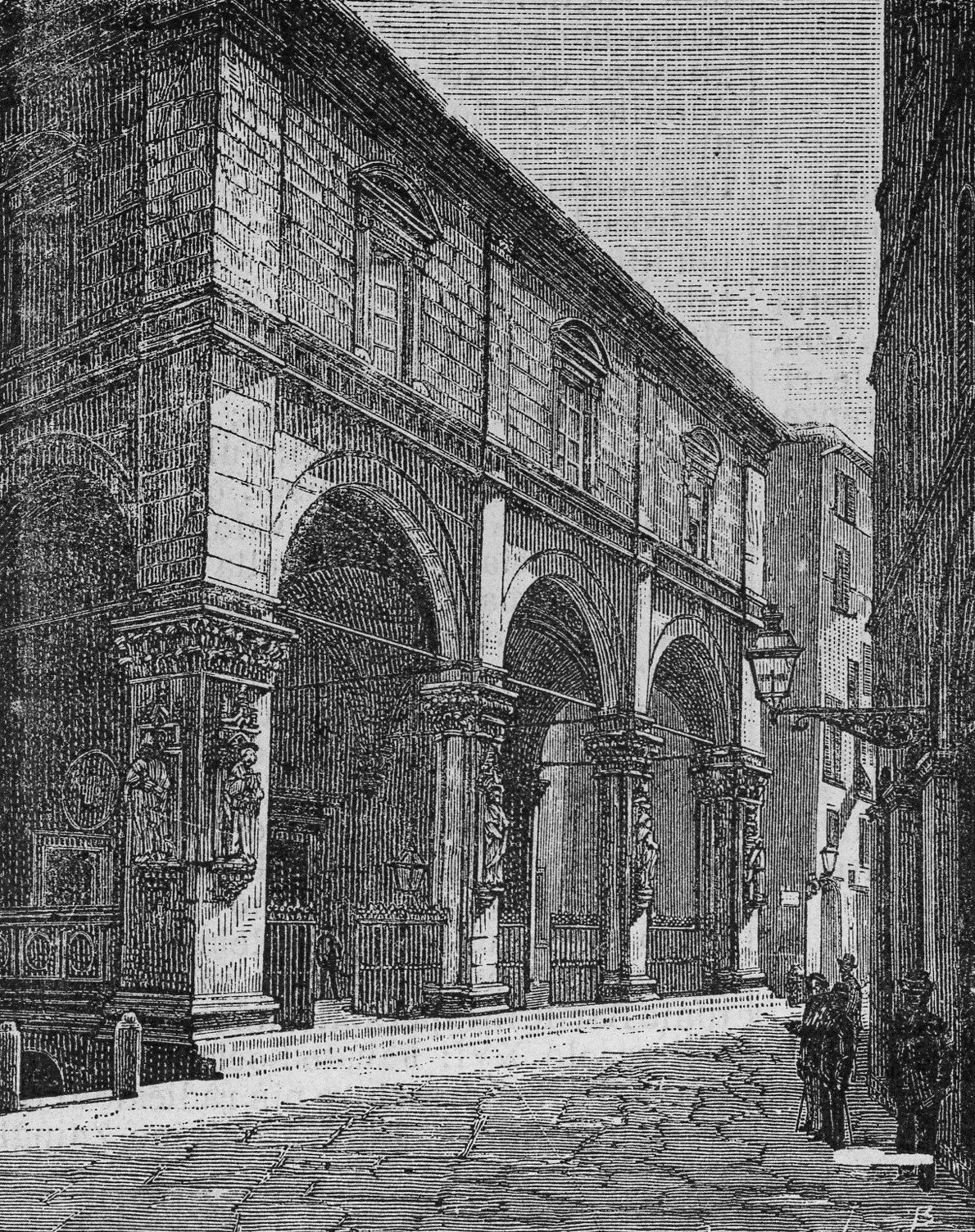
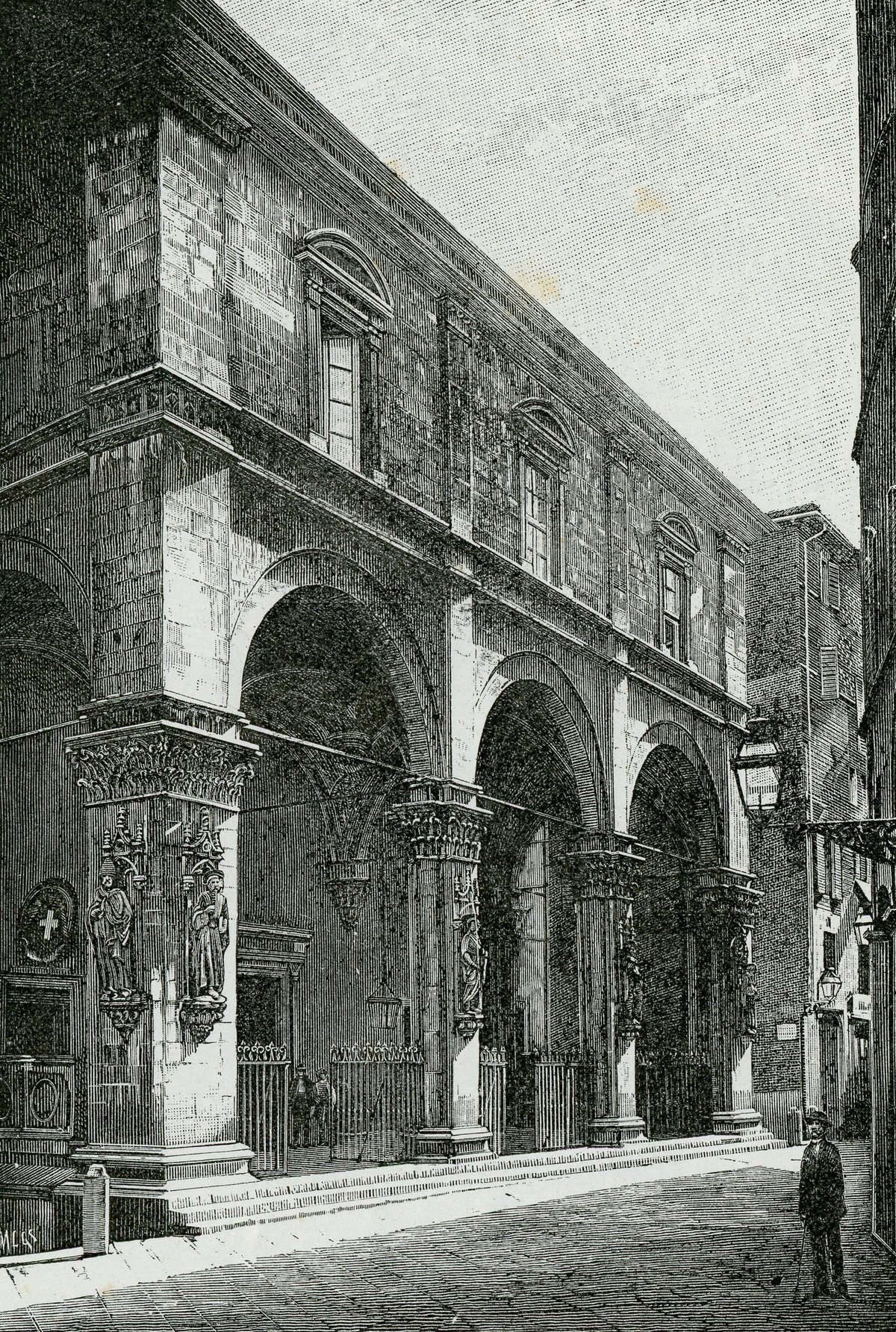
The Loggia has three large arches supported by four intricately decorated marble pillars. Five marble statues occupy niches on the pillars. San Pietro and San Paolo were sculpted by Lorenzo di Pietro, known as il Vecchietta; Siena’s patron saints San Savino, San Vittore, and Sant’Ansano were created by Antonio Federighi. These statues date to around 1459–1462 (Loggia della Mercanzia). Five statues were added in the second half of the 15th century.
The marble benches beside the Loggia are also noteworthy. The left bench, by Urbano da Cortona, represents the cardinal virtues. The right bench, by Antonio Federighi, depicts figures from the Republican era of Roman history. Both date to around 1459–1464 (Wikipedia).
The first vaulted ceiling on the left features work by Pastorino dei Pastorini (1549–1552); Lorenzo Rustici decorated the second and third vaults (1553–1563). In the hall on the upper floor is a monochrome painting by Luigi Ademollo, dating to 1793–1794 (Wikipedia).
Practical visiting information
The Loggia is open to visitors throughout the week, with hours varying by season. Check the official website or contact the local tourism office for current visiting hours. Tickets can be purchased on-site; prices vary according to age and group size. Discounts are often available for students, seniors, and large groups.
The Loggia occasionally hosts art exhibitions and cultural performances. Guided tours offer information about its history, architecture, and artistic contributions, and can be booked through local tour operators or the official website.
The ground floor is accessible to visitors with mobility issues, though some areas may present challenges because of the building’s historic nature. Contact the venue ahead of your visit to discuss specific accessibility needs.
Tips
Wear comfortable walking shoes and bring a camera to capture the architectural details. The marble work, statues, and frescoes provide photographic subjects; early morning or late afternoon light enhances the architectural details.
Nearby places
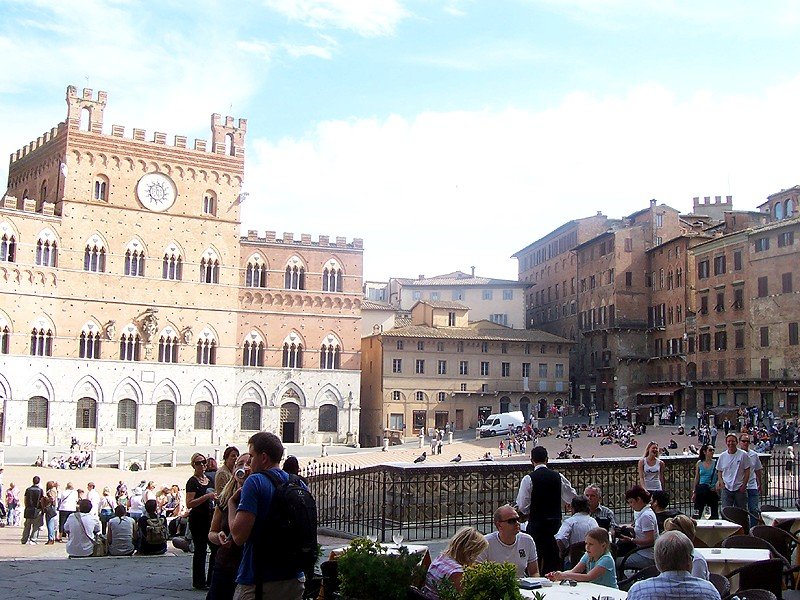
The Loggia is near Piazza del Campo and is within walking distance of various parts of Siena’s historic center. Nearby attractions include Siena Cathedral, the Torre del Mangia, and Palazzo Pubblico.
FAQ
What are the visiting hours for the Loggia della Mercanzia?
Hours vary by season. Check the official website for current information.
How much are tickets to visit the Loggia della Mercanzia?
Prices vary according to age and group size. Discounts are often available for students, seniors, and large groups.
Is the Loggia della Mercanzia accessible to visitors with mobility issues?
The ground floor is accessible, but some areas may present challenges. Contact the venue ahead of your visit to discuss specific needs.