Origins and Construction
The original Parliament House, completed in 1927 and designed by Sir Edwin Lutyens and Sir Herbert Baker, is a majestic circular structure inspired by the Chausath Yogini Temple. With its 144 grand sandstone columns, the building stands at the heart of the Central Vista and has witnessed transformative events, including the drafting of the Indian Constitution and the nation’s independence (Tour My India; India Easy Trip).
Architectural Highlights
- Circular Layout Symbolizing unity and continuity, the Parliament covers 22,900 sq. meters and is surrounded by a pillared verandah.
- Central Hall This domed space, with one of the world’s largest domes (29.87 meters in diameter), served as the venue for the Constituent Assembly.
- Motifs and Details Indian motifs blend seamlessly with colonial influences, celebrating the nation’s diversity.
- Location Strategically situated on Sansad Marg, flanked by India Gate and Rashtrapati Bhavan (Adda247).
The New Parliament Building: Rationale and Design
Why a New Parliament Building?
As India’s democracy grew, the original structure faced constraints:
- Space Limitations The old building could accommodate only 552 MPs, insufficient for future expansions (Magicbricks).
- Aging Infrastructure Outdated amenities and limited scope for technological upgrades.
- Seismic Concerns The old building was not designed for modern earthquake resistance (Hindustan Times).
- Heritage Preservation Major modifications were restricted due to heritage status.
Design and Symbolism
- Triangular Footprint The new building’s shape symbolizes India’s three pillars of democracy and maximizes space utilization.
- Cultural Motifs The Lok Sabha chamber is peacock-themed and the Rajya Sabha, lotus-themed. The building features national and regional artwork (Architectural Digest; Magicbricks).
- Sengol Sceptre and Foucault Pendulum These symbolic installations reinforce democratic continuity and India’s connection to its cultural roots (Forbes India).
Capacity and Facilities
- Lok Sabha Seats 888 members (expandable to 1,272 for joint sessions).
- Rajya Sabha Seats 348 members.
- Technology State-of-the-art audio-visual, security, and digital voting systems.
- Accessibility Fully barrier-free, with ramps, elevators, and designated seating (Magicbricks).
Sustainability
- Earthquake-resistant design (Delhi’s Seismic Zone IV).
- Energy-efficient systems and sustainable materials.
- Lifespan of at least 150 years (Magicbricks).
Planning Your Visit: Hours, Tickets, and Security
Visiting Hours
- General Timings 10:00 AM to 5:00 PM, Tuesday to Saturday (closed on Sundays, Mondays, and public holidays).
- Session Periods Visitor access may be restricted during parliamentary sessions or special events. Always verify the current schedule on the official Parliament website.
Tickets and Visitor Passes
- Advance Permission Required Entry is by pre-approved visitor pass only.
- Indian Citizens Apply through a Member of Parliament (MP), providing required details and valid ID (lawinsider.in).
- Foreign Nationals Apply via their embassy/high commission with passport and introduction letter.
- Fees ₹15 for Indian citizens, ₹100 for foreign nationals, free for children under 10 (eindiatourism.in).
- Booking Tours Guided tours may be arranged via the Parliament’s official website or through an MP’s office (Economic Times).
Security Protocols
- Rigorous screening: Metal detectors, bag checks, and personal frisking.
- ID Required Carry a government-issued photo ID.
- Prohibited Items Electronic devices, bags, cameras (unless permitted in outdoor areas).
- Dress Code Formal or smart casual attire is required; avoid shorts, sleeveless tops, and flip-flops.
Accessibility and Visitor Experience
- Wheelchair Access Ramps and elevators are available.
- Restrooms Clean facilities are accessible in visitor areas.
- Cloakroom Store prohibited items before entry.
- COVID-19 Protocols Check for updates regarding masks or social distancing.
Guided Tours and Museum
Guided Tours
- Offered on weekdays, subject to approval and security clearance.
- Typical highlights: Central Hall, Lok Sabha and Rajya Sabha chambers, historical corridors.
- Duration: 1–2 hours (delhitravel.org).
Parliament Museum
- Location Adjacent to Parliament House; open to the public without a Parliament pass.
- Hours Tuesday to Saturday, 11:00 AM to 5:00 PM.
- Entry Fee ₹10 per adult, free for students.
- Exhibitions Interactive displays on Indian democracy, the freedom movement, and the Constitution (delhitourism.travel).
Nearby Attractions
- India Gate
- Rashtrapati Bhavan
- Rajpath
- National Museum
- Connaught Place
- Jantar Mantar
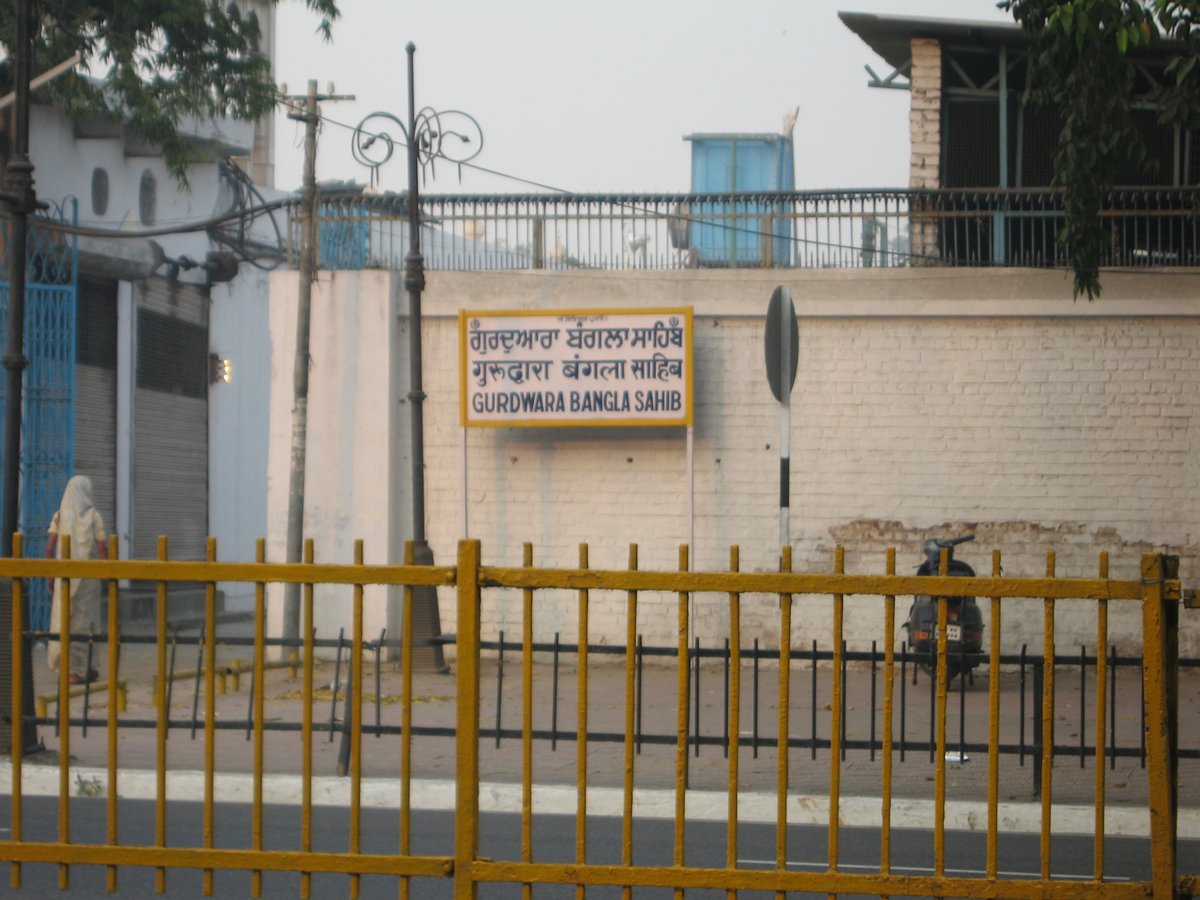
- Gurudwara Bangla Sahib
These sites are within walking distance or a short drive, making Parliament House an ideal centerpiece for your New Delhi historical sites tour.
Practical Tips for Visitors
- Apply Early Secure your visitor pass several weeks in advance.
- Arrive Early Arrive 30–45 minutes before your slot for security checks.
- Bring Minimal Belongings To speed up entry and avoid prohibited items.
- Check Session Schedules For observing live debates, consult the Parliament’s session calendar.
- Combine Visits Explore nearby attractions for a comprehensive experience.
Frequently Asked Questions (FAQ)
Q: Can I visit Parliament House without an MP’s recommendation?
A: No, Indian citizens need an MP’s reference; foreigners must apply via their embassy.
Q: Are children allowed?
A: Yes, children under 10 enter free but must be accompanied.
Q: Is photography allowed?
A: Generally prohibited inside; may be allowed outdoors with prior permission.
Q: Is the building accessible for differently-abled visitors?
A: Yes, both the old and new structures are fully accessible.
Q: Can I watch live sessions?
A: Yes, if you secure a gallery pass and time your visit with session periods.
Contact Information
- Reception Office, Parliament House +91-11-23034712, +91-11-23034720
- Reception Office, Parliament House Annexe +91-11-23035289, +91-11-23034481
- Reception Office, Parliament Library Building +91-11-23035020, +91-11-23035672
(sansad.in)