
National Museum New Delhi: Visiting Hours, Tickets, and Historical Significance
What the National Museum Is
Located at the heart of India’s capital, the National Museum New Delhi is one of the country’s foremost repositories of art, archaeology, and history. Its collections span more than 5,000 years and include over 200,000 artifacts from India and beyond. Permanent and rotating exhibitions trace the evolution of Indian civilization, from prehistoric relics and Indus Valley objects to Buddhist art and Mughal miniatures.
The museum is also an academic hub through the National Museum Institute of History of Art, Conservation, and Museology, which offers advanced study and supports research and conservation.
History
The museum’s origins include the Gwyer Committee of 1946 and the 1947–48 Royal Academy of Arts exhibition in London. The exhibition showcased Indian artifacts internationally and brought Indian art to global recognition; it also inspired the museum’s early collections. Prime Minister Jawaharlal Nehru and archaeologist Sir Mortimer Wheeler were among those instrumental in its establishment.
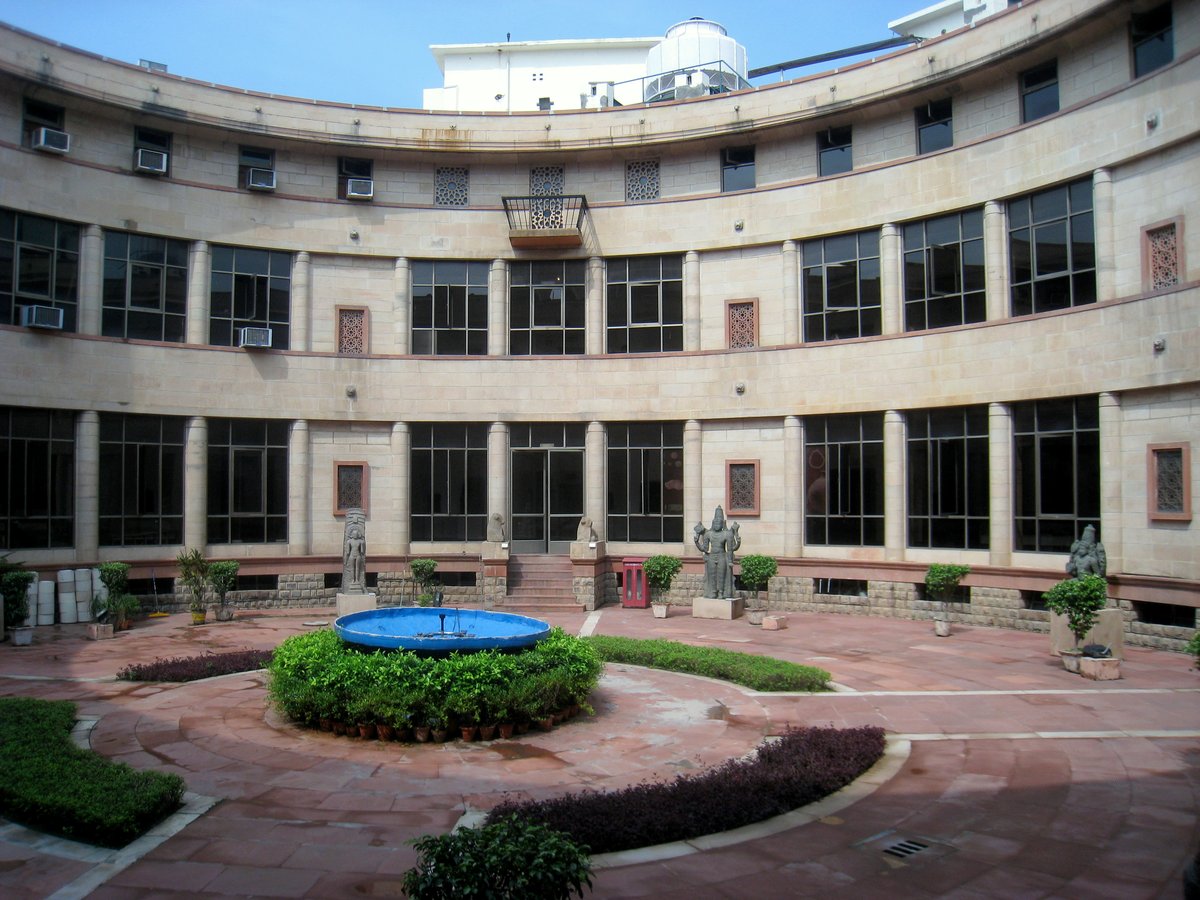
Founded in 1949, the museum initially displayed its collection at Rashtrapati Bhavan before moving to its current Janpath location. Its octagonal building was designed by architect Ganesh Bikaji Deolalikar and inaugurated in 1960. The building was expanded in 1989, and renovations are ongoing as part of the Central Vista Redevelopment Project. Its central garden is another feature of the design.
What to See
The museum’s galleries are arranged chronologically and thematically. Collections are regularly rotated, and temporary exhibitions, international collaborations, and annual events add to the displays.
Highlights include:
- Indus Valley Civilization Dancing Girl, Mother Goddess, seals, and pottery (Trodly).
- Buddhist art Buddha relics, Gandhara sculptures, and Dunhuang silk paintings (The Hindu).
- Sculpture Chola bronzes, Gupta stone carvings, and Jain figures (Google Arts & Culture).
- Miniature paintings Works from the Mughal, Rajasthani, Pahari, and Deccan schools (New Delhi Today).
- Decorative arts and textiles Mughal jade, Bidriware, brocades, and ritual cloths.
- Arms and armour Swords, daggers, shields, and ornate firearms.
- Jewellery and coins Tribal and Mughal jewellery, and coins from ancient to modern times.
- Pre-Columbian and Western art Highlights of global cultural influences (Britannica).
- Epigraphy and anthropology Ancient inscriptions and tribal artifacts.
Rotating exhibitions and international collaborations are complemented by a research library, conservation labs, and study rooms for scholars. Modern conservation labs and public outreach support heritage awareness. High-quality visuals and interactive displays enrich the visit, and virtual tours and digital resources are available on the official National Museum website.
Practical Visiting Information
Location and Getting There
- Address Janpath, New Delhi; also given as Janpath Road, New Delhi.
- Metro Central Secretariat and Udyog Bhawan stations. Udyog Bhavan is also listed (Holidify).
- Bus and taxi The museum is well-connected by city transport.
- Parking Limited; public transport is recommended.
- The museum is centrally located near India Gate and Rashtrapati Bhavan.
Visiting Hours
Two schedules are given in the visitor information:
- Tuesday to Sunday 10:00 AM–5:00 PM; closed on Mondays and National Holidays.
- Tuesday to Friday 10:00 AM–6:00 PM; Saturday and Sunday: 10:00 AM–8:00 PM; closed on Mondays and National Holidays.
The museum is also described as closed on Mondays and public holidays.
Tickets
Ticket information is given as follows:
- Indian citizens ₹20.
- Foreign nationals ₹650; one listing says this includes an audio guide.
- Students and children under 15 Free.
- Children up to class 12 Free. Students are also listed as free in another ticket description.
Tickets are available at the entrance or online via the National Museum website.
Facilities, Accessibility, and Photography
Facilities include a cloakroom, restrooms, seating, a café, a museum shop, a library, and an auditorium. Accessible restrooms are available. Ramps and elevators provide wheelchair access, and wheelchairs are available on request. Signage is in English and Hindi.
Audio guides are available in multiple languages. Guided tours include daily guided tours and free volunteer-led tours. Educational workshops, seminars, and AV shows are also available; consult the official website for schedules.
Personal photography is allowed without flash in most galleries. One visitor listing specifies that photography is not permitted with flash or tripods; video is not permitted. Security screening takes place at the entrance, and large bags and food are not allowed.
A typical visit takes 2–3 hours; enthusiasts may spend longer.
Tips
- Mornings on weekdays are suggested for a quieter visit; another listing recommends arriving early.
- Collect a floor plan, use an audio guide, or join a tour.
- Respect the artifacts and observe cultural sensitivity.
- The central garden, Dancing Girl bronze statuette, Chola bronzes, and miniature painting galleries are noted photographic spots. Well-lit galleries are also described as suitable for photography (Noor Anand Chawla).
Nearby Places
Nearby attractions include India Gate, Rashtrapati Bhavan, and the National Gallery of Modern Art. A wide range of hotels and restaurants is also nearby.
Frequently Asked Questions
What are the visiting hours?
One listed schedule is Tuesday to Sunday, 10:00 AM–5:00 PM; another is Tuesday to Friday, 10:00 AM–6:00 PM, and Saturday and Sunday, 10:00 AM–8:00 PM. Both list Mondays and National Holidays as closure days.
How much are tickets?
Indian citizens are listed at ₹20 and foreign nationals at ₹650. Students and children under 15 are listed as free; another listing specifies free entry for children up to class 12. One listing says the foreign-national ticket includes an audio guide.
Is the museum accessible?
Yes. It has ramps, elevators, accessible restrooms, and wheelchairs available on request.
Can I take photographs?
Personal photography is allowed without flash in most galleries. One listing also prohibits tripods and video.
Are guided tours available?
Yes. Daily guided tours, free volunteer-led tours, and audio guides are listed.