Medieval Heritage
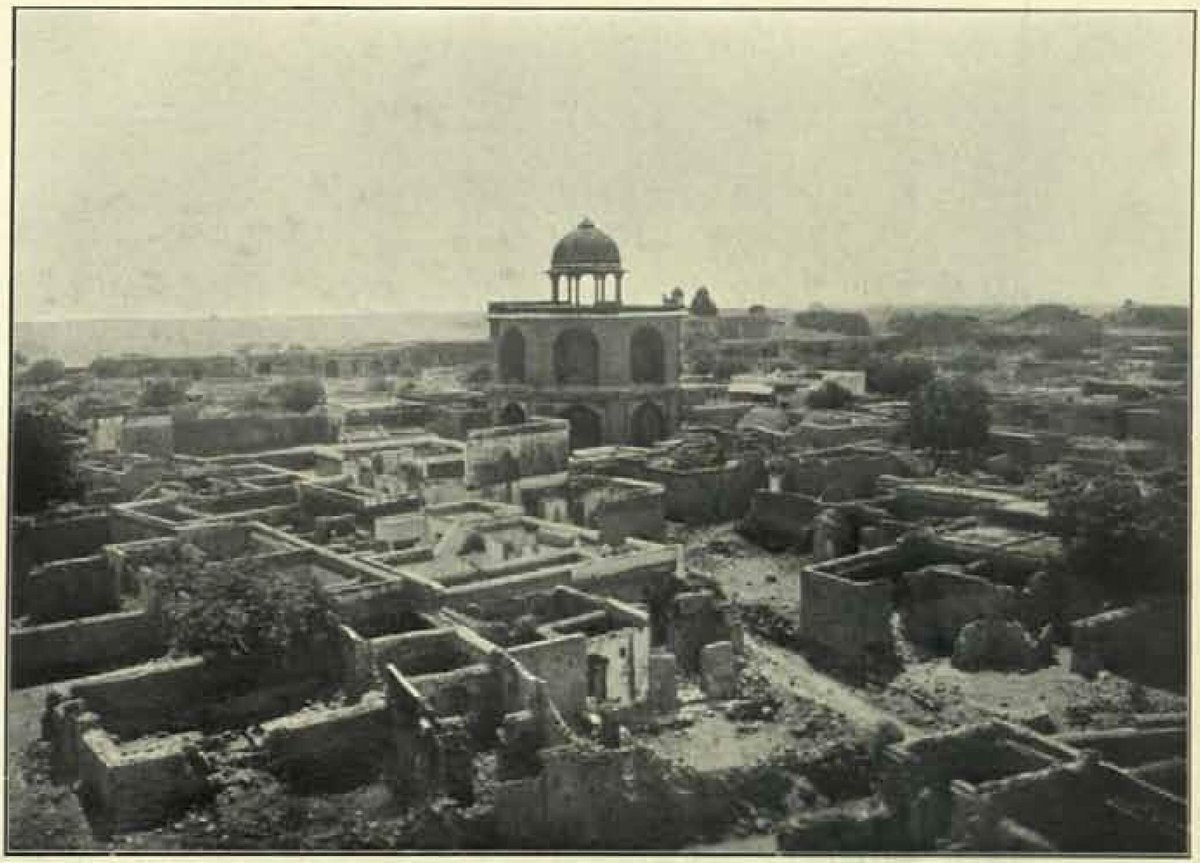
The roots of Lodhi Road and its gardens stretch back to the Sayyid and Lodi dynasties of the 15th and 16th centuries. The gardens are home to the tombs of Mohammed Shah (built in 1444) and Sikandar Lodi (1517), as well as Bara Gumbad and Sheesh Gumbad—monuments that showcase the blend of Persian, Central Asian, and Indian architectural traditions. These mausoleums, set amidst landscaped gardens, inspired later Mughal garden-tomb designs (roseindia.net).
Athpula, a Mughal-era eight-arched bridge, highlights the area’s enduring significance through centuries of Delhi’s history (roseindia.net).
Colonial & Post-Independence Transformation
After the British established New Delhi as their capital in 1911, Lodhi Road became a key urban axis. In 1936, Lady Willingdon Park (now Lodhi Gardens) was created, featuring a mix of native flora and recreational spaces (artsandculture.google.com). The adjacent Lodhi Colony, developed in the 1940s, provided housing for government employees and remains notable for its wide boulevards and colonial-era bungalows (artsandculture.google.com).
After independence, Lady Willingdon Park was renamed Lodhi Gardens, and the gardens were redesigned by American architect Joseph Allen Stein and Garret Eckbo in 1968, integrating modern landscaping with historic preservation (dwello.in).
Contemporary Culture & Art
Today, Lodhi Road is a vibrant corridor encompassing diplomatic missions, cultural institutions like the India Habitat Centre and National Gallery of Modern Art, and renowned commercial hubs such as Khan Market (cntraveller.in). The Lodhi Art District, India’s first public outdoor art gallery, features over 50 large murals by Indian and international artists, making the area a magnet for art lovers (artsandculture.google.com).
Visitor Information: Lodhi Gardens
Opening Hours & Entry Fees
- Summer (April–September) 5:00 AM – 8:00 PM
- Winter (October–March) 6:00 AM – 8:00 PM
- Entry Fee Free for all visitors (IndiaOnGo)
The gardens are open every day, including public holidays.
Accessibility & Facilities
- Accessibility Paved, wheelchair-friendly paths and accessible entrances.
- Restrooms Available near main entrances (cleanliness may vary).
- Food & Drink No food stalls inside, but the acclaimed Lodi – The Garden Restaurant is on-site; Khan Market offers numerous cafes and eateries nearby.
- Parking Ample parking available adjacent to the gardens.
- Metro Closest stations are Jor Bagh (Yellow Line, ~1 km) and Khan Market (Violet Line).
Best Times to Visit & How to Reach
- Best Season October–March (pleasant weather and lush greenery).
- Best Time of Day Early morning or late afternoon for fewer crowds and soft light—ideal for photography (TheBrutallyHonestTraveler).
- Getting There Accessible via metro, auto-rickshaw, taxi (Uber/Ola), and bus (Travejar).
Major Historical & Cultural Sites on Lodhi Road
Lodhi Gardens
A 90-acre urban park with medieval tombs, landscaped lawns, ancient trees, water bodies, and walking/jogging paths. Highlights include the tombs of Sikandar Lodi and Mohammed Shah, Bara Gumbad, Sheesh Gumbad, and the Athpula Bridge (roseindia.net, Delhi Tourism).
Humayun’s Tomb
UNESCO World Heritage Site and the first garden-tomb in India, built in 1570. Features Persian-style charbagh gardens, red sandstone architecture, and intricate tilework.
- Hours 6:00 AM – 6:00 PM (last entry 5:30 PM)
- Fees Indians: INR 40 | Foreigners: INR 600 | Children under 15: Free
- Accessibility Ramps and parking available (Delhi Tourism).
Safdarjung’s Tomb
Last grand Mughal garden tomb, built in 1754, with impressive sandstone and marble design.
- Hours 7:00 AM – 5:00 PM
- Fees Indians: INR 30 | Foreigners: INR 200
- Accessibility Wheelchair-friendly pathways and parking.
Lodhi Art District
India’s first public art district, featuring over 50 murals by artists from around the world.
- Access Open 24/7, free entry (artsandculture.google.com).
India Habitat Centre (IHC)
A hub for arts, culture, and intellectual exchange, with regular exhibitions, performances, and seminars.
- Hours 9:00 AM – 10:00 PM
- Entry Free; certain events may require tickets.
India International Centre (IIC)
Venue for conferences, lectures, and cultural events, with public exhibitions and a tranquil campus.
Other Notable Sites
- Khan Market Upscale shopping and dining district.
- Lodhi Road Cremation Ground Historically significant, combining tradition with modernity.
- Institutional Enclave Home to embassies, research organizations, and civic bodies.
Activities & Experiences
- Walking, Jogging, and Yoga Paved tracks and lawns are ideal for exercise and relaxation.
- Photography Medieval tombs, lush landscapes, and street art provide stunning backdrops (Remote Traveler).
- Birdwatching Over 50 species, including peacocks, kingfishers, and parakeets.
- Guided Heritage Walks Available through local operators; enrich your understanding of the area’s history.
- Cultural Events Check IHC and IIC for talks, exhibitions, and performances.
Safety, Etiquette & Practical Tips
- Safety The area is generally safe; use common sense, especially after dark. Women travelers are advised to use women-only metro carriages and avoid city buses at night (SuzanneWandersDelhi).
- Dress Code Modest clothing is recommended, especially near religious sites (ApnaYatra).
- Photography Allowed throughout the gardens and most monuments; beware of unofficial demands for payment.
- Picnics Permitted (no alcohol). Carry your own water and snacks.
- Respect Monuments Do not climb or damage historical structures; dispose of litter properly.
Frequently Asked Questions (FAQs)
Q: What are Lodhi Gardens’ visiting hours?
A: 5:00 AM – 8:00 PM (summer), 6:00 AM – 8:00 PM (winter), open daily (IndiaOnGo).
Q: Is there an entry fee for Lodhi Gardens?
A: No, entry is free.
Q: Are Lodhi Gardens wheelchair accessible?
A: Yes, with paved, accessible paths.
Q: Are guided tours available?
A: Yes, occasionally through local operators; check listings or inquire at visitor centers.
Q: Can I have a picnic inside the gardens?
A: Yes, but alcohol is not permitted.
Q: Are pets allowed?
A: Pets are generally not allowed to protect the gardens’ ecosystem.
Q: Which metro station is closest to Lodhi Gardens?
A: Jor Bagh (Yellow Line) and Khan Market (Violet Line).
Q: What are the best times for photography?
A: Early mornings and late afternoons for soft light and fewer crowds (TheBrutallyHonestTraveler).
Emergency Contacts
- Police 100
- Women’s Helpline 1091
- Tourist Helpline 1363 or 1800-11-1363
Discover More
Lodhi Road and Lodhi Gardens exemplify New Delhi’s dynamic blend of history, art, and urban life. From the ancient tombs and landscaped gardens to the vibrant Lodhi Art District and bustling cultural centers, this area offers something for every visitor. Make the most of your trip by checking visiting hours, planning your route, and respecting the unique heritage and ecology of the area.
For real-time updates, guided tour information, and personalized itineraries, download the Audiala app. Stay inspired by following our social channels and exploring related articles on Delhi’s historical and cultural treasures.