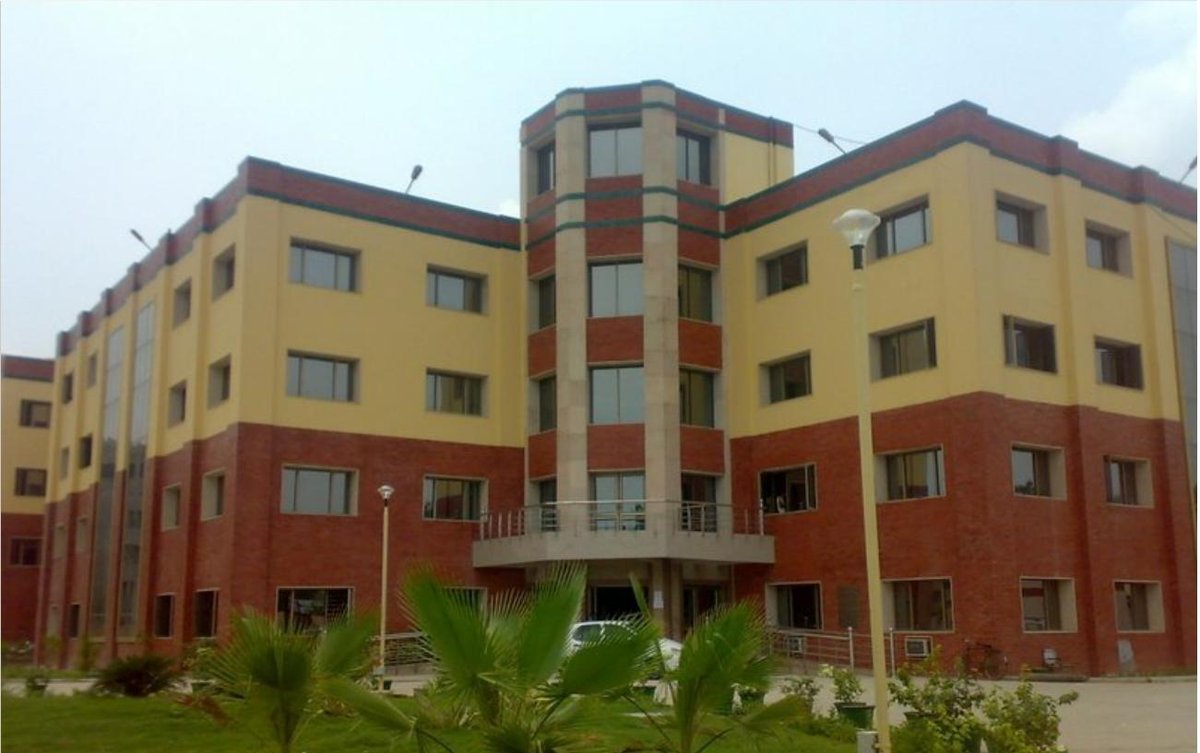
Founding and Historical Development
NLU Delhi was founded in 2008 by the Government of the National Capital Territory of Delhi, under the National Law University Act, 2007. Its creation marked a turning point in Indian legal education, following in the footsteps of the pioneering National Law School model initiated at NLSIU Bangalore in 1986 (NLU Delhi Overview; Legalite Academy; Toprankers). NLU Delhi was established to meet the need for a world-class legal institution in the capital, and it quickly rose to prominence for its academic standards and innovative approach (IQuanta; 4ICU).
Vision, Mission, and Institutional Significance
The university’s mission is to deliver comprehensive, socially relevant legal education aligned with India’s constitutional values (NLU Delhi Overview). NLU Delhi aims to cultivate legal and ethical values, promote the rule of law, and foster legal awareness for national development. Its integrated programs, selective admission via the All India Law Entrance Test (AILET), and autonomy ensure high academic rigor and a unique interdisciplinary experience (Toprankers; Collegedunia).
Academic Excellence and Research Impact
NLU Delhi offers a five-year integrated B.A. LL.B. (Hons.), LL.M., and Ph.D. programs (Legalite Academy). Its faculty includes renowned scholars and practitioners in fields like Constitutional Law, International Law, Criminal Justice, and Corporate Law. The university maintains a low faculty-to-student ratio for personalized learning (Collegedunia).
NLU Delhi is home to several research centers, including the Centre for Constitutional Law, Policy and Governance, and the Centre for Environmental Law. Project 39A is among its flagship initiatives, dedicated to criminal justice reform and access to justice (Project 39A; Legalite Academy).
National and International Collaborations
The university has established MoUs with leading institutions worldwide, fostering academic exchange, joint research, and the sharing of best practices (NLU Delhi Overview). Membership in global academic organizations enhances opportunities for students and faculty (4ICU).
Societal Contributions and Legal Reforms
NLU Delhi contributes significantly to legal reforms and public policy in India. Faculty and research centers assist in legislative drafting, government advisories, and public interest litigation. Outreach and legal aid initiatives reach marginalized communities, reflecting NLU Delhi’s commitment to social justice (NLU Delhi Overview; Project 39A).
Recognition and Rankings
NLU Delhi consistently ranks among India’s top law schools. According to the National Institutional Ranking Framework (NIRF), it is currently second in the country. Its graduates are highly sought after by leading firms and organizations, including Cyril Amarchand Mangaldas, Trilegal, and Linklaters Singapore (IQuanta; Collegedunia).
Visitor Information
Location and Accessibility
- Address Sector 14, Dwarka, New Delhi – 110078
- Metro Dwarka Sector 14 Metro Station (Blue Line) is nearby.
- Parking Ample parking available for visitors (Project 39A).
Visiting Hours and Entry
- Hours 9:00 AM to 5:00 PM on weekdays (Monday to Friday). Confirm timings in advance during holidays or special events.
- Entry No ticket or entry fee. Visitors must carry valid identification and may be required to register at security.
Guided Tours and Campus Visits
- Arrangements Guided tours for prospective students and academic visitors can be booked via the official website or by contacting administration at least one week in advance.
- Events Check the NLU Delhi website for seminars, workshops, and conferences.
On-Campus Facilities
- Library Primarily for students and faculty; researchers may request special access.
- Moot Court Hall & Research Centers Accessible during academic events or with prior approval.
- Cafeteria Offers North Indian and continental cuisine at affordable prices.
Accessibility Accommodations
The campus is equipped with ramps, accessible restrooms, and designated parking for differently-abled visitors. Inform administration in advance if special assistance is required.
Photography and Media Guidelines
Photography is generally permitted, but permission is needed for academic sessions, research centers, or media purposes.
Nearby Attractions and Travel Tips
- Qutub Minar ~15 km away
- Red Fort ~20 km away
- India Gate ~18 km away
- National Museum ~16 km away
Use the Metro or taxis to visit these sites. Visit during daylight hours and check traffic updates.
Suggested Visitor Itinerary
- Morning Campus tour, library visit, or research center exploration
- Afternoon Lunch at the cafeteria, attend a seminar or moot court session (if available)
- Evening Explore Qutub Minar or India Gate
Frequently Asked Questions (FAQ)
Q1: What are the visiting hours at NLU Delhi?
A1: 9:00 AM to 5:00 PM on weekdays. Confirm on the official website before visiting.
Q2: Is there an entry fee or ticket?
A2: No, but visitors must carry a valid ID and may need to register at entry.
Q3: How can I book a guided campus tour?
A3: Contact administration at least a week in advance via the official website.
Q4: Are there facilities for differently-abled visitors?
A4: Yes, including ramps, accessible restrooms, and designated parking.
Q5: Is photography allowed on campus?
A5: Yes, but prior permission is required for academic or media activities.
Q6: What attractions are nearby?
A6: Qutub Minar, Red Fort, India Gate, and the National Museum are easily accessible.