
Early Origins and Viking Settlement
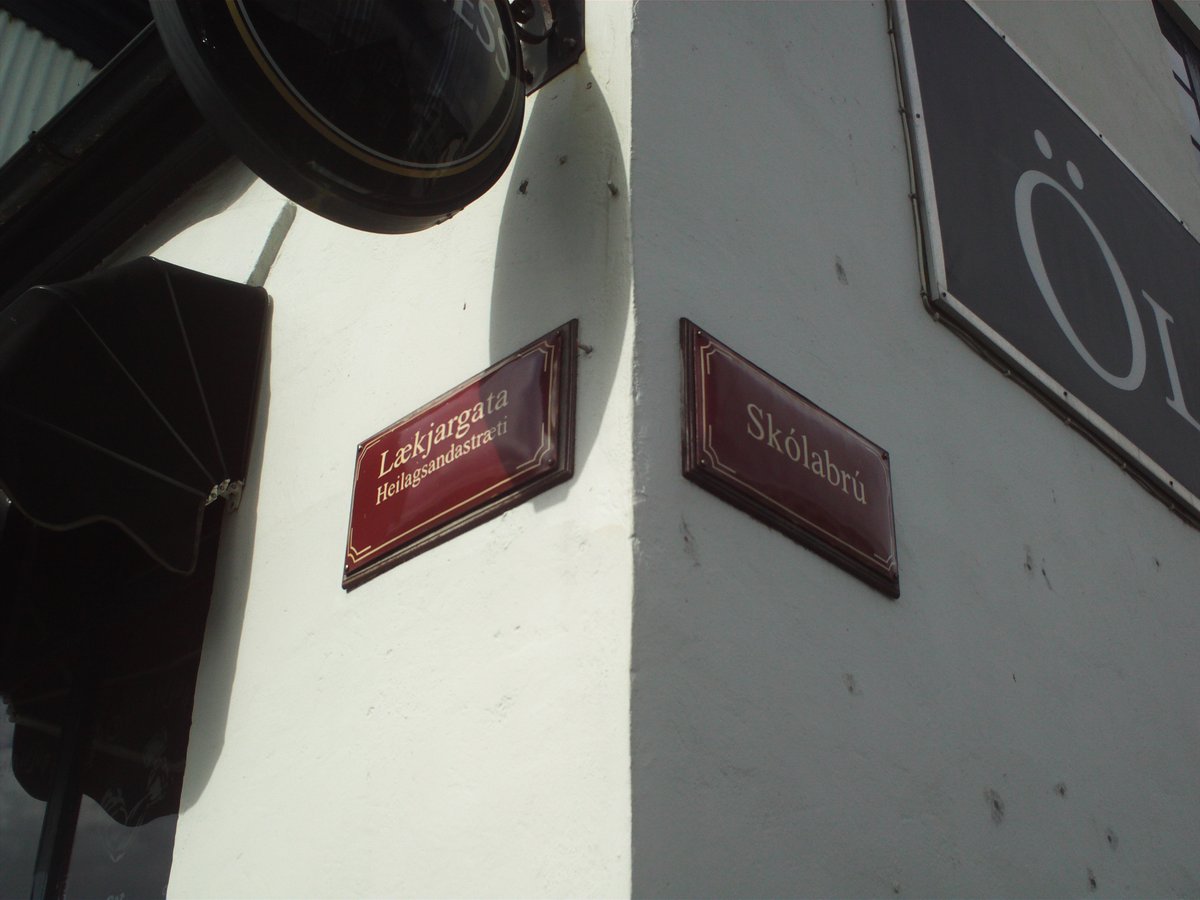
Lækjargata’s roots reach back to Reykjavík’s earliest days. Archaeological discoveries in 2015 uncovered a large Viking Age turf longhouse beneath Lækjargata 10-12, dated to the 10th or 11th century, highlighting the area’s significance during the initial settlement period (The History Blog, skemman.is). The street’s name derives from the stream (Lækurinn) that once flowed from Tjörnin (The Pond) to the sea, serving as both a resource and a landscape feature for early inhabitants (Guide to Iceland).
18th–19th Century Urban Development
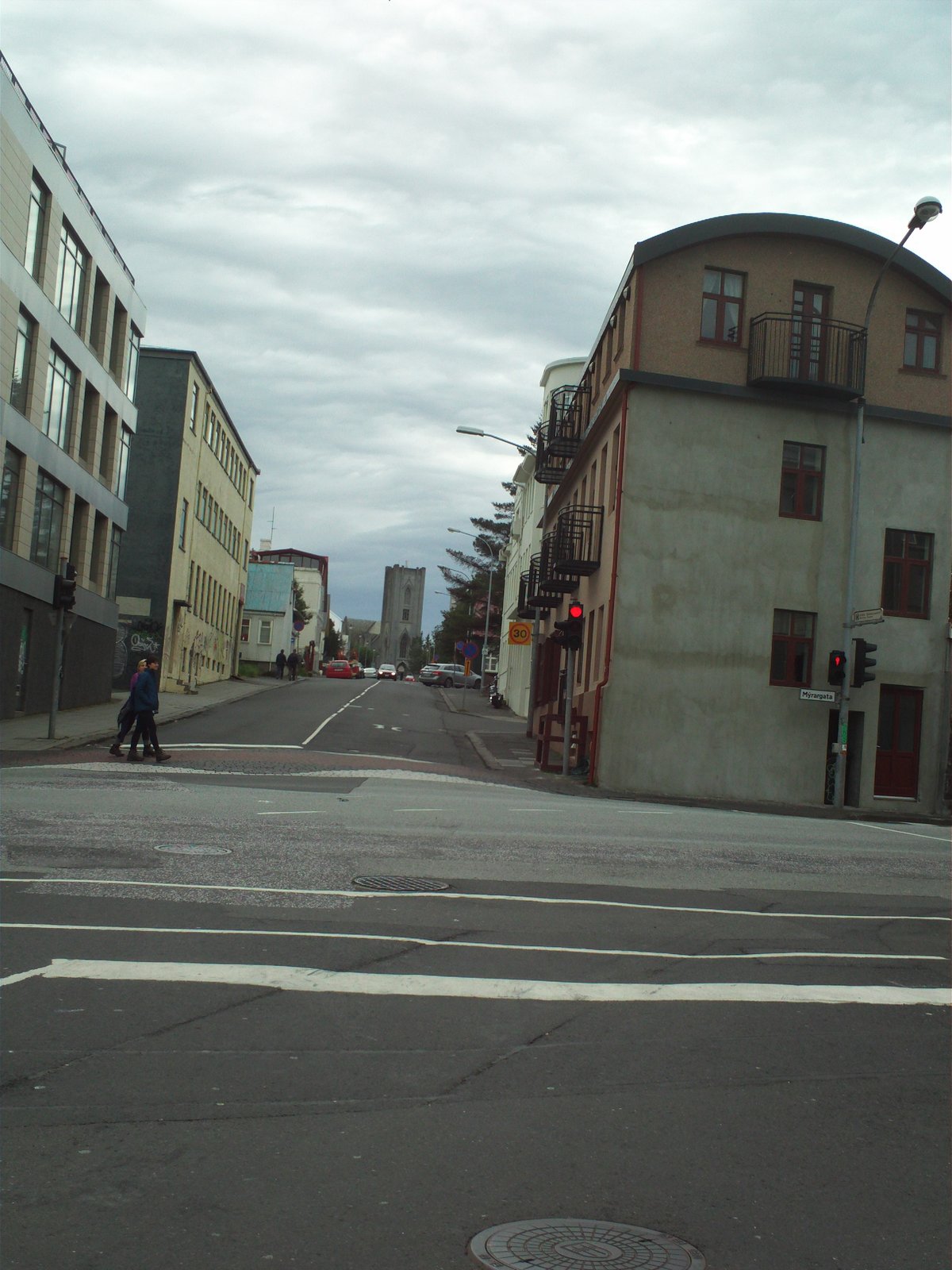
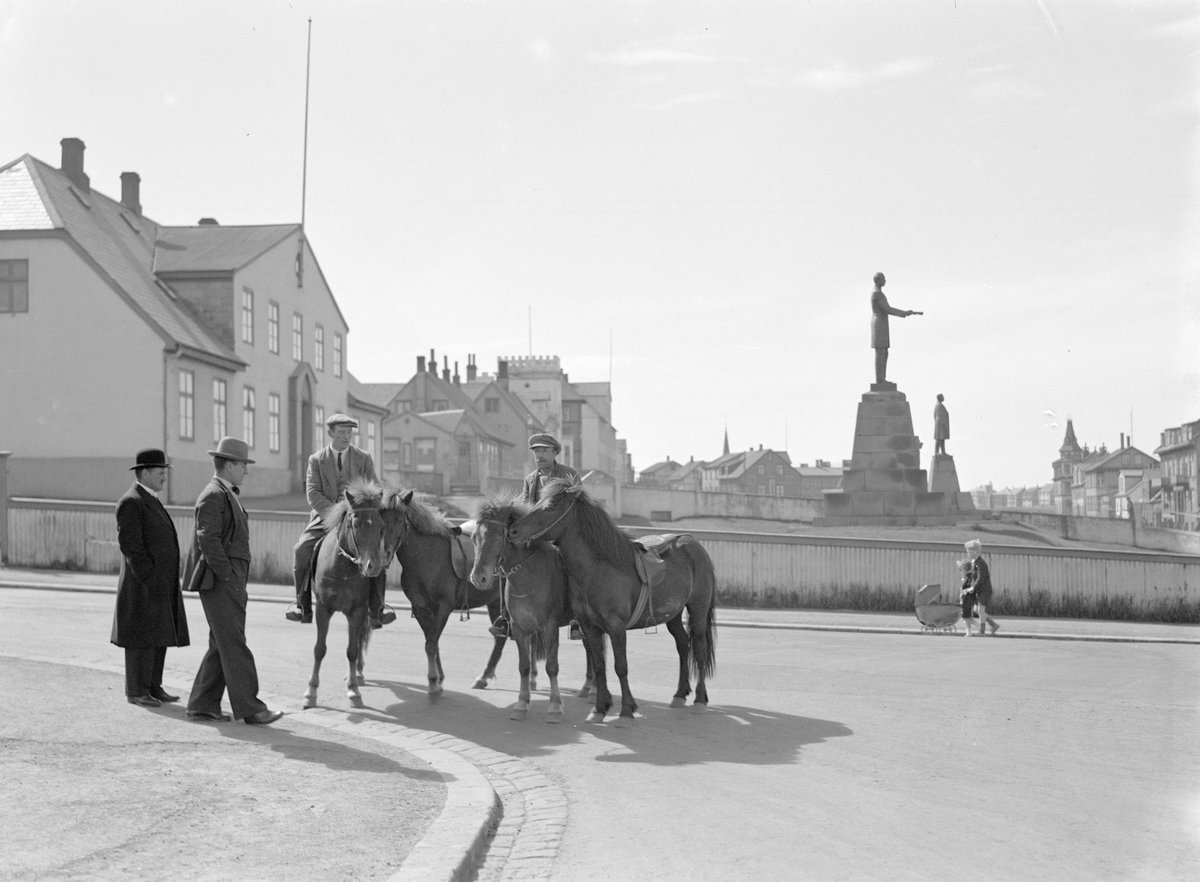
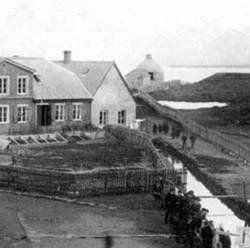
By the 18th century, Reykjavík began shifting from rural farmland to a developing town, spurred by the establishment of the wool industry, Innréttingarnar, and the construction of key buildings (Visit Reykjavík). The current urban layout of Lækjargata took shape in the late 1700s, with the construction of houses near Reykjavík Cathedral in 1787, and the bridge over the stream built in 1828. The street was officially named in 1848 after a public meeting approved the road’s construction along the stream (Icelandic Times, Wikipedia).
The Stream: From Natural Feature to Urban Corridor
The open stream that gave the street its name was integral to daily life but became increasingly problematic as Reykjavík grew. By the early 20th century, pollution led to its enclosure in a conduit and the removal of its bridges, marking a significant modernization in urban infrastructure (Your Friend in Reykjavik, Icelandic Times).
Architectural and Institutional Landmarks
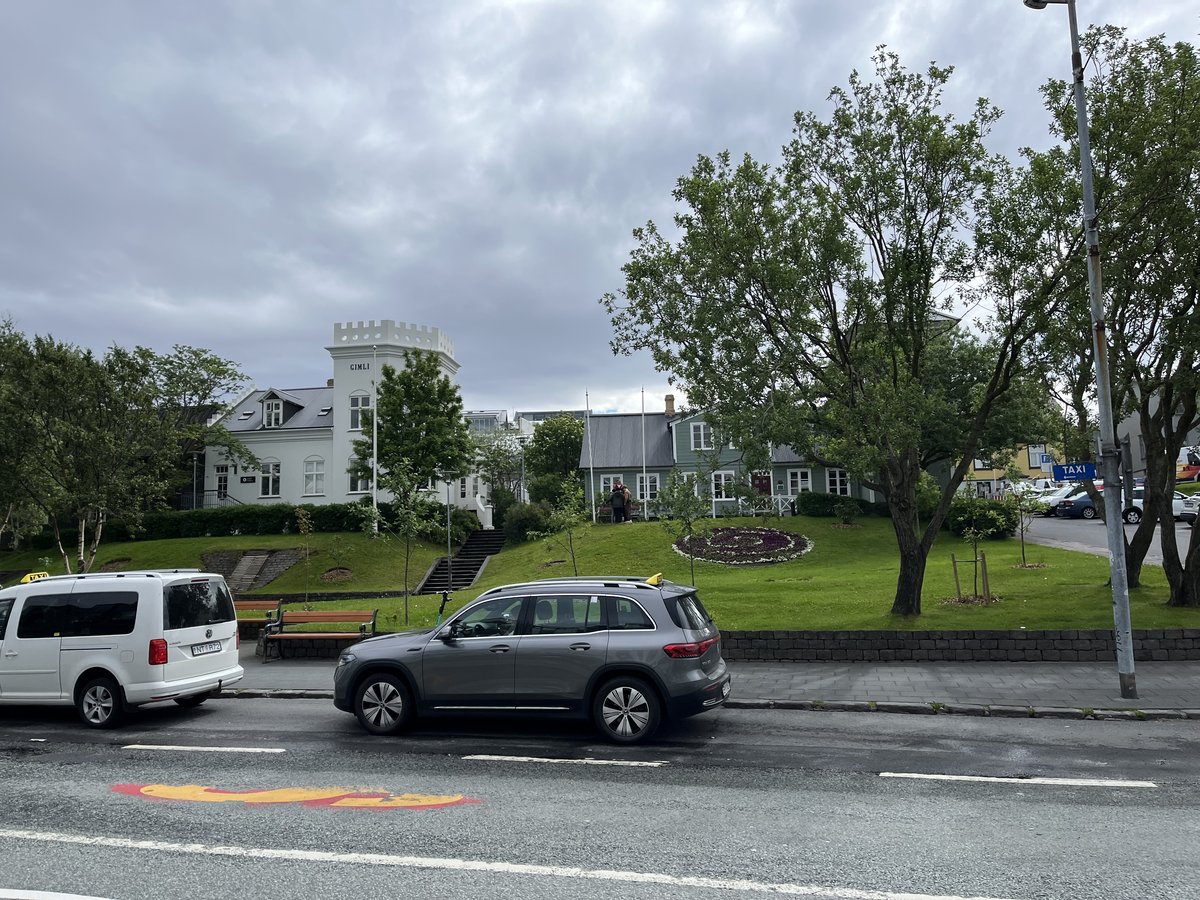
Lækjargata features several historical and civic landmarks:
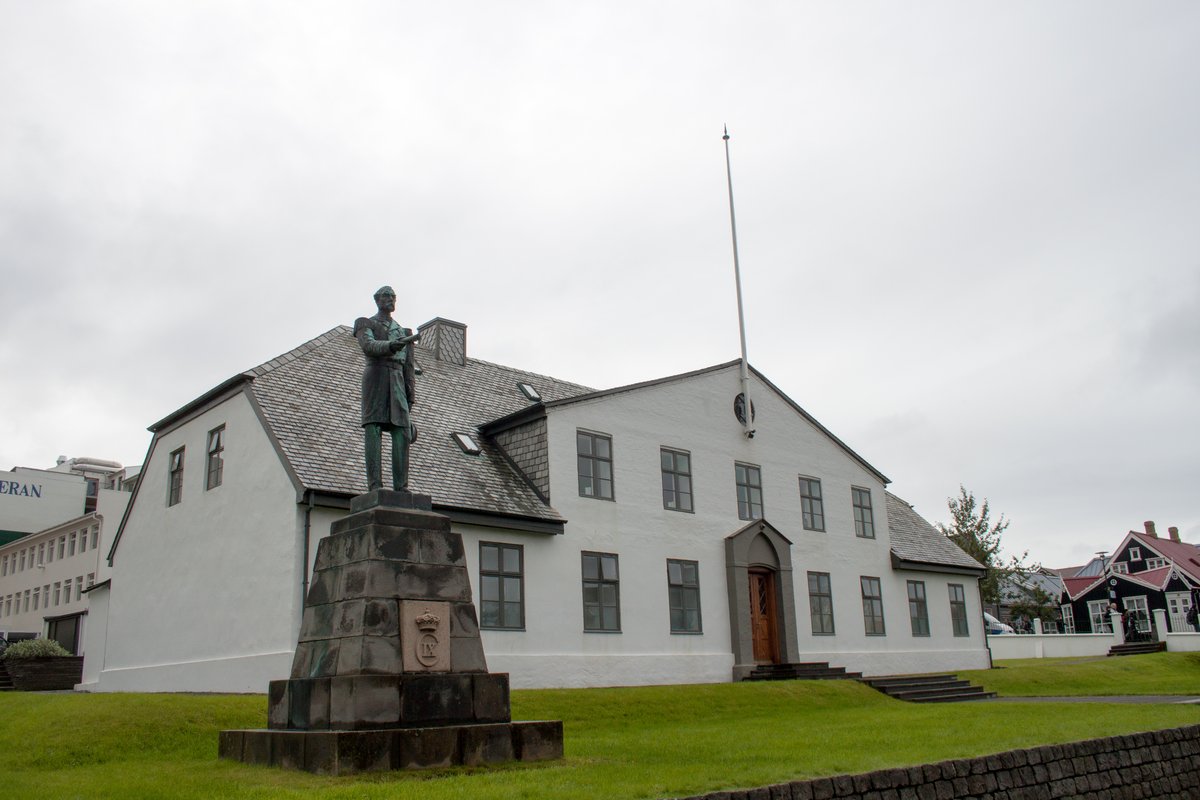
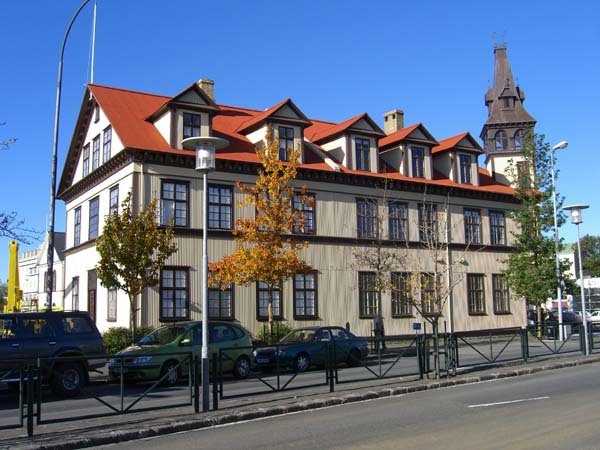
- Prime Minister’s Office (Stjórnarráðshúsið) Built as a prison in 1771, now housing Iceland’s Prime Minister (Guide to Iceland).
- Menntaskólinn í Reykjavík (Reykjavík Junior College) Iceland’s oldest educational institution, built in 1846 (Guide to Iceland).
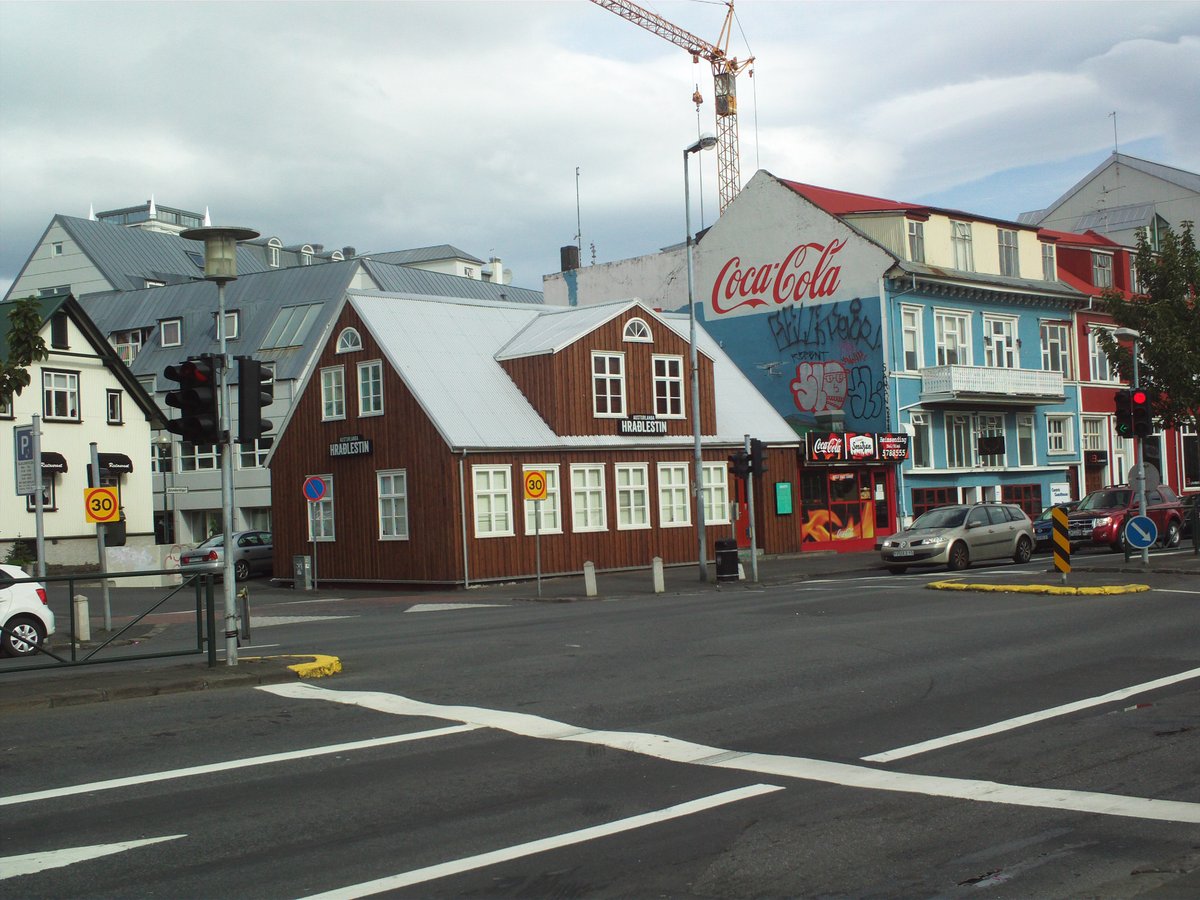
- Bernhöftstorfa A group of historic houses showcasing 19th-century architecture (Icelandic Times).
- Mæðragarðurinn (Mothers’ Park) Established in 1925, home to the “Mother’s Love” statue by Nína Sæmundsson (Reykjavík.is).
Planning Your Visit
Visiting Hours
- Lækjargata Street Open 24/7 as a public street.
- Prime Minister’s Office & Menntaskólinn Not open for public tours, except during special events.
- Bernhöftstorfa Shops/Cafés Typically open 10:00–18:00.
- Mæðragarðurinn Park Open year-round during daylight hours.
- Nearby Museums (e.g., Settlement Exhibition) Usually 10:00–17:00, with seasonal variations.
Check each institution’s official website for the latest hours.
Ticket Information
- Lækjargata Street Free to explore.
- Museums/Special Exhibitions Usually ISK 1,500–2,000 for adults, with discounts available.
- Guided Tours ISK 2,000–5,000 depending on duration and inclusions. Advance booking is advised, especially during peak season.
Attractions and Experiences
Nearby Landmarks
- Austurvöllur Square Main civic plaza adjacent to Lækjargata, hosting public events and lined with cafés (Guide to Iceland).
- Reykjavík Cathedral (Dómkirkjan) Historic church active since 1796 (Lonely Planet).
- Parliament House (Alþingishúsið) Seat of the Icelandic parliament; viewable from outside (Guide to Iceland).
- Tjörnin Lake Picturesque pond for birdwatching and photography.
- Harpa Concert Hall Modern architectural icon near the harbor; open daily with ticketed events.
Guided Tours
Numerous walking tours depart from or pass through Lækjargata, focusing on Reykjavík’s rich history, architecture, and Viking heritage. Many include stops at the Settlement Exhibition, Parliament House, and major squares (wanderlog.com).
Dining and Shopping
- Cafés/Restaurants Diverse options from bakeries to fine dining. Highlights include Sandholt bakery and traditional Icelandic fare (Lonely Planet).
- Shopping Souvenir shops, Icelandic wool stores, and boutiques are nearby, particularly on Laugavegur. The Kolaportið flea market is a weekend favorite.
Seasonal Events
- Culture Night (Menningarnótt) Major city festival every August with concerts, art, and performances (iamreykjavik.com).
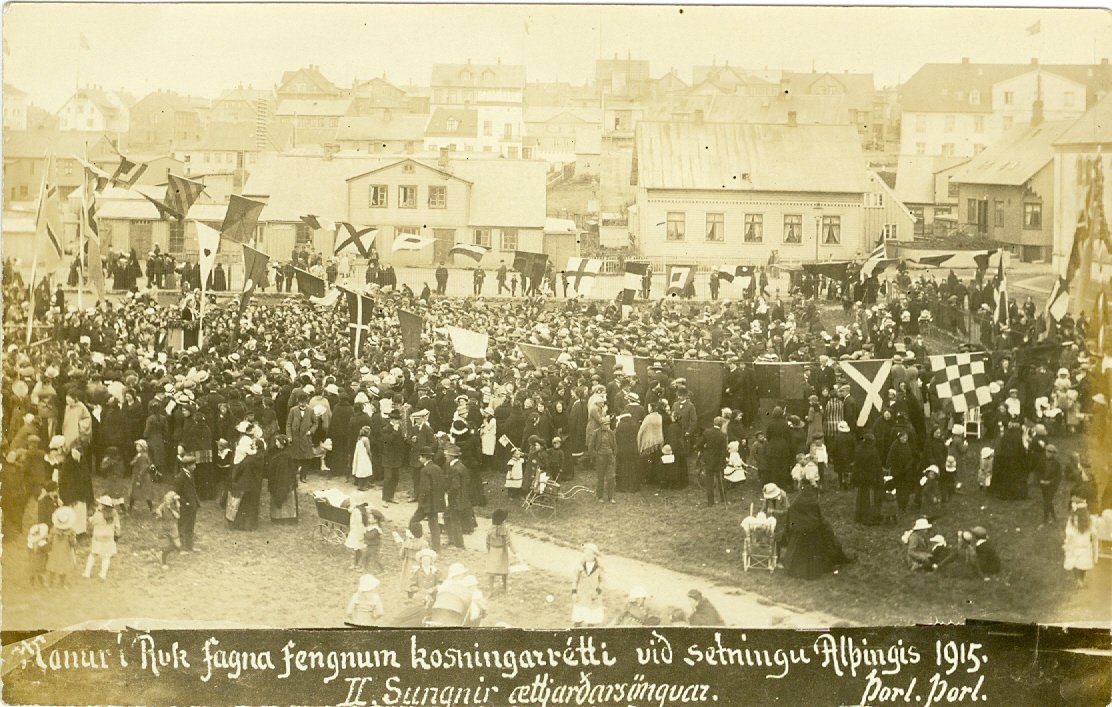
- National Day (June 17) Parades and public celebrations center on Lækjargata and Austurvöllur (Iceland Tours).
- Summer Midnight Sun Extended daylight hours encourage late-night strolls and outdoor gatherings (Wake Up Reykjavik).
Practical Tips and FAQs
Accessibility and Travel Tips
- Walkability Lækjargata is pedestrian-friendly, with smooth pavements and accessible crossings.
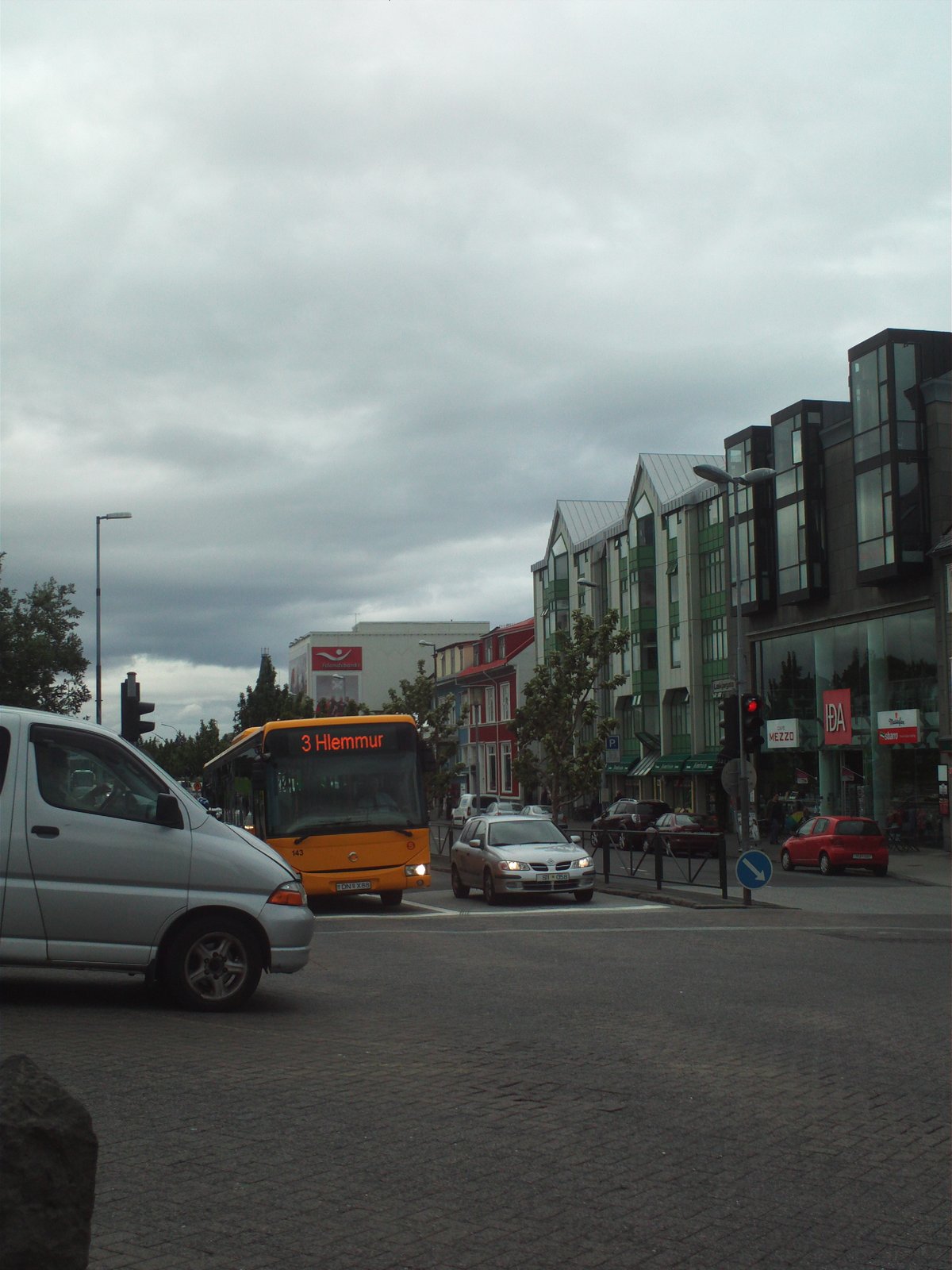
- Public Transport Easily reached by Strætó city buses; taxi stands and bicycle rentals are available (Nomadic Matt).
- Parking Limited and metered; public transport is often more convenient.
- Safety Reykjavík is very safe, though general precautions apply—especially during crowded events (Travel.gc.ca).
- Weather Pack layers and waterproof gear; summer offers nearly 24-hour daylight, while winter brings limited daylight and icy sidewalks (Full Suitcase).
- Cash/Card Payments Credit/debit cards accepted everywhere; little need for cash.
- Local Customs Polite greetings are appreciated; tipping is not required but welcomed for excellent service.
Frequently Asked Questions (FAQ)
Q: Are there entrance fees for Lækjargata?
A: No, the street is free to explore. Museums and tours may charge admission.
Q: What are the best times to visit?
A: Late spring to early autumn for mild weather and festivals; peak events occur in summer.
Q: Is Lækjargata accessible for wheelchair users?
A: Yes, with most public buildings and sidewalks designed for accessibility.
Q: Are guided tours available?
A: Yes, many walking tours include Lækjargata; book ahead during busy months.
Q: How do I get to Lækjargata from the airport?
A: Shuttle buses and taxis connect Keflavik Airport to Reykjavík city center, with Lækjargata within walking distance.