
Historical Foundations of Norway-Iceland Relations
Early Connections and Medieval Ties
Norway and Iceland’s relationship dates back to the late 9th and early 10th centuries, when Norse settlers from Norway established Iceland’s first permanent communities. These settlers introduced language, culture, and legal traditions that profoundly shaped Icelandic society. From 1262, Iceland was under Norwegian rule through the Old Covenant (Gamli sáttmáli), remaining in a political union until both nations came under Danish control in 1397 (Namu Wiki).
19th and 20th Century Developments
The rise of national consciousness in the 19th century led to Norway’s independence in 1905 and Iceland’s sovereignty in 1918, followed by full independence as a republic in 1944. Both countries developed independent diplomatic services and established formal relations (Wikipedia: Foreign relations of Iceland).
Establishment of the Norwegian Embassy in Reykjavík
After Iceland’s independence, Norway opened its embassy in Reykjavík, marking a new era of bilateral cooperation. The embassy became the primary channel for political dialogue, economic collaboration, and cultural exchange (Arctic Iceland).
Diplomatic Significance of the Norwegian Embassy
Bilateral Cooperation and Nordic Solidarity
The embassy fosters strong cooperation between Norway and Iceland, both members of the Nordic Council, NATO, and the European Free Trade Association. Key areas of collaboration include security, trade, environmental policy, and Arctic affairs (Wikipedia: Iceland–Norway relations).
Economic and Trade Relations
The embassy supports Norwegian businesses, promotes trade, and leverages the European Economic Area (EEA) agreement to facilitate the movement of goods, services, and people. It also works closely with Icelandic authorities to enhance economic prosperity (Namu Wiki).
Cultural Exchange and Public Diplomacy
The embassy actively promotes Norwegian culture in Iceland through events, exhibitions, and educational programs. Academic exchanges, particularly in marine science and Arctic studies, further strengthen the bilateral relationship (Arctic Iceland).
Security, Defense, and Arctic Cooperation
As NATO allies, Norway and Iceland conduct joint defense exercises and cooperate on Arctic policy, climate change, and sustainable development. The embassy coordinates these efforts and maintains close ties with Icelandic authorities (Wikipedia: Foreign relations of Iceland, Wikipedia: Iceland–Norway relations).
Visiting the Norwegian Embassy in Reykjavík
Location and Accessibility
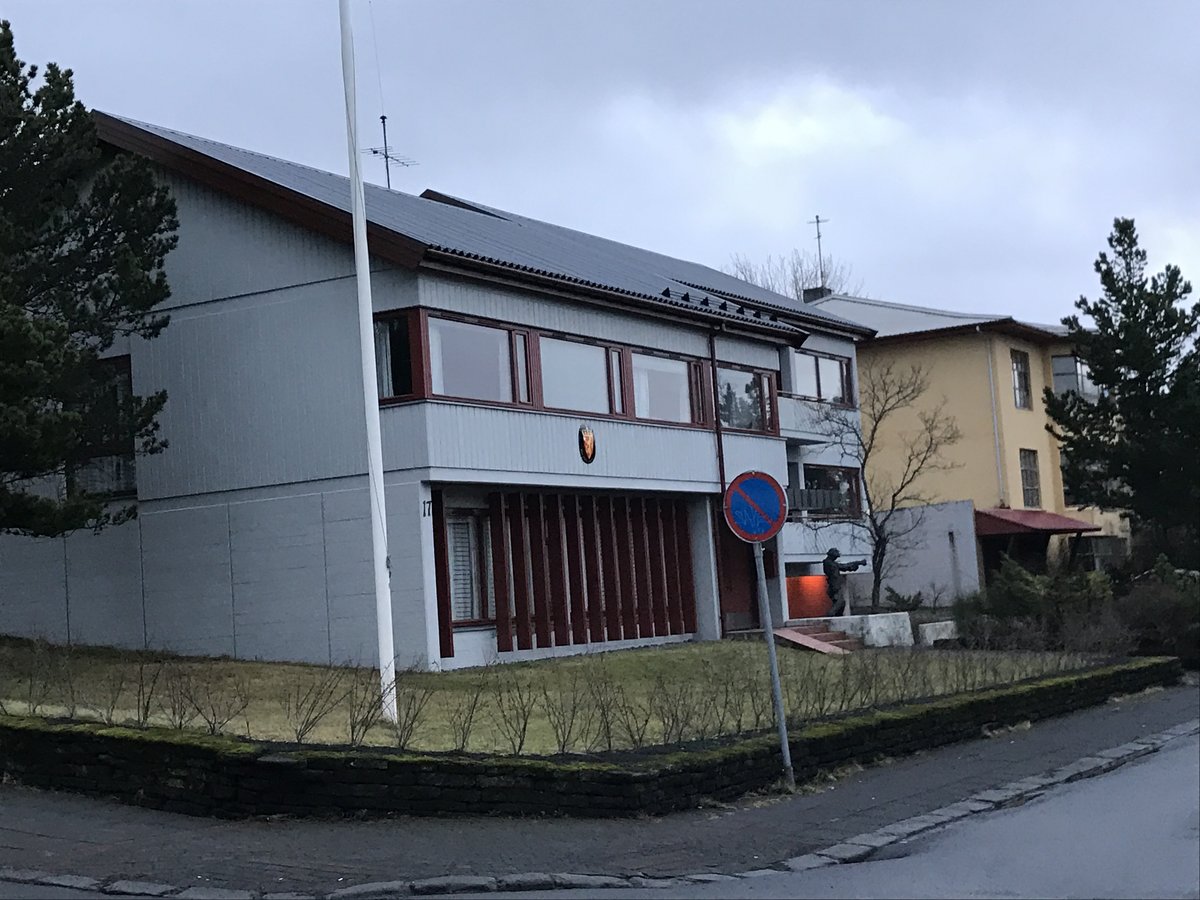
- Address Fjólugata 17, 101 Reykjavík, Iceland
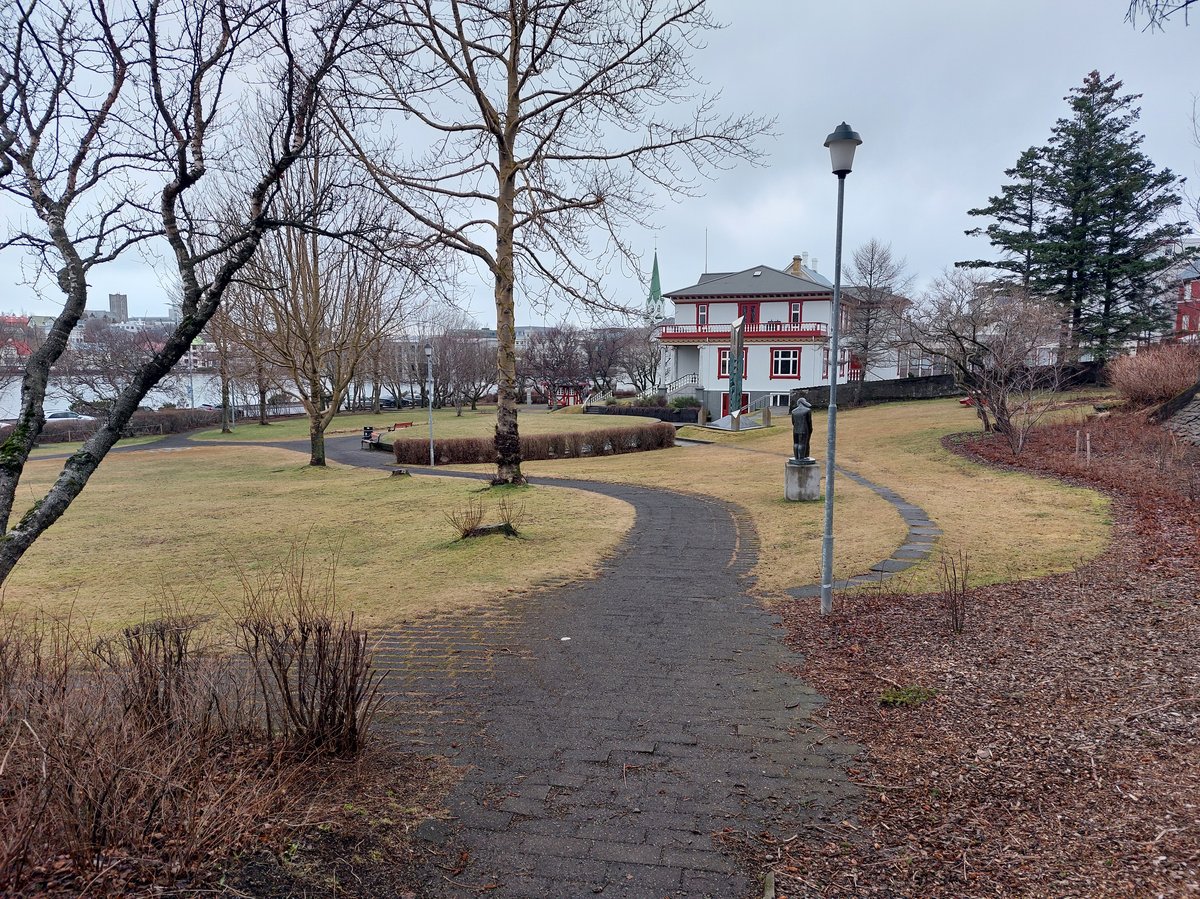
The embassy is located in central Reykjavík, within walking distance of major hotels, landmarks, and public transport options (Arctic Iceland).
Visiting Hours and Contact Information
- General Hours Monday to Friday, 09:00–16:00
- Public Service Desk (Passports/Inquiries) 09:00–13:00
- Phone +354 520 0700
- Email [email protected]
- Official Website norway.no/no/iceland
Note: Hours may vary around public holidays. Always check the embassy website or contact directly before your visit.
Appointment and Security
- Appointments Required for most services; book via phone, email, or the website.
- Entry Valid photo ID required. Security screening applies; large bags and electronics may be inspected.
- Accessibility The building is accessible to visitors with disabilities; contact in advance for special assistance.
Consular Services
The embassy provides:
- Visa services Schengen visas, student/work visas, residence permits.
- Passport services Renewals, new applications, emergency documents for Norwegian citizens.
- Notarial/legal services Certification, legalization, attestations.
- Assistance Emergency help, travel advisories, accident or crisis support.
For detailed requirements and forms, consult the official website.
Tickets and Entry
- General entry Free; the embassy is a government office.
- Events Some cultural events may require advance registration or tickets; details are posted on the embassy website.
Nearby Reykjavík Historical Sites
While visiting the Norwegian Embassy, take the opportunity to explore Reykjavík’s nearby cultural and historical attractions:
- Hallgrímskirkja Church Iconic church with panoramic city views (hallgrimskirkja.is)
- National Museum of Iceland Exhibits on Icelandic history and culture
- Harpa Concert Hall Modern architectural landmark and cultural venue
- Laugavegur Shopping Street Cafés, boutiques, and nightlife
- Sun Voyager (Sólfar) Scenic waterfront sculpture
For more details, see Guide to Iceland – Reykjavik Attractions.
Frequently Asked Questions (FAQ)
Q1: What are the embassy’s visiting hours?
A1: Monday to Friday, 09:00–16:00 (public service desk 09:00–13:00); confirm on the website before visiting.
Q2: Do I need an appointment?
A2: Yes, appointments are required for most services. Walk-ins are not accepted except in emergencies.
Q3: Are there entry fees or tickets?
A3: No tickets are needed for embassy visits; some events may require registration.
Q4: Is the embassy accessible for people with disabilities?
A4: Yes, the premises are accessible. Contact the embassy in advance for special needs.
Q5: What languages are spoken?
A5: Norwegian, Icelandic, and English.
Q6: Can tourists visit for sightseeing or tours?
A6: The embassy is not a tourist attraction; visits are for official consular or cultural business.