History of Japan–Iceland Diplomatic Relations
Early Foundations
The relationship between Japan and Iceland traces its roots to the 19th century, when Denmark signed a Treaty of Friendship, Commerce, and Navigation with Japan in 1867. After Iceland gained independence in 1944, direct diplomatic relations were established in 1956.
Establishment of the Embassy
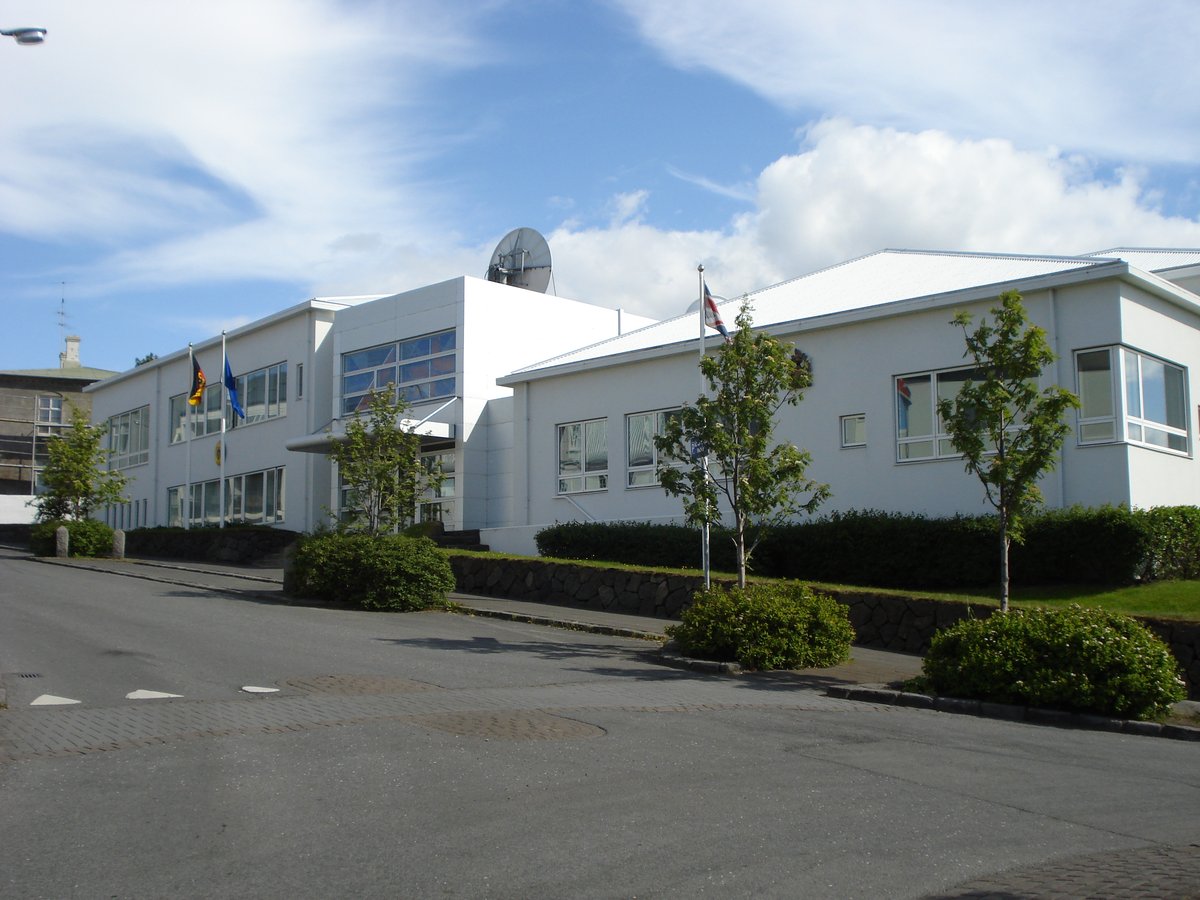
A significant milestone was reached in 1999 with the announcement by Japanese Prime Minister Keizō Obuchi of plans to open an embassy in Reykjavík. The embassy officially began operations in 2002, further strengthening ties and fostering greater collaboration in politics, trade, and culture.
Visiting the Embassy
Location and Contact
- Address Laugavegur 182, 105 Reykjavík (Embassy of Japan in Iceland)
- Phone +354 510 8600
- Email See official website for current contact details.
Laugavegur is Reykjavík’s main shopping and cultural street, making the embassy easy to reach by public transport, taxi, or on foot. Parking, including accessible spaces, is available nearby.
Visiting Hours and Appointments
- Hours Monday–Friday, 9:00 AM – 4:30 PM
- Closed Weekends and Icelandic public holidays
- Appointment Policy Appointments are recommended for most consular services (e.g., visas, passports). Walk-ins are discouraged except in emergencies. Book via the official website.
Accessibility
The embassy is committed to inclusivity, featuring accessible entrances and facilities as part of Reykjavík’s "Ramping Up Iceland" campaign (Reykjavík City Accessibility). Assistance is available upon request, and accessible parking and public transport options are nearby.
Entry and Ticket Policies
- Entry No tickets are required for consular or general visits.
- Events Some public cultural events may require advance registration or have separate entry policies.
- Security Valid photo ID is required; security screening applies. Photography inside the embassy is prohibited.
Diplomatic and Cultural Engagement
Bilateral Agreements and Economic Ties
Japan and Iceland are both OECD members, maintaining robust political and economic relations. Notable agreements facilitated by the embassy include the 2018 Agreement on the Elimination of Double Taxation and a Working Holiday Visa Agreement, which have boosted economic and cultural exchange. Trade encompasses Icelandic exports like fish and steel and Japanese exports such as automobiles and electronics.
Cultural Exchange and Education
The embassy actively promotes Japanese culture in Iceland. Key initiatives include:
- Annual Japan Festival Hosted with the University of Iceland, featuring tea ceremonies, language workshops, manga, and martial arts (Guide to Iceland).
- Educational Programs Support for Japanese language courses at the University of Iceland since 2003 and scholarships, such as the Watanabe Trust Fund and Scandinavia-Japan Sasakawa Foundation (Guide to Iceland).
- City Partnerships Cultural exchange is furthered by sister city relationships, such as with Tama City in Tokyo.
Reykjavík as a Diplomatic Center
Reykjavík hosts the majority of Iceland’s embassies and consulates, with the Embassy of Japan contributing to the city’s cosmopolitan character. Its proximity to landmarks like Hallgrímskirkja Church, Harpa Concert Hall, and the National Museum makes it a central part of Reykjavík’s cultural and diplomatic landscape (Exploring Reykjavík’s Cultural and Diplomatic Sites: Visiting Hours, Tickets, and Highlights).
Frequently Asked Questions (FAQ)
Q: How do I reach the Embassy of Japan in Reykjavík?
A: The embassy is located on Laugavegur 182, accessible by bus, taxi, or on foot. Further directions are available on the official website.
Q: What services does the embassy provide?
A: Consular services (visas, passports, notarial services), cultural events, educational guidance, and emergency support for Japanese nationals.
Q: Do I need an appointment?
A: Yes, appointments are required for most consular services. Check the website for booking details.
Q: Is the embassy accessible for visitors with disabilities?
A: Yes, ramps and accessible facilities are available as part of the city’s accessibility initiatives (Reykjavík City Accessibility).
Q: Are there tickets for entry?
A: No, the embassy does not require tickets for entry. Some events may require advance registration.
Q: What languages are spoken?
A: English and Japanese are primarily used; Icelandic is used for local communications.
Summary and Visitor Recommendations
The Embassy of Japan in Reykjavík stands as a central pillar of Japan–Iceland relations—offering comprehensive consular services, championing cultural exchange, and fostering diplomatic collaboration (Embassy of Japan in Reykjavík: History, Visiting Information, and Diplomatic Significance; Embassy of Japan in Reykjavík: Visiting Hours, Services, and Cultural Events). Its accessible location and commitment to inclusivity make it an essential stop for residents, travelers, and anyone interested in Japanese culture. To maximize your visit:
- Book appointments in advance.
- Check for public cultural events on the embassy’s website or social media.
- Explore nearby attractions like Hallgrímskirkja and Harpa Concert Hall.
- Use the Audiala app for updates on events and accessibility information.
For more, consult the embassy’s official website and related sources listed below.