About the Museum
The Heimatmuseum Plieningen, also known as the Local History Museum Plieningen, is in Stuttgart’s districts of Plieningen and Birkach. It is housed in the historic Zehntscheuer, a preserved tithe barn with traditional timber-framed architecture.
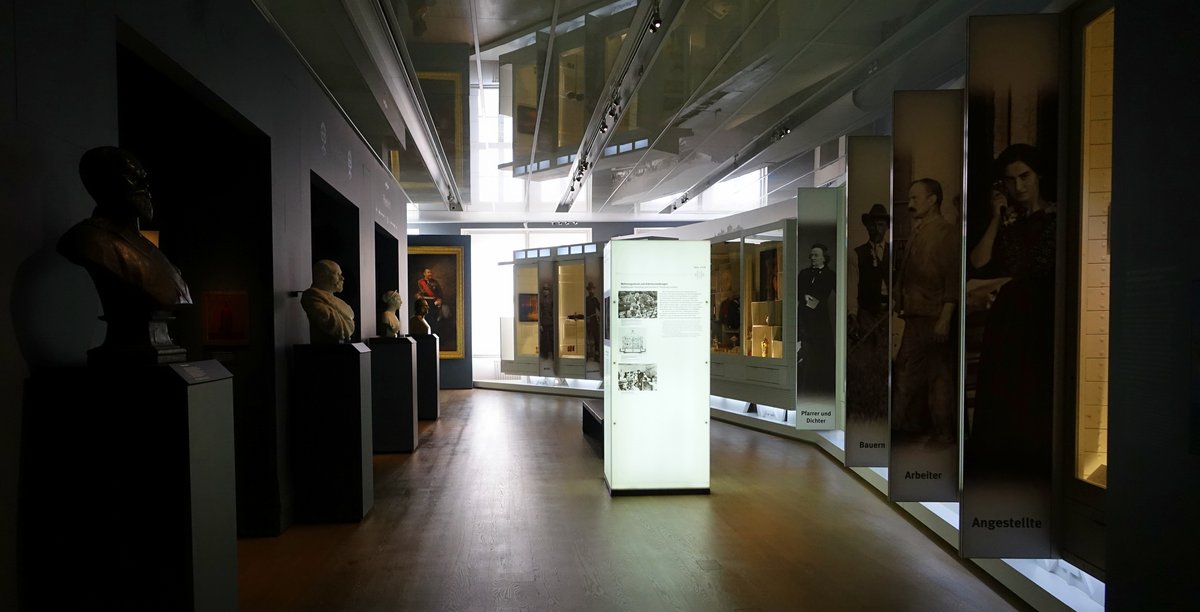
The museum explores the area’s agricultural roots, artisanal crafts, and changing urban and social landscapes. Its six themed rooms connect visitors with local traditions, crafts, and community life. The museum is also a cultural and educational resource, with interactive displays and programs for visitors of different ages.
History and Community
Originally established in Plieningen’s Altes Rathaus (Old Town Hall), the museum preserved and presented the history of Plieningen and Birkach. It operated there until 2009, when extensive renovations required it to close temporarily and relocate (Heimatmuseum Plieningen).
After years without a permanent home, the museum reopened in the centuries-old Zehntscheuer in 2014. The move was made possible by significant municipal investment and reflected the Stuttgart city council’s commitment to cultural preservation (Heimatmuseum Plieningen).
Many exhibits come from community donations, and changing displays reflect local participation and historical research (StadtPalais Stuttgart). The museum also offers hands-on activities, monthly children’s programs, and special workshops (Artsupp). Collaborations with local organizations support an inclusive welcome for visitors of different backgrounds and abilities (Heritage Creative).
What to See
The six themed rooms are Fields, Barn, Workshop, Tavern, Town Hall, and Kitchen. Exhibits also explore the “Vertical Village” of Asemwald.
Agriculture: “Fields” and “Barn”
These rooms cover the region’s agricultural heritage, with a particular focus on Filderkraut cabbage. Original farming implements, photographs, and hands-on displays illustrate life and agricultural advances on the Filder plateau (Heimatmuseum Plieningen).
Craftsmanship: The Schad Cap Workshop
The historic Schad workshop presents the local cap-making trade through original tools and materials, reflecting an important part of the area’s rural industry.
Social Life: Taverns, Students, and Associations
Displays explore tavern culture and the community bonds it fostered, as well as the influence of University of Hohenheim students on the area’s changing social life (University of Hohenheim).
Civic Administration: The “Town Hall” Room
Archival materials and original furnishings illustrate the administrative history of Plieningen and Birkach, including their incorporation into Stuttgart.
Domestic Life: The Historical Kitchen
A reconstructed historical kitchen presents local culinary traditions, household artifacts, and changes in domestic technology.
Urban Development: The “Vertical Village” of Asemwald
This exhibit documents the area’s transformation through urbanization, using visual installations to prompt reflection on community integration and changes to the landscape (Stuttgart Tourism).
Practical Visiting Information
Opening Hours
- Saturdays 14:00–18:00
- Sundays 11:00–18:00
- Group tours and educational programs By appointment
Some sources list Sunday opening hours as 14:00–17:00. Hours may vary seasonally, so check the official museum website for the latest details.
Admission and Tours
- Admission Free for all visitors.
- Special events or tours May require advance booking or a nominal fee.
- Guided tours Available by appointment.
Accessibility and Language
The museum is wheelchair accessible, with barrier-free entrances, elevator access to all floors, and accessible restrooms in the basement (StadtPalais Stuttgart). Most exhibit texts are in German; staff can provide basic English support.
Location and Transport
- Address Mönchhof 7, 70599 Stuttgart (Plieningen)
- Public transport Reachable by U3 Stadtbahn and several bus lines.
- Parking Limited; public transport is recommended.
Tips for Visitors
- Most exhibit texts are in German; a translation app may be useful.
- Contact the museum in advance about accessibility needs or guided tours.
- The museum hosts special exhibitions and workshops and participates in local festivals. Event listings are available on the Stuttgart tourism event calendar.
- Souvenirs and local crafts are sold during special events; nearby markets offer regional specialties.
- Photos are permitted for personal use; avoid flash and tripods.
- Museum updates are available on its official website. The guide also suggests following the museum on social media or using the Audiala app for exclusive content and guided tours.

The traditional timber-framed Zehntscheuer, home of Heimatmuseum Plieningen.
Nearby Places
- University of Hohenheim Baroque palace and botanical gardens.
- Plieningen Castle and Park
- Stuttgart Botanical Gardens
- StadtPalais – Museum for Stuttgart
Frequently Asked Questions
Q: What are the Heimatmuseum Plieningen visiting hours?
A: Saturdays 14:00–18:00 and Sundays 11:00–18:00. Hours may change seasonally; some sources list Sunday hours as 14:00–17:00.
Q: Is there an admission fee?
A: No. Entry is free.
Q: Is the museum wheelchair accessible?
A: Yes. It has barrier-free entrances, elevator access to all floors, and accessible restrooms.
Q: Are guided tours available?
A: Yes, by appointment.
Q: Can I take photos inside the museum?
A: Yes, for personal use. Avoid flash and tripods.
Q: Where can I find more information?
A: Visit the official museum website.