Historical Background & Memorial Significance
Origins and Transformation
Birkenkopf, whose name means "Birch Head," originally featured sparse birch groves. Archaeological evidence suggests human activity here since the Mesolithic era. Prior to WWII, the hill was quarried for sand and stone; during the war, it was militarized and off-limits to civilians (Stadtlexikon Stuttgart).
Aftermath of War: Creation of a Schuttberg
The devastation of Stuttgart during WWII left nearly half the city in ruins. Between 1953 and 1957, rubble from 53 bombing raids was transported to Birkenkopf, raising the hill by around 40 meters and forming one of Germany’s most notable Schuttberg (rubble hills) (Wikipedia, Explanders). Mayor Arnulf Klett oversaw its transformation into a memorial, with large building fragments intentionally left exposed at the summit (Atlas Obscura).
Memorialization and Symbolism
A steel cross dominates the summit, replacing the original wooden cross from 1953. The inscription at the top reads:
"Dieser Berg nach dem Zweiten Weltkrieg aufgetürmt aus den Trümmern der Stadt steht den Opfern zum Gedächtnis den Lebenden zur Mahnung."
"This mountain, after World War II, piled up from the ruins of the city, stands as a memorial to the victims and a reminder to the living” (Wikipedia).
The juxtaposition of rubble and panoramic views symbolizes both loss and renewal.
Birkenkopf in Public Memory
Birkenkopf is used for commemorative events, open-air church services, and political gatherings. Its physical remnants and landscape design invite reflection, while birch trees and stabilized slopes balance natural beauty with solemnity (AdvantiNews, Stadtlexikon Stuttgart).
Cultural Role in Stuttgart
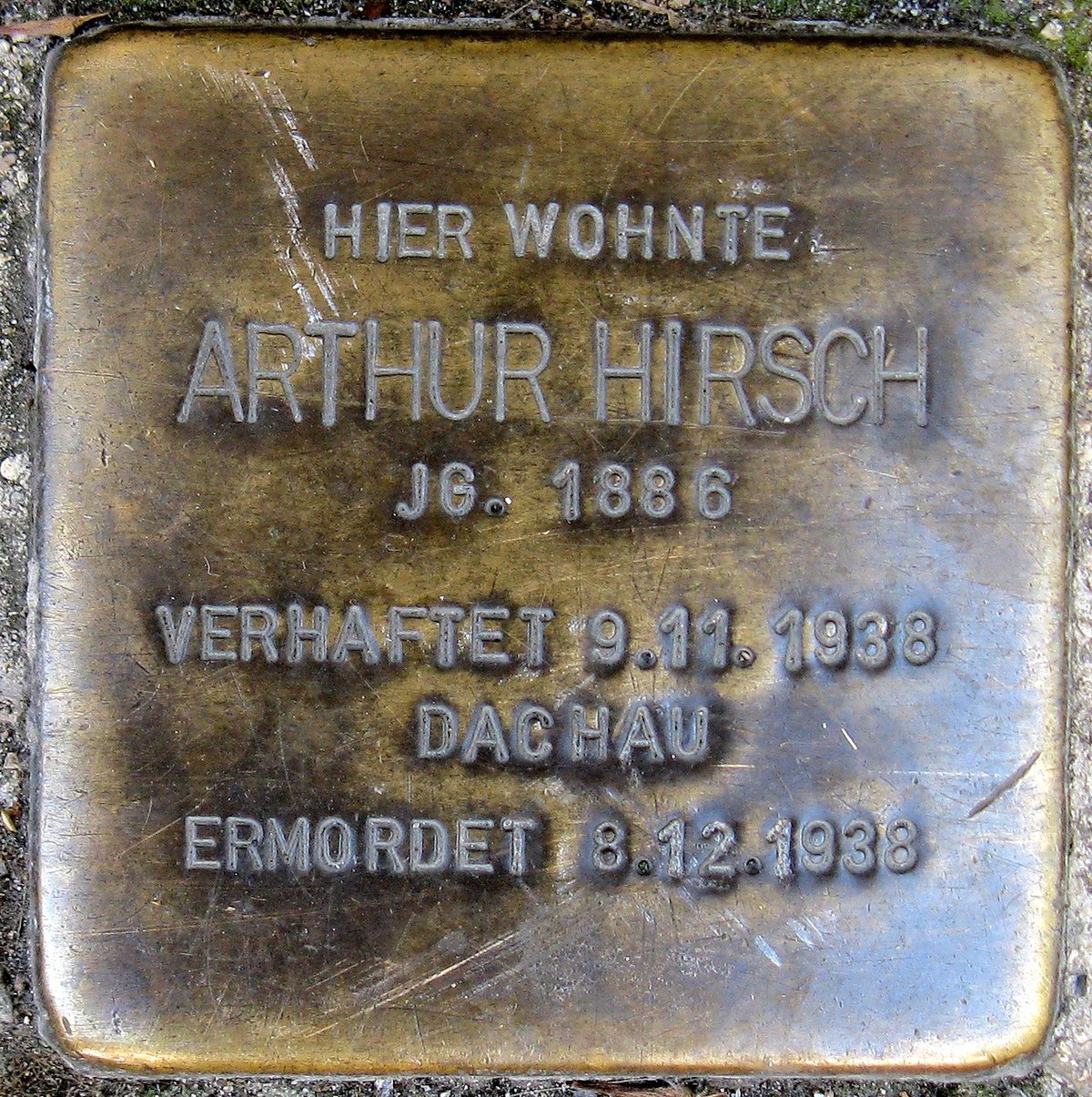
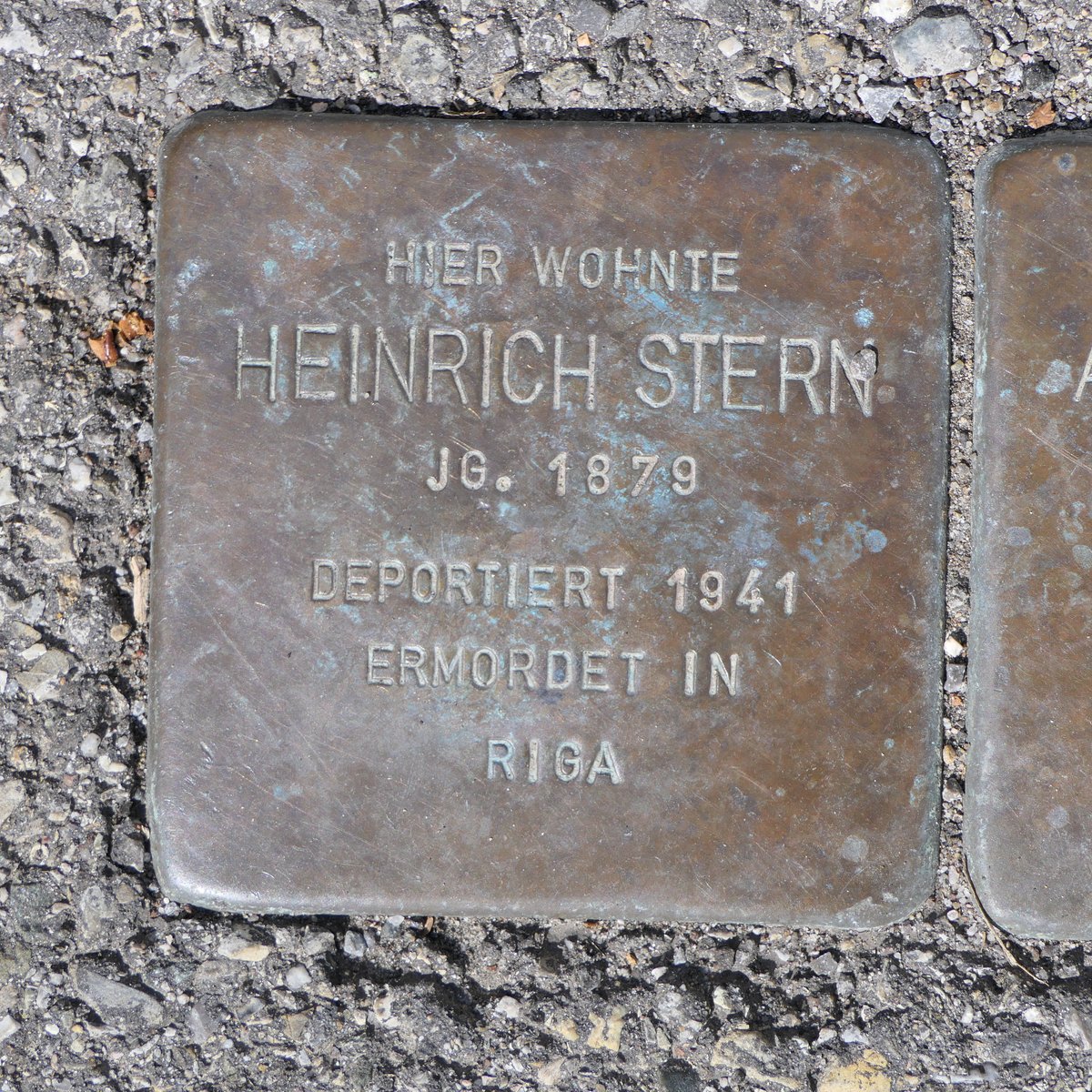
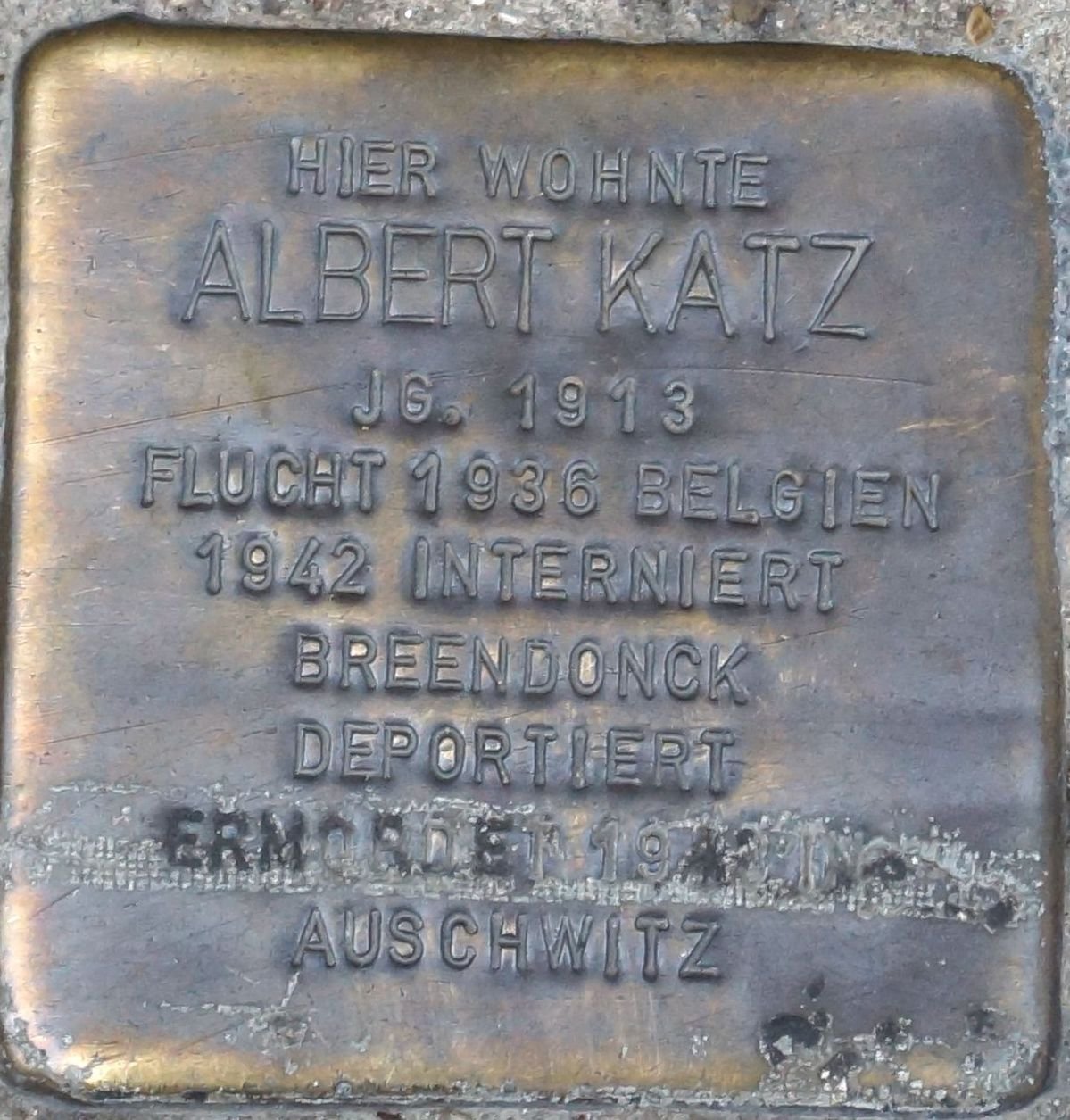
Birkenkopf is part of the city’s network of memorials that includes Stolpersteine (stumbling stones) and the Nordbahnhof deportation memorial, emphasizing remembrance and reflection (Byline Times).
Visiting Birkenkopf: Practical Information
Visiting Hours
Birkenkopf is open 24/7, year-round. Daylight hours are recommended for safety and optimal viewing.
Tickets & Admission
There is no entrance fee; Birkenkopf is freely accessible to all visitors.
Accessibility
The main spiraling path is well-maintained and suitable for most visitors, including families. The final ascent is uneven due to rubble, which may pose challenges for those with limited mobility or wheelchairs (AdvantiNews, Trek Zone).
Getting There
- By Public Transport Take Bus 92 from Stuttgart Hauptbahnhof or the “Feuersee” U-Bahn/S-Bahn stop to “Birkenkopf.” Buses run regularly; check the VVS Stuttgart website for schedules (raus-mit-uns.de).
- By Car Free parking is available on Rotenwaldstraße at the base of the hill. Spaces can fill quickly on weekends.
- By Bicycle Cyclists can reach the area but should walk bikes up the final ascent.
Guided Tours & Events
Guided tours are occasionally offered by local historical societies or the Stuttgart tourist office—check their websites for schedules. From Easter through September, an open-air church service is held every Sunday at 8:00 a.m. at the summit (stuttgart-recherche.de).
Facilities & On-Site Amenities
- Restrooms None on site—plan accordingly (raus-mit-uns.de).
- Food & Drink No cafés or kiosks. Nearby Stuttgart-West offers many options, such as Café Seyffers and Pinsa Manufaktur.
- Benches & Picnic Areas Benches are available along the trail for rest and picnics; some are shaded.
Family Friendliness
Birkenkopf is suitable for families. Children often enjoy exploring the summit’s unique landscape, but should be supervised due to uneven terrain and the site’s memorial significance (raus-mit-uns.de).
Best Photographic Spots
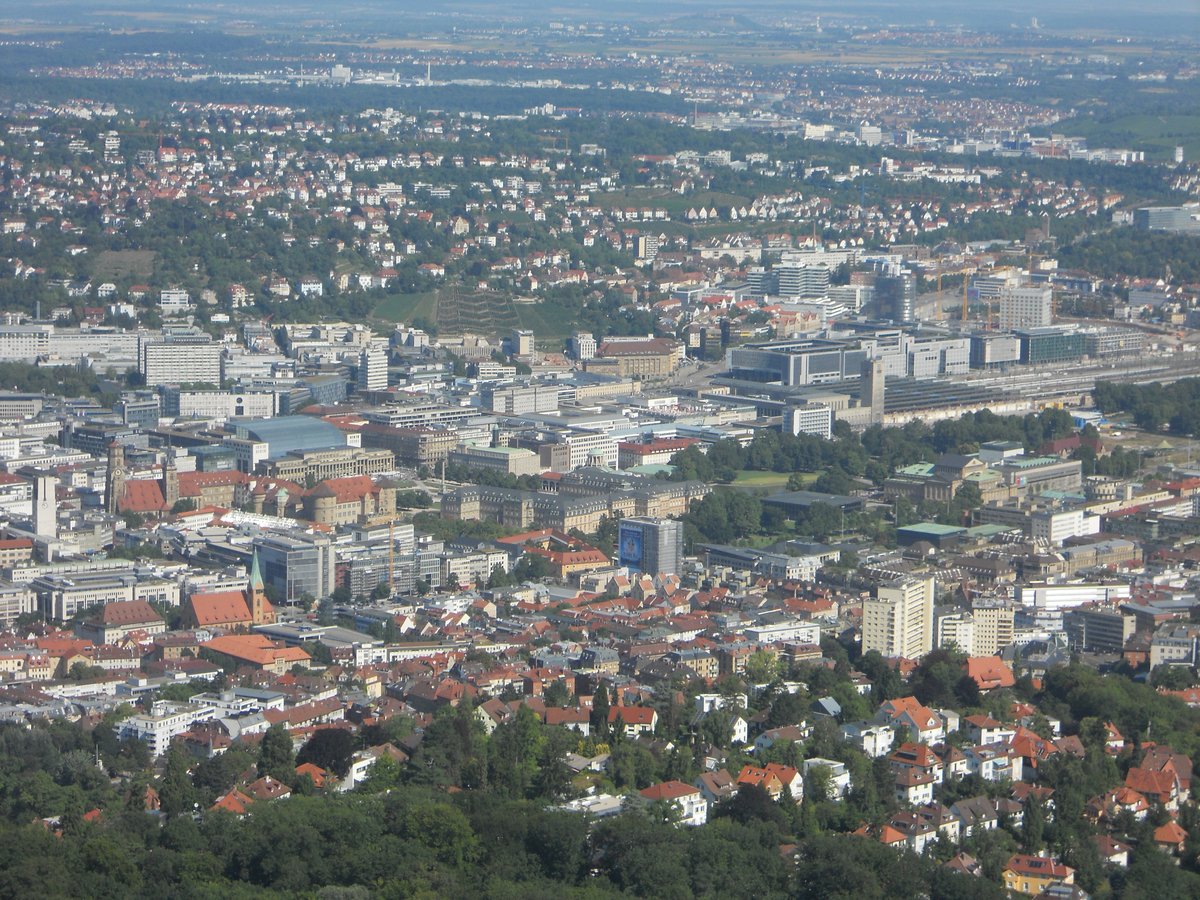
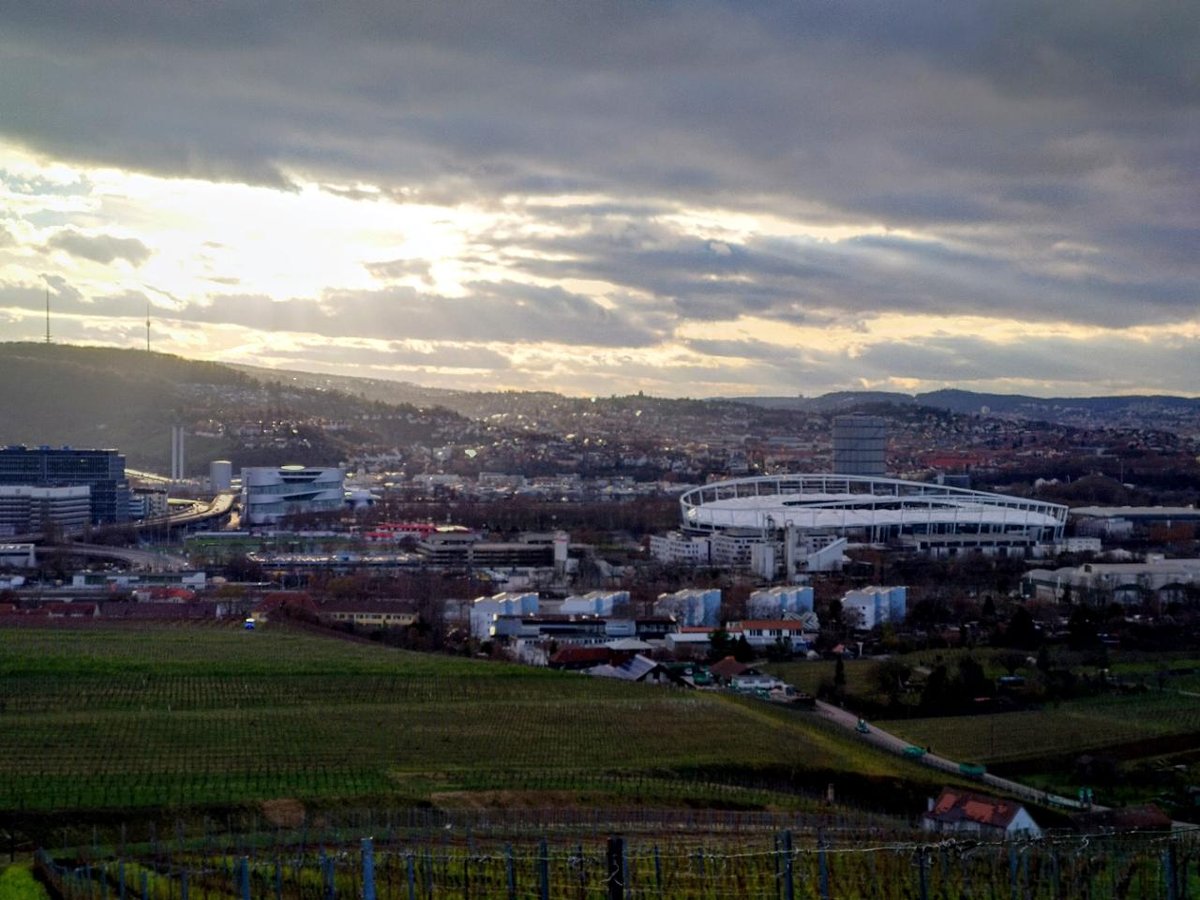
The summit offers panoramic views of Stuttgart, the Swabian Alb, and the Black Forest—ideal at sunrise or sunset for photography (Monkeys and Mountains, Explanders).
Nearby Attractions
- Bürgerwald & Rotenwald Adjacent forests with walking trails and a forest playground—perfect for families (raus-mit-uns.de).
- Stuttgart-West Vibrant district with cafes and shops.
- Killesberg Park & Tower Gardens, miniature railway, and panoramic tower (mygermanyvacation.com).
- Wilhelma Zoo & Botanical Garden Home to thousands of animal and plant species.
- Stuttgart Museums Mercedes-Benz Museum, Porsche Museum, Kunstmuseum, Staatsgalerie (stuttgart-tourist.de).
- Schlossplatz & City Center Historic square and urban attractions.
- Standseilbahn (Cable Railway) Historic funicular railway.
- Vineyard Trails Urban wine trails around Uhlbach.
- Grabkapelle on Württemberg Hill Romantic neoclassical chapel with scenic views.
Frequently Asked Questions
Q: What are Birkenkopf’s visiting hours?
A: Open year-round, 24 hours a day. Daylight visits are safest and most enjoyable.
Q: Is there an entrance fee or ticket required?
A: No. Entry is free.
Q: How do I get there using public transport?
A: Use Bus 92 from the city center to “Birkenkopf” station.
Q: Are guided tours available?
A: Occasionally, through local historical societies and the Stuttgart tourist office.
Q: Is Birkenkopf accessible for people with mobility challenges?
A: The main path is accessible, but the summit is uneven and may be difficult for wheelchair users.
Q: Are there facilities like restrooms or cafes?
A: No. Plan accordingly.
Practical Tips
- Footwear Wear sturdy shoes for uneven terrain.
- Weather The summit is exposed; bring sun and wind protection.
- Duration Plan for 1–2 hours, including ascent, summit time, and descent.
- Respect Maintain a quiet, contemplative atmosphere at the memorial.
- Family Supervise children due to uneven ground.