Place
Germany Updated Oct 2026
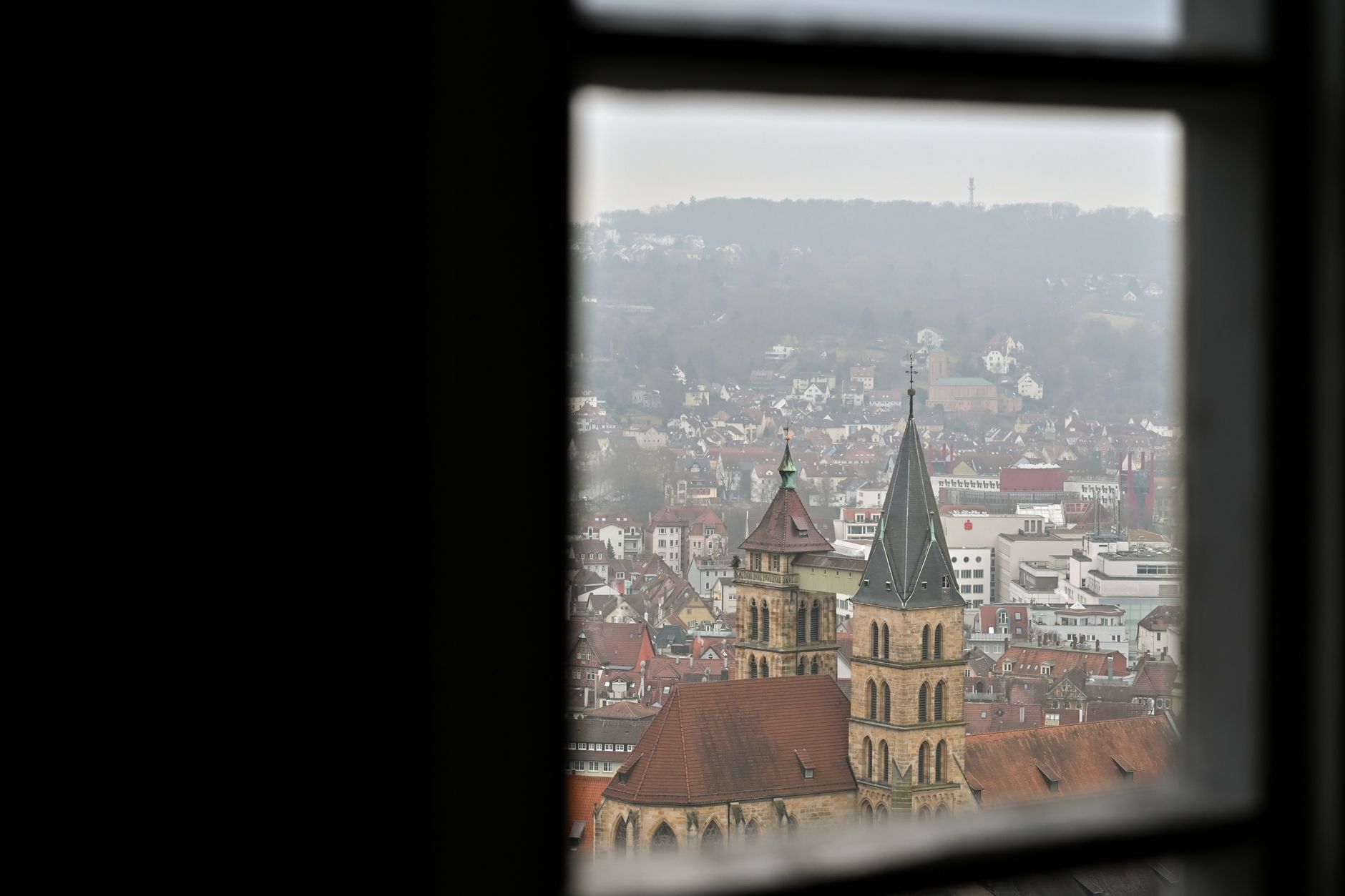
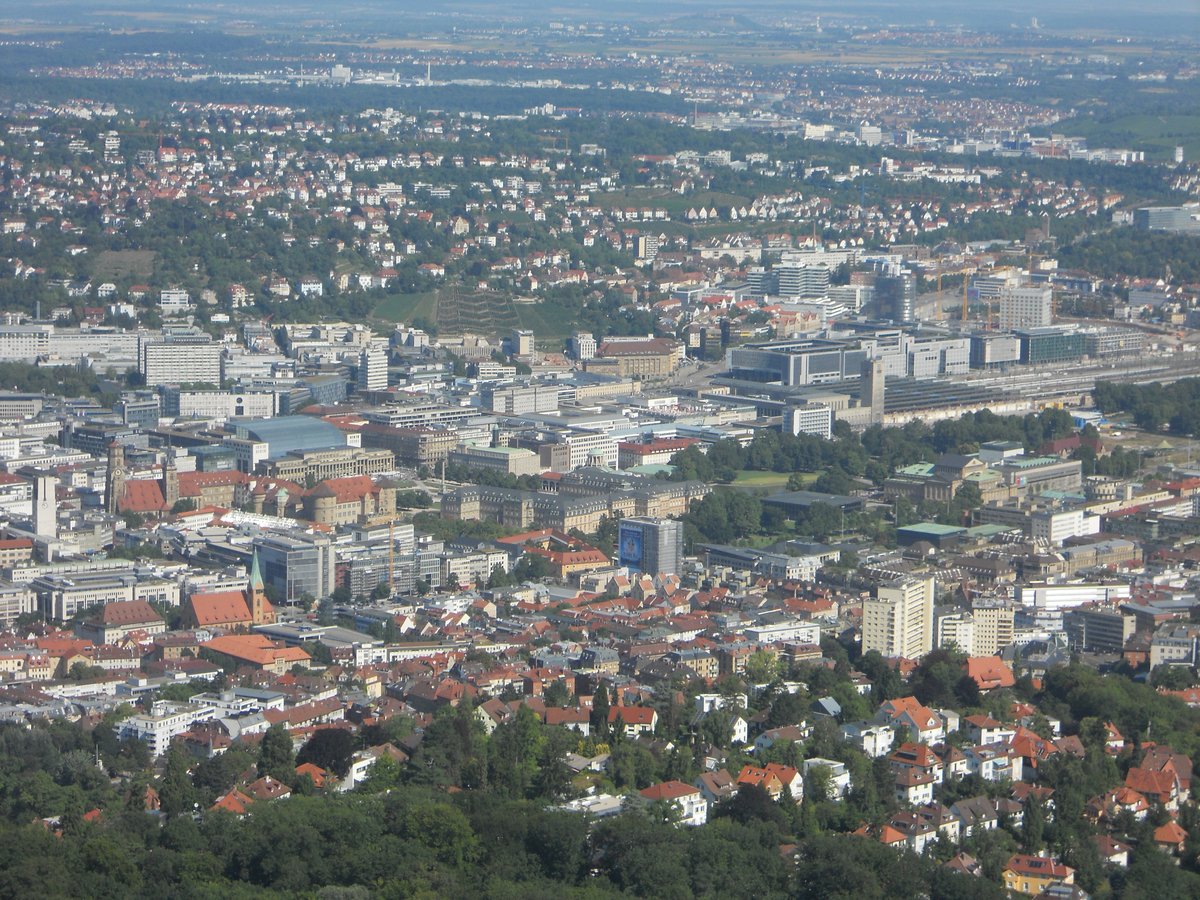
Stuttgart, Germany, makes a car city behave like a hill town: more than 400 stairways climb its steep basin, past vineyard rows and garden walls, while the Zacke cog railway rattles toward Degerloch. Leave the engine off. Often the best view comes after a climb, with the city opening below in rooftops, vines and wooded ridges.
 Photo: Margo Evardson / Pexels
Built from cited sources · see the method · How we make our guides →
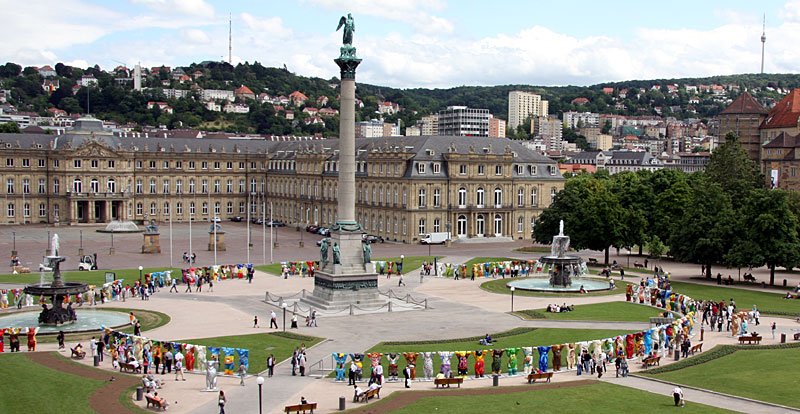
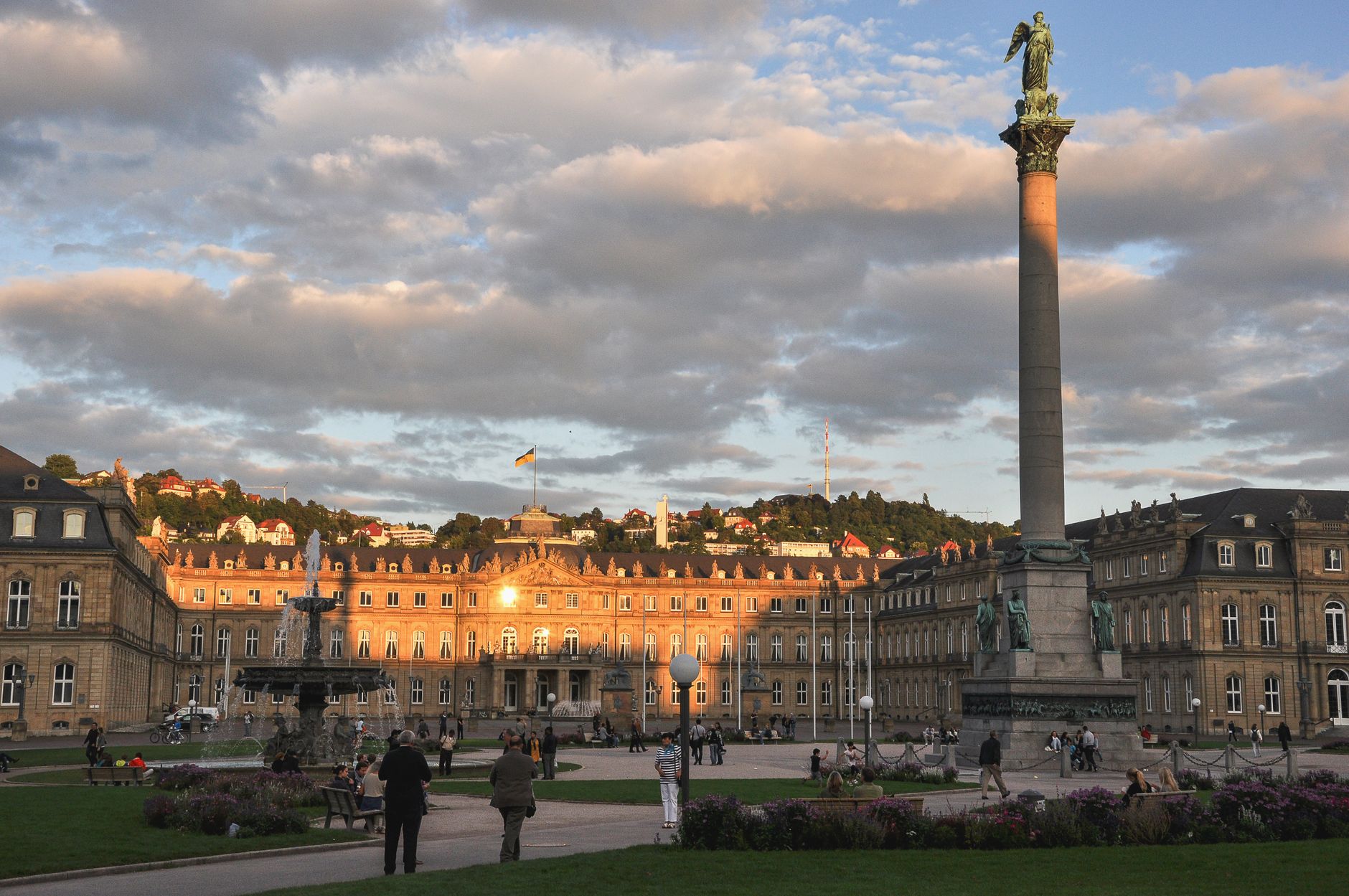
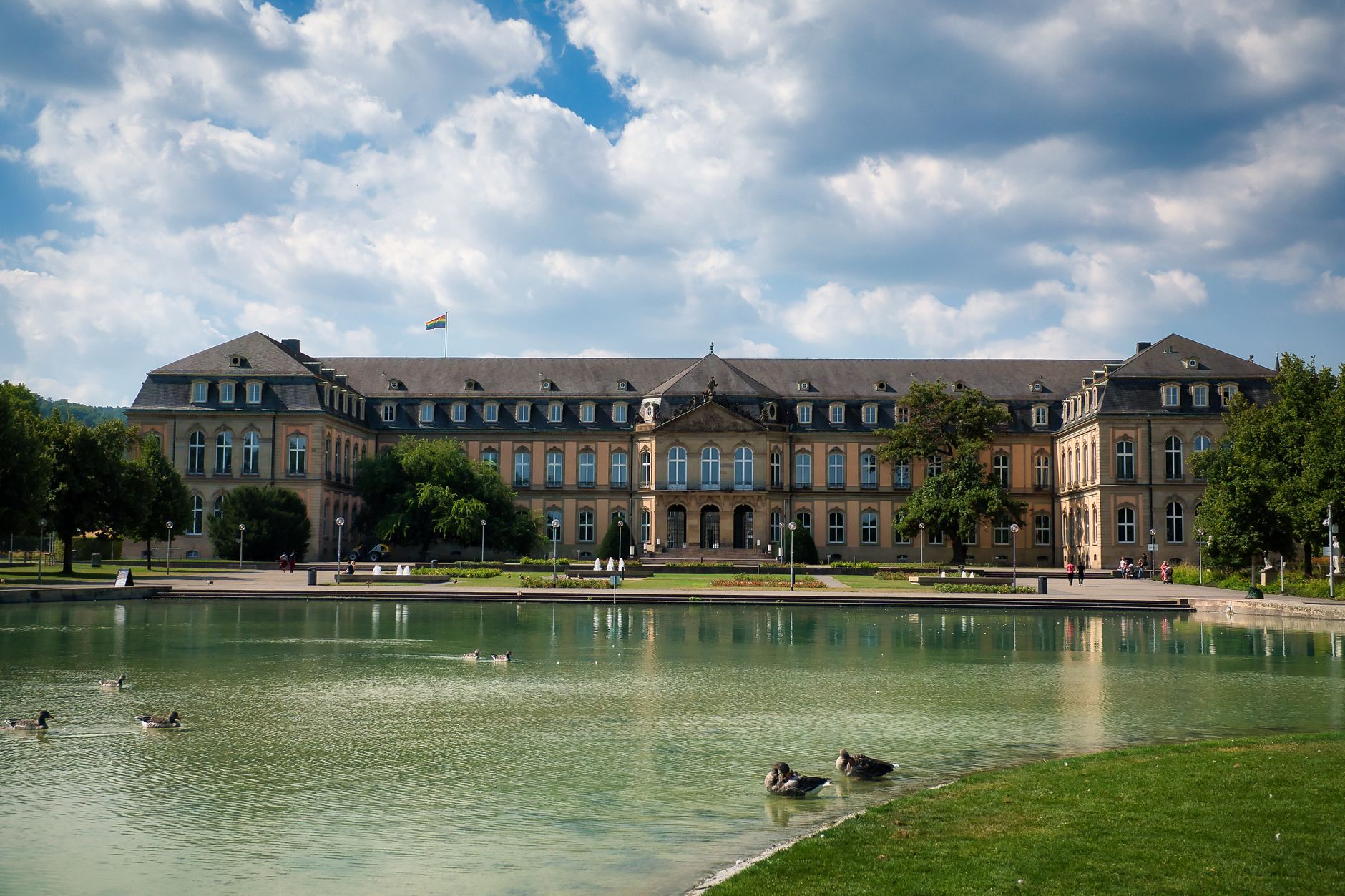
Royal Stuttgart gathers around Schlossplatz, where the late-Baroque New Palace faces broad lawns and the Old Castle keeps a Renaissance courtyard behind its walls. A short walk away, James Stirling’s 1984 Neue Staatsgalerie turns museum-going into an architectural detour, with bright rails and a circular open-air rotunda.
The hills keep the countryside close, and local wine is part of ordinary city life: ask for a Viertle, the traditional quarter-liter, with a plate of Maultaschen or Kässpätzle. At the 1914 Markthalle, light falls through the skylit hall onto stalls selling regional produce and food from farther afield.
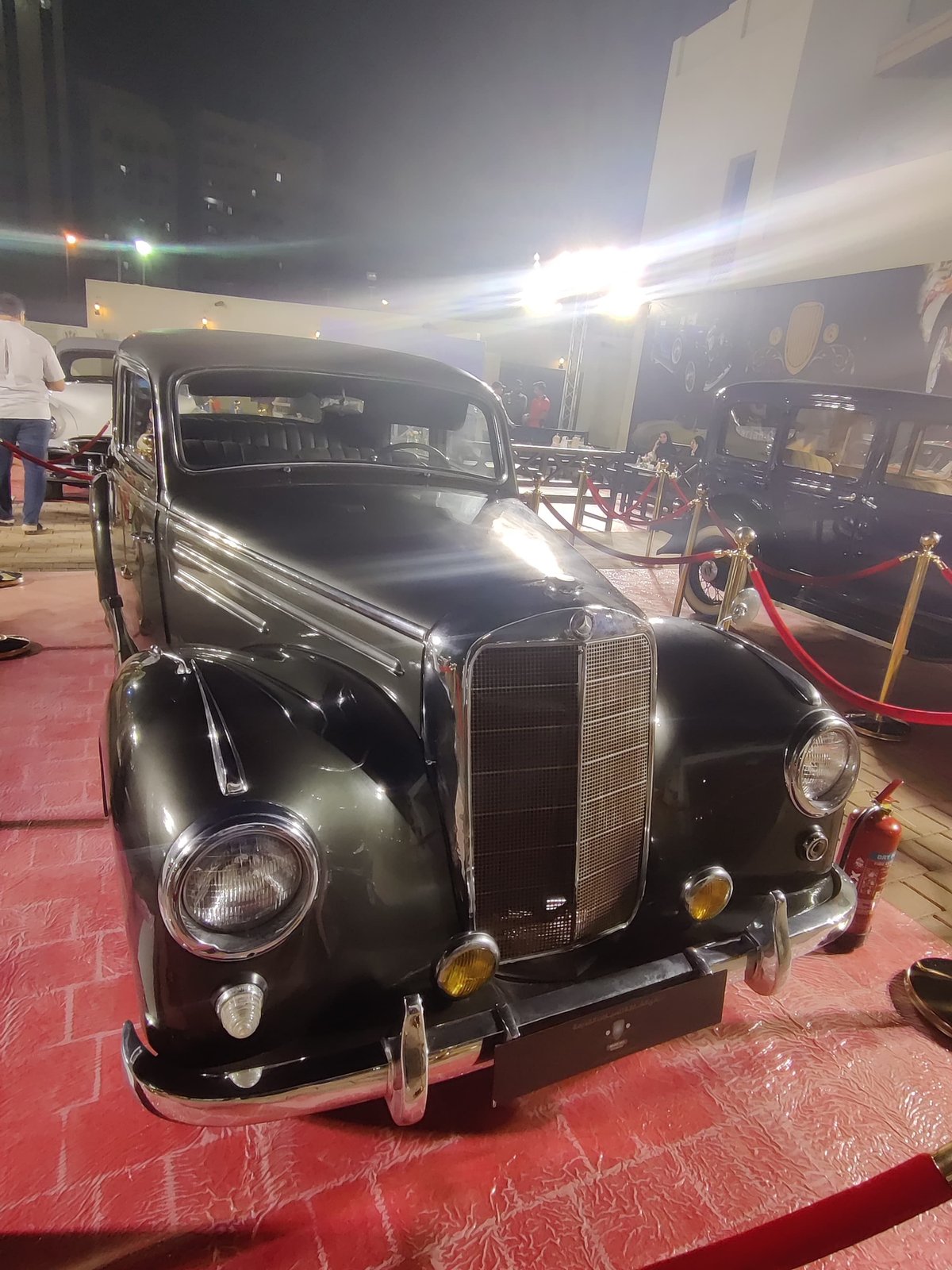
Cars belong here as history as much as industry. The Mercedes-Benz Museum traces the automobile from 1886 through a nine-level double helix; across town in Zuffenhausen, Porsche’s collection puts racing models beside the familiar 911. Together, they make Stuttgart’s identity feel less like a corporate slogan and more like a city still arguing about how people should move.
Not every monument, just the ones we'd walk you past ourselves.
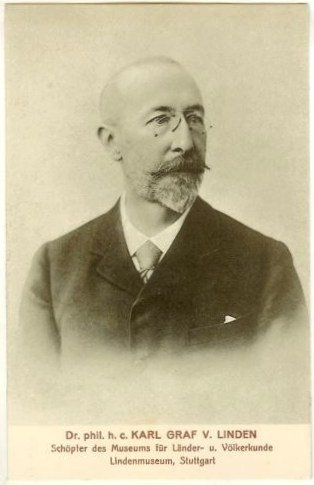
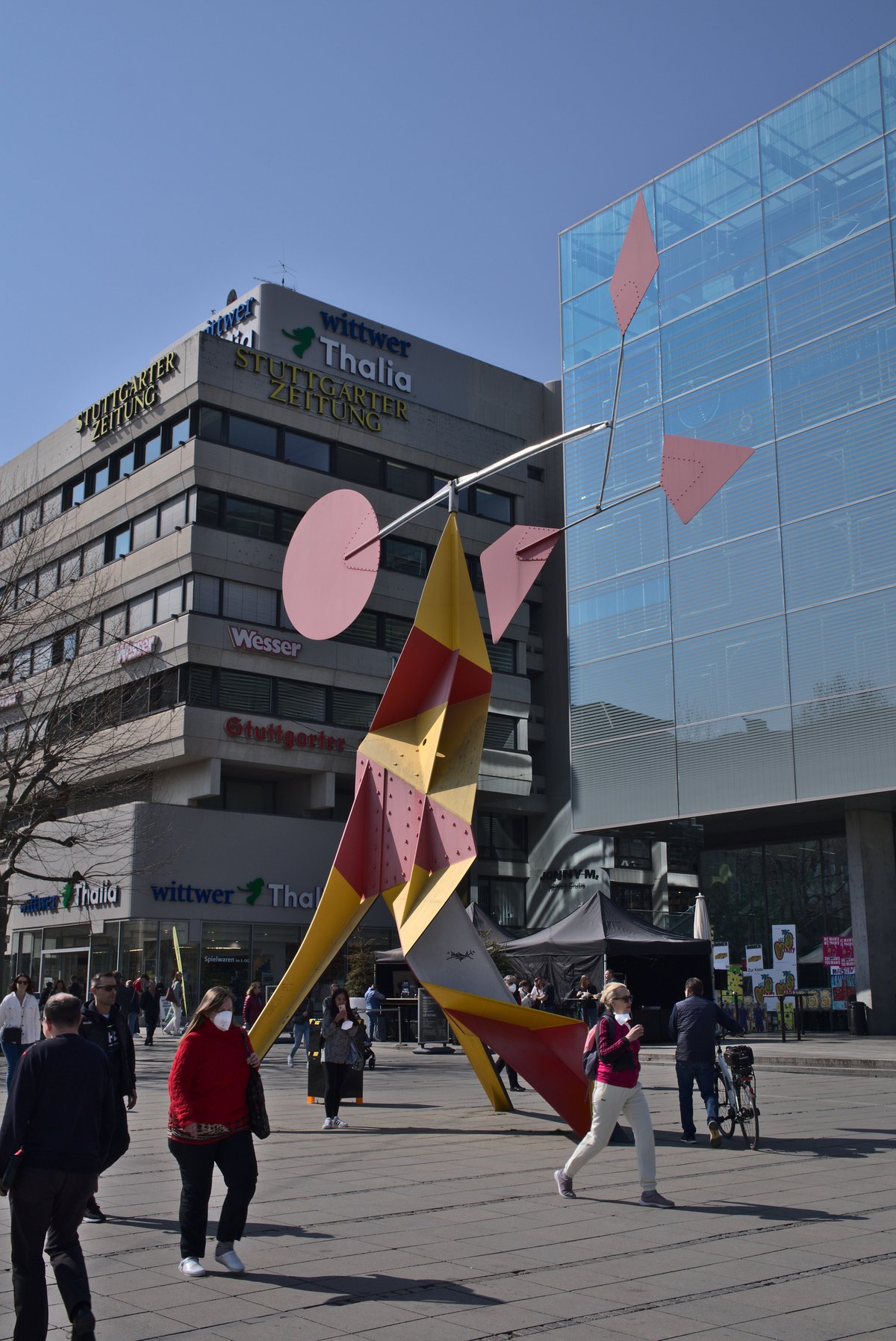
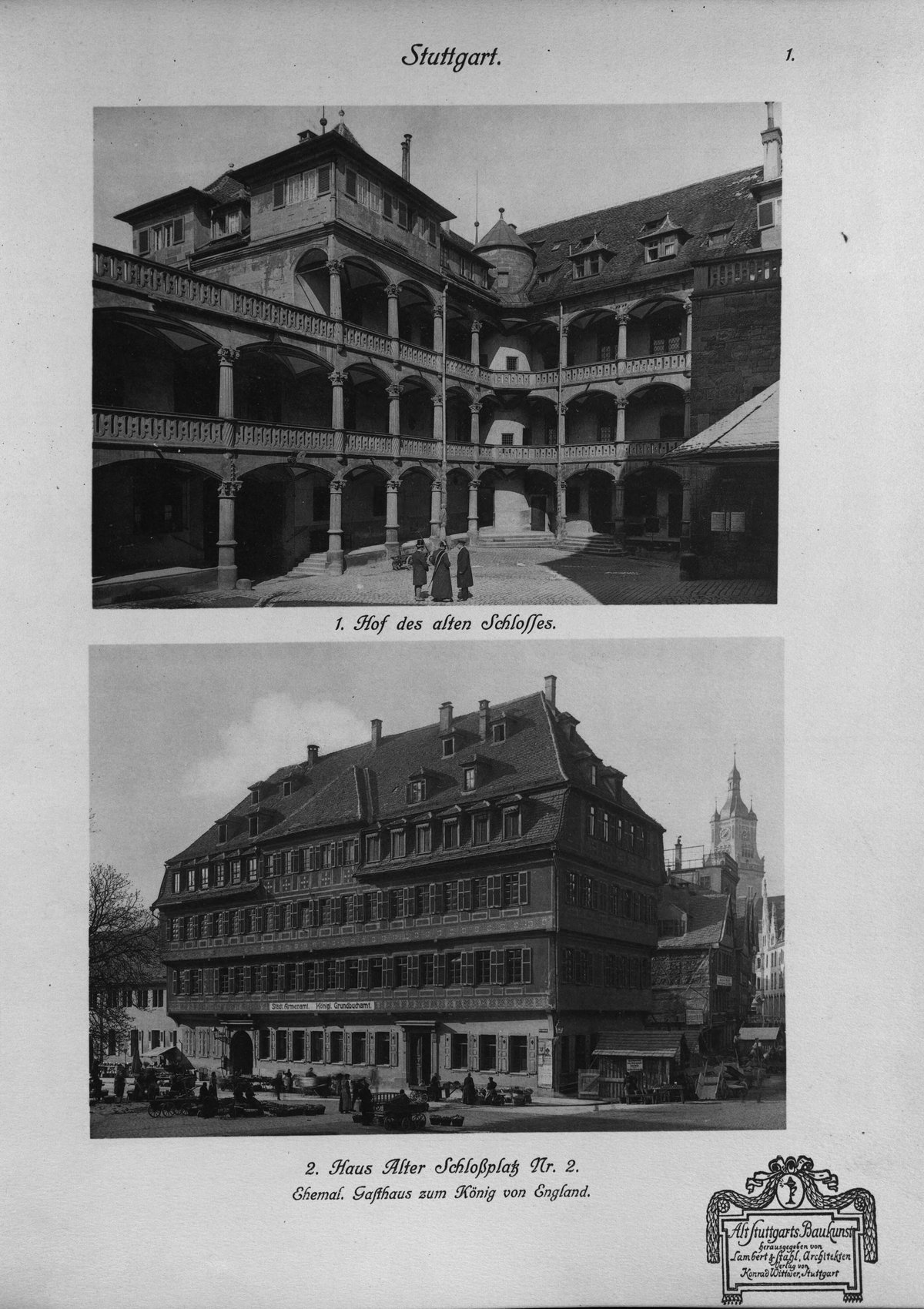
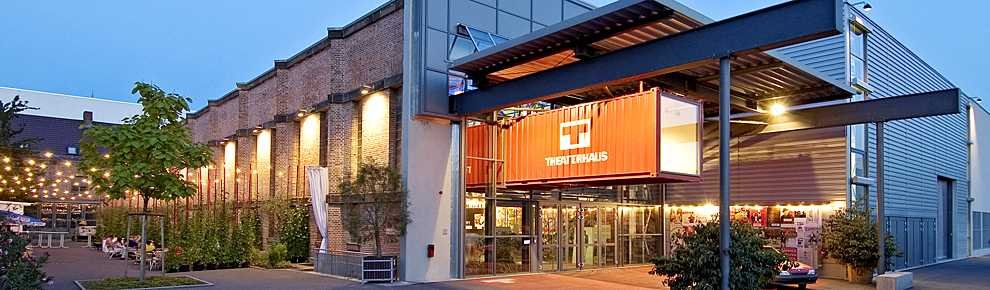

Where to wander, by quarter — each with its own rhythm.
Before you go
Curated from places in this city. Same price as official sites.


Prices shown are indicative — final pricing and availability are confirmed at checkout. Audiala may receive a commission from bookings made via these links.
A Württemberg seat remade by courts, industry, war, and reinvention
Roman forces established a fort and civilian settlement at what is now Bad Cannstatt, guarding roads and crossings along the Neckar. Fragments of that frontier world survive beneath a district better known today for its springs and factories.
Local tradition traces Stuttgart’s name to a horse-breeding estate, or Stuotgarten, in the Nesenbach valley. The story links the city’s beginnings to horses rather than a castle or a Roman road, though its exact date and founder remain uncertain.
Conrad I of Württemberg established his power at Wirtemberg Castle, on a hill above the Neckar Valley within present-day Stuttgart. The surviving record is patchy, but the castle became the family’s ancestral seat and gave its name to the dynasty that would rule the region for centuries.
A papal charter issued by Gregory IX provides the first surviving formal mention of Stuttgart. By then, the settlement had town status and was beginning to matter beyond the valley that sheltered it.
Imperial forces besieged and captured Stuttgart during the conflict known as the Imperial City War. The town passed under Esslingen’s control before Württemberg rule was restored in 1315; power here could still change hands at the end of a siege.
Count Eberhard I moved Württemberg’s collegiate chapter and family burial place to Stuttgart’s Stiftskirche. The church’s bells and stone vaults marked a change in the town’s role: it was becoming the dynasty’s administrative and ceremonial center.
The Treaty of Münsingen reunited the Württemberg lands, which had been divided between Stuttgart and Urach. Eberhard V made Stuttgart the capital of the restored territory, giving the town a firmer place at the heart of regional government.
At the Diet of Worms, King Maximilian I elevated Eberhard V to duke. Stuttgart became the seat of a duchy, and its rulers could now frame their authority in terms broader than a county’s borders.
Peasants rose against Duke Ulrich’s taxes in the revolt remembered as the Poor Conrad uprising. The rebellion was crushed, but the Treaty of Tübingen that followed secured rights for Württemberg’s estates and placed a limit on ducal power.
After regaining Württemberg, Duke Ulrich introduced the Protestant Reformation, making Lutheranism the state religion. Monastic property changed hands, and parish life across Stuttgart was reshaped by new church rules and a different sound of worship.
Duke Christoph rebuilt the Altes Schloss as a Renaissance residence, replacing the feel of a medieval fortress with an arcaded courtyard and more formal rooms. Its stones still hold the shift from defensive stronghold to courtly address.
After the Catholic victory at Nördlingen, imperial and Spanish troops occupied Stuttgart, while Duke Eberhard III fled into exile. Looting, hunger, and plague helped cut the population from about 10,000 to roughly 4,500 by the war’s end.
During the War of the Palatine Succession, French armies under Mélac brought military pressure and heavy demands for money to Württemberg. Stuttgart faced the cost of invasion in requisitions and war contributions, even as nearby towns suffered more direct destruction.
After Duke Karl Alexander’s death, court financier Joseph Süß Oppenheimer was arrested and condemned in an antisemitic show trial. He was executed outside Stuttgart on February 4, 1738; the case exposed how quickly political blame could be turned into persecution.
Duke Carl Eugen began the Neues Schloss on the site now facing Schlossplatz, building a grand residence that took decades to complete. The court returned to Stuttgart after years drawn toward Ludwigsburg, and the palace gave the city center a new ceremonial scale.
Georg Wilhelm Friedrich Hegel was born in Stuttgart and spent his childhood here, attending the Eberhard-Ludwigs-Gymnasium before leaving for university. His birthplace on Eberhardstraße is now a museum, a quiet address for a philosopher whose ideas would travel far beyond the city.
Friedrich Schiller transferred to Duke Carl Eugen’s military academy in Stuttgart, where strict routines and supervision shaped his early years as a writer. He drafted The Robbers while a student; its defiant energy would soon make the young dramatist a problem for the court.
After famine years following the Tambora eruption, King William I and Queen Catherine backed agricultural relief and improvement. Their first Cannstatter Volksfest mixed livestock, crops, and public celebration: a royal response to hunger that became an annual gathering.
Württemberg’s first railway opened between Cannstatt and Esslingen, carrying passengers and goods past the Neckar. The new line shortened distances that had once depended on roads and river traffic, helping set the pace for Stuttgart’s industrial growth.
After the Frankfurt Parliament collapsed, its remaining democratic deputies gathered in Stuttgart as the Rump Parliament. On June 18, Württemberg troops broke up the assembly by force, ending a last attempt to keep the German revolution alive through debate.
In Bad Cannstatt, Gottlieb Daimler and Wilhelm Maybach fitted their compact petrol engine to a four-wheeled carriage. Their workshop belonged to a city beginning to turn mechanical experiments into an industry, though the automobile’s story had more than one inventor.
Robert Bosch founded a workshop for precision mechanics and electrical engineering in Stuttgart. It began modestly, but the company would build its reputation on solving the practical problems hidden inside machines, including reliable ignition for fast engines.
As revolution swept Germany, King William II abdicated in Stuttgart on November 30. Württemberg became a democratic republic within the new German order, and the royal residences lost their old political purpose almost overnight.
Under Mies van der Rohe’s direction, the Deutscher Werkbund built the Weissenhof Estate as a public argument for modern housing, with designs by Le Corbusier, Walter Gropius, and others. The two Corbusier houses later became part of a UNESCO World Heritage listing in 2016.
During the November 1938 pogrom, the Old Synagogue on Hospitalstraße was burned and destroyed. From 1941 to 1944, more than 2,500 Jewish people from Stuttgart and Württemberg were deported, many through the Killesberg transit camp; disabled people were also murdered under the Nazi regime’s so-called euthanasia program.
Allied aircraft struck Stuttgart in 53 major raids, targeting rail lines and industrial works as well as the city itself. By the war’s end, bombing had destroyed about 68 percent of the center and killed roughly 4,500 people, including forced laborers.
French forces entered Stuttgart on April 21–22, ending Nazi rule in the city. The occupation changed again that July, when Stuttgart became part of the American zone, setting the terms for its postwar reconstruction.
The merger of Württemberg-Baden, Baden, and Württemberg-Hohenzollern created the state of Baden-Württemberg, with Stuttgart as its capital. A city battered by war now housed the institutions of a newly assembled federal state.
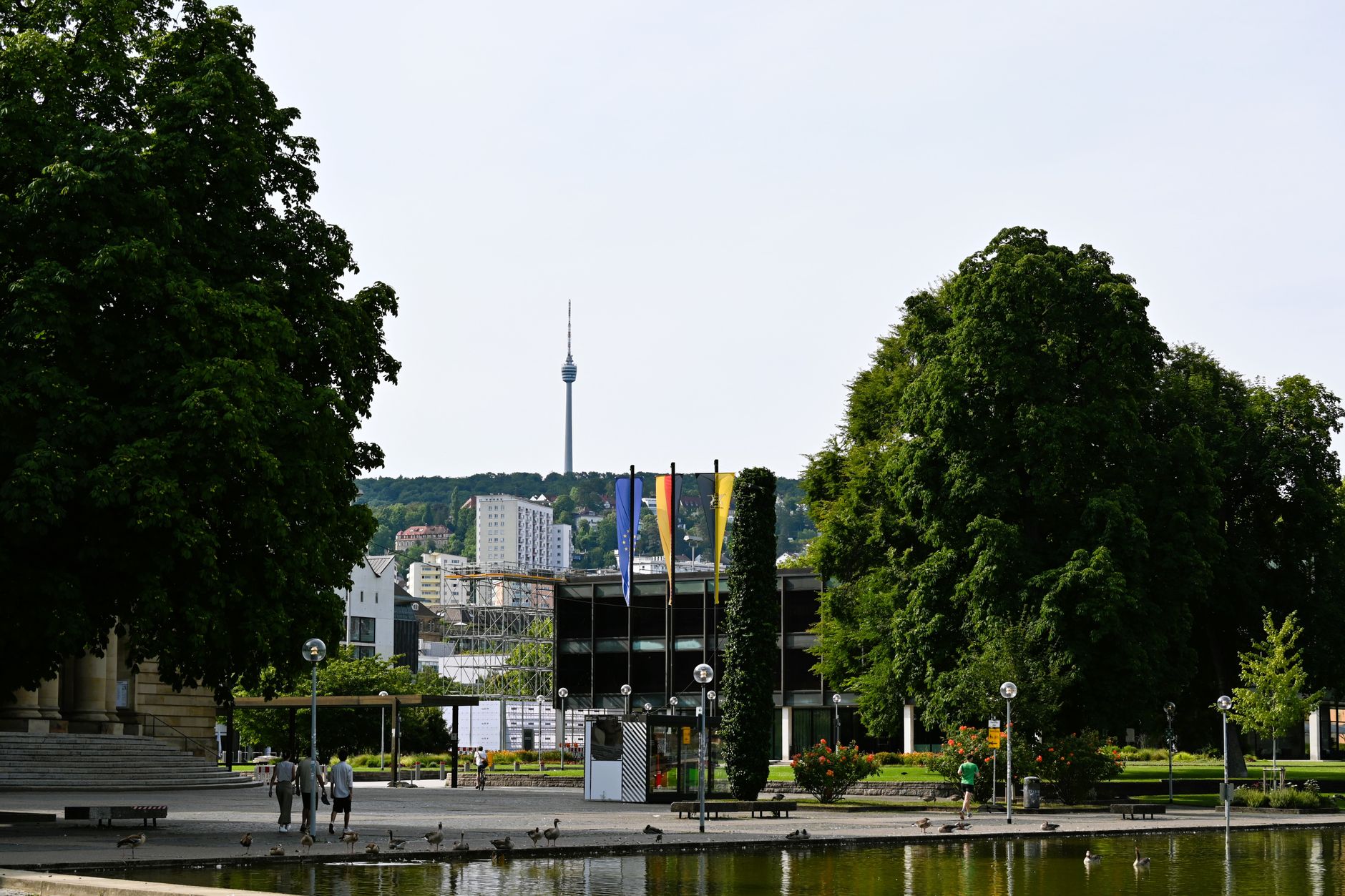
The 217-meter Fernsehturm opened on Hoher Bopser, designed by engineer Fritz Leonhardt. The world’s first television tower built from reinforced concrete rose above the city like a slender lookout, its form soon copied far beyond Stuttgart.
South African choreographer John Cranko took charge of the Stuttgart Ballet and built a company known for expressive story ballets such as Onegin and Romeo and Juliet. Rehearsal rooms and stages in Stuttgart became the base for a company that drew international attention without leaving its home city behind.
The trial of Red Army Faction leaders at Stuttgart-Stammheim turned the prison and its purpose-built courtroom into the focus of West Germany’s political crisis. On October 18, Andreas Baader, Gudrun Ensslin, and Jan-Carl Raspe died in prison after the failed hijacking of Lufthansa Flight 181.
James Stirling’s Neue Staatsgalerie opened beside the older museum, pairing pale stone with a vivid green handrail and a pink circulation ramp. Its playful route through the building made the act of entering an art museum part of the architectural argument.
The Mercedes-Benz Museum opened in Bad Cannstatt in 2006, its nine-level double helix arranging vehicles around the long history of the automobile. Porsche followed with a museum in Zuffenhausen in 2009, making Stuttgart’s industrial identity something the city could examine, not merely manufacture.
Plans to replace the main railway station with an underground through-station brought large demonstrations, and police clashed with protesters on September 30, 2010. A 2011 referendum rejected ending the state’s participation in the project, while the new city library opened nearby as another sharp change to the center’s architecture.
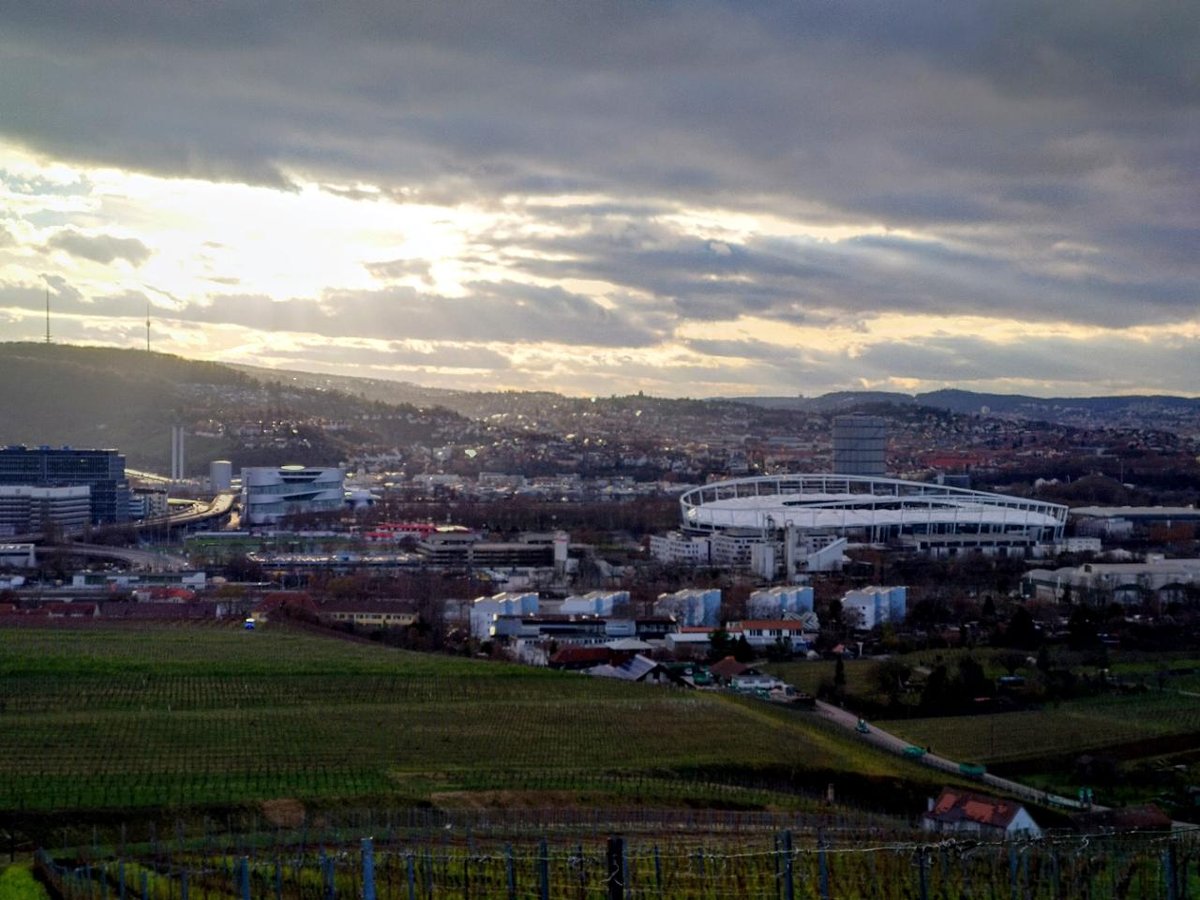
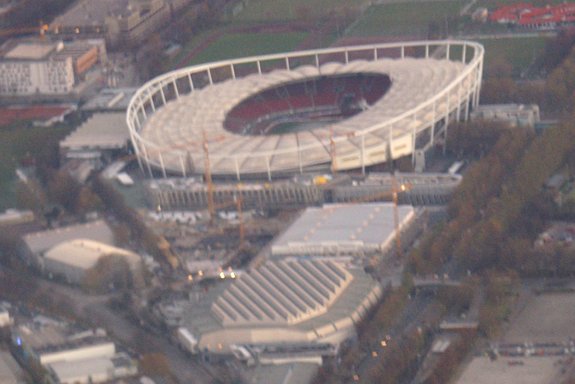
Stuttgart’s MHPArena hosted matches during UEFA Euro 2024, bringing national teams and supporters to a stadium with a long history under changing names. The city’s international stage had shifted from royal court and industrial workshops to football under floodlights.
Engineer and inventor · 1834–1900
Worked in Cannstatt, now part of Stuttgart
Daimler established his workshop in Cannstatt and worked there with Wilhelm Maybach on a compact, high-speed engine. The Mercedes-Benz Museum gives that local experiment a long echo, tracing how an early motor vehicle became part of everyday life.
Automotive engineer · 1875–1951
Founded his engineering office in Stuttgart in 1931
Porsche opened his Stuttgart engineering office in 1931, before a car carried his name; the firm first worked on technical projects for other clients. The museum in Zuffenhausen turns that quieter beginning into a story told through prototypes, road cars and racers.
Artist and choreographer · 1888–1943
Born in Stuttgart
Born in Stuttgart, Schlemmer made dancers look like moving geometry in his Triadic Ballet, first performed in 1922. The Staatsgalerie keeps original costumes from the work; their sharp shapes still feel oddly at home in a city that prizes design.
Choreographer · 1927–1973
Led Stuttgart Ballet from 1961 to 1973
Cranko took charge of Stuttgart Ballet in 1961 and shaped its international reputation with narrative works such as Onegin. His name remains attached to the city’s ballet school and repertory, a legacy measured in dancers learning and performing the work.
Where locals actually book dinner — not the tourist menus.
Small things that change how the city treats you.
The city, as it actually looks.



Yes, especially if you enjoy automotive history, modern architecture and city views from steep hillsides. The Mercedes-Benz and Porsche museums make the car story tangible, while the Weissenhof Estate and the Stäffele show a very different side of the city.
Plan on 2–3 days for the central sights and one or both automotive museums. Add another day if you want to visit Wilhelma, explore the hillside viewpoints or take a trip to nearby Esslingen or Ludwigsburg.
Take S2 or S3 from Flughafen/Messe to Stuttgart Hauptbahnhof or Stadtmitte; the trip to the central station takes about 25–27 minutes. Weekday trains run roughly every 15 minutes, and the airport-to-centre journey requires a two-zone ticket.
Stuttgart is manageable for visitors using ordinary city precautions. Keep an eye on bags around Hauptbahnhof and stay alert late at night in busy areas, as you would in other cities.
Fares depend on the zones you travel through and how you buy your ticket. Central Stuttgart is in Zone 1, while the airport is in Zone 2; compare VVS day tickets with individual rides and check the app for current prices.
Your costs depend on how many paid attractions you visit and how often you use transit. If you’re planning several museums, compare the StuttCard with individual admission; for multiple journeys, check whether a VVS day ticket suits your plans.
108 places to discover








Showing 1–48 of 108 places
Saved and recently read places — kept on this device only.
Photos may have been resized or cropped.