
Medieval Foundations
The origins of Temple Neuf trace back to 1254, when the Dominicans established a convent and church in a central, healthier area of Strasbourg. Completed around 1260, the church became a center for Rhineland mysticism and intellectual discourse, hosting figures like Meister Eckhart and Johannes Tauler (franco.wiki; wanderingwheatleys.com).
Reformation and Protestant Legacy
The Protestant Reformation in the 16th century transformed the church into a principal Lutheran place of worship. After Strasbourg’s annexation by France in 1681, Temple Neuf solidified its status as the leading Lutheran parish, with its pastor presiding over the city’s assembly of pastors (franco.wiki).
Destruction and Rebirth
The church was destroyed in 1870 during the Franco-Prussian War, resulting in the loss of a priceless library and manuscripts, including the “Hortus Deliciarum” (wanderingwheatleys.com). Reconstruction began in 1874, giving rise to the current Neo-Romanesque edifice, completed in 1877 from pink Vosges sandstone (franco.wiki).
Architecture and Setting
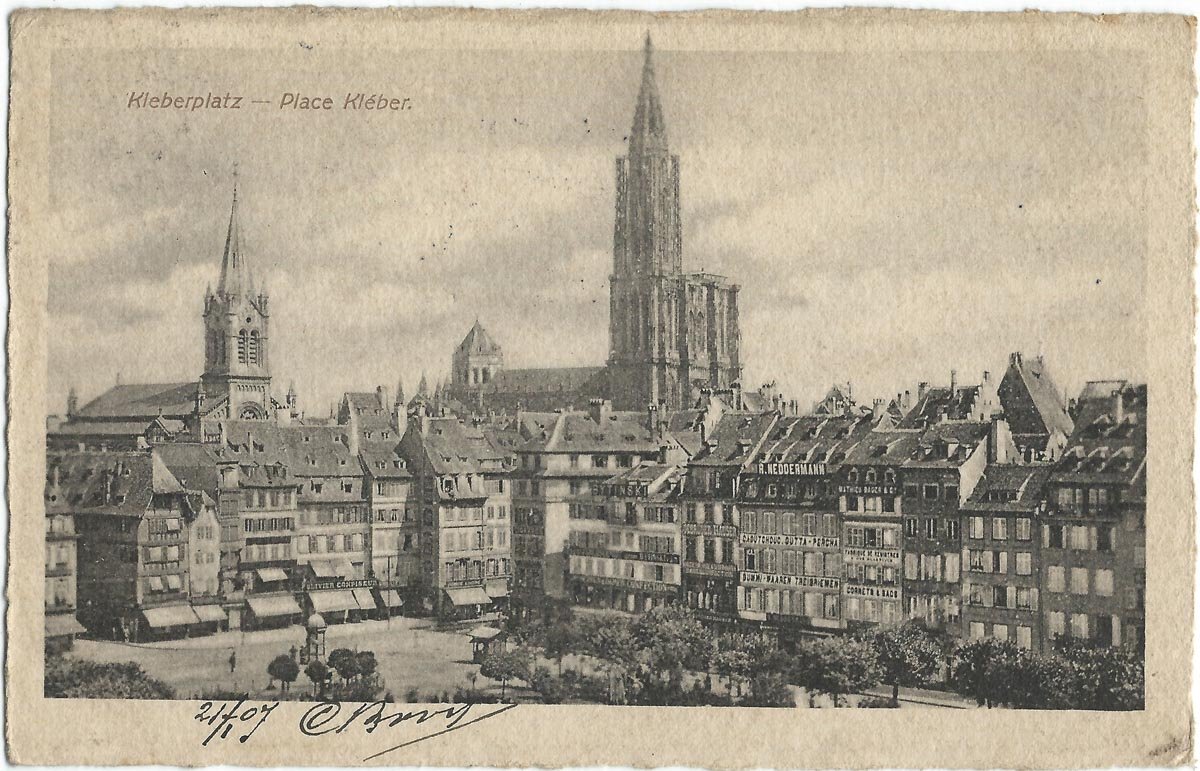
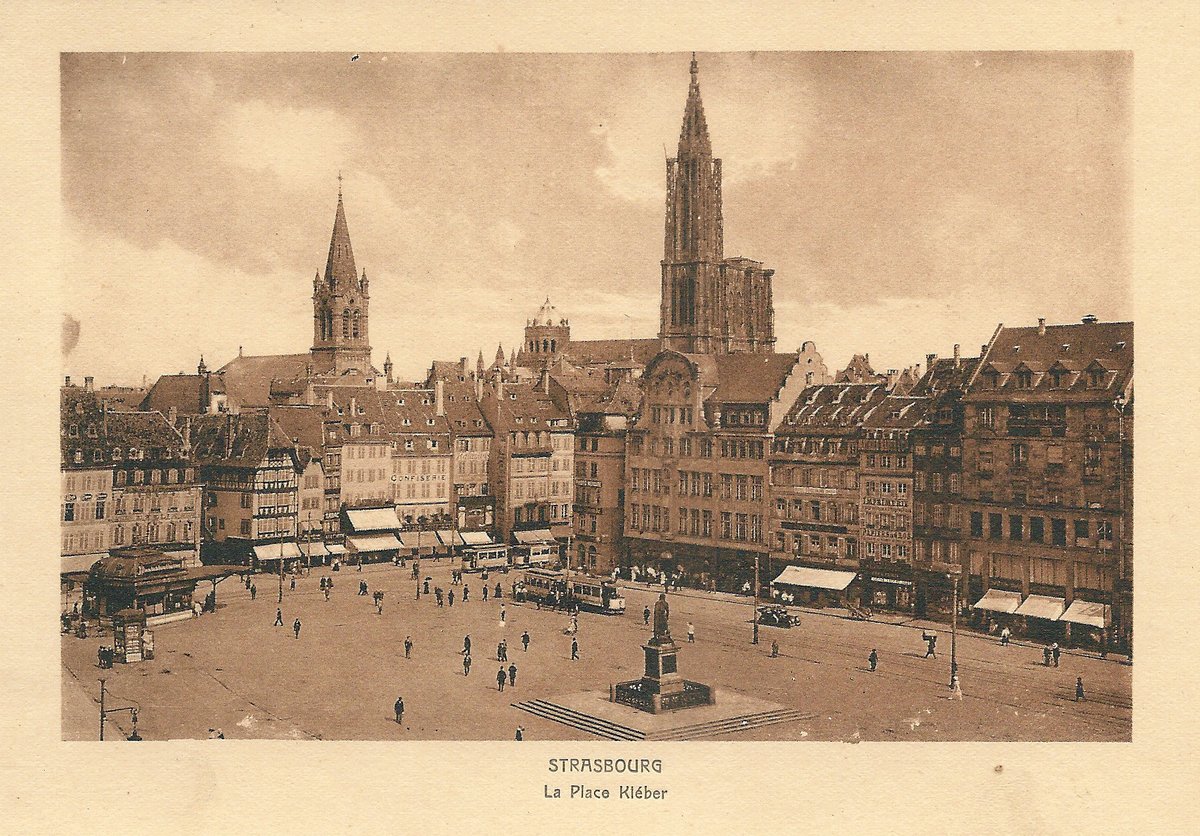
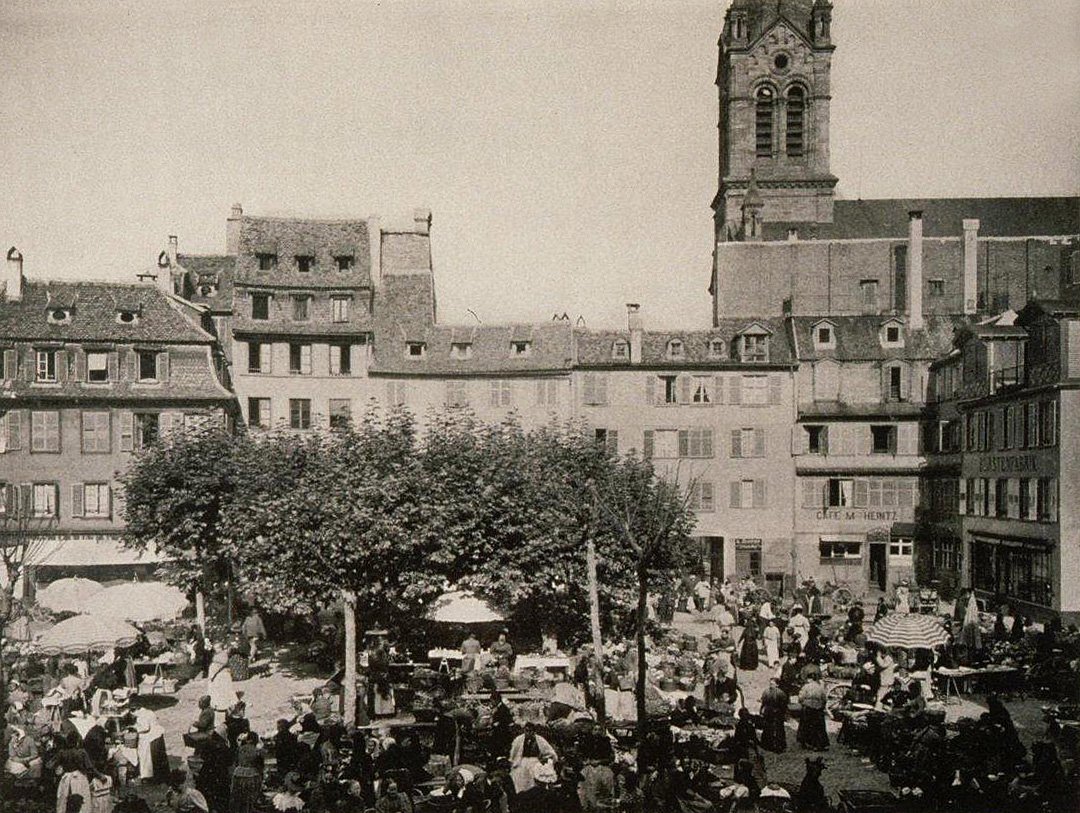
Temple Neuf is prominently situated on Place du Temple Neuf in Strasbourg’s Grande Île, a UNESCO World Heritage site. Its Neo-Romanesque design features a five-aisled basilica layout, a central tower, and a restrained yet elegant façade marked by a large rose window and intricate stonework. The church’s pink sandstone exterior subtly shifts hue with changing daylight, enhancing its visual appeal (ArchiWiki).
The main entrance faces rue des Orfèvres, and the nearby tram stops “Langstross Grand’Rue,” “HOMME DE FER,” and “BROGLIE” provide excellent public transport access. The open plaza enables visitors to appreciate the church’s proportions and detailing from various angles.
View Temple Neuf on Google Maps
Interior Features and Artistry
Inside, Temple Neuf offers a bright, spacious nave with a traditional basilica plan. The interior is defined by slender columns, pointed arches, and ample natural light filtered through stained-glass windows—many with biblical motifs and abstract designs. The sanctuary is simple and dignified, in keeping with Protestant sensibilities.
A highlight is the Merklin organ, regularly featured in concerts, housed in a finely carved wooden case on the west gallery. The church’s restrained decoration, including modest wooden pews and commemorative plaques, fosters a serene atmosphere appropriate for worship, reflection, and music (Temple Neuf Team).
Accessibility and Modern Adaptations
Temple Neuf is committed to accessibility. The main entrance is equipped with a removable ramp, and the church interior is wheelchair-friendly. For visitors with mobility challenges, it is advisable to contact the church office ahead of your visit (Temple Neuf Practical Info). Recent renovations have discreetly integrated modern lighting and sound systems to support both worship and cultural events.
Visiting Information: Hours, Tickets, Location
- Opening Hours Typically open Monday to Saturday from 10:00 AM to 6:00 PM, and Sundays from 1:00 PM to 5:00 PM. Hours may vary during religious services, holidays, or special events—check the official website before your visit.
- Tickets General entry is free. Donations are welcome and support the church’s programming. Concerts or guided tours may require booking and a nominal fee.
- Location Place du Temple Neuf, Strasbourg 67000. Easily accessible by foot, tram, or car. The area is pedestrian-friendly, with nearby cafés and shops (JDS Strasbourg).
Events, Guided Tours, and Community Life
Temple Neuf is a vibrant cultural venue, hosting regular worship services, organ recitals, chamber music, choral concerts, lectures, and exhibitions. The church’s acoustics make it a favored location for musical performances. Guided tours are available by request, offering insights into the site’s history and architecture. For event schedules and tour booking, consult the official website.
Beyond worship and music, Temple Neuf serves as an open church during the week, welcoming all for rest, reflection, and Christian discovery. Educational programs and lectures are also periodically offered (franco.wiki).
Nearby Attractions
Temple Neuf’s central location places it near several of Strasbourg’s major attractions:
- Strasbourg Cathedral Renowned for its Gothic architecture; 5-minute walk.
- Petite France Picturesque historic district with canals and half-timbered houses.
- Palais Rohan Home to the city’s major museums.
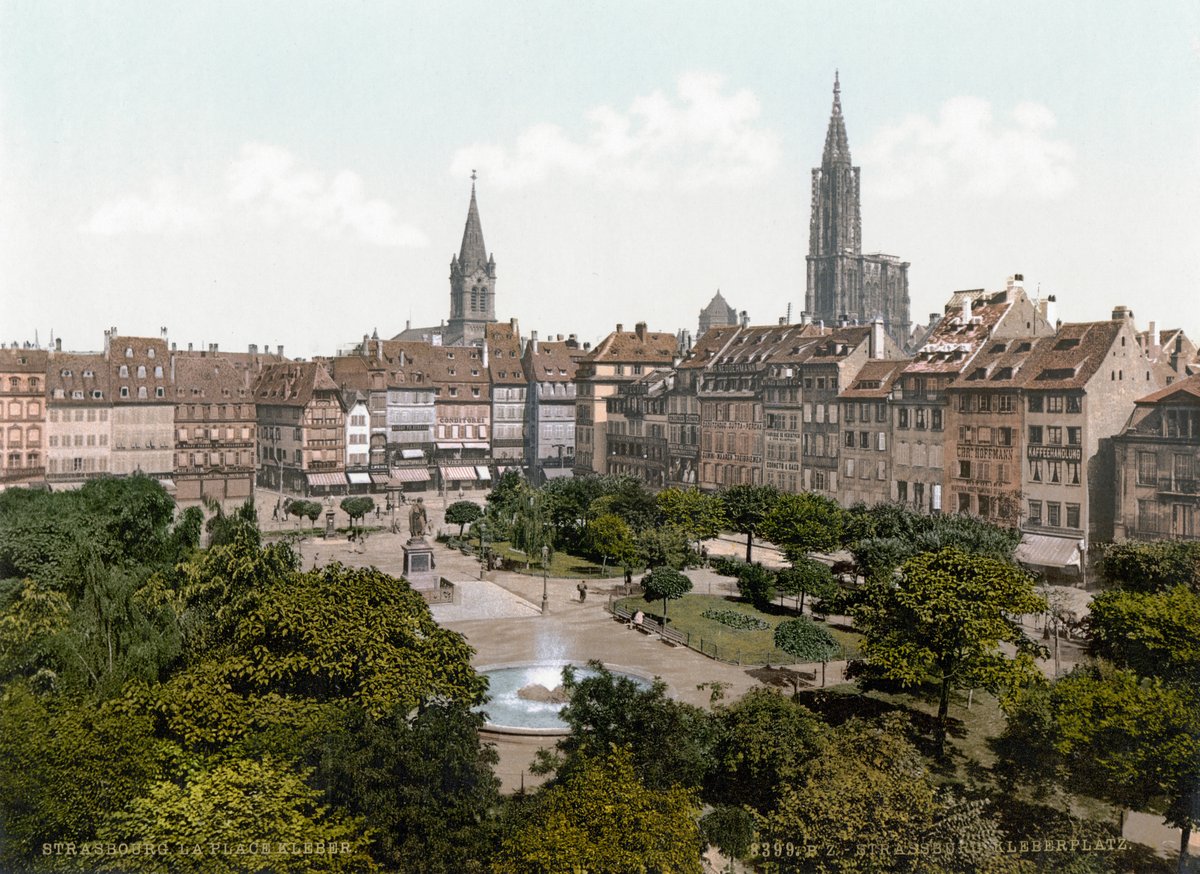
- Place Kléber Strasbourg’s main square.
- Christmas Markets Especially lively during the holiday season.
Combining a visit to Temple Neuf with these sites allows for a rich exploration of Strasbourg’s heritage (wanderingwheatleys.com).
Practical Visitor Tips
- Dress Code Modest attire is recommended, especially during services or concerts.
- Photography Non-flash photography is usually allowed, but avoid taking photos during services or performances.
- Languages Signage is primarily in French and German; some staff speak English, especially during peak tourist seasons (Chasing the Unexpected).
- Amenities No restrooms inside, but facilities are available nearby in cafés and public areas.
- Eating Nearby Porcus, a renowned charcuterie and restaurant, is located at 6, Place du Temple Neuf (Rick Steves Forum).
Frequently Asked Questions (FAQ)
Q: What are Temple Neuf’s opening hours?
A: Generally Monday–Saturday, 10:00–18:00; Sunday, 13:00–17:00. Check the official website for updates.
Q: Is there an entrance fee?
A: No, entry is free; donations are welcome.
Q: Are guided tours available?
A: Yes, by advance arrangement.
Q: Is Temple Neuf wheelchair accessible?
A: Yes, with ramps and accessible seating.
Q: Can I attend concerts or services?
A: Yes, the church hosts regular services and concerts open to the public.
Q: How do I get there?
A: By tram (nearest stops: Langstross Grand’Rue, HOMME DE FER, BROGLIE) or on foot from the city center.