About the former Robert Schuman University site
The former Robert Schuman University site is in Strasbourg, France, a city known for its European culture, history and politics. Founded in 1971 and named after Robert Schuman, a founding father of the European Union, the university specialized in law, political science and European studies. Its campus and academic legacy reflect Strasbourg’s role in European affairs.
The university merged into the University of Strasbourg in 2009. Its legacy continues in the University of Strasbourg’s law and political science faculties.
History and academic significance
Robert Schuman University (Université Robert Schuman, URS) was established in 1971 as part of a reorganization of Strasbourg’s higher education landscape following the events of 1968. Its creation underscored the city’s role as a crossroads of European culture and politics, close to institutions including the European Parliament and the Council of Europe.
In 2009, URS merged with Louis Pasteur University and Marc Bloch University to form the University of Strasbourg, one of France’s largest multidisciplinary universities. Its law and political science faculties remain highly respected in France and across Europe (UniversityGuru).
URS was renowned for work in law, political science, international relations and European affairs. Its faculty included scholars and practitioners connected to European institutions and international organizations. The university attracted students from around the world and offered access to internships and collaborative projects with the European Parliament, Council of Europe and European Court of Human Rights.
Its curriculum emphasized comparative law, EU law and international relations, preparing graduates for careers in diplomacy, public administration and international organizations. The university hosted conferences and workshops on European affairs, often in collaboration with Strasbourg’s European institutions. Its focus reflected Robert Schuman’s vision of European unity, cross-border cooperation and multilingual education. The University of Strasbourg’s law faculty continues a tradition of research excellence and strong ties to European institutions, and regularly features in prominent international rankings (QS World University Rankings).
What to see
The former campus is in the Esplanade district and is recognized for its modernist 1970s architecture and student life. Highlights include the Law Faculty building, the European Documentation Centre and an extensive university library specializing in European law and political science. The campus is adjacent to Parc de l’Esplanade, a popular green space for students and locals.
Throughout the year, the University of Strasbourg hosts public lectures, conferences and exhibitions at the former Robert Schuman University site, often open to visitors. Special tours focusing on the university’s history and its role in European governance are available by request; tours of historic buildings and their European connections can be booked through the University of Strasbourg visitor center. Special tours are often organized during European Heritage Days. For schedules, maps, virtual tours and campus images, visit the University of Strasbourg Faculties and Institutes.
Practical visiting information
Campus hours, admission and tours
- Campus hours Daily from 8:00 AM to 6:00 PM; some buildings may have restricted access.
- Admission Outdoor areas are free to access, and no ticket is required for the campus grounds. Guided tours may have a fee.
- Tours Available by request and focused on the university’s history and its role in European governance.
Accessibility and transport
The campus is wheelchair accessible, with ramps and elevators in its main buildings. For detailed accessibility information, contact university visitor services.
Tram lines C and E stop at “Esplanade” and connect the campus to the city center. From Strasbourg’s main train station, Gare de Strasbourg, trams C or E lead directly to the campus. The campus is approximately 2 kilometers from Strasbourg city center and can be reached by tram, bus or bicycle. See Strasbourg Public Transport.
Tips
- Wear comfortable shoes for exploring the campus and nearby sites.
- Public transport is efficient; consider a day pass for unlimited travel.
- Spring and early autumn offer pleasant weather and fewer crowds. June also offers pleasant weather; pack a light jacket.
- Bring valid ID for access to certain university buildings.
- French is the main language, but English and German are widely spoken.
- For updated information, guided-tour bookings and travel resources, consult official university and tourism websites or download the Audiala app.
Nearby places
Strasbourg Cathedral
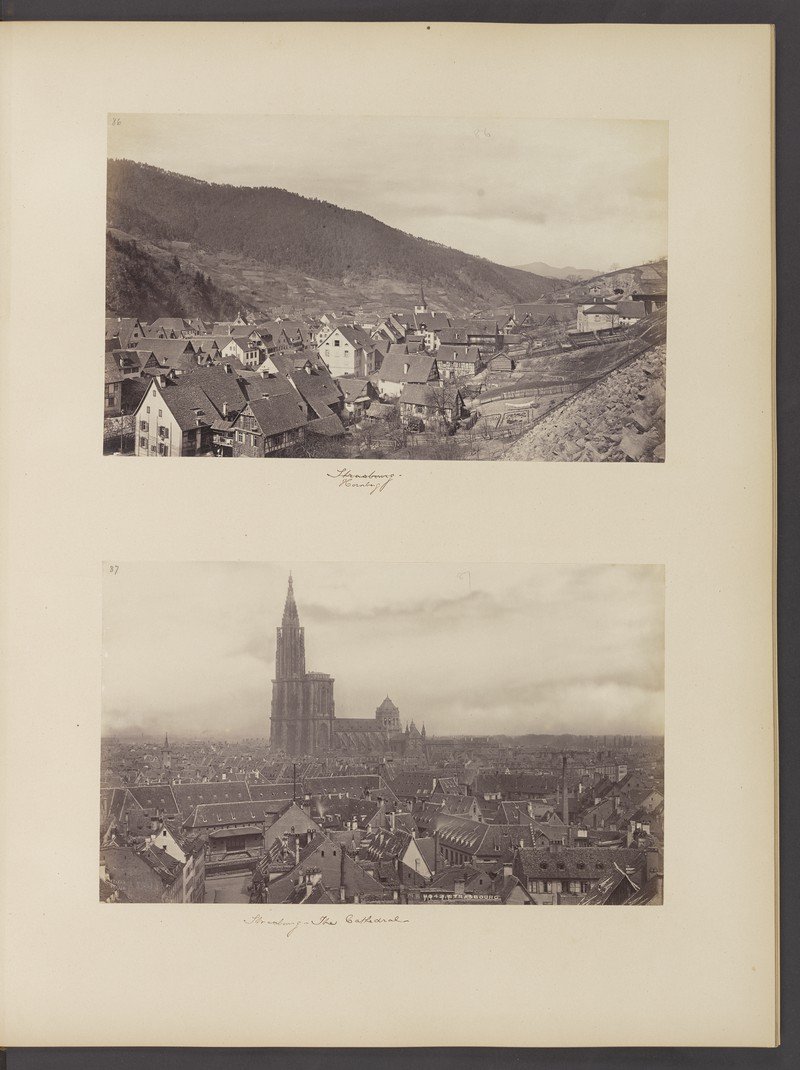
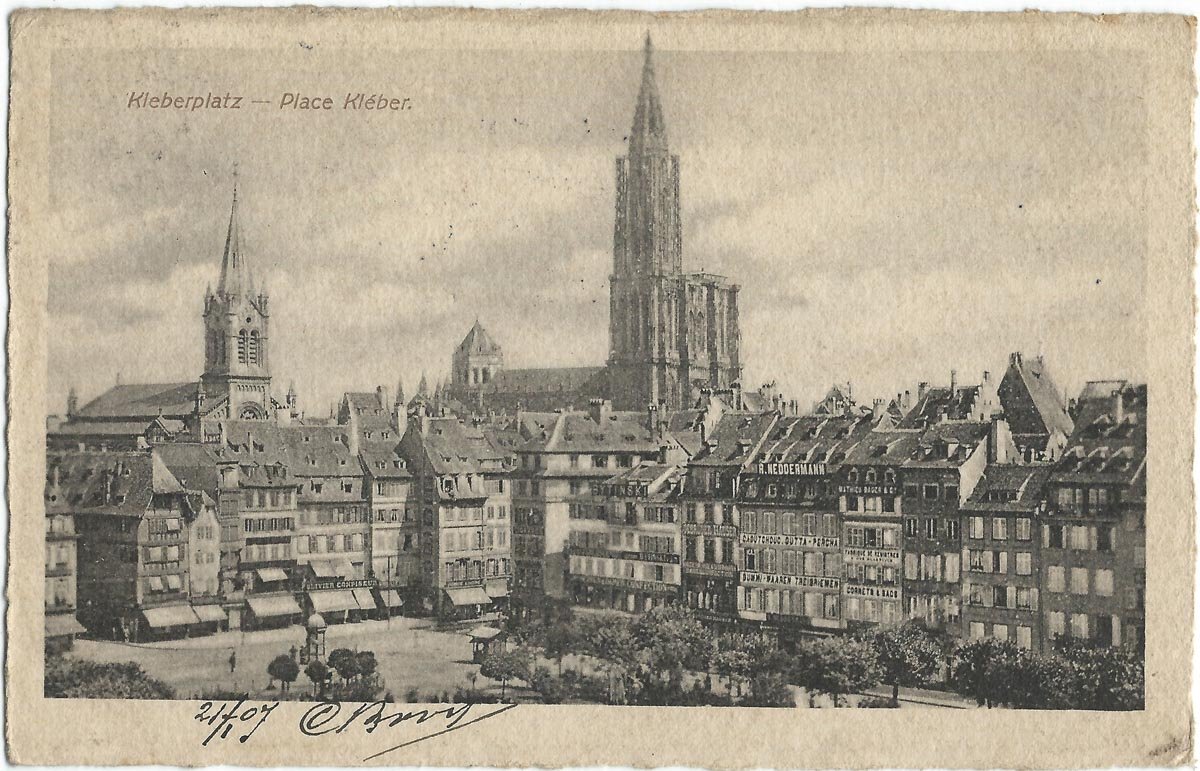
Strasbourg Cathedral, or Cathédrale Notre-Dame de Strasbourg, is a Gothic monument celebrated for its architecture and towering spire. Built between the 12th and 15th centuries, it was the tallest building in the world from 1647 to 1874, at 142 meters. Its façade features intricate sculptures, and the cathedral is known for its astronomical clock. It is a UNESCO World Heritage site and a symbol of Strasbourg’s spiritual and architectural heritage.
Highlights include:
- Astronomical Clock Animated daily at 12:30 PM.
- Stained glass Medieval windows dating from the 12th–14th centuries.
- The platform Offers panoramic city views.
- Treasury museum Features religious artifacts and medieval treasures.
Visiting information:
- Cathedral Open daily from 7:00 AM to 11:00 PM.
- Platform Open 9:30 AM–6:00 PM; access is separate.
- Treasury Open 10:00 AM–5:00 PM; access is separate.
- Admission Entry to the main cathedral is free. Tickets are required for the platform (€5 for adults, reduced rates) and the treasury museum (€3). Tickets can be purchased onsite or through the Strasbourg Tourism Official Website.
- The cathedral is at Place de la Cathédrale in the city center, accessible on foot and by tram lines A, C and D. The main areas are wheelchair accessible, though the platform climb involves stairs.
- Photography is allowed without flash. Guided tours and audio guides are available in multiple languages.
For up-to-date information, visit the Strasbourg Cathedral Official Site.
Other attractions and activities
- European Parliament A short walk from the university; offers tours and exhibitions (European Parliament Visits).
- Council of Europe Headquarters of Europe’s leading human rights organization; open for guided visits.
- European Court of Human Rights Offers tours.
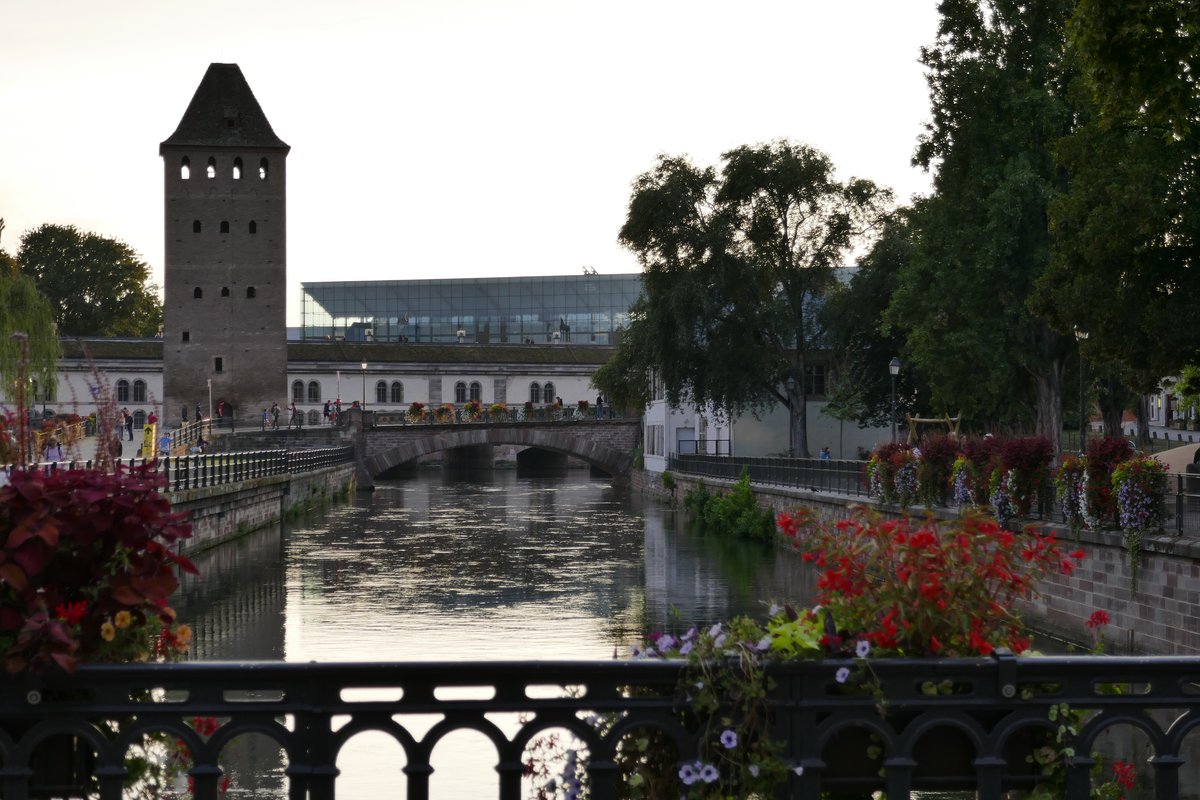
- Petite France A historic district with canals, half-timbered houses and Alsatian restaurants.
- Strasbourg Botanical Gardens More than 6,000 plant species; open daily, with free entry.
- Strasbourg Zoological Museum Natural history exhibits; open Tuesday–Sunday, with tickets required.
- Parc de l’Orangerie Manicured gardens, a lake, a playground and a small zoo.
Strasbourg has a lively calendar of music festivals, art exhibitions and public lectures. The area around the cathedral and Petite France is known for Alsatian dining, including specialties such as choucroute garnie and tarte flambée.
Frequently asked questions
What are the visiting hours for Robert Schuman University?
Campus grounds are open daily from 8:00 AM to 6:00 PM; building access may vary.
Are tickets required?
No ticket is required for the campus grounds. Guided tours may have a fee.
Is the campus wheelchair accessible?
Yes. The main facilities have ramps and elevators.
How do I get there by public transport?
Tram lines C and E stop at “Esplanade,” close to the campus.