
History & Architectural Highlights
Origins and Reconstruction
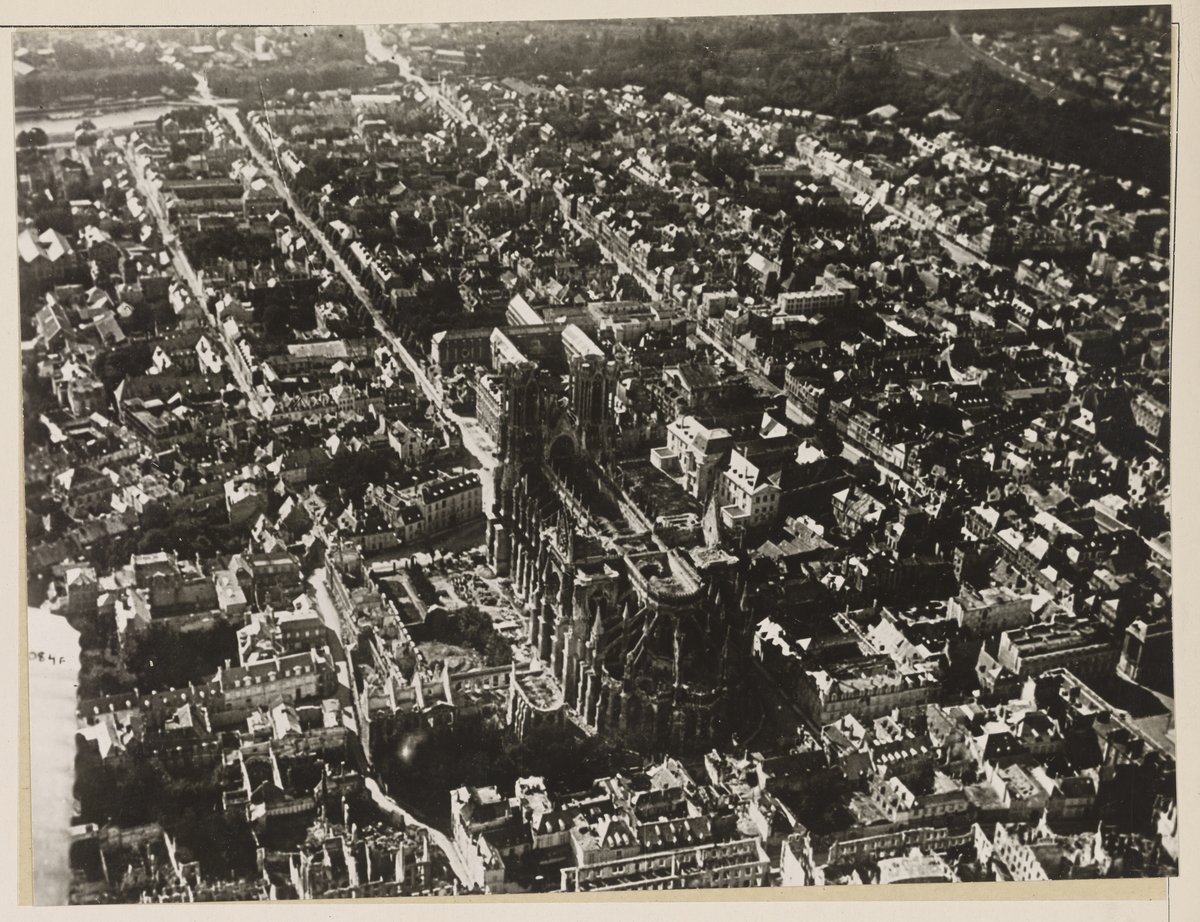
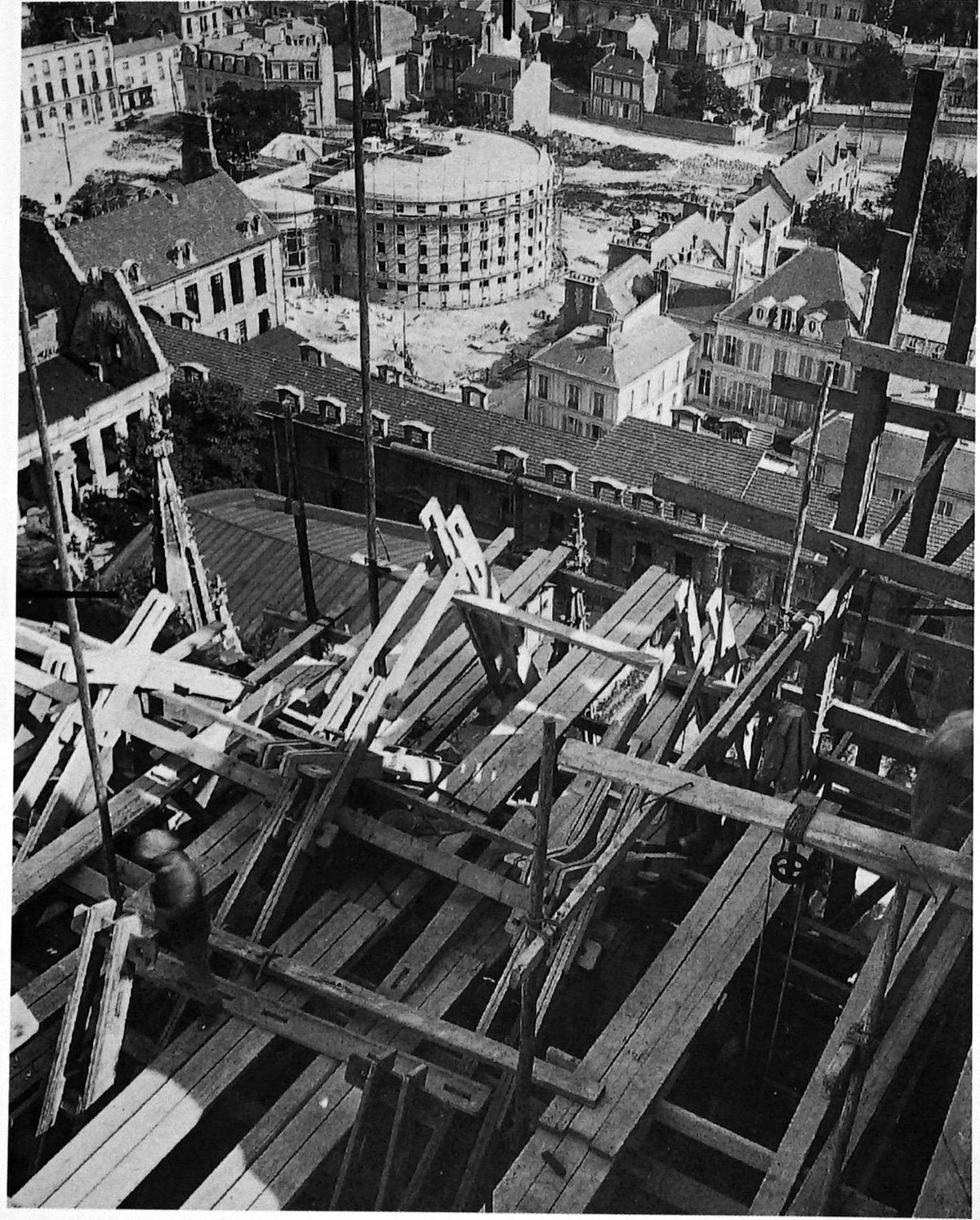
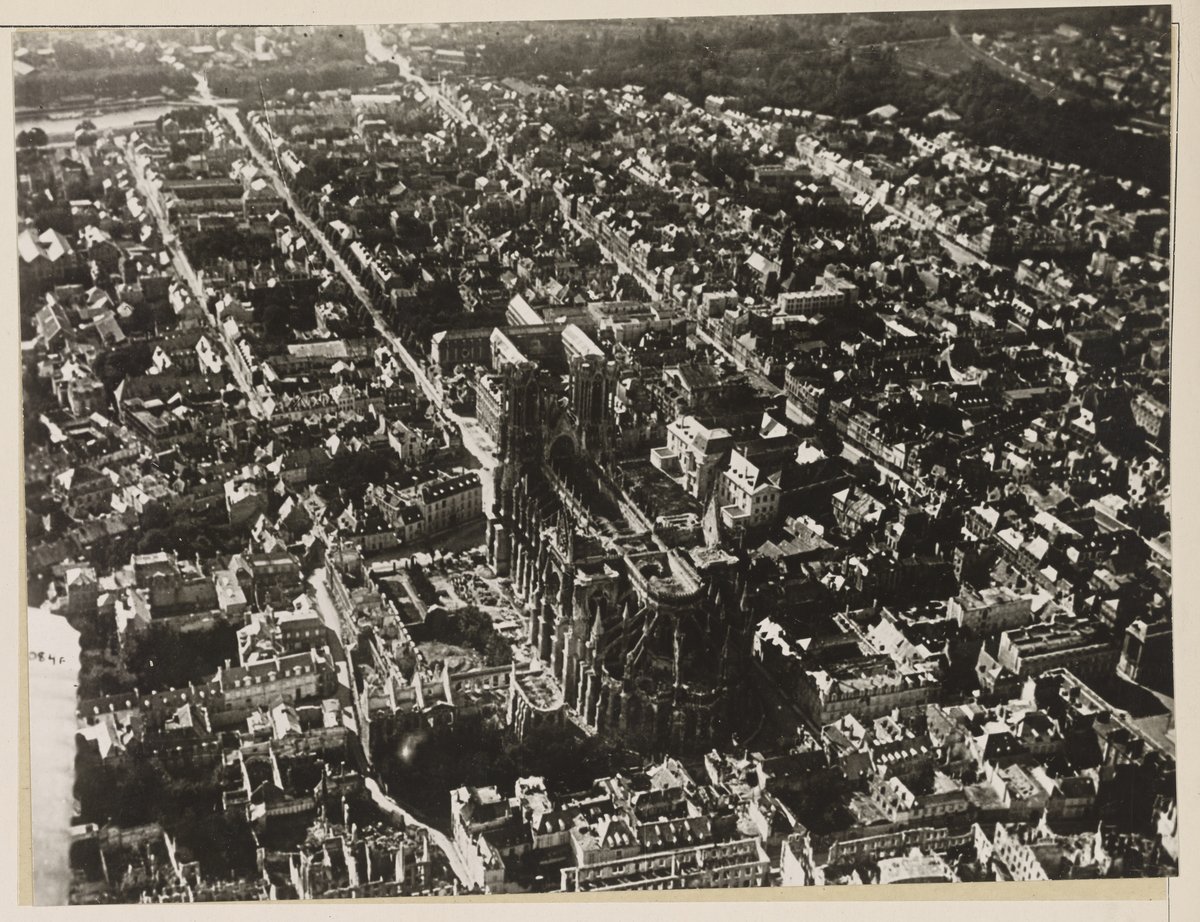
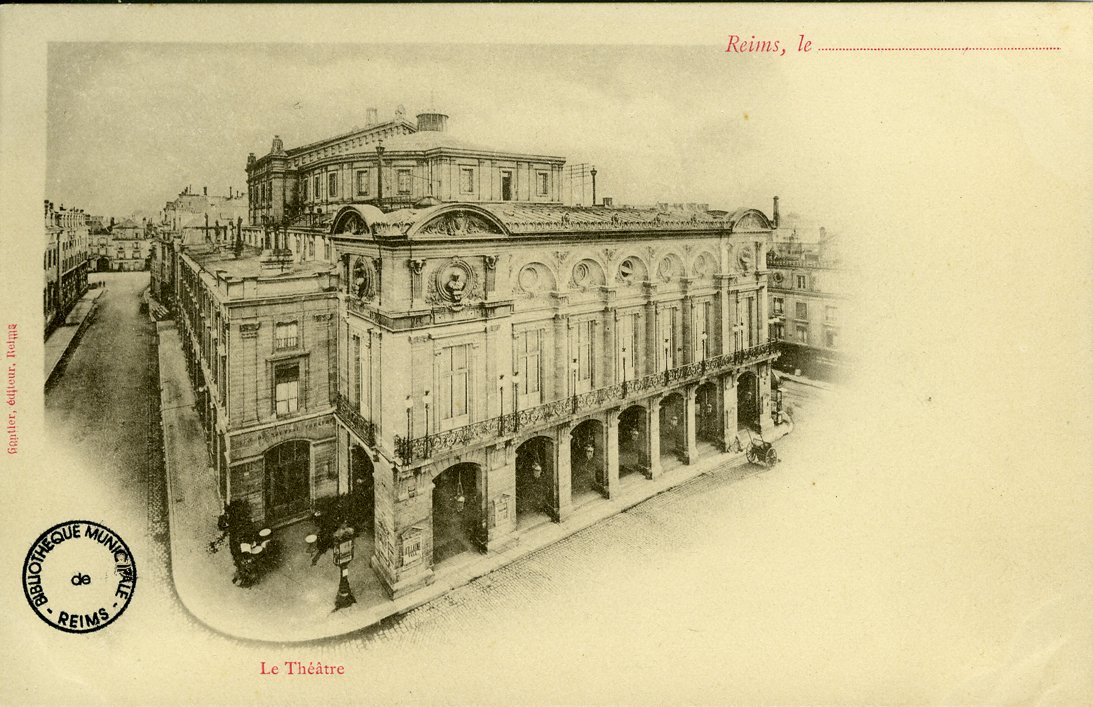
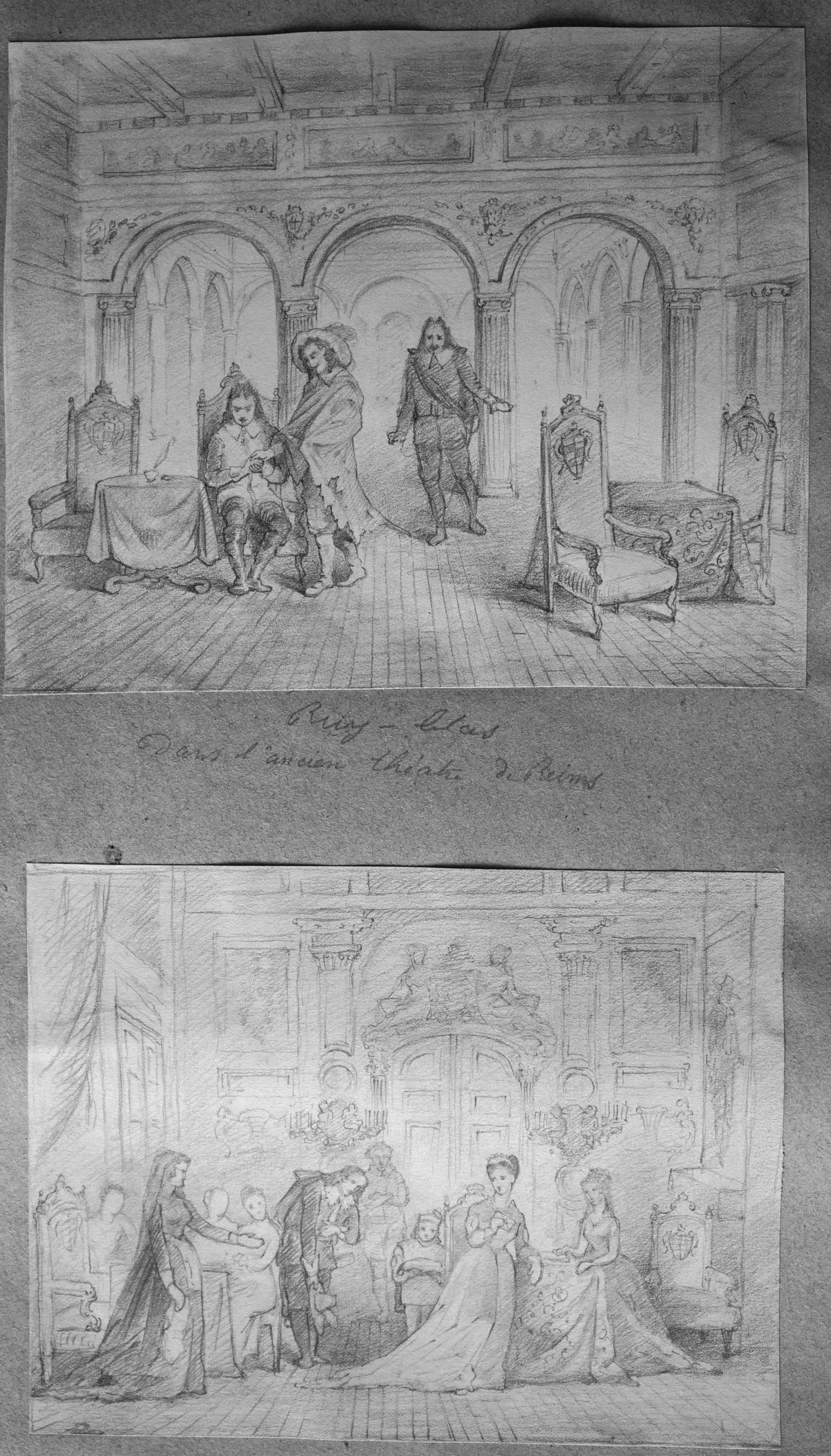
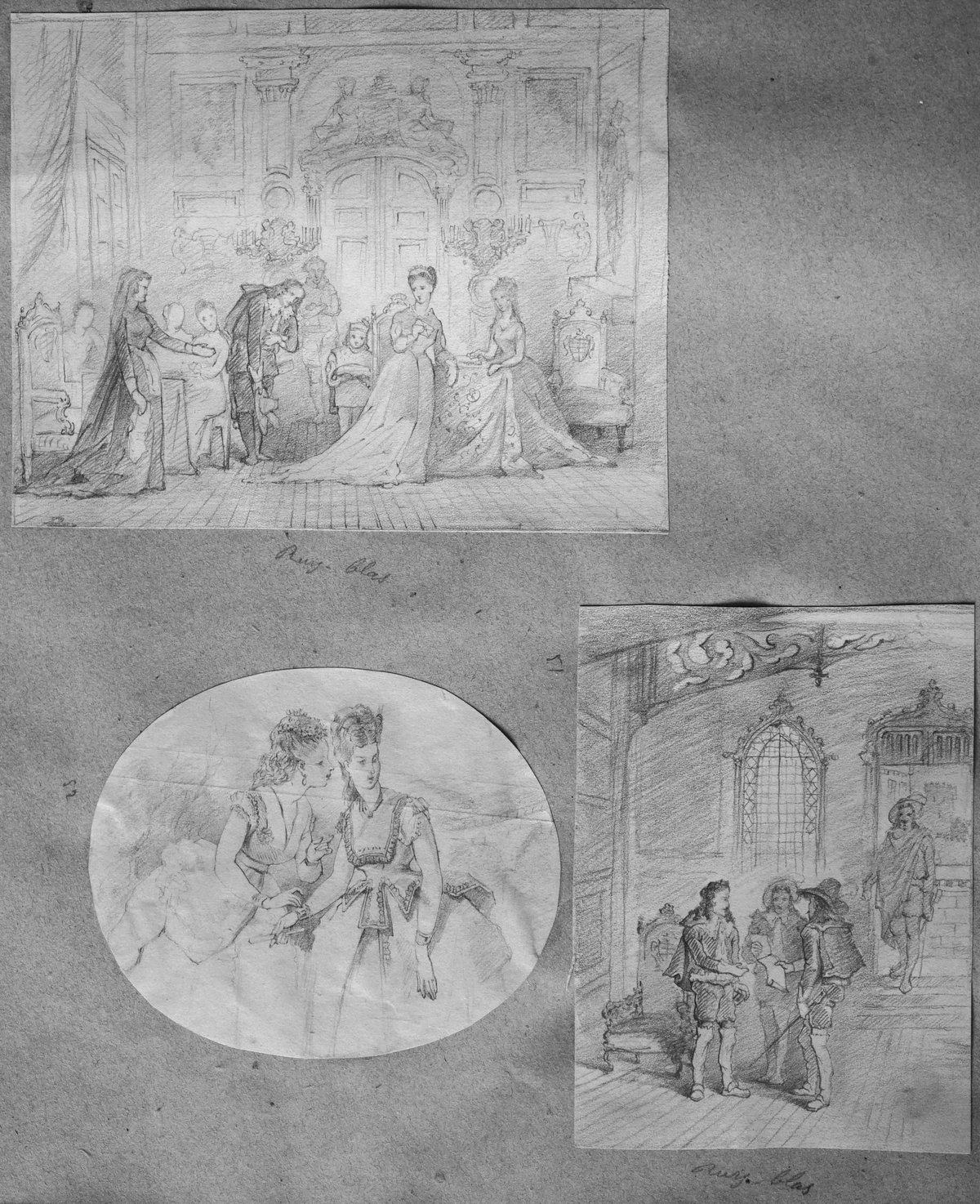
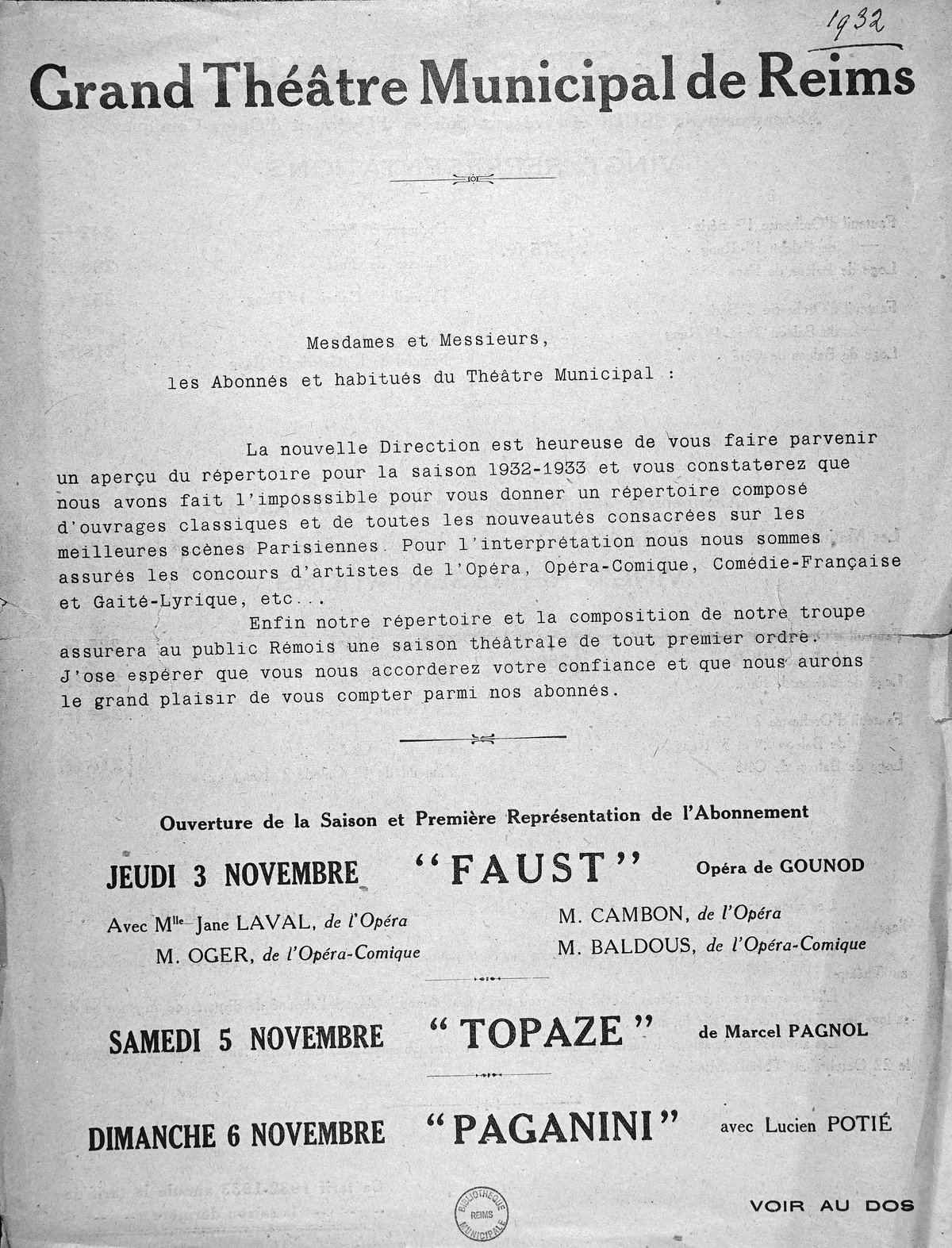
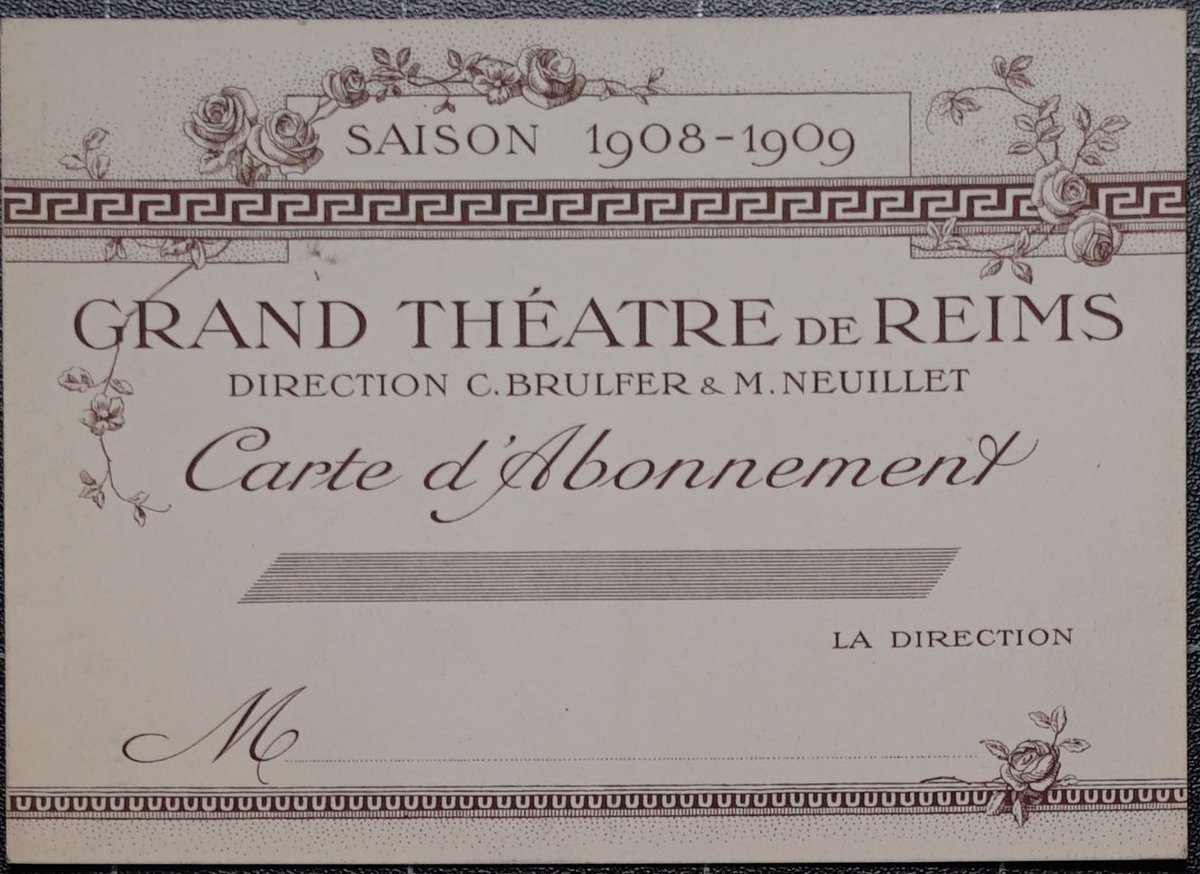
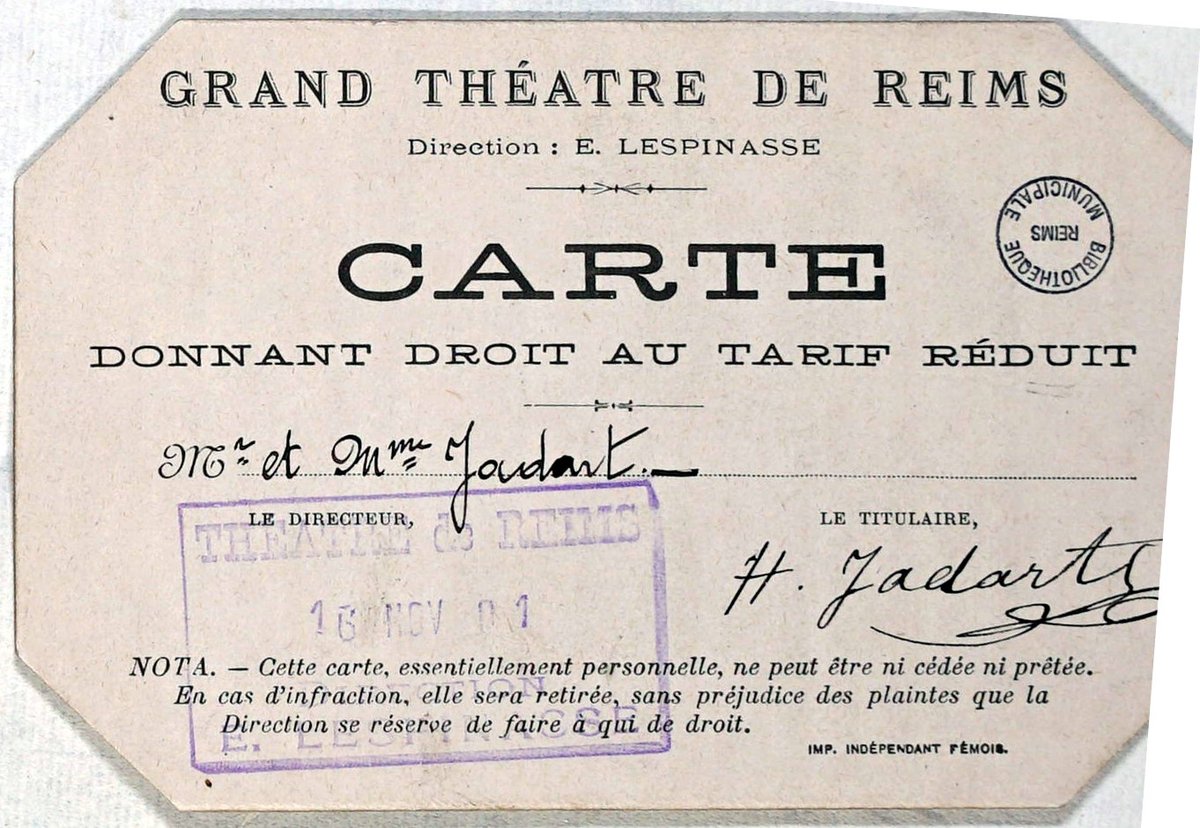
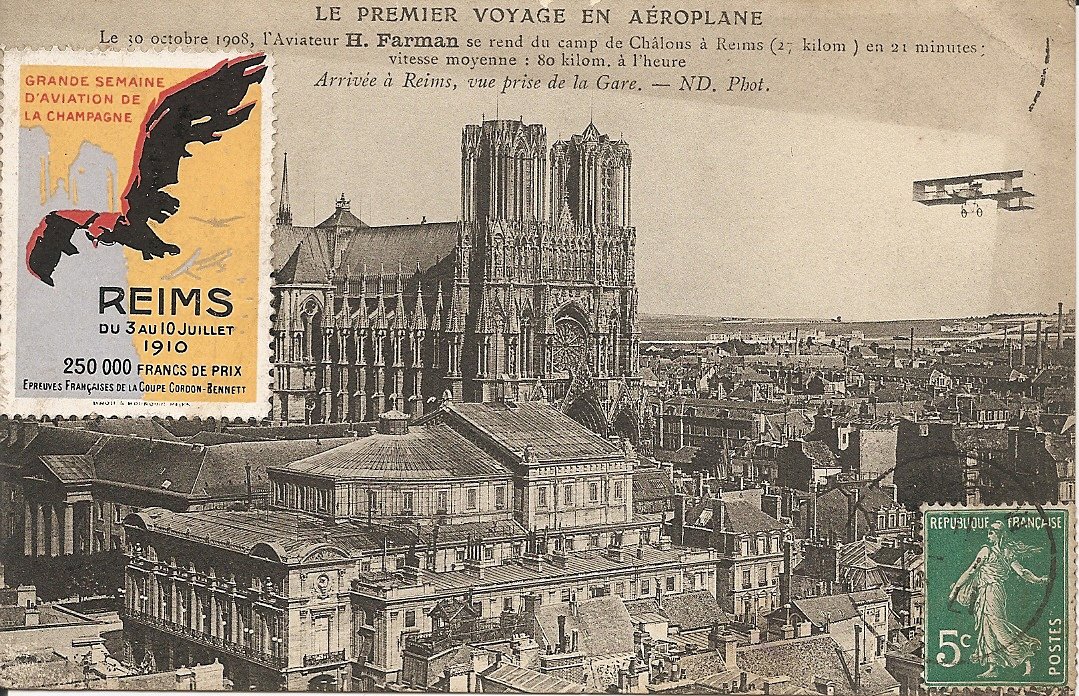
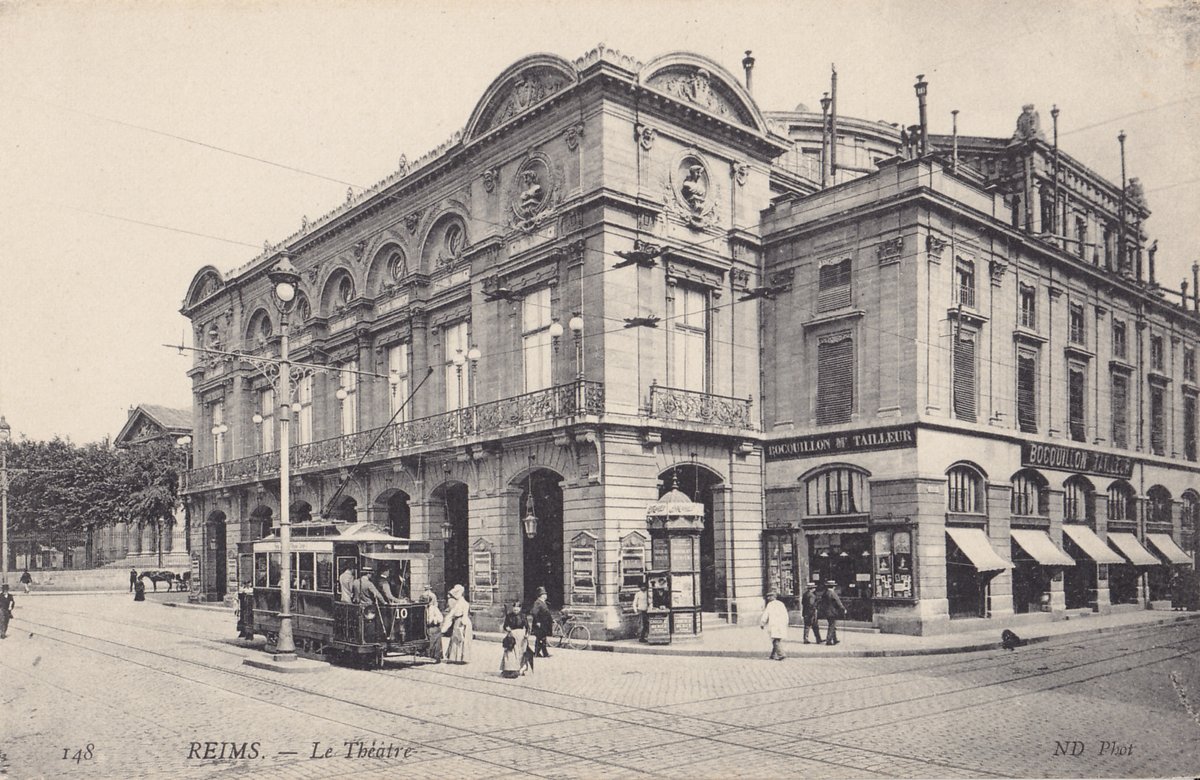
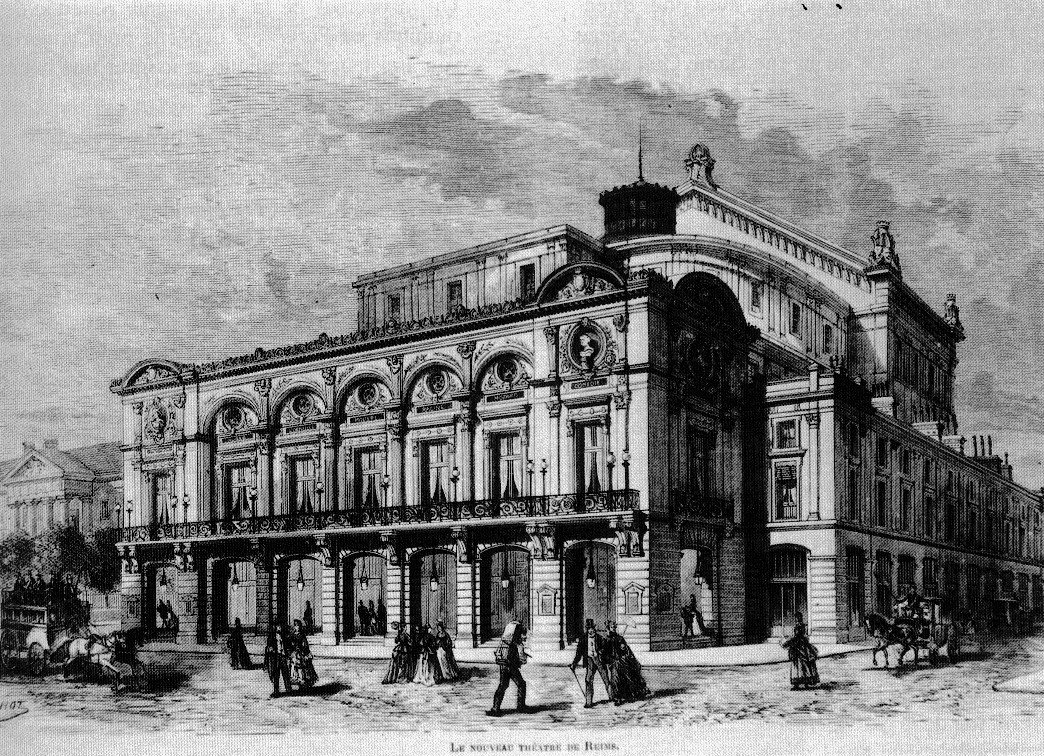
The Reims Opera House’s story began in 1873 as the Grand Théâtre, inspired by the grandeur of Paris’s Palais Garnier but designed with local character (art-facts.com). It was a focal point for the city’s social life until World War I, when it was destroyed. The city’s resilience shone through as, between 1931 and 1932, the opera house was rebuilt. Architects François Maille and Louis Sollier preserved the Neo-Baroque and Beaux-Arts façade, while the interiors embraced the bold geometry and rich textures of Art Deco (parametric-architecture.com).
Architectural Features
- Exterior The white stone façade is symmetrical and ornamented, blending Neo-Baroque and Beaux-Arts aesthetics.
- Interior The horseshoe-shaped Italian-style auditorium ensures intimacy and acoustics. Art Deco touches abound in the geometric motifs, warm color palette, and craftsmanship.
- Chandelier Edgar Brandt’s monumental 7.5-meter chandelier, a “bouclier lumineux,” dominates the auditorium and symbolizes the house’s fusion of tradition and innovation (operadereims.com).
- Artistic Details Bas-reliefs by Marcelle Sollier, intricate ironwork, and Rousseau-Decelle’s painted ceiling add to the venue’s artistic significance (Reims Tourism).
Visitor Information
Visiting Hours
- General Open Tuesday to Saturday, 10:00 AM to 6:00 PM. On performance days, hours extend into the evening.
- Guided Tours Offered occasionally, showing both public spaces and behind-the-scenes areas. Advance booking is advised, especially during festivals or holidays.
- Check the Latest Hours and tour schedules can change; always consult the official website or tourism office before your visit.
Tickets & Pricing
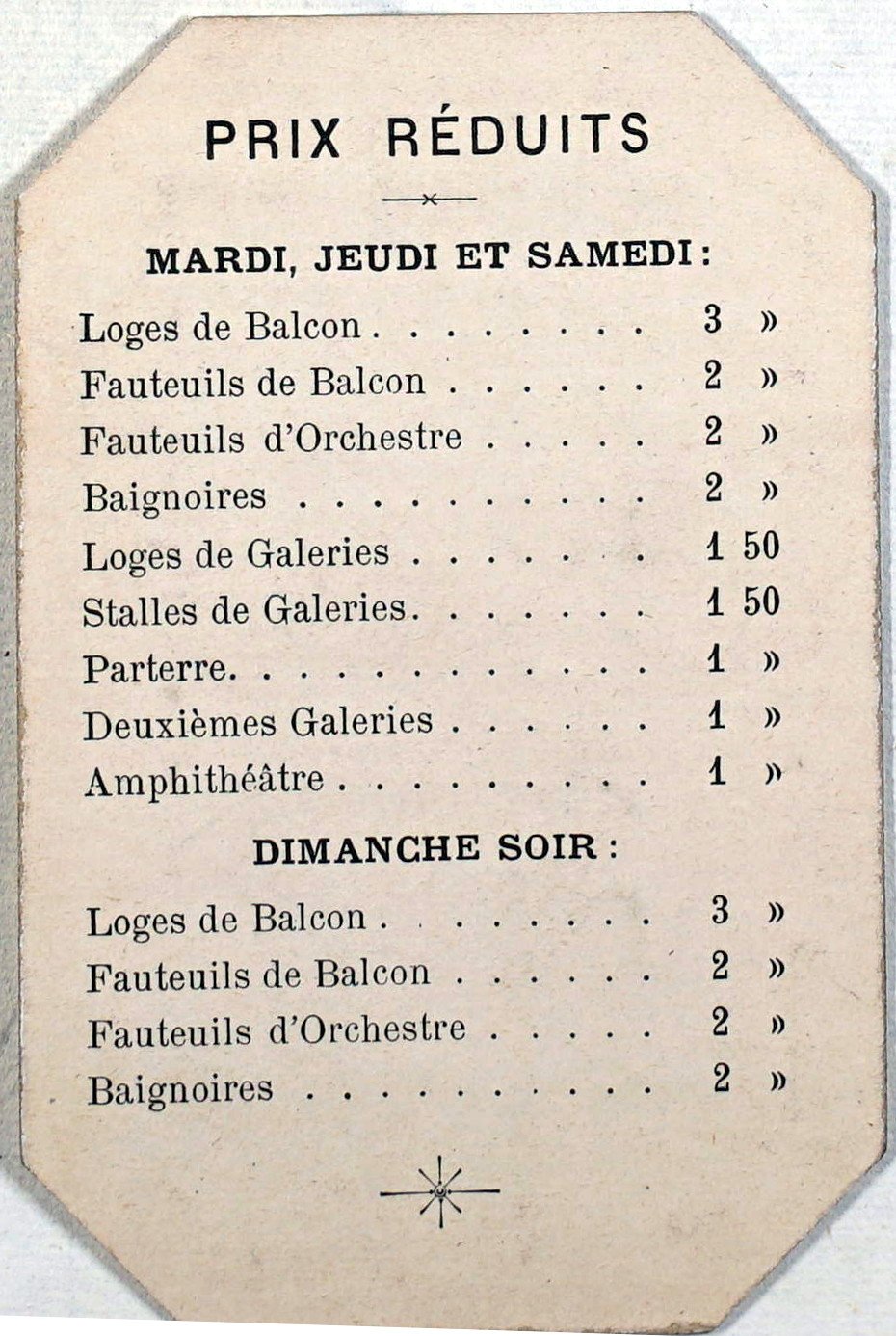
- Performances Ticket prices range from €15–€70, with discounts for students, youth, seniors, and groups (Operabase).
- Tours Guided tours usually start at around €10 per person.
- How to Buy Purchase online, at the box office, or via phone. For events and current availability, visit the official ticketing portal.
Accessibility
- Physical Access Step-free entry, elevators, ramps, and reserved seating for patrons with reduced mobility.
- Hearing & Visual Support Some performances offer hearing assistance and surtitles; inquire in advance.
- Companions & Service Animals Companions may qualify for reduced or free tickets; certified service animals are welcome.
Signature Events and Annual Festivals
- Les Flâneries Musicales de Reims Mid-June to mid-July, with around 60 concerts spanning classical, jazz, and world music, many of them free, culminating in a large community picnic (Mary Anne’s France).
- FARaway Festival An arts festival in late January to early February.
- Special Galas & Premieres Themed nights, season previews, and unique cultural collaborations fill the annual calendar (Opéra de Reims Billetterie).
Getting There and Nearby Attractions
Location
- Address 1 Place de la République, Reims, France
Transportation
- By Train Gare de Reims is 1.5 km away; walk (~20 minutes) or take bus line 7 to the “Opéra” stop (Evendo).
- By Car Accessible via A4 motorway, with nearby public parking at Parc de la Patte d’Oie.
- Public Transport Served by multiple bus lines; daily passes available (Nomads Travel Guide).
- On Foot/Bike City center is compact and walkable; bike rentals available.
Nearby Attractions
- Notre-Dame de Reims Cathedral UNESCO World Heritage site, 10-minute walk (Reims Tourism).
- Palais du Tau Historic museum adjacent to the cathedral.
- Champagne Houses Taittinger, Veuve Clicquot, and Pommery offer tours/tastings.
- Musée des Beaux-Arts, Place Royale, and Halles du Boulingrin Art, cuisine, and local markets all within walking distance (Nomads Travel Guide).
Amenities and Audience Experience
- Facilities Cloakroom, accessible restrooms, bar/café, and occasional gift shop.
- Atmosphere Smart-casual dress is encouraged. The 1,000-seat auditorium offers excellent acoustics and sightlines.
- Digital Access Virtual tours and curated videos available for remote visitors (Operabase Virtual Tour).
- Staff Known for friendly service and assistance for international guests.
Frequently Asked Questions (FAQs)
Q: What are the opening hours?
A: Tuesday–Saturday, 10:00 AM–6:00 PM; extended on performance days. Always confirm with the official site.
Q: How can I buy tickets?
A: Online, at the box office, or by phone. Advance booking is recommended.
Q: Is the opera house accessible?
A: Yes, with step-free access and services for patrons with reduced mobility.
Q: Are there guided tours?
A: Offered occasionally. Check the latest schedules online.
Q: Can I combine my visit with other attractions?
A: Absolutely—Notre-Dame Cathedral, Champagne houses, and other landmarks are nearby.
Practical Tips for a Memorable Visit
- Book Early Popular performances and tours sell out quickly.
- Arrive Early Doors open 30–45 minutes before shows; explore the foyer and nearby cafés.
- Dress Smart-Casual Formal attire is optional but the ambiance is elegant.
- Enjoy the Neighborhood Plan time to visit nearby historical and culinary attractions.
- Language Most programs are in French, but staff offer assistance to international guests.
- Photography Not permitted during performances; allowed in public areas before the show.