Historical Evolution
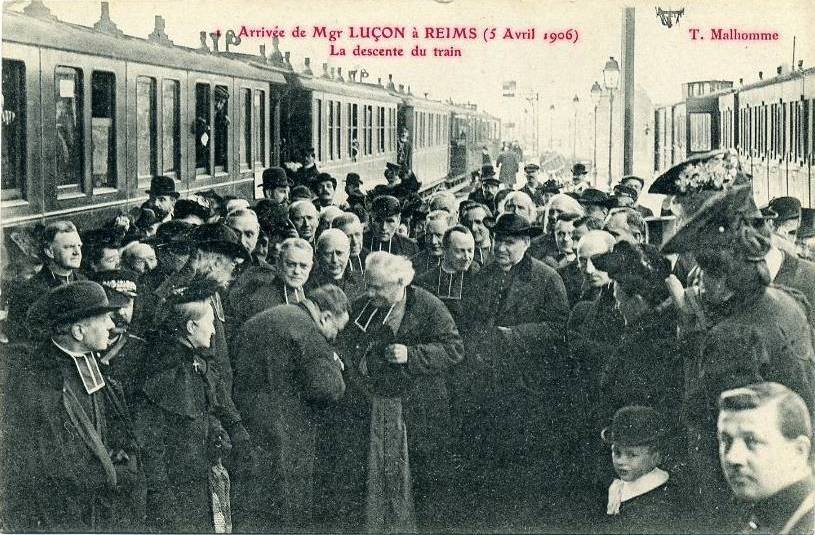
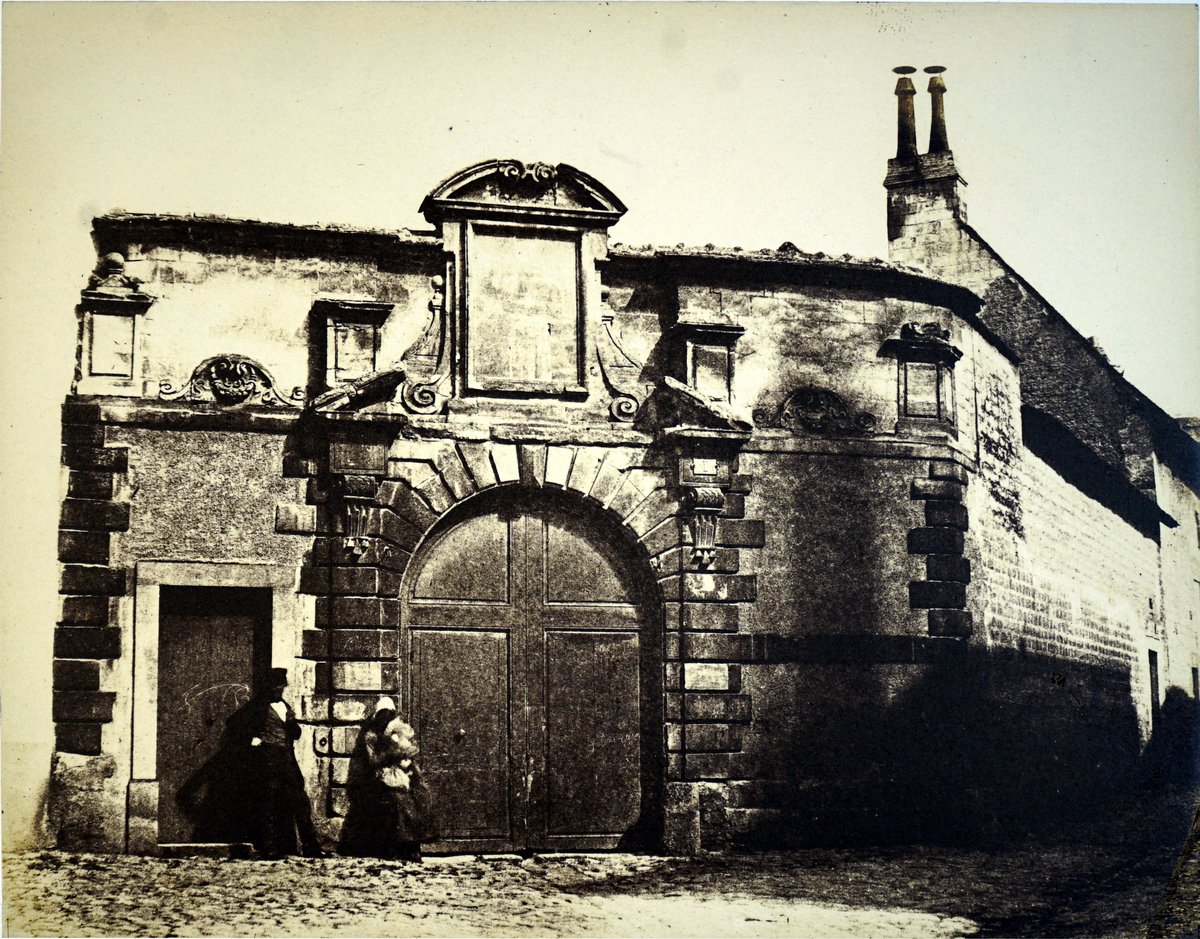
The Departmental Archives of Marne trace their origins to the Law of 5 Brumaire, Year V (26 October 1796), which established archives across France to safeguard revolutionary and pre-revolutionary records. Over time, the institution expanded its holdings to encompass civil status registers, military conscription lists, cadastral maps, municipal deliberations, wartime documentation, and a rich photographic archive (FranceArchives; archives.marne.fr).
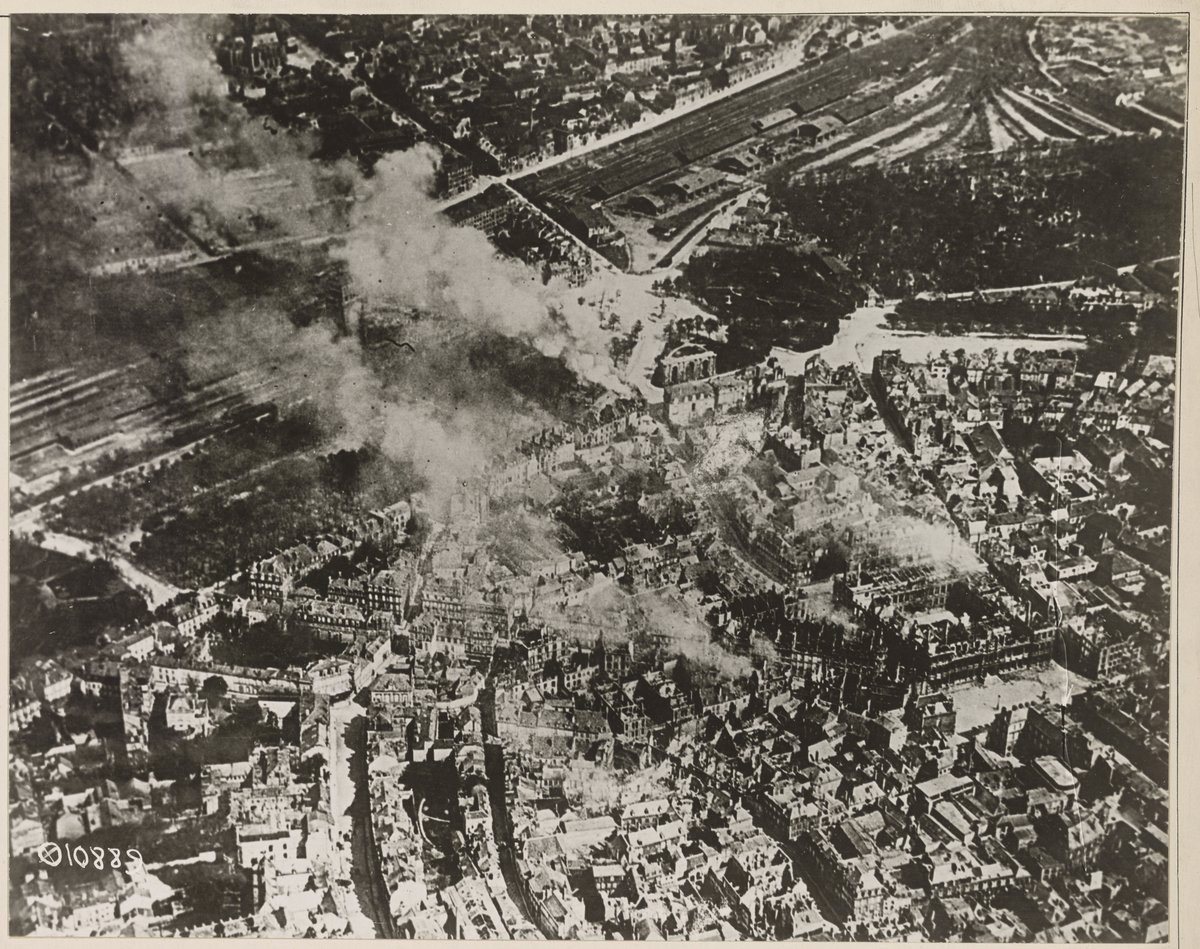
The archives’ collections are especially significant for their documentation of Marne’s role in major historical events, such as the First and Second Battles of the Marne, and their coverage of the Champagne region’s viticultural heritage.
Administrative Structure and Governance
Operating under the joint authority of the French Ministry of Culture and the Conseil Départemental de la Marne, the archives maintain a professional administrative structure:
- Director Oversees operations, collections, and outreach
- Archivists and Technical Staff Manage cataloguing, conservation, and visitor support
- Public Service Division Facilitates research, education, and cultural programming
- Conservation and Restoration Employs advanced techniques for document preservation
The archives adhere to the French Heritage Code and Data Protection Act, balancing open access with necessary confidentiality (archives.marne.fr).
Visitor Information
Location and Access
- Address 44 avenue de l’Yser, 51100 Reims, France
- Telephone 03.26.85.17.58
- Email [email protected]
- GPS 49.245632, 4.062606
Easily accessible by public transport, the archives are a short distance from Reims’ central attractions.
Visiting Hours
- Monday to Friday 8:30 AM – 5:00 PM
- Closed Weekends and public holidays
Check the official website for any changes or special closures.
Admission and Registration
- Entry Free
- Registration Required for document consultation (valid photo ID needed for a reader's card)
- Photography Permitted for personal use (non-flash only); restrictions apply to sensitive materials
Visitor Services
- Reading Rooms Spacious, well-equipped
- Research Assistance Provided by professional staff
- Digital Access On-site computers; many resources digitized
- Workshops and Exhibitions Regularly scheduled; some may require registration or a nominal fee
- Guided Tours By appointment or during special events
Accessibility
- Wheelchair access throughout public areas
- Adapted restrooms and amenities
- Staff assistance available upon request
Highlights of the Collections
- Official Records Medieval charters, parish and civil status registers, notarial deeds, legal proceedings, administrative files
- Military Archives Documents from both World Wars, including conscription records and personal testimonies
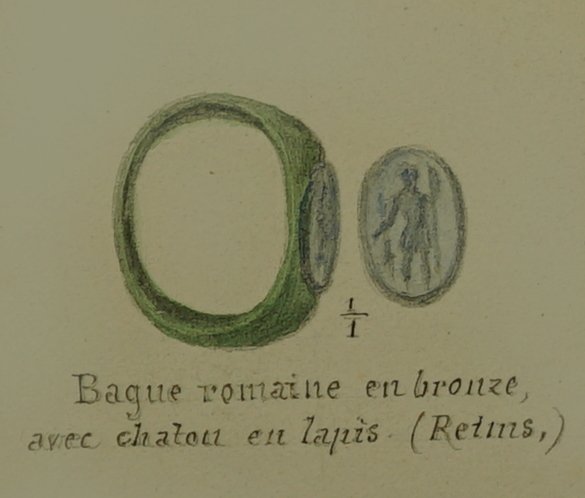
- Visual Materials Maps, plans, photographs, postcards, and prints
- Private Archives Family papers, business records, and local cultural documents
- Thematic Collections World War II and Holocaust-related resources (notably at the Reims site), Champagne viticulture archives
A significant portion of the archives has been digitized, with inventories and selected images accessible online (archives.marne.fr).
Architectural Features and Visitor Experience
Design and Materiality
The archives’ Reims building, completed in 2014 by Hamonic + Masson & Associés, features an ochre-bronze metallic façade, glass, and varnished concrete. These materials were chosen for their durability and evolving aesthetic, creating an inviting, poetic space (e-architect; Architect Magazine; ArchDaily).
Spatial Organization
Visitors approach via a gentle slope, leading to a transparent reception area and a tranquil inner garden. The layout encourages discovery, providing natural light and visual connections between interior and exterior spaces.
Amenities
- Restrooms and cloakrooms
- Free Wi-Fi
- Lockers
- Accessible parking and proximity to public transport
Nearby Historical Sites in Reims
Enhance your visit by exploring:
- Reims Cathedral (Notre-Dame de Reims) UNESCO World Heritage site, renowned for its Gothic architecture
- Palace of Tau Museum in a former archbishop’s residence
- Champagne Houses Tours and tastings at world-famous cellars (e.g., Veuve Clicquot, Taittinger)
- Art Deco Buildings Scattered throughout the city center (France-Voyage)
Practical Travel Tips
- Arrive early for optimal research time
- Consult online resources and digitized records before your visit
- Combine your trip with tours of Reims’ nearby historical sites and Champagne houses
- Check event calendars for exhibitions and workshops
- Public transportation is recommended for ease of access
Frequently Asked Questions (FAQ)
Q: What are the visiting hours?
A: Monday to Friday, 8:30 AM – 5:00 PM; closed weekends and public holidays. Always verify on the official website.
Q: Is there an admission fee?
A: Entry is free; some workshops or special events may require advance booking and a nominal fee.
Q: Are guided tours available?
A: Yes, by appointment or during special exhibitions. Contact the archives for details.
Q: Can I use a camera?
A: Non-flash photography for personal research is permitted; restrictions apply to certain materials.
Q: Is the building wheelchair accessible?
A: Yes, with adapted facilities and staff support.