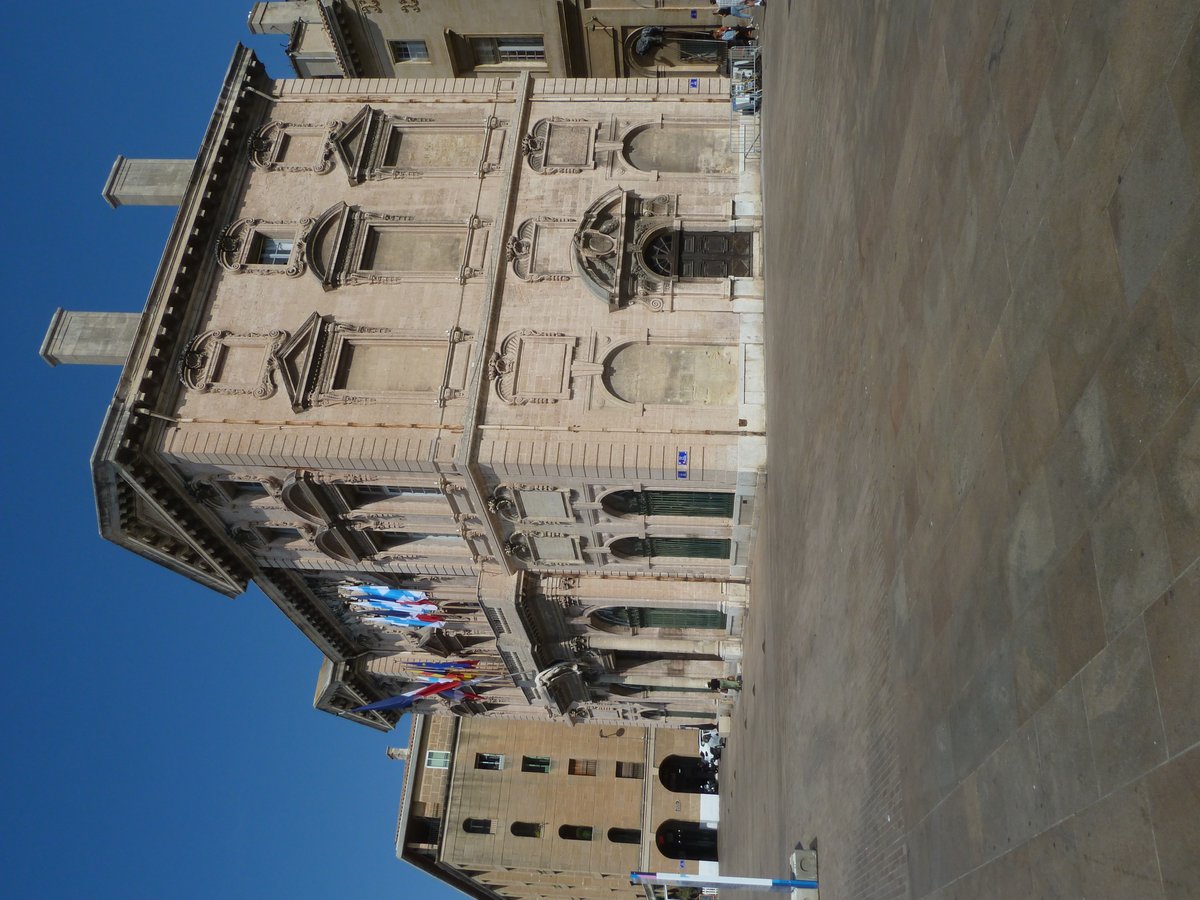
Medieval and Early Modern Origins
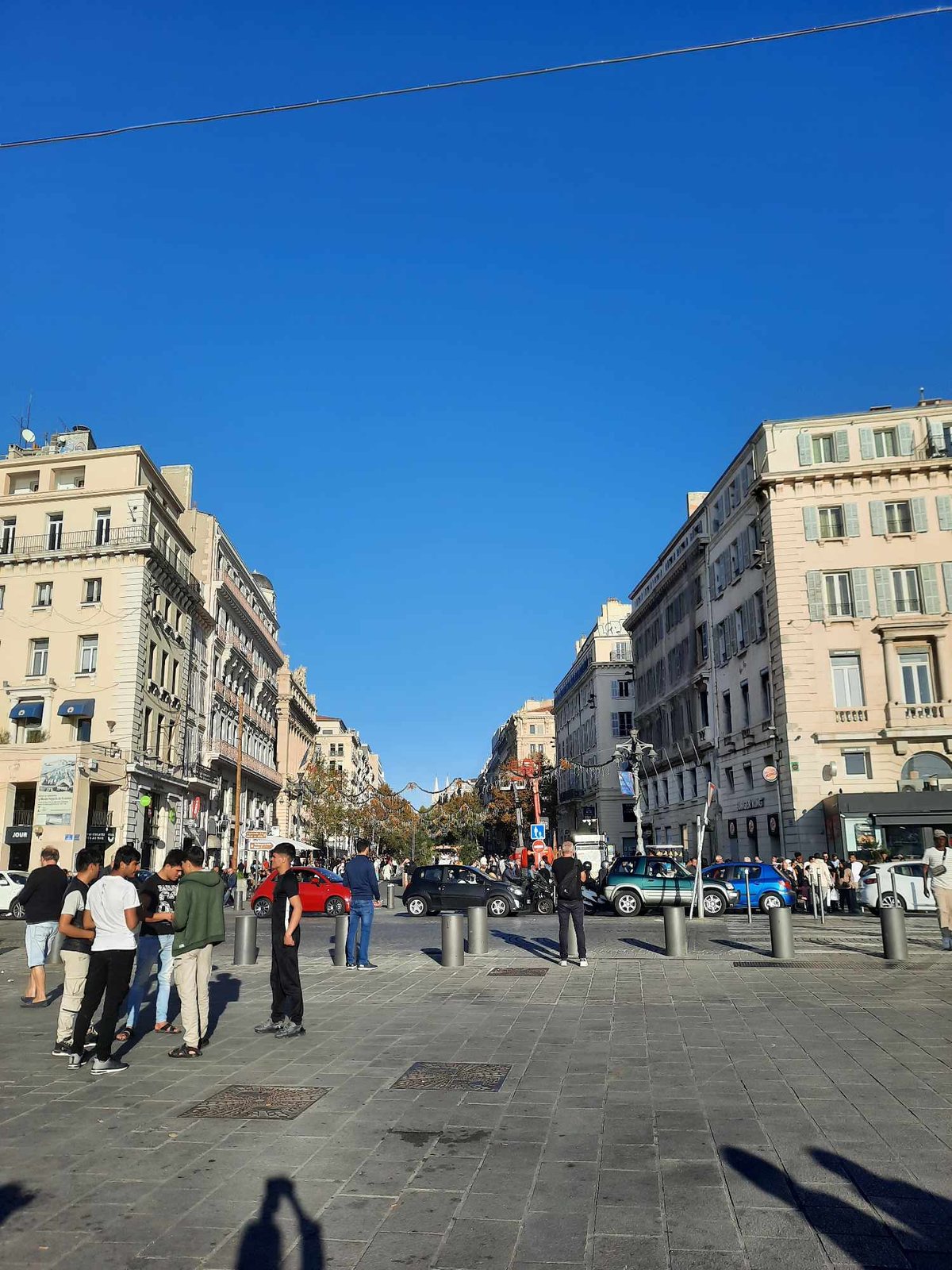
The history of Place Jean-Jaurès begins in the 13th century, when the area known as Plan Saint-Michel served as a gathering ground for crusaders departing Marseille. The plateau’s elevation provided a strategic vantage point, and its early use as a resting place for travelers set the tone for centuries of social congregation. By the late 16th century, the square’s reputation evolved to a place of quiet reflection, still surrounded by ancient tombs.
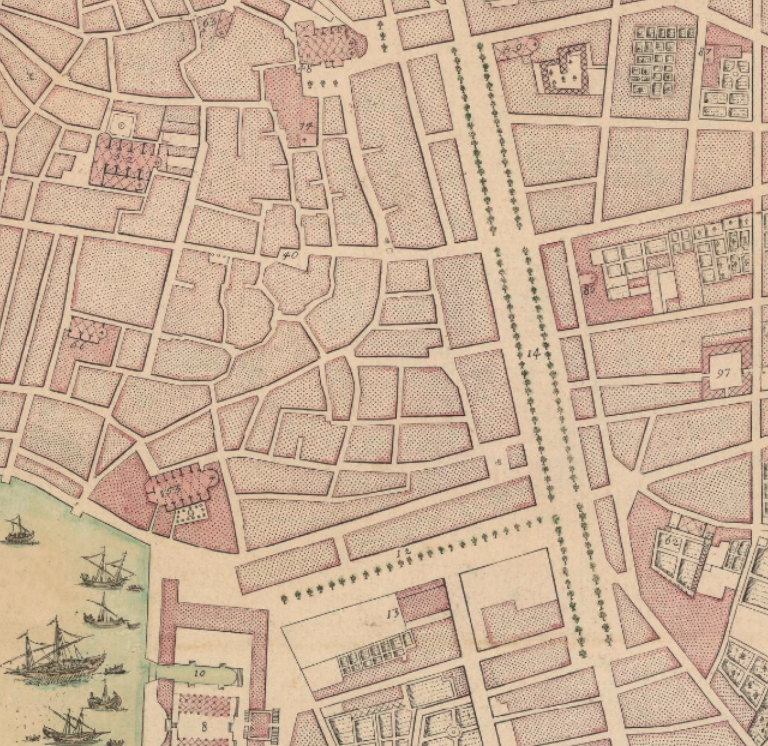
In the 18th century, Marseille’s urban expansion transformed La Plaine into a fashionable bourgeois neighborhood. It became a venue for public events, such as the city’s first corrida in 1770 and grand receptions for royalty (source).
19th and 20th Century Developments
The 19th century marked Place Jean-Jaurès as a site of civic milestones. In 1843, the "Marie Joséphine" bell was blessed here before being installed in the Basilique Notre-Dame-de-la-Garde. The square saw integration with modern transport in the 1880s through a tramway tunnel and became home to Marseille’s first traffic light in 1953.
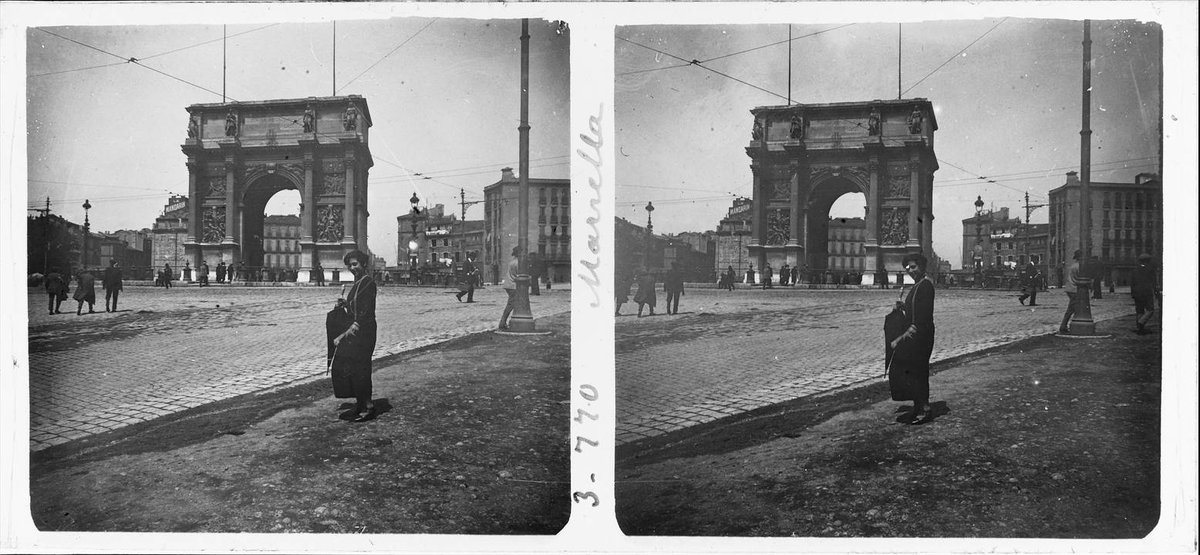
After World War I, the square was renamed in honor of socialist leader Jean Jaurès, cementing its role as a center for political activism and social movements. During WWII, it briefly reverted to Place Saint-Michel, returning to its present name after liberation (source).
The Market of La Plaine
Central to life at Place Jean-Jaurès is the Marché de la Plaine, a historic open-air market held on Tuesdays, Thursdays, and Saturdays from 7:00 AM to 1:00 PM. The market is renowned for its fresh produce, flowers, clothing, and regional delicacies, reflecting Marseille’s diverse cultures. Wednesdays host a flower market, and Friday afternoons feature a farmers’ market with local producers. The market’s multicultural offerings give visitors a true taste of the city’s cosmopolitan flavor (source).
Cultural Life and Urban Identity
La Plaine is a nucleus of creativity and community engagement. The square is adorned with vibrant street art, particularly in the nearby Cours Julien district. Annual festivals such as the Carnaval de la Plaine attract thousands, and regular pétanque matches, art fairs, and live music events animate the space (source).
The area’s cafés, bars, and restaurants offer everything from traditional Provençal cuisine to international and vegan dishes, making it a culinary hotspot. Recent urban renewal projects have enhanced pedestrian accessibility, expanded terraces, and introduced new playgrounds and green areas (source).
Visiting Hours & Ticket Information
- Square Access Open 24/7, no entrance fee.
- Market Hours Tuesday, Thursday, Saturday (7:00 AM–1:00 PM); Wednesday (flower market); Friday afternoon (farmers’ market).
- Guided Tours Some street art and heritage tours may require advance booking and a fee.
Accessibility and Visitor Amenities
- Mobility The square is pedestrian-friendly, with step-free access, ramps, and wide sidewalks.
- Facilities Public restrooms, shaded seating, and a new playground.
- Safety Like any busy city area, remain attentive to personal belongings, especially during crowded events.
Getting There & Travel Tips
- Public Transport Metro Line 2 (Notre-Dame-du-Mont–Cours Julien), tramway Line 1 (Eugène Pierre), and bus routes 52 and 74 all serve the area.
- Parking Limited street parking; public transport is recommended.
- Best Times to Visit Mornings for market vibrancy; evenings for terrace ambiance.
Nearby Attractions
- Cours Julien Artistic quarter with boutiques, street art, and music venues.
- Old Port (Vieux-Port) Marseille’s historic harbor, just a short walk away.
- Le Panier The city’s oldest district, filled with winding streets and local shops.
- Noailles Known for its North African markets and multicultural atmosphere.
Events & Festivals
Place Jean-Jaurès regularly hosts open-air concerts, art fairs, and major events like the Fête de la Musique and Carnaval de la Plaine. Check Marseille’s event calendar for up-to-date listings.
FAQs
Q: What are the visiting hours for Place Jean-Jaurès?
A: The square is open to the public 24/7.
Q: Is there an entrance fee or ticket required?
A: No, access is free.
Q: What are the main public transport options?
A: Metro Line 2, tramway Line 1, and bus routes 52 and 74.
Q: Are guided tours available?
A: Yes, several local operators offer tours focusing on the area’s history, street art, and markets.
Q: Is Place Jean-Jaurès accessible for visitors with disabilities?
A: Yes, the square includes step-free access, ramps, and wide sidewalks.
Q: Are pets allowed?
A: Generally yes, but keep them leashed during busy market hours.