
Historical Significance and Notable Events
The Cathédrale de la Major boasts a rich history spanning centuries, intricately woven with the story of Marseille itself. Its existence reflects the city’s evolving religious, political, and architectural landscapes.
A Tale of Two Cathedrals
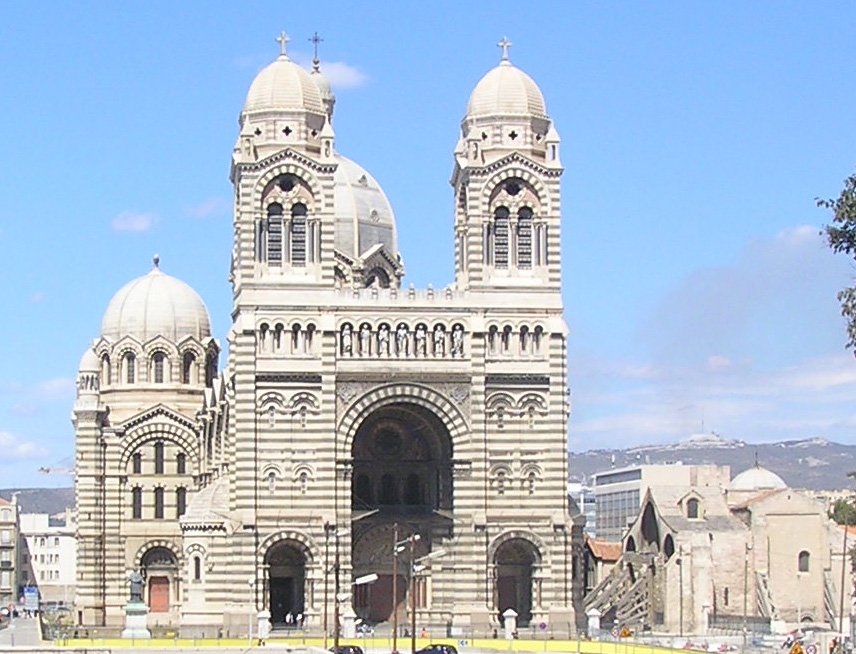
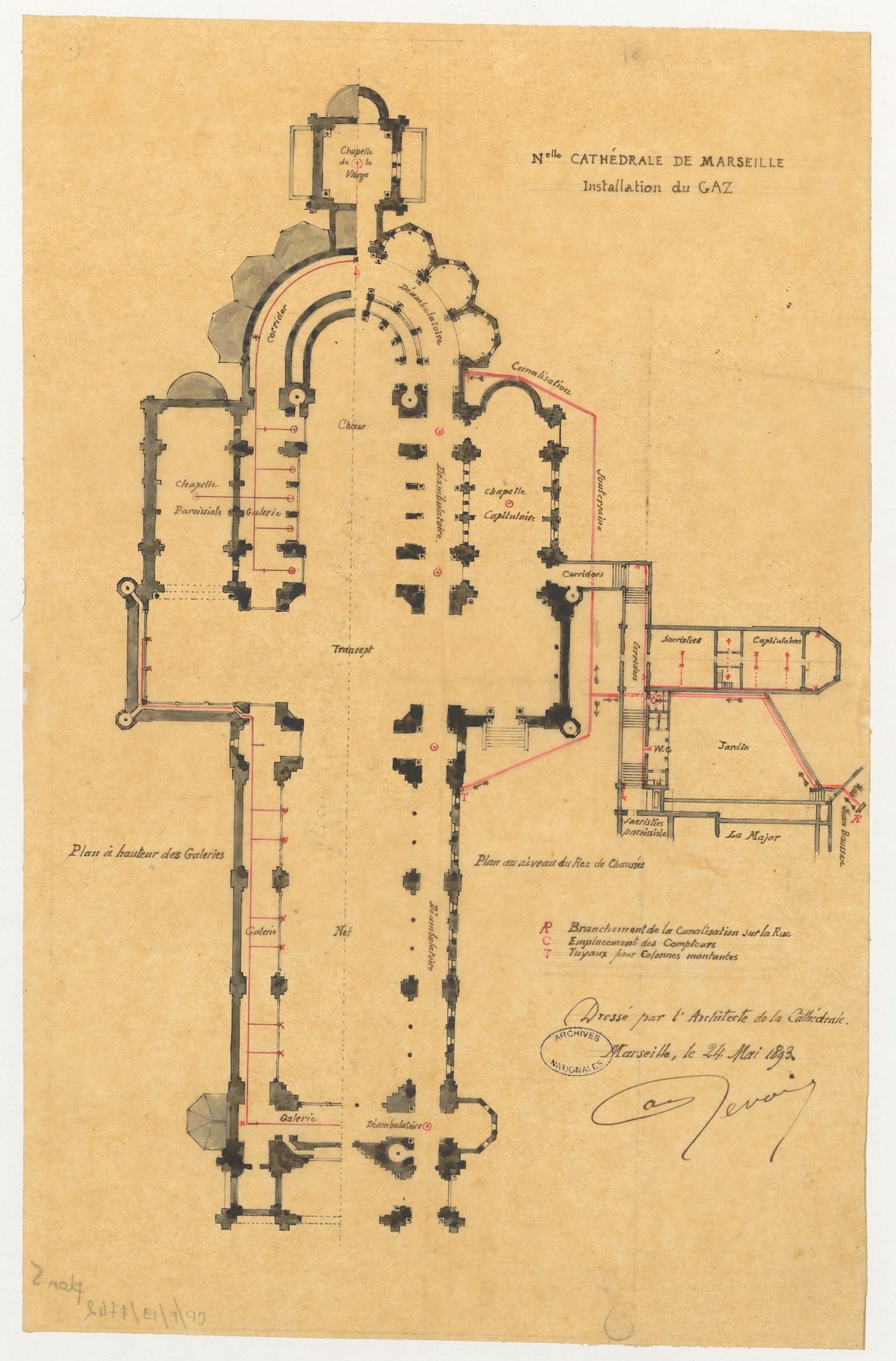
The structure we see today is actually the culmination of two distinct building phases. The “Old Major,” nestled beside the current cathedral, dates back to the 12th century, a testament to the Romanesque style prevalent at the time. However, with Marseille’s burgeoning growth and influence, the need for a grander, more imposing cathedral became evident.
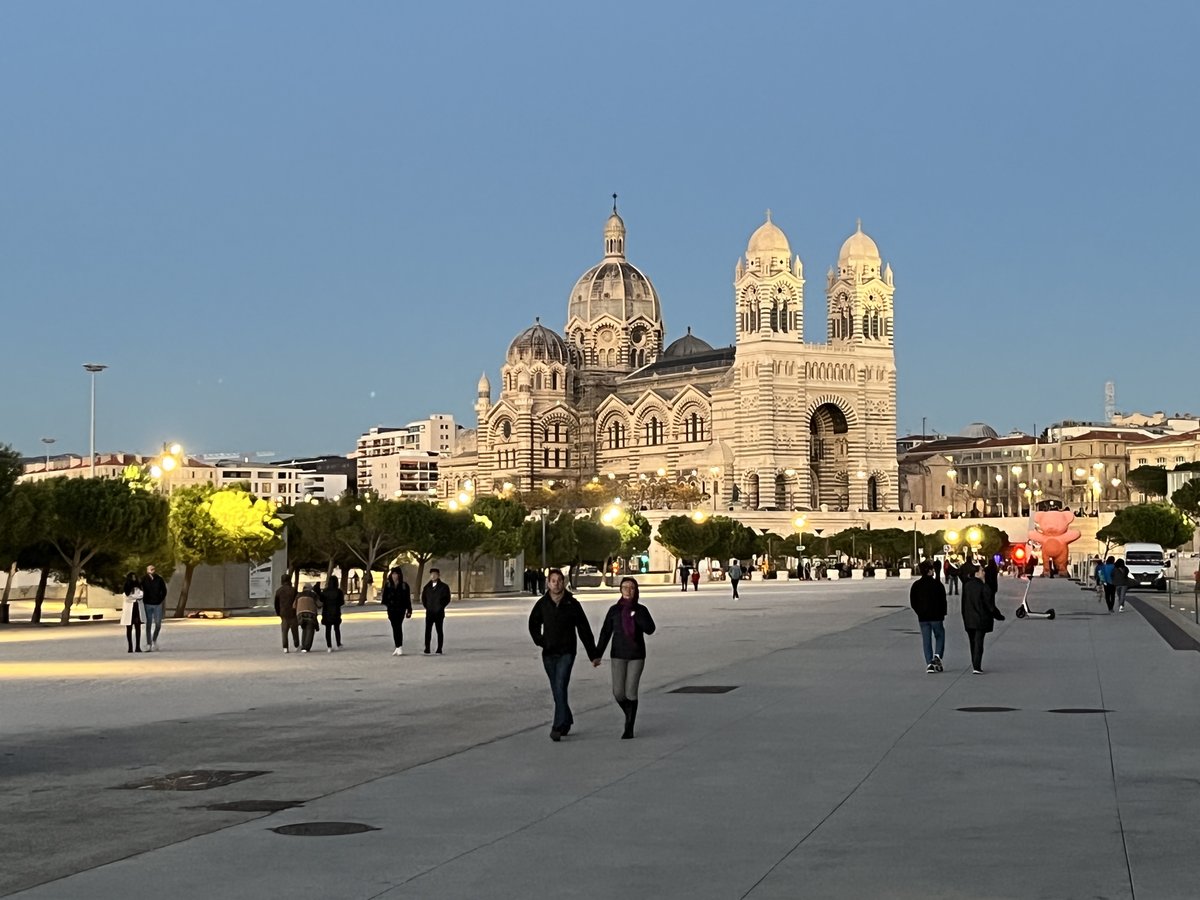
This led to the construction of the “New Major” in the 19th century, a monumental project championed by Napoleon III himself. This new cathedral, designed by architect Léon Vaudoyer, embraced the Byzantine-Romanesque Revival style, a bold departure from the architectural norms of the time.
A Symbol of Power and Prestige
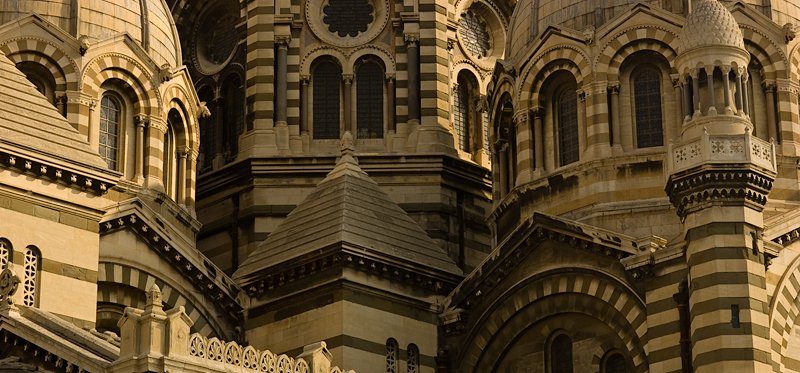
The sheer scale of the New Major, with its towering domes and opulent interiors, served as a powerful symbol of Marseille’s status as a major port city and a gateway to the French Empire. The use of contrasting green and white stones in its construction further accentuated its grandeur, making it a striking landmark visible from afar.
Witness to History
Throughout its existence, the Cathédrale de la Major has borne witness to numerous significant events:
- Royal Wedding In 1524, the cathedral hosted the lavish wedding of François I, King of France, to Claude, Duchess of Brittany. This event solidified Marseille’s strategic importance and showcased its splendor to the French court.
- Religious and Political Upheavals The cathedral did not escape unscathed during periods of religious and political turmoil. During the French Revolution, it suffered damage and looting, a stark reminder of the shifting tides of power.
- Modern Recognition In 1862, the Cathédrale de la Major was designated as a monument historique by the French Ministry of Culture, recognizing its architectural and historical significance.
Visitor Information
If you’re planning a visit to the Cathédrale de la Major, here’s what you need to know:
- Cathédrale de la Major Visiting Hours The cathedral is typically open daily from 10:00 AM to 7:00 PM, but hours may vary on holidays and special occasions.
- Cathédrale de la Major Tickets Entry to the cathedral is free, but donations are welcome and help maintain this historic site.
- Guided Tours Guided tours are available and provide in-depth knowledge about the cathedral’s history and architecture. Booking in advance is recommended.
Travel Tips
- Getting There The Cathédrale de la Major is located in the historic Panier district. Public transportation options include buses and the metro. Parking is available nearby, but it can be limited during peak hours.
- Best Time to Visit To avoid the crowds, visit early in the morning or late in the afternoon. The cathedral is particularly beautiful during the golden hour, just before sunset.
- Photographic Spots The exterior, with its unique green and white stones, offers numerous photo opportunities. Don’t miss the panoramic views of the harbor from the cathedral’s terrace.
Nearby Attractions
While you’re in the area, consider exploring these nearby attractions:
- Le Panier District Wander through the oldest neighborhood in Marseille, filled with charming streets, shops, and cafes.
- Mucem The Museum of European and Mediterranean Civilisations is a short walk away and offers fascinating exhibits.
- Fort Saint-Jean A historic fort with stunning views of the Mediterranean Sea.
Special Events
The Cathédrale de la Major hosts various cultural events, concerts, and exhibitions throughout the year. Check the official website for the latest schedule and event details.
FAQ
- What are the Cathédrale de la Major visiting hours? The cathedral is typically open daily from 10:00 AM to 7:00 PM, but hours may vary on holidays and special occasions.
- Do I need tickets to visit the Cathédrale de la Major? Entry to the cathedral is free, but donations are welcome and help maintain this historic site.
- Are guided tours available? Yes, guided tours are available and provide in-depth knowledge about the cathedral’s history and architecture. Booking in advance is recommended.