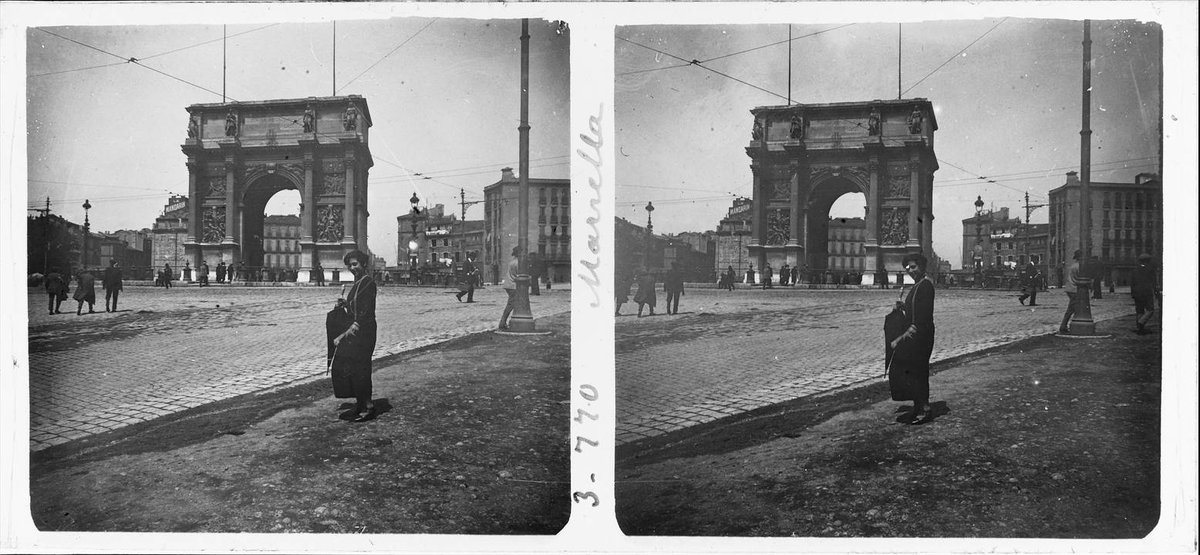
Historical Evolution of Marseille
Ancient Foundations and Greek Influence
Marseille—originally Massalia—was founded by Greek settlers from Phocaea around 600 BCE, making it France’s oldest city (Marseille City of Culture; Wikipedia). Its strategic Mediterranean port quickly became a center of trade and cultural exchange, playing a pivotal role in the spread of Greek and later Roman civilizations throughout southern Gaul (Marseille Tourisme).
Roman Era and Medieval Transformations
After supporting Rome in the Second Punic War, Massalia flourished until the Roman Civil War, when it lost autonomy to Julius Caesar in 49 BCE. Under Roman rule, the city thrived as a major port and cultural hub. Through the Middle Ages, Marseille weathered plagues, wars, and integration into France, while still maintaining a tradition of independence (Marseille City of Culture).
Modernization and Cultural Renaissance
The 19th century marked intense industrialization, port modernization, and urban expansion, with the construction of grand boulevards and landmarks. The city’s multicultural growth intensified after World War II, with waves of immigration from Europe, North Africa, and the Middle East. Marseille was named European Capital of Culture in 2013, celebrating its unique blend of history and creativity (Nomadic Matt; Marseille Tourisme).
Lodi District: Origins and Landmarks
Napoleonic Heritage and Urban Development
Lodi derives its name from the Battle of Lodi (1796), a Napoleonic victory. The main street, Rue de Lodi, is lined with Haussmannian and Belle Époque buildings constructed during the city’s 19th-century boom (Marseille Tourisme). Cultural venues like Théâtre l’Art Dû and Théâtre Marie Jeanne contribute to the neighborhood’s creative energy.
Key Architectural Features
- Rue de Lodi The heart of the district, featuring elegant façades and vibrant street life.
- Jardin de Corinthe A welcoming green space for relaxation.
- Former Military Hospital (Michel Lévy) A historical landmark now converted to residential use.
Lodi’s proximity to Place Castellane, Cours Julien, and Notre-Dame du Mont positions it at the crossroads of Marseille’s historical, artistic, and urban landscapes.
Key Sites: Visiting Hours & Tickets
Lodi District
- Rue de Lodi Open to the public at all times, free.
- Jardin de Corinthe Open daily from dawn to dusk, free.
- Théâtre l’Art Dû & Théâtre Marie Jeanne Check official websites for showtimes and ticket prices.
- Architectural Walks No ticket required; self-guided strolls are recommended.
Nearby Historical Sites
- Château d’If Open daily (10:00 AM–6:00 PM; seasonal changes possible). Tickets approx. €8; reached by ferry from the Old Port.
- Notre-Dame de la Garde Open daily (7:00 AM–7:00 PM), free entry.
- Cantini Museum Tuesday–Sunday, 10:00 AM–6:00 PM; €5 general admission, free on first Sundays and for EU residents under 26.
- MuCEM (Museum of European and Mediterranean Civilisations) Tuesday–Sunday, 11:00 AM–7:00 PM (Fridays until 10:00 PM); tickets approx. €10 (MuCEM).
Travel Tips & Accessibility
- Best Time to Visit Spring and early autumn offer mild weather and fewer crowds.
- Transport Metro Line 1 (Castellane), Line 2 (Lodi), and multiple bus lines serve the district; walking is ideal for exploration.
- Accessibility Most public sites and museums are wheelchair accessible; older buildings may have limitations.
- Parking Limited in Lodi; public garages available in nearby Castellane.
Cultural Highlights & Local Life
- Markets Lively Provençal and North African food markets are found on Boulevard Baille and nearby Cours Julien.
- Street Art Lodi and adjacent Cours Julien are known for colorful murals and creative expression.
- Community Events Local theaters and squares host music, art, and food festivals throughout the year (The Tourist Checklist).
Dining, Shopping, and Accommodation
- Dining Sample Marseille’s iconic bouillabaisse, pastis, and Mediterranean pastries in neighborhood bistros and bakeries.
- Shopping Rue de Lodi and side streets offer independent boutiques, artisanal food shops, and vintage stores.
- Accommodation Choose from boutique hotels, short-term apartments, or hostels. Central location provides easy access to attractions (Book GuestReady).
Safety, Health, and Practical Info
- Safety Lodi is generally safe; exercise standard urban precautions, especially at night and in crowded places (How Safe).
- Emergency Numbers 112 (general emergencies), 17 (police), 15 (medical).
- Healthcare Pharmacies and Hôpital de la Conception are within walking distance.
- COVID-19 Standard hygiene protocols apply as of July 2025.
Nearby Attractions
- Place Castellane Central square with Art Deco fountain, cinemas, and cafés.
- Vieux-Port (Old Port) Historic harbor; gateway to boat tours and seafood dining.
- Notre-Dame du Mont Lively square with music venues and nightlife.
- Le Panier Marseille’s oldest district, famous for its winding streets and colorful houses (Living Nomads).
- Parc du 26e Centenaire Large urban park a short walk from Lodi.
Frequently Asked Questions (FAQ)
Q: Are there entrance fees for Lodi’s attractions?
A: Most are free, except for museums like Cantini (€5) and MuCEM (€10).
Q: What are the main visiting hours?
A: Public spaces are open all day; most museums are open 10:00 AM–6:00 PM, closed on Mondays.
Q: How accessible is Lodi by public transport?
A: Metro Lines 1 & 2 and several bus routes serve the district.
Q: Is Lodi safe for solo and LGBTQ+ travelers?
A: Yes, Lodi is considered safe and welcoming. Use standard precautions at night.
Q: What are the best times to visit?
A: Spring and fall for pleasant weather and fewer crowds.