1. Historical Background
Origins and Early Foundations
The site’s earliest incarnation was the Hôpital Saint-Nicolas-de-Cordelle (early 13th century), founded to provide shelter and education for poor schoolchildren—a reflection of medieval Laon's commitment to charity (POP: la plateforme ouverte du patrimoine). In 1235, the Augustinians took over, building the north-east wing and establishing a monastic tradition that would shape the site for centuries (Wikipatrimoine).
Expansion and the Arrival of the Minimes
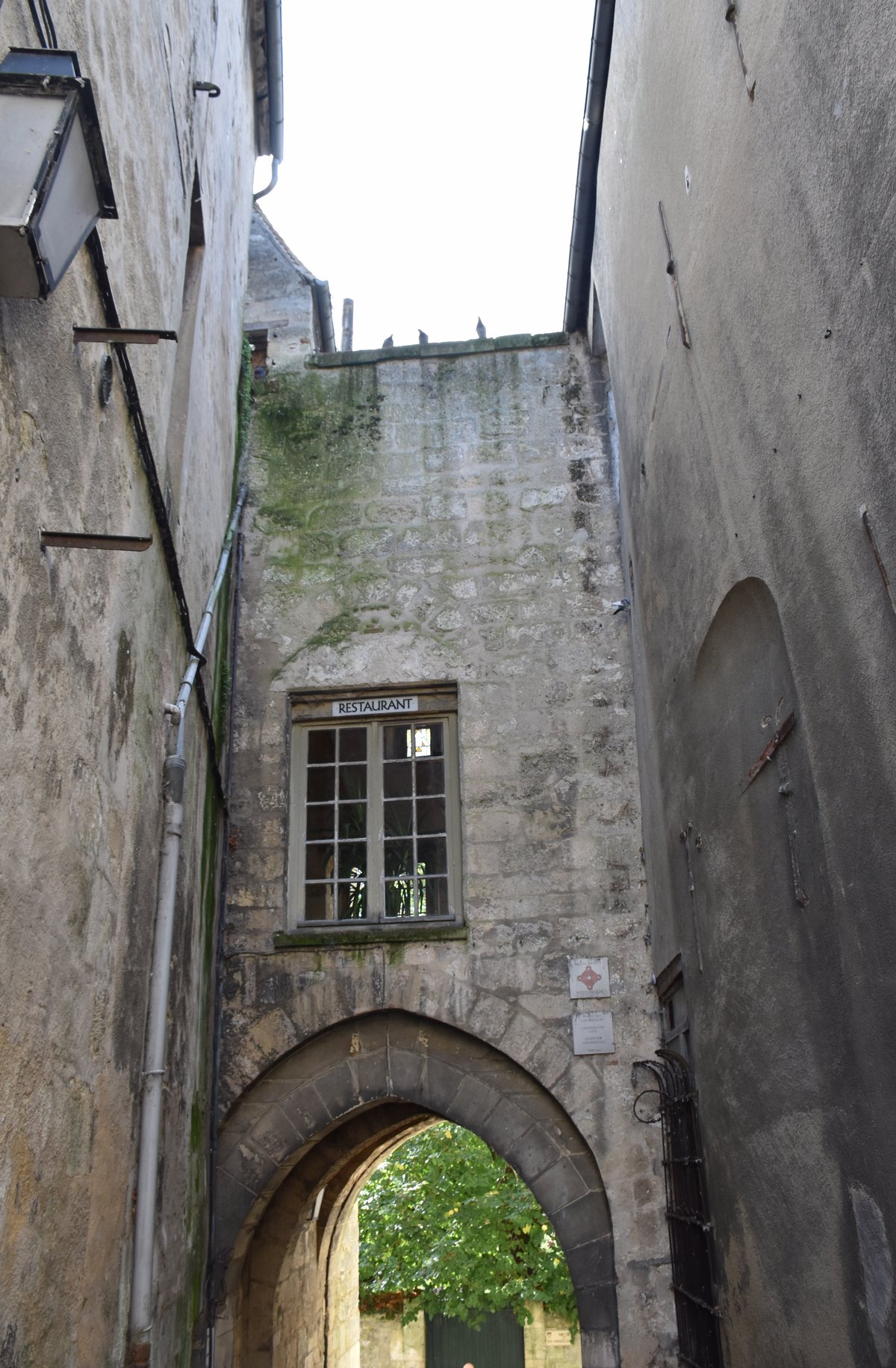
The 14th and 15th centuries brought significant architectural development, including the construction of a dedicated church (c. 1308) and a Gothic porch (1480). In 1610, the Minimes—renowned for their asceticism—took possession, restoring the church and expanding the complex after a destructive fire in the mid-17th century. The monumental entrance portal, rebuilt in 1741, still greets visitors today (POP: la plateforme ouverte du patrimoine).
Secularization and Modern Uses
The French Revolution led to the convent’s secularization in 1792. It subsequently served as a college (1806–1883) and later as a military site from 1892, each phase bringing adaptive changes while preserving core architectural features (Monumentum).
2. Architectural Evolution and Notable Features
Layout and Structure
The convent’s plan is organized around a cloister, with wings forming a quadrangle typical of monastic architecture. The chapter house (c. 1230–1250), with its two naves, three bays, and ribbed vaulting, is a rare regional example of early Gothic design. Beneath it, a barrel-vaulted cellar showcases medieval engineering (POP: la plateforme ouverte du patrimoine).
Key Architectural Elements
- Chapter House A Gothic gem, rarely accessible except on special occasions.
- Monumental Portal (1741) Classical proportions and decorative flourishes mark the main entrance on Rue Vinchon (Journées du Patrimoine).
- Ironwork Staircase The south-east wing’s staircase, with its intricate wrought-iron banister, reflects late 18th-century refinement (POP: la plateforme ouverte du patrimoine).
- Cloisters and Courtyards Tranquil, arcaded spaces ideal for reflection and contemplation.
Preservation Status
The Couvent des Minimes is a protected Monument Historique, with key elements such as the monumental portal, courtyard arcades, and vaulted hall under heritage protection (Monumentum).
3. Cultural Significance
The convent’s layered history as a hospital, monastic center, educational institution, and military site mirrors France’s broader evolution. Strategically situated within Laon’s upper town, it contributed to the city’s religious, social, and intellectual life. Today, its rare surviving chapter house and monumental portal make it a vital link to Laon’s medieval and early modern past (The Crazy Tourist).
4. Visiting the Couvent des Minimes: Hours, Tickets & Practical Information
Visiting Hours
- Open Primarily during European Heritage Days (September) or by pre-booked guided tours.
- Closed Regular daily visits are not available; check with the Laon Tourist Office for current schedules.
Tickets and Admission
- Heritage Days Free admission.
- Guided Tours €5–€10 per person, depending on group size and tour type.
- Booking Advance reservations recommended. Book through the Laon tourist office or platforms like Unidivers.
Accessibility
- Mobility Wheelchair access is limited; contact the tourist office for details.
- Facilities No on-site café or shop. Public restrooms and many cafés are nearby in the medieval center.
Getting There
- Address 44 Rue Vinchon, 02000 Laon, France (Monumentum)
- By Train Laon station (15 min walk from the convent; direct trains from Paris).
- By Car Public parking available around the old town.
5. What to See and Do
- Explore the Cloister and Courtyard Experience the peaceful monastic layout and garden spaces.
- Admire the Chapter House A highlight of regional Gothic architecture.
- See the Monumental Portal and Staircase Marvel at refined 18th-century design details.
- Join Guided Tours Learn about the Minimes order, the convent’s history, and Laon’s role in French heritage.
- Photography Permitted for personal use (no flash or tripods). Confirm policy on arrival.
6. Nearby Attractions and Accommodation
- Laon Cathedral A Gothic masterpiece just minutes away.
- Ramparts and City Gates Scenic walks with panoramic views.
- Ancien couvent des Dames de la Congrégation Notre-Dame Another historic convent nearby (Hikersbay).
- Accommodation Options include Maison Séraphine and L’Escapade; book early during festival periods (Hikersbay).
7. Visitor Tips and FAQs
Tips
- Best Time to Visit European Heritage Days in September or special guided tour events.
- Dress Comfortably Wear sturdy shoes for uneven floors and bring layers for cool interiors.
- Accessibility Contact the tourist office if you have mobility concerns.
Frequently Asked Questions
Q: When can I visit the Couvent des Minimes?
A: During European Heritage Days or by pre-arranged guided tours.
Q: How do I book tickets?
A: Through the Laon tourist office or platforms like Unidivers.
Q: Is the site wheelchair accessible?
A: Accessibility is limited; check ahead for details.
Q: Are English tours available?
A: Yes, with advance notice.
Q: Can I photograph inside the convent?
A: Yes, for personal use; no flash or tripods.
Contact Information
- Laon Tourist Office Website
- Phone: +33 (0)3 23 20 28 62