What the Archives Are
The Departmental Archives of Aisne (Archives départementales de l’Aisne) are a centre for preserving and sharing the region’s history. They serve genealogists, historians, students, educators and tourists, offering free access to original documents, exhibitions, programs and digital resources. Since 2018, the archives have been housed at the Centre des Archives et Bibliothèque Départementales de l’Aisne (CABA) in Parc Foch (Aisne.com). Their location in Laon also makes them a starting point for exploring nearby historical sites, including the Cathédrale Notre-Dame de Laon and the medieval ramparts (Guide Tourisme France).
History
The archives were established under the law of 5 Brumaire, Year V (26 October 1796), to preserve documents from the Ancien Régime and the revolutionary era. They were originally managed by local prefects; governance passed to the Conseil départemental de l’Aisne following the decentralization reforms of 1986 (fr.wikipedia.org).
The archives endured major losses during the two world wars and underwent multiple relocations. They are now housed in the state-of-the-art CABA in Parc Foch.
What to See and Explore
The collections include:
- Civil registers of births, marriages and deaths
- Parish records and notarial deeds
- Cadastral maps and Napoleonic land registers
- Census records and military files
- School archives, postcards and historical photographs
- Private papers from local families and organizations
Finding aids and digital catalogues are available in French at research terminals and online. Staff archivists can help visitors navigate catalogues and handle archival materials (FamilySearch).
The archives also organize thematic exhibitions, including those on notable trials and regional writers; expert-led guided tours for individuals, groups and schools; educational workshops for families and students; and special events with local associations. Current and upcoming programs are listed on the official website.
Digitized civil and parish registers, maps and census data are available through the online portal. Some databases may require on-site access or free registration. Remote research support is also available by email or phone.
Practical Visiting Information
Location and Access
Address: Parc Foch, Avenue du Maréchal Foch, 02000 Laon, France
The archives are in Laon’s lower town, in the Semilly district. They are accessible by car, train and public transport. Main road routes include the D 1044 from Saint-Quentin and Reims, RN 2 from Soissons and Hirson, and the A26 motorway (Calais-Reims). The site is signposted from Laon’s upper town, and local buses connect the city centre to Parc Foch (archives.aisne.fr).
The facility is accessible to visitors with reduced mobility, with ramps, elevators and accessible restrooms.
Hours, Admission and Registration
- Opening hours Monday to Friday, 9:00 AM–5:00 PM
- Lunch closure 12:00 PM–1:30 PM
- Closed Weekends and public holidays
- Admission Free; no tickets required
- Registration Valid photo ID is required to register and obtain a reader’s card for document consultation.
- Advance booking Not required for individuals. Group visits and guided tours should be arranged in advance.
Check the official website for annual maintenance closures or public holiday exceptions.
Facilities and Services
The reading room is quiet and well-lit, with individual desks, power outlets, free Wi-Fi and staff support. Lockers are provided at the entrance, and storage of bags and coats is mandatory. Wheelchair-accessible entrances, restrooms and reading areas are available.
There is a small lounge area but no on-site café; several dining options are nearby in Laon.
Contact information:
- Address Parc Foch – Avenue du Maréchal Foch, 02000 Laon, France
- Phone +33 (0)3 23 24 61 47
- Contact form archives.aisne.fr contact page
- Official website archives.aisne.fr
Tips for Visitors
- Consult the online catalogue and note reference codes before visiting.
- Bring valid photo ID for registration and a reader’s card.
- Most resources are in French; translation apps may be helpful for non-French speakers.
- Allow 15–30 minutes for document retrieval.
- Photography is permitted for personal research, without flash or tripods. High-quality reproduction services are available for a fee.
- At desks, only pencils, laptops and loose paper are allowed.
Nearby Places
Nearby heritage sites include:
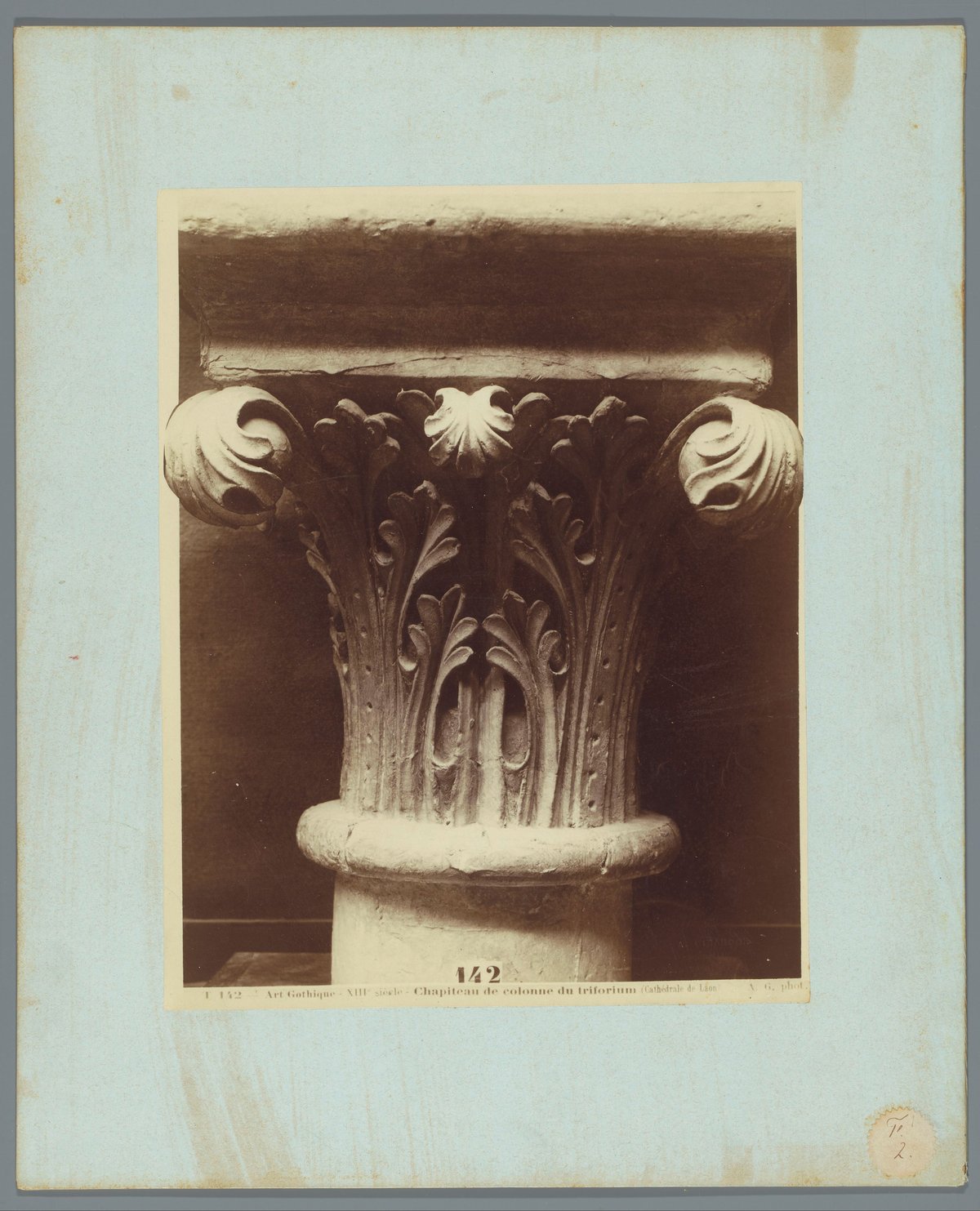
- Cathédrale Notre-Dame de Laon An early Gothic architectural landmark.
- Medieval City Walls and Ramparts Panoramic city views and scenic walks.
- Abbey of St. Martin and Musée d’Art et d’Archéologie Historic and artistic collections.
- Ville Haute Medieval streets, cafés and local shops.
Seasonal events such as the Médiévales festival and Laon Festival add to the area’s cultural program (France-Voyage).
Frequently Asked Questions (FAQ)
Is admission free?
Yes. Entry is free.
What are the visiting hours?
Monday to Friday, 9:00 AM–5:00 PM, with a lunch closure from 12:00 PM to 1:30 PM. The archives are closed on weekends and public holidays.
Do I need to register?
Yes. Bring valid photo ID to register and receive a reader’s card for document access.
Are the archives accessible?
Yes. The facility has accessible entrances, restrooms and reading areas, along with ramps and elevators.
Can I photograph documents?
Yes, for personal use, without flash or tripods.
Are guided tours available?
Yes. Tours are available for individuals, groups and schools. Arrange group visits in advance and check the website for scheduled events.
Is remote research possible?
Yes. Use the digital portal or contact staff by email or phone for remote assistance.