Historical Context: From Maritime Warehouse to Cultural Landmark
18th-Century Maritime Commerce and Construction
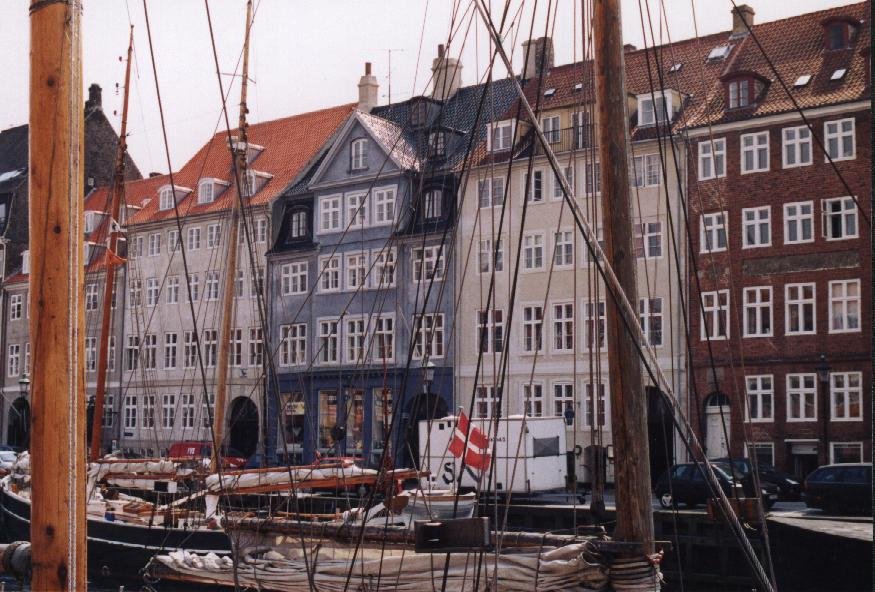
The North Atlantic House occupies a warehouse constructed in 1767 during Copenhagen’s era of maritime ascendancy. Built to store goods like dried fish and whale oil, its robust timber framing and brick walls reflect both the priorities and the prosperity of the period (UniPress). The warehouse stood at the heart of trade between Denmark and its North Atlantic territories.
The Danish Realm and North Atlantic Connections
Historically, Greenland, Iceland, and the Faroe Islands were part of the Danish Realm (Rigsfællesskabet). Even after the Treaty of Kiel in 1814, Denmark retained these territories, making Copenhagen the primary administrative and commercial link to the North Atlantic (UniPress).
Maritime Heritage and Cultural Exchange
The warehouse was vital for shipping goods and facilitating cultural interactions among sailors, traders, and officials from across the North Atlantic. It played a symbolic role in Denmark’s imperial network and the dissemination of North Atlantic resources throughout Europe.
Adaptive Reuse and Modern Transformation
With the decline of traditional industries, the warehouse’s commercial use waned. In 2003, recognizing its historical and architectural value, the building was transformed into the North Atlantic House cultural center—a beacon for dialogue, exhibitions, and community events celebrating the region’s heritage (UniPress).
Architectural Features
Original elements—exposed beams, stone foundations, and large loading doors—have been meticulously preserved, providing an authentic maritime atmosphere while accommodating modern exhibitions and events.
Continuing Role in Diplomacy
Today, the building also houses the Icelandic Embassy and the Greenlandic and Faroese representations, reinforcing its legacy as a diplomatic and cultural nexus (UniPress).
Architectural and Cultural Highlights
Design Philosophy
North Atlantic House is a model of adaptive reuse, blending historic warehouse architecture with contemporary Nordic design. Its three interconnected buildings, saddle roofs, and open ground floor evoke a “North Atlantic village,” fostering community and creativity (ArchDaily).
Materials and Inspiration
- Black zinc and raw concrete echo the rugged landscapes of the North Atlantic.
- Catfish skin and Icelandic driftwood provide tactile, maritime-inspired accents.
Urban Context
Located in Christianshavn, the venue exemplifies Copenhagen’s approach to sustainable, mixed-use urban redevelopment (ArchDaily).
Exhibitions and Programming
Permanent and Rotating Exhibitions
North Atlantic House features an evolving program of exhibitions exploring identity, nature, and creative expression from Greenland, Iceland, and the Faroe Islands. Both permanent displays and temporary shows highlight traditional crafts, contemporary art, and pressing issues like climate change (Nordatlantens Brygge).
Featured Exhibitions (June 2025)
- Contemporary North Atlantic Art Works on environmental change and cultural resilience.
- Design from the Edge Sustainable design from local materials.
- Photography Festival Collaboration Special exhibition with Copenhagen Photo Festival (VisitDenmark).
Events and Activities
- Concerts, Performances, and Film Screenings
- Workshops and Educational Programs For visitors of all ages.
- Seasonal Festivals and Citywide Collaborations Including CPH STAGE and other major events.
Practical Visitor Information
Location
- Address Strandgade 91, Christianshavn, 1401 Copenhagen K (North Atlantic House official site)
- Transport Short walk from city center; accessible by metro (Christianshavn Station), bus, or bicycle.
Opening Hours
- Monday–Friday 10:00–17:00
- Saturday–Sunday 12:00–17:00
- Special hours during holidays and festivals (North Atlantic House official site)
Admission Fees
- Adults DKK 60
- Pensioners DKK 40
- Students/Youth DKK 30
- Children under 12 Free
Tickets available online or at the entrance.
Facilities and Amenities
- Exhibition spaces Two large galleries with rotating exhibitions (VisitCopenhagen)
- Café and Restaurant Barr North Atlantic and Nordic cuisine (Guide to Europe)
- Design shop Crafts, books, and souvenirs from the region
- Conference/events spaces Available for private rental
- Accessibility Fully wheelchair accessible, with staff assistance (Copenhagen Card)
Enhancing Your Visit
Best Times and Tips
- Spring and Autumn Fewer crowds and comfortable weather.
- Summer Longer days and outdoor events.
- Winter Festive atmosphere with seasonal exhibitions.
- Plan 1–2 hours for exhibitions and café; more if attending events or dining.
- Guided tours Available in Danish and English; book in advance for groups.
- Most exhibits are bilingual (Danish/English).
Nearby Attractions
- Christiansborg Palace
- Nyhavn
- National Museum of Denmark
- Church of Our Saviour Combine visits for a full cultural day in Copenhagen (WhichMuseum).
Sustainability and Community Engagement
Revenues from commercial activities support cultural programming and the promotion of North Atlantic cultures in Denmark (lwid.dk).
Visitor Ratings
North Atlantic House is well-reviewed, with an average of 4.4 out of 5 stars from over 500 visitors, who praise its authentic setting and engaging exhibitions (Guide to Europe).
Frequently Asked Questions (FAQ)
Q: What are the North Atlantic House opening hours?
A: Monday to Friday 10:00–17:00, Saturday and Sunday 12:00–17:00.
Q: How much are tickets?
A: Adults DKK 60, pensioners DKK 40, students/young people DKK 30, children under 12 free.
Q: Is the venue wheelchair accessible?
A: Yes, with elevators and accessible restrooms.
Q: Are guided tours offered?
A: Yes, in Danish and English; advance booking recommended for groups.
Q: Are exhibitions presented in English?
A: Most exhibitions and information are bilingual (Danish and English).
Q: Can I take photographs?
A: Non-flash photography is generally allowed; check for specific restrictions.