
Historical Background and Transformation
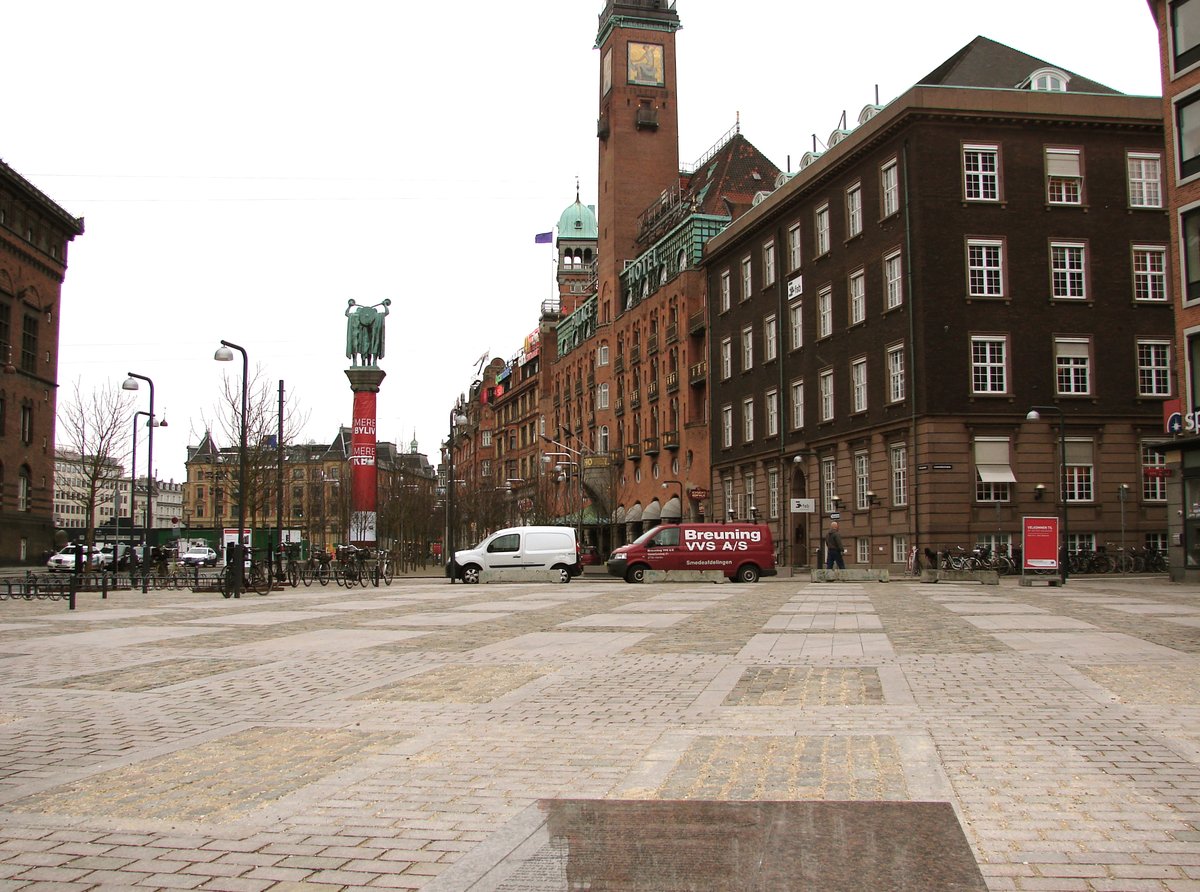
Originally an extension of City Hall Square and used primarily as a car park throughout the 20th century, Regnbuepladsen was redeveloped in the early 2010s to create people-centric, pedestrian-friendly public space. The square’s renaming in 2014 was a landmark moment in Copenhagen’s urban history. After public debate on whether to honor specific LGBTQ+ activists or adopt a broader symbol, “Regnbuepladsen” was chosen, inspired by the international rainbow flag—a universal sign of LGBTQ+ pride and diversity. Today, it serves as a daily, living reminder of Copenhagen’s leadership in equality and human rights, with the rainbow flag flown from a dedicated flagpole and the square’s design inviting community gatherings and free expression (Copenhagen City Council).
Architectural Features and Urban Design
The 2013 redesign by Hall McKnight architects emphasized simplicity, accessibility, and symbolic resonance. Key features include:
- Granite paving in neutral shades, creating a calm, elegant backdrop.
- Cherry trees adding natural beauty and seasonal color, especially during spring blossoms.
- Bronze speaker’s podium crafted by Hein Heinsen, engraved in 54 languages to promote free expression.
- Permanent rainbow flag—the first municipal square worldwide to feature the LGBTQ+ flag year-round (Out & About).
- Seamless integration with surrounding streets, designed for wheelchair accessibility and easy pedestrian flow.
The square’s understated palette ensures that the rainbow flag stands out, symbolizing hope and continued progress. This design approach aligns with broader Danish urbanism principles: functionality, human-centeredness, and subtle storytelling (Danish Architecture Center).
Visiting Regnbuepladsen: Hours, Accessibility, and Tickets
- Opening Hours Open 24/7 year-round; accessible at any time.
- Entry Fees No tickets or entrance fees—Regnbuepladsen is a free public square.
- Accessibility Full wheelchair access via flat, even paving and ramps. Ample bike parking.
- Best Times to Visit Spring for cherry blossoms, August for Copenhagen Pride, and daytime hours for photography and people-watching. Evenings benefit from thoughtful lighting for safety and ambiance.
Events and Community Life
Annual Events
- Copenhagen Pride (August) The square hosts the main Pride Stage, information booths, and serves as a focal point for the Pride Parade. Expect live music, speeches, and a joyful, inclusive atmosphere (Visit Copenhagen, CN Traveller).
- Cultural and Civic Gatherings Throughout the year, Regnbuepladsen is used for pop-up concerts, art installations, demonstrations, and community rallies reflecting Copenhagen’s activist spirit (All Events in Copenhagen).
- Seasonal Markets In warmer months, occasional pop-up food stalls and craft markets add vibrancy.
Community Life
Regnbuepladsen’s design and central location make it a natural meeting point for locals and visitors alike. The square is surrounded by LGBTQ+-friendly businesses, cafes, and cultural venues, seamlessly integrating queer culture into the city’s daily rhythm. Local organizations use the square for outreach and engagement, reinforcing its civic and social importance (Independent Travel Guide).
Travel Tips and Nearby Attractions
Getting There
- By Metro Rådhuspladsen station (M3 Cityringen) is the closest stop.
- By Bus Several lines stop at City Hall Square.
- By Bike Take advantage of Copenhagen’s Bycyklen bike-share system, with docking stations nearby (Independent Travel Guide).
- Walking Regnbuepladsen is centrally located and within easy walking distance of many major attractions.
Nearby Landmarks
- Copenhagen City Hall Architectural icon with guided tours and public events.
- Tivoli Gardens Historic amusement park, a five-minute walk from the square (PlanetWare).
- Strøget One of Europe’s longest pedestrian shopping streets.
- Hans Christian Andersen Statue A must for literary fans and photo opportunities.
- Nyhavn The iconic canal district, a short walk away.
Facilities
- Restrooms Available at City Hall and nearby shopping centers.
- Accessibility Level surfaces, tactile paving, and ramps; some cobblestone streets nearby may pose minor challenges.
- Safety The area is well-lit and closely monitored, especially during large events.
Practical Visitor Information
- Copenhagen Card Offers unlimited travel on public transport and free entry to various attractions (Copenhagen Card).
- Public Transport Efficient and accessible; check schedules for late-night travel.
- Weather Dress in layers; Copenhagen’s weather can be changeable.
- Tipping Not customary, but appreciated for excellent service.
Frequently Asked Questions (FAQ)
Q: Is Regnbuepladsen always open?
A: Yes, it is a public square accessible 24/7.
Q: Do I need a ticket to visit?
A: No, entry is always free.
Q: Is the square accessible for people with disabilities?
A: Yes, the design prioritizes wheelchair and mobility access.
Q: Are guided tours available?
A: Many LGBTQ+ historical tours and city walks include Regnbuepladsen; check with local operators (Tourist Secrets).
Q: What are the best times to visit?
A: Spring for cherry blossoms, August for Pride, and daytime for the best atmosphere.
Q: Are there nearby attractions?
A: Yes—City Hall, Tivoli Gardens, Strøget, and Nyhavn are all within walking distance.