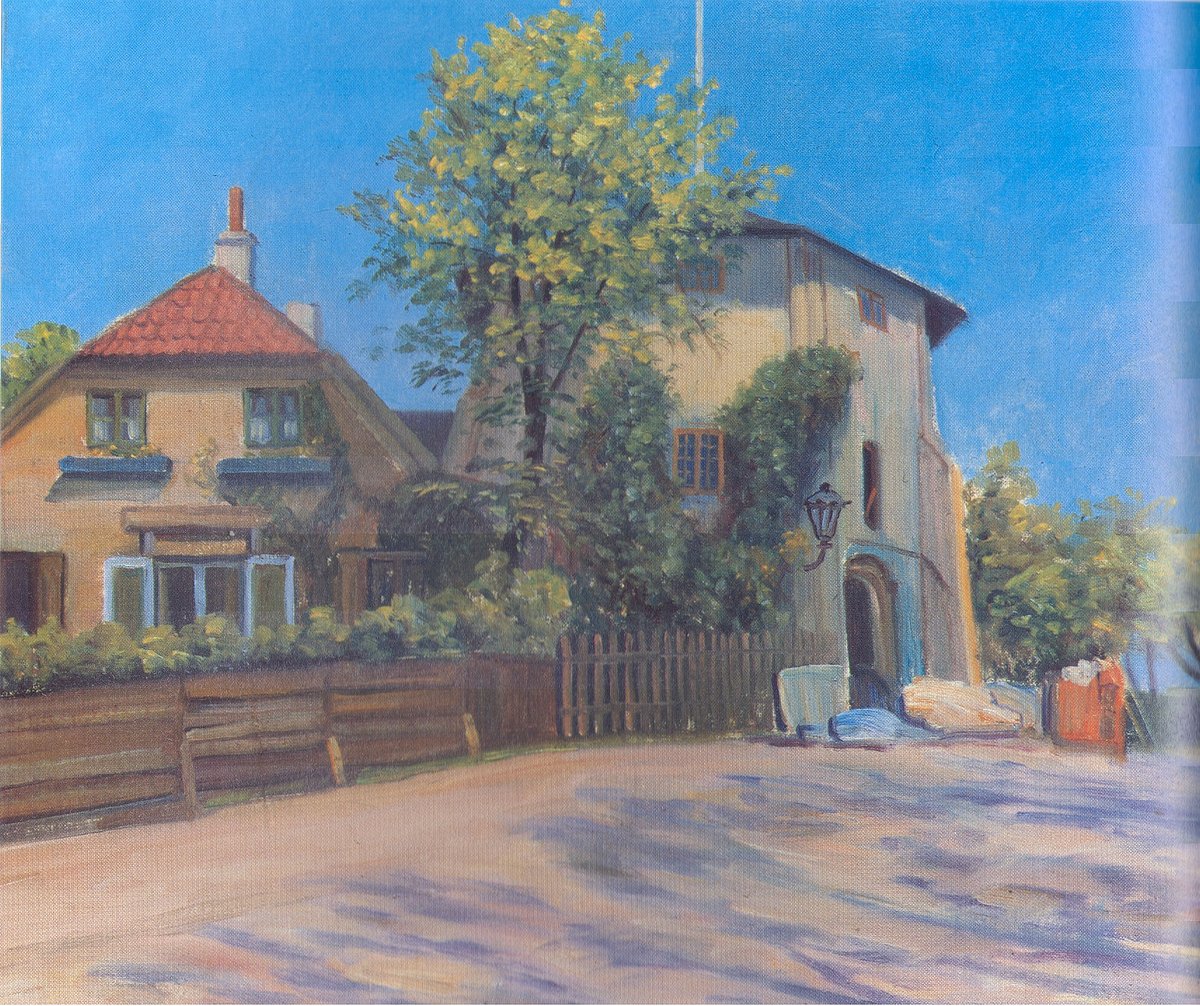


Discover Lille Mølle: Copenhagen’s Historic Windmill
Perched atop the Christianshavn ramparts, Lille Mølle stands as a testament to Copenhagen’s layered history. It is not only a beautifully preserved windmill but also a window into Denmark’s industrial and architectural legacy. Whether you are a history aficionado or a curious traveler, Lille Mølle promises a memorable experience.
Early Origins and Construction
The first mill, a post mill, was built on Løvens Bastion in 1669 for maximum wind exposure (Hovedstadshistorie). In 1783, it was replaced by a Dutch-style smock mill, distinguished by its octagonal yellow brick base—a feature that has become an iconic part of the Christianshavn skyline (Wikipedia).
Role in City Fortifications
By 1800, Lille Mølle was one of 16 windmills dotting Copenhagen’s fortifications, vital for grinding grain for the local population during both war and peace (Flickr). Its proximity to bakeries made it indispensable to the city’s food supply. The name "Lille Mølle" ("Little Mill") distinguished it from the larger "Store Mølle" that once stood nearby.
Industrial Expansion and Transition
The addition of a steam mill and bakery in 1832 marked the onset of industrialization, gradually reducing reliance on wind power (Hovedstadshistorie). Milling operations ceased in 1897, and while the sails and cap were removed, the brick base endured as a symbol of the area’s heritage.
From Windmill to Private Residence
In 1916, engineer Ejnar Flach-Bundegaard acquired Lille Mølle, converting it into a private residence and workshop. The Flach-Bundegaard family infused the building with national romantic interiors and hosted artists and intellectuals, turning the mill into a vibrant cultural meeting point (Lille Mølle Official Site).
Museum Era and Preservation
Eventually, Lille Mølle was bequeathed to the National Museum of Denmark, becoming an "interior museum" that showcases early 20th-century bourgeois life (Lille Mølle Official Site). Public access is limited to guided tours and special events to protect the delicate interiors (Wikipedia).
Visitor Information: Hours, Tickets, and Tours
- Visiting Hours Lille Mølle typically opens for special events, private tours, and by appointment. Always check the official website before your visit.
- Tickets Entry is usually by reservation, with prices varying by event or tour. Advance booking is highly recommended.
- Accessibility The historic structure involves stairs and narrow passages; accessibility is limited for those with mobility challenges.
- Guided Tours Expert-led tours provide in-depth insights into Lille Mølle’s history, architecture, and cultural significance.
Nearby Attractions and Travel Tips
Enhance your visit by exploring nearby historical sites such as the Kastellet windmill, Christianshavn Canal, Freetown Christiania, and Nyhavn. Public transport and cycling offer convenient ways to access these attractions (The Discoveries Of).
Architectural Features and Interior Highlights
Lille Mølle’s octagonal yellow brick base and smock mill design stand out architecturally. Inside, five floors house national romantic furnishings, folk art, and eclectic collections, offering a glimpse into Copenhagen’s artistic and bourgeois past (Lille Mølle Official Site).
Cultural Legacy and Notable Residents
Not only did Lille Mølle serve industrial and military purposes, but it also became a creative hub under the Flach-Bundegaard family, with artists such as Oscar Mathiesen among its residents.
Heritage Status and Conservation
Now a listed building protected by a dedicated foundation, Lille Mølle is carefully preserved as a cultural and architectural treasure (Wikipedia).
Frequently Asked Questions (FAQ)
Q: What are Lille Mølle’s visiting hours?
A: Mainly open for special events and private tours by appointment; check the official website for updates.
Q: Are guided tours available?
A: Yes, guided tours are offered by arrangement and are recommended to fully appreciate the site.
Q: Is Lille Mølle accessible for visitors with disabilities?
A: Accessibility is limited due to the historic structure; contact the foundation for details.
Q: How do I buy tickets?
A: Book in advance through the official website or event organizers.
Q: What other attractions are nearby?
A: Kastellet windmill, Christianshavn Canal, Nyhavn, and more.
Planning Your Visit: Practical Tips
- Location Strandgade 87, 1401 København K, Christianshavn district.
- Metro Christianshavn Station is a short walk away (VisitCopenhagen).
- Transport Use a Copenhagen City Pass for unlimited travel on public transit and discounts at many attractions.
- Cycling Copenhagen is very bike-friendly, and rentals are widely available (The Discoveries Of).
- Facilities Restrooms are available; no on-site café, but many options nearby.
- Accessibility Stairs and uneven floors may limit access.
- Photography Allowed outside and in the gardens; indoor photography may be restricted.
Special Events and Photographic Spots
Lille Mølle sometimes hosts cultural evenings, heritage days, and art exhibitions. The gardens and ramparts provide beautiful photo opportunities, especially in spring and during golden hour.
Sustainability and Responsible Tourism
Visitors are encouraged to use public transport or bicycles, reduce waste, and respect the historic environment. Supporting local businesses and following site guidelines help preserve the site for future generations.
Summary and Visit Tips
Lille Mølle is a remarkable symbol of Copenhagen’s resilience, cultural vitality, and architectural ingenuity. Planning ahead is essential due to its limited public hours and appointment-based tours, but the rewards are significant—offering insight into Denmark’s past and a chance to engage with living heritage in the heart of the city (Hovedstadshistorie; Lille Mølle Official Site; VisitDenmark).
Combine your visit with nearby attractions for a full cultural experience, and consider using the Audiala app for guided tours and exclusive content. Stay connected through social media for updates and upcoming events.