



Visitor Information
Visiting Hours
- Tuesday to Sunday 10:00 AM – 6:00 PM
- Closed Mondays and certain public holidays
- Tip Visiting hours may vary on holidays or special occasions—check the official MAR website before your visit.
Tickets and Admission
- General Admission Approximately R$20 (about $3.44 USD)
- Free Admission Tuesdays for all visitors; children under 5 and seniors over 60
- Discounts Available for students, public school teachers, seniors, and local residents
- How to Buy Tickets can be purchased online or at the museum entrance. Advance booking is recommended, especially on weekends and during special exhibitions (Pelago).
Accessibility
- Fully wheelchair accessible, with ramps and elevators connecting all floors
- Adapted restrooms and baby-changing facilities on each floor
- Wheelchairs available for loan at the entrance
- Programs and materials are designed to accommodate diverse visitor needs
Guided Tours
- Regular guided tours in Portuguese and English
- Advance booking recommended for group or thematic tours
- Tours tailored to varying interests and age groups
Location and Travel Tips
- Address Praça Mauá, 5 – Saúde, Rio de Janeiro (Google Maps)
- Public Transport Accessible via VLT light rail, metro (nearest station a short walk away), and multiple bus lines
- Parking Limited; public transport is recommended
- Ride-Sharing Taxis and services like Uber are widely available (Hurfpost Brasil)
Travel Tips
- The area around Praça Mauá is lively and safe, but standard urban precautions apply—keep valuables secure and remain aware of your surroundings (Travellers Worldwide).
- Early mornings or late afternoons tend to be less crowded.
Historical Context and Urban Transformation
The MAR is a flagship project of the Porto Maravilha revitalization, transforming the historic port district from an area of urban decline to a dynamic center for art, education, and community engagement. Opened in 2013, the museum played a central role in urban renewal efforts leading up to the 2014 FIFA World Cup and the 2016 Olympics, reflecting Rio’s broader commitment to cultural and social evolution (Universes in Universe).
Architectural Significance
MAR’s architecture merges two distinct structures:
- Palacete Dom João VI (1916) English-influenced eclectic style, ornate facades, and grand staircases reflecting Rio’s early 20th-century optimism
- Escola do Olhar (1940s) A remodeled former bus terminal, lowered in height to create architectural harmony
- Wave-Shaped Roof Symbolizes Rio’s maritime identity and creates a striking visual landmark
The integration of historic and modern elements supports MAR’s mission of bridging past and present, fostering fluid movement between galleries and public spaces (My Art Guides).
Collections and Exhibitions
Permanent Collection
- Scope Over 20,000 items, including paintings, sculptures, photography, installations, and mixed media
- Highlights Works by Brazilian icons such as Tarsila do Amaral, Cândido Portinari, Vik Muniz, and Adriana Varejão
- Themes Urban transformation, social justice, Rio’s evolving identity, and the dialogue between historic and contemporary art
Temporary and Thematic Exhibitions
- Rotating Shows Frequent updates through significant loans and new commissions, ensuring a dynamic visitor experience
- Recent Themes
- Urban development and migration
- Social inclusion and marginalized voices
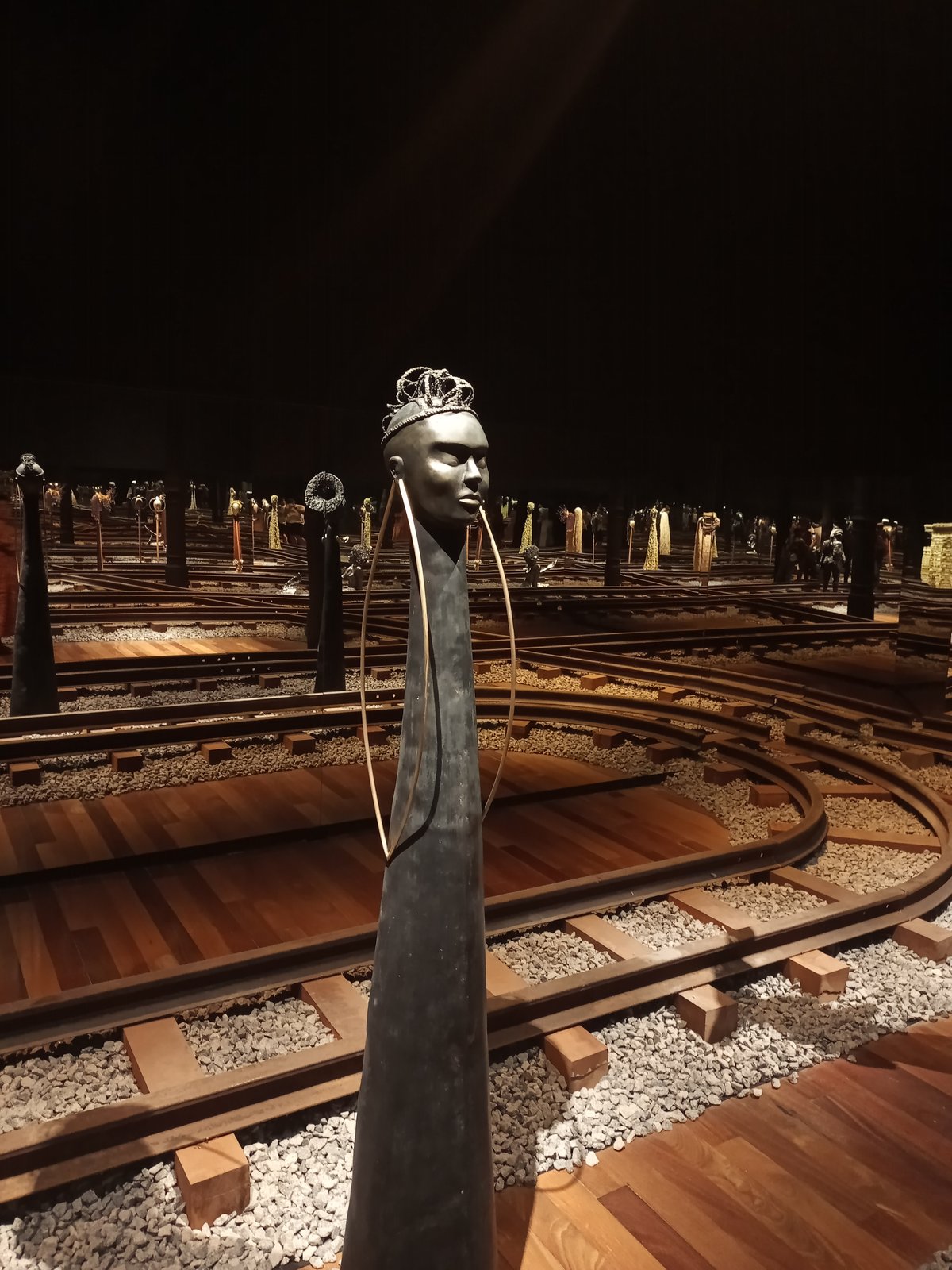
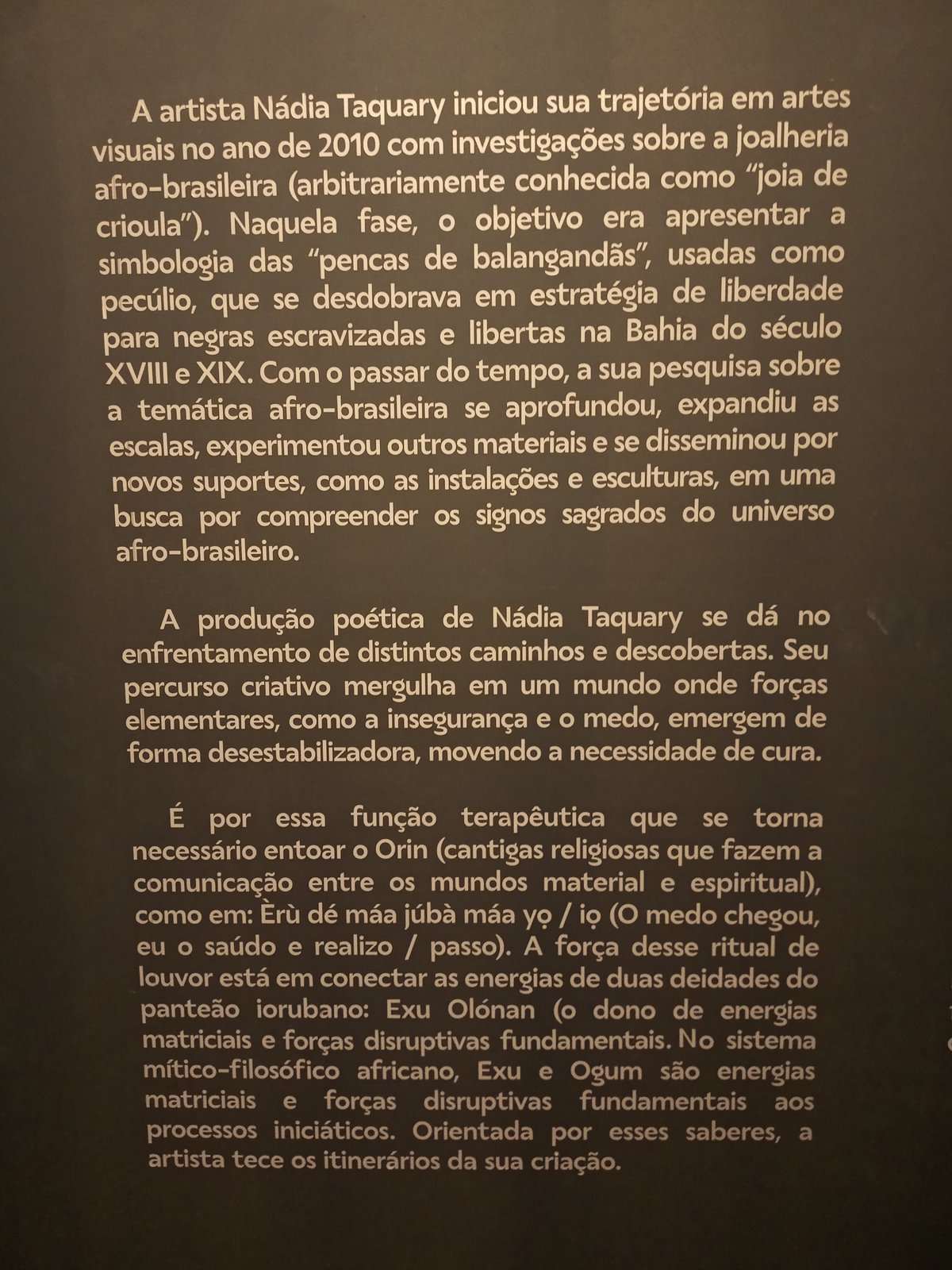
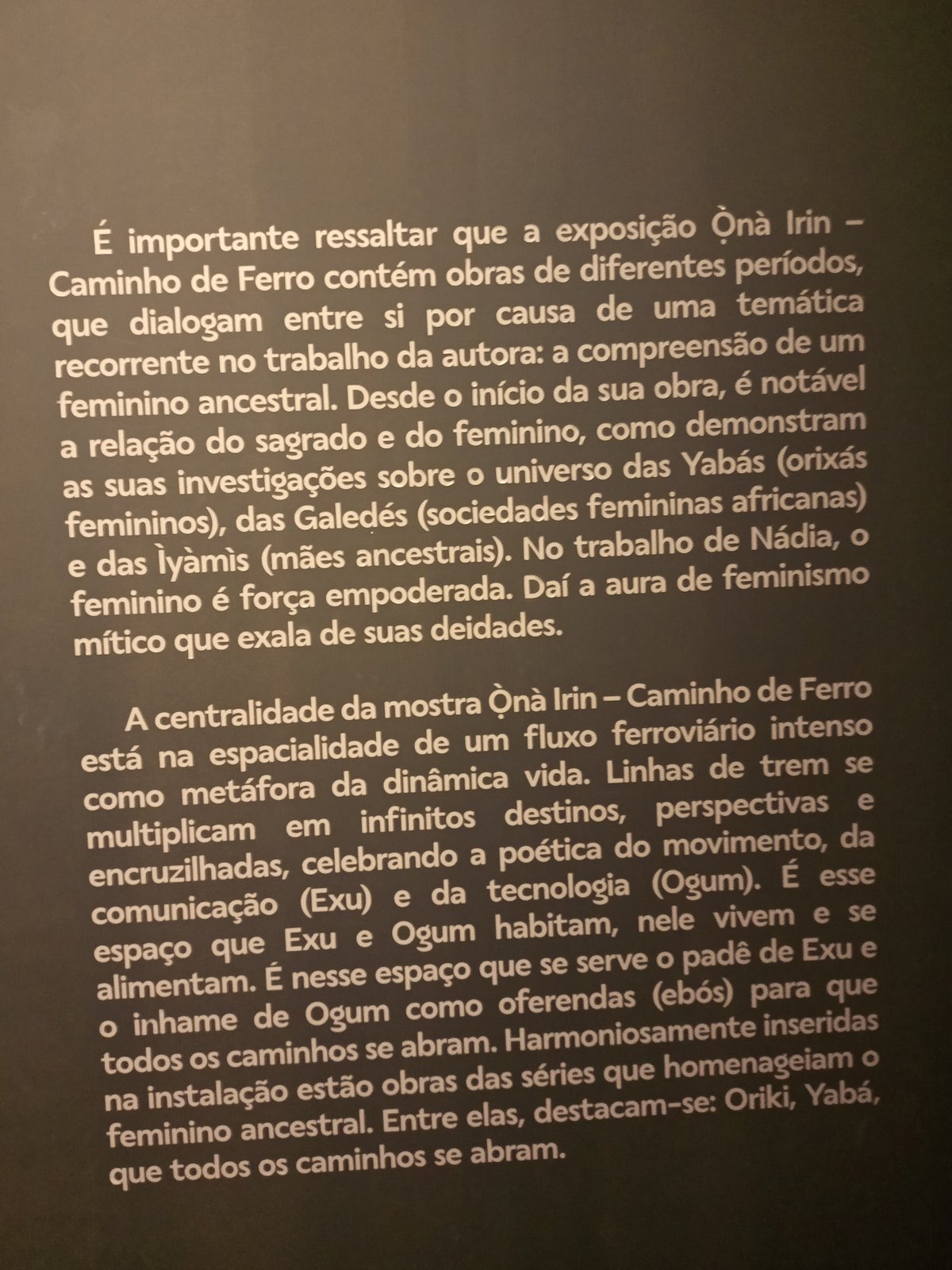
- Afro-Brazilian, Indigenous, and immigrant contributions to Rio’s culture
- Notable Past Exhibitions
- “Rio de Janeiro: A Transversal City” (combining historical artifacts with contemporary art)
- Thematic explorations of samba, modernist architecture, and social movements
Interpretive materials are offered primarily in Portuguese, with select signage and digital resources in English and Spanish (Time Out).
Educational Initiatives
Escola do Olhar
- Focus Visual literacy, critical thinking, and cultural awareness, especially for public school educators and students
- Programs
- Teacher training and professional development
- Workshops, seminars, and artist-led talks
- Community outreach projects
Family and Youth Engagement
- Interactive tours for all ages
- Hands-on workshops and creative activities for children and families
Accessibility and Inclusion
- Free admission on Tuesdays to encourage broader community participation
- Programs and materials tailored to diverse needs (Tess the Traveler)
Research and Community Partnerships
- MAR produces publications, catalogs, and multimedia content for public access
- Collaborations with schools, universities, and cultural organizations support exhibitions and education initiatives (Pelago)
Facilities and Amenities
- Café Serves snacks, light meals, and Brazilian specialties with options for various diets; features indoor and outdoor seating with city views
- Museum Shop Offers art books, exhibition catalogues, crafts, and souvenirs supporting local artists
- Restrooms Clean facilities and baby-changing stations available on each floor
- Wi-Fi Free throughout the museum for accessing digital guides and information (Museu de Arte do Rio)
- Lockers Provided for large bags and personal items
Safety and Visitor Tips
- Security staff and CCTV ensure a safe environment for visitors and artworks
- Bags may be inspected; lockers available for storage
- Standard urban precautions apply in the Praça Mauá area
- Plan your visit by checking the museum’s website or social media for updates on exhibitions, events, and health guidelines
Nearby Attractions
- Museum of Tomorrow (Museu do Amanhã) Science and sustainability museum adjacent to MAR
- Rio Maritime Museum Explores Brazil’s nautical history
- Royal Portuguese Reading Room Stunning 19th-century library with neo-Manueline architecture
- Museum of Modern Art (MAM) Contemporary art collections and gardens in Flamengo Park
- National History Museum Interactive exhibits on Brazil’s past
- Copacabana Fort Military history with ocean views
The revitalized Port Zone also features street art, public events, and a lively urban atmosphere.
Frequently Asked Questions (FAQ)
Q: What are the museum’s hours?
A: Tuesday to Sunday, 10:00 AM – 6:00 PM. Closed Mondays and select holidays.
Q: How much are tickets?
A: R$20 general admission; free on Tuesdays, for children under 5, and for seniors over 60.
Q: Is MAR accessible?
A: Yes, with ramps, elevators, accessible restrooms, and programs for visitors with disabilities.
Q: Are guided tours available?
A: Yes, in Portuguese and English; book in advance for group tours.
Q: What are the best photo spots?
A: The rooftop terrace and wave-shaped roof offer panoramic city and bay views.
Q: Are there family-friendly amenities?
A: Yes, including baby-changing facilities, workshops, and interactive exhibits.
Q: Can I buy tickets online?
A: Yes, advance booking is recommended for faster entry.