From Colonial Roots to National Symbol
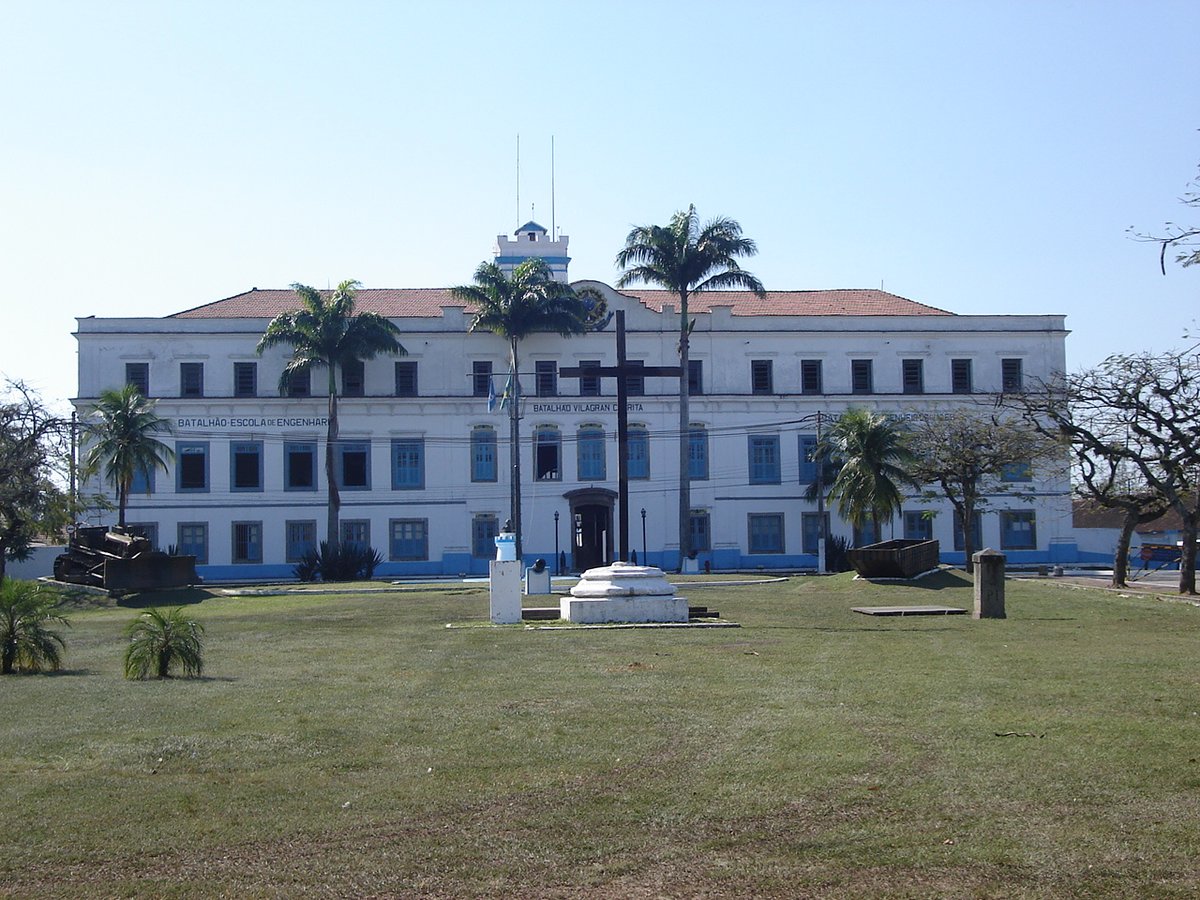
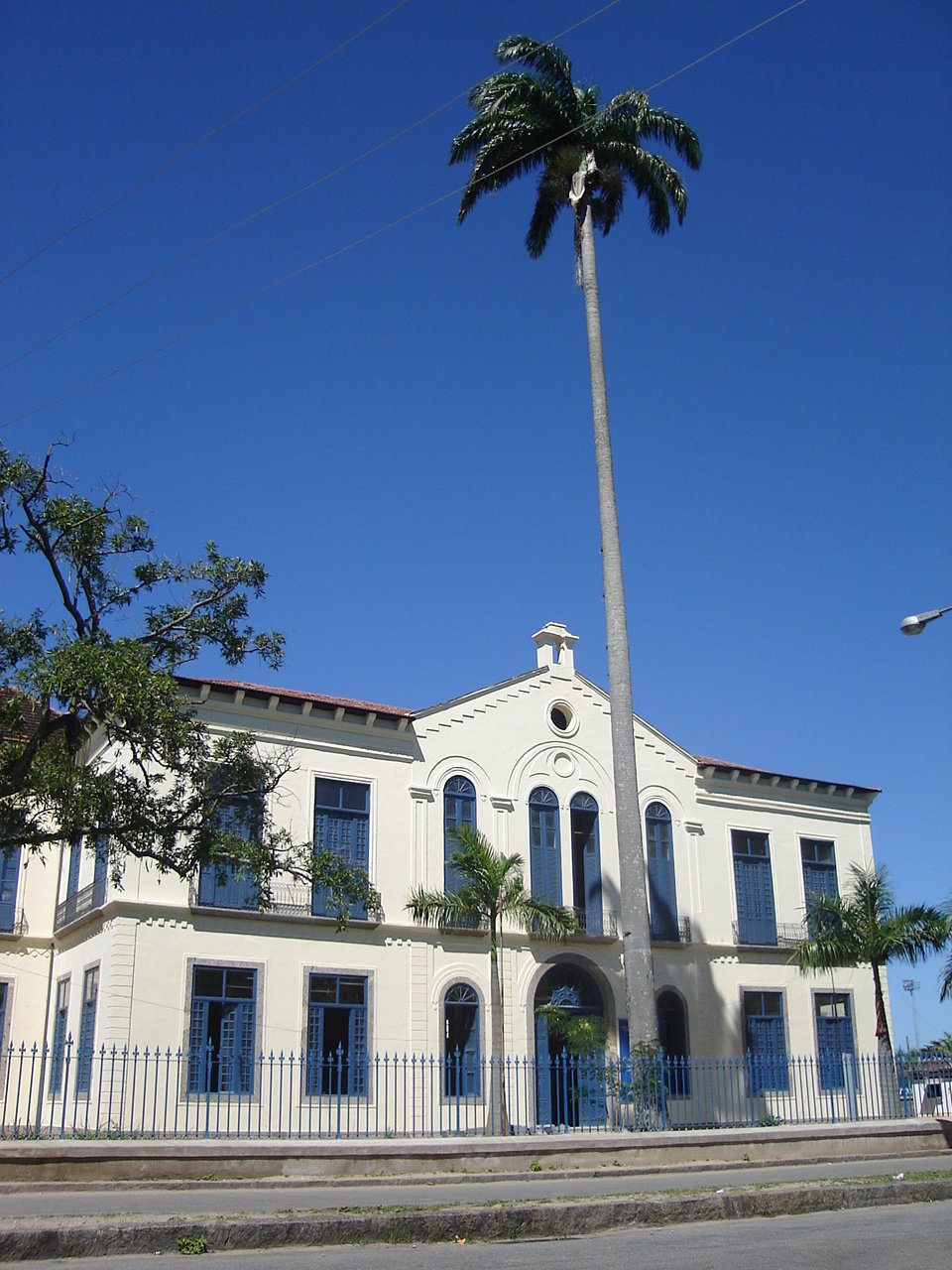
The Batalhão Villagran Cabrita in Santa Cruz, Rio de Janeiro, is a living testament to Brazil’s layered past. The land originated as a Jesuit agricultural estate, known as Fazenda de Santa Cruz, which was granted in 1556 and expanded through the 17th and 18th centuries. The Jesuits left enduring cultural marks, such as the Ponte dos Jesuítas, a bridge built to manage the Rio Guandu’s waters (Cultura em Movimento). After the Jesuits’ expulsion in 1759, the estate became the summer residence of the Portuguese royal family, embedding itself deeply in Brazil’s cultural memory.
With the republic’s establishment, the estate’s main house was repurposed to host military troops. In 1855, the Batalhão Villagran Cabrita was officially established, taking its name from a hero of the Paraguayan War. The battalion’s headquarters—housed in the former royal palace—reflects Brazil’s transformation from colony to empire to republic and stands as a monument to national identity (O Rio de Janeiro, Defesa em Foco).
Who Was João Carlos de Villagran Cabrita?
João Carlos de Villagran Cabrita (1825–1866) was a pioneering military engineer born in the Province of Cisplatina (now Uruguay). He distinguished himself during the Paraguayan War by leading the 1st Engineering Battalion in the critical Battle of Ilha da Redenção. Cabrita’s courage and tactical brilliance were instrumental in the Allied victory, but he was mortally wounded while drafting a victory report. His sacrifice led to his posthumous designation as Patron of the Brazilian Army’s Engineering Arm (AHIMTB).
Site Evolution: From Jesuit Estate to Military Landmark
- Jesuit Beginnings The Jesuits developed the land into a thriving estate, constructing chapels, schools, and the still-standing Ponte dos Jesuítas (Cultura em Movimento).
- Royal and Imperial Era Converted to royal property after the Jesuits’ expulsion, serving as the Portuguese royal family’s summer residence.
- Military Use The estate housed troops following the republic’s establishment. In 1855, it became the Batalhão Villagran Cabrita, cementing its role in Brazil’s military engineering tradition (Defesa em Foco).
Visitor Information: Hours, Tickets, and Accessibility
Location
- Address Praça Ruão, 35, Santa Cruz, Rio de Janeiro, RJ, 23570-200, Brazil (Bendito Guia)
Visiting Hours
- Tuesday to Sunday 9:00 AM – 5:00 PM
- Closed Mondays and public holidays
- Note Always check ahead for schedule changes, special events, or temporary closures.
Tickets and Admission
- Admission Free
- Guided Tours Available for a nominal fee; book in advance via the official website or at the visitor center.
Accessibility
- The site offers ramps and adapted facilities for visitors with reduced mobility. For special assistance, contact the administration before arrival.
Security
- Bring government-issued identification.
- Follow all posted rules and staff instructions, especially regarding photography—some areas may have restrictions due to security.
Site Features and Memorials
- Historic Headquarters The main building, a former royal palace, houses military exhibits, artifacts from the Paraguayan War, and displays honoring Villagran Cabrita (O Rio de Janeiro).
- Outdoor Memorials Plaques, busts, and statues commemorating Brazil’s military engineering achievements.
- Jesuit-Era Structures The Ponte dos Jesuítas and remnants of the old estate provide a direct link to the site’s colonial origins.
Educational and Ceremonial Functions
- Tours and School Visits Educational programs are integrated into school curricula, fostering national identity and historical awareness (Defesa em Foco).
- Commemorative Events Annual anniversary celebrations, April 10th remembrance (Villagran Cabrita’s death), and military parades are open to the public.
- Community Engagement The battalion hosts lectures, workshops, and performances, reinforcing its role as a cultural and educational institution.
Nearby Attractions in Rio de Janeiro
Enhance your visit by exploring these nearby historical and cultural sites:
- Santa Cruz Imperial Palace A former royal residence, now a cultural center.
- Ponte dos Jesuítas A colonial-era bridge built by the Jesuits.
- National Historical Museum Extensive military and historical exhibits.
- Royal Portuguese Reading Room Celebrated for its stunning architecture.
- São Bento Monastery One of Brazil’s oldest religious sites.
Practical Travel Tips
- Transportation Santa Cruz is accessible via public transit and car; parking is available on site. Ride-hailing apps are also convenient.
- Safety The area is generally safe during the day. Remain vigilant, avoid displaying valuables, and use registered taxis or ride-sharing services (Faszination Lateinamerika).
- Language Portuguese is the official language; translation apps or local guides are helpful.
- Weather Dress comfortably, wear sunscreen, and stay hydrated due to Rio’s tropical climate.
Frequently Asked Questions (FAQ)
Q: What are the visiting hours?
A: Tuesday to Sunday, 9:00 AM to 5:00 PM. Closed Mondays and public holidays.
Q: Is there an admission fee?
A: Admission is free. Guided tours incur a small fee.
Q: How do I book a guided tour?
A: Reserve in advance via the official website or at the visitor center.
Q: Is the site accessible for people with disabilities?
A: Yes, facilities are adapted. Contact administration for special needs.
Q: Can I take photographs?
A: Yes, in most areas. Some restrictions may apply—always follow staff guidance.
Discover More
The Batalhão Villagran Cabrita is a remarkable destination that encapsulates Brazil’s journey from colonial times through monarchy to republic. Combining historical depth, architectural beauty, educational value, and community engagement, it is a must-visit for anyone seeking to understand Brazil’s cultural and military heritage.
Plan your visit today to experience the legacy of Lieutenant Colonel Villagran Cabrita and the enduring achievements of Brazil’s engineering corps. For up-to-date information on visiting hours, events, and exclusive content, download the Audiala mobile app and follow official channels.