
Historical Background
Foundation and Construction
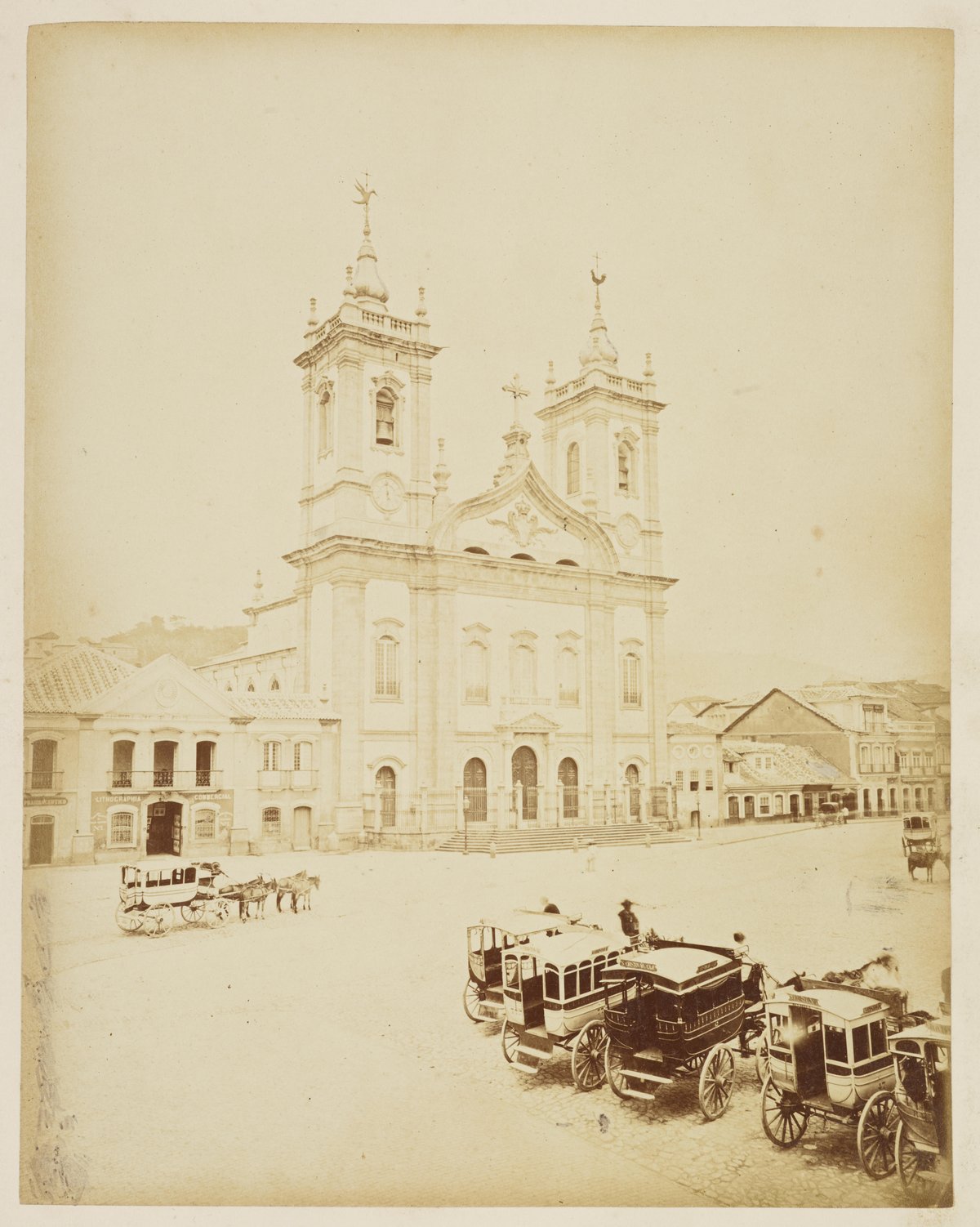
The Church of Saint Francis of Paola was established in 1759, following the founding of the Third Order of Minims of Saint Francis of Paola in 1756. The church’s construction stretched over many decades, with its structure completed in 1801 and its ornate interiors finished by 1865. The inauguration was attended by Emperor Dom Pedro II, highlighting the church’s importance in Rio’s social and religious fabric (Cronicas Macaenses).
Community Role
Throughout its history, the church has served as a refuge during epidemics and political upheavals, hosted significant religious and civic events, and fostered charitable activities through the Third Order. Its annual feast day on April 2 remains a major event for local Catholics.
Architectural Features
Exterior
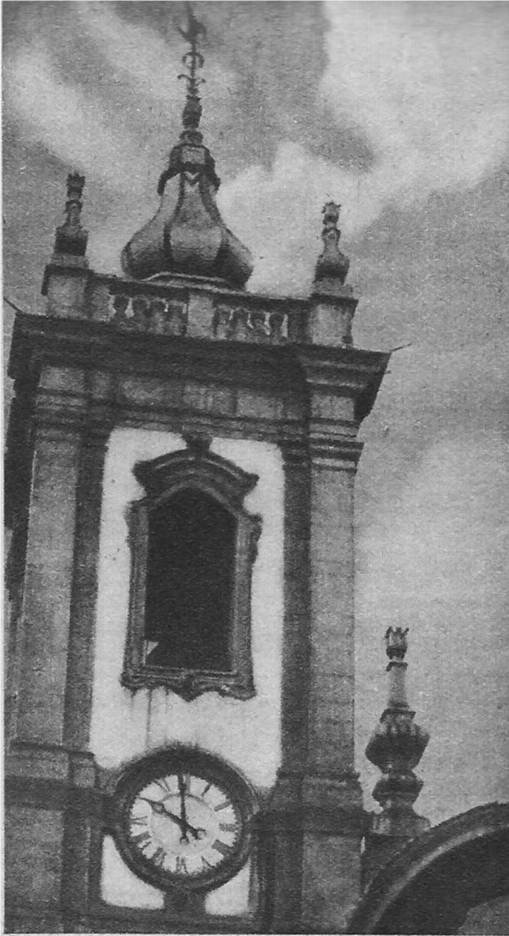
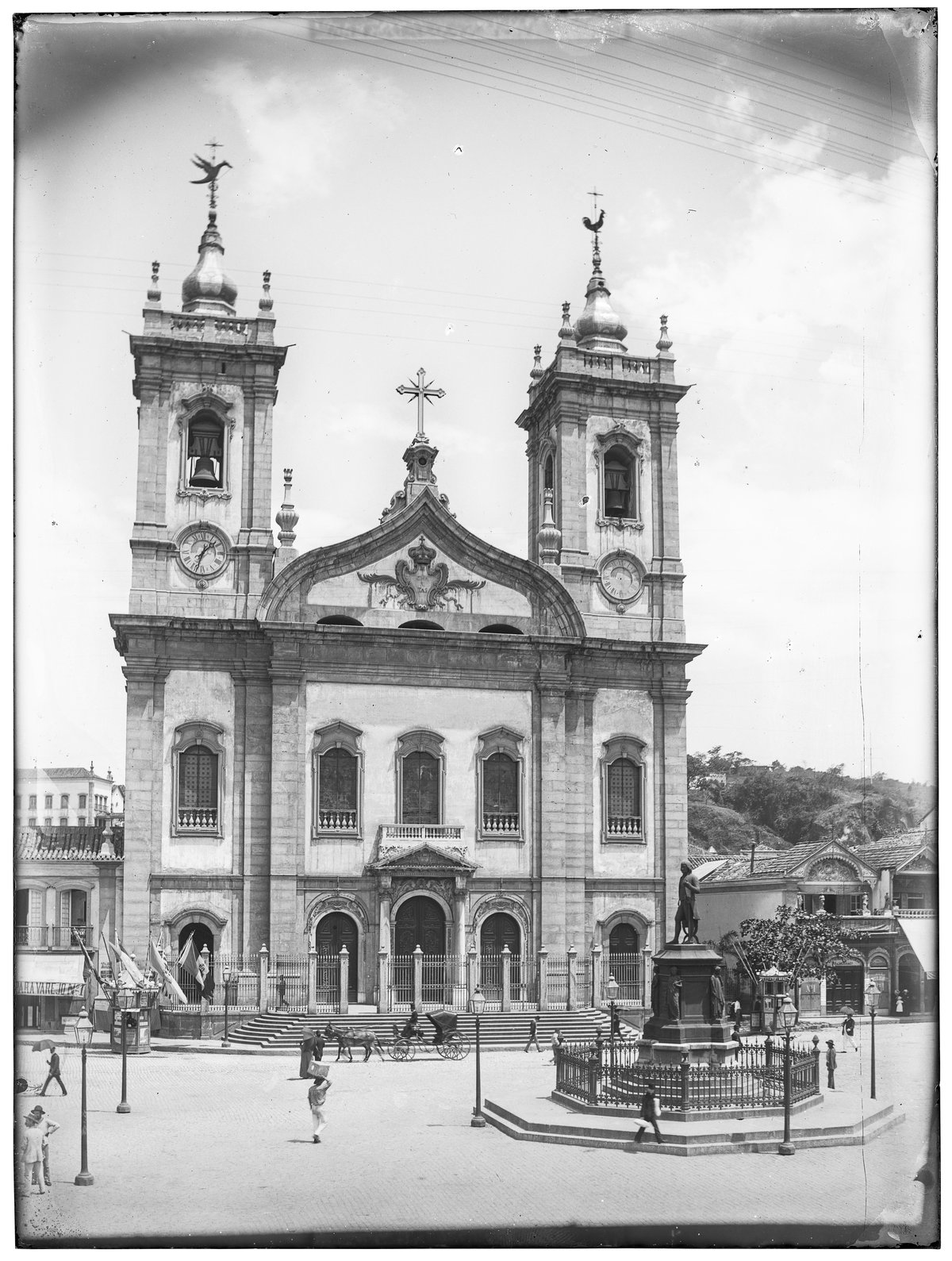
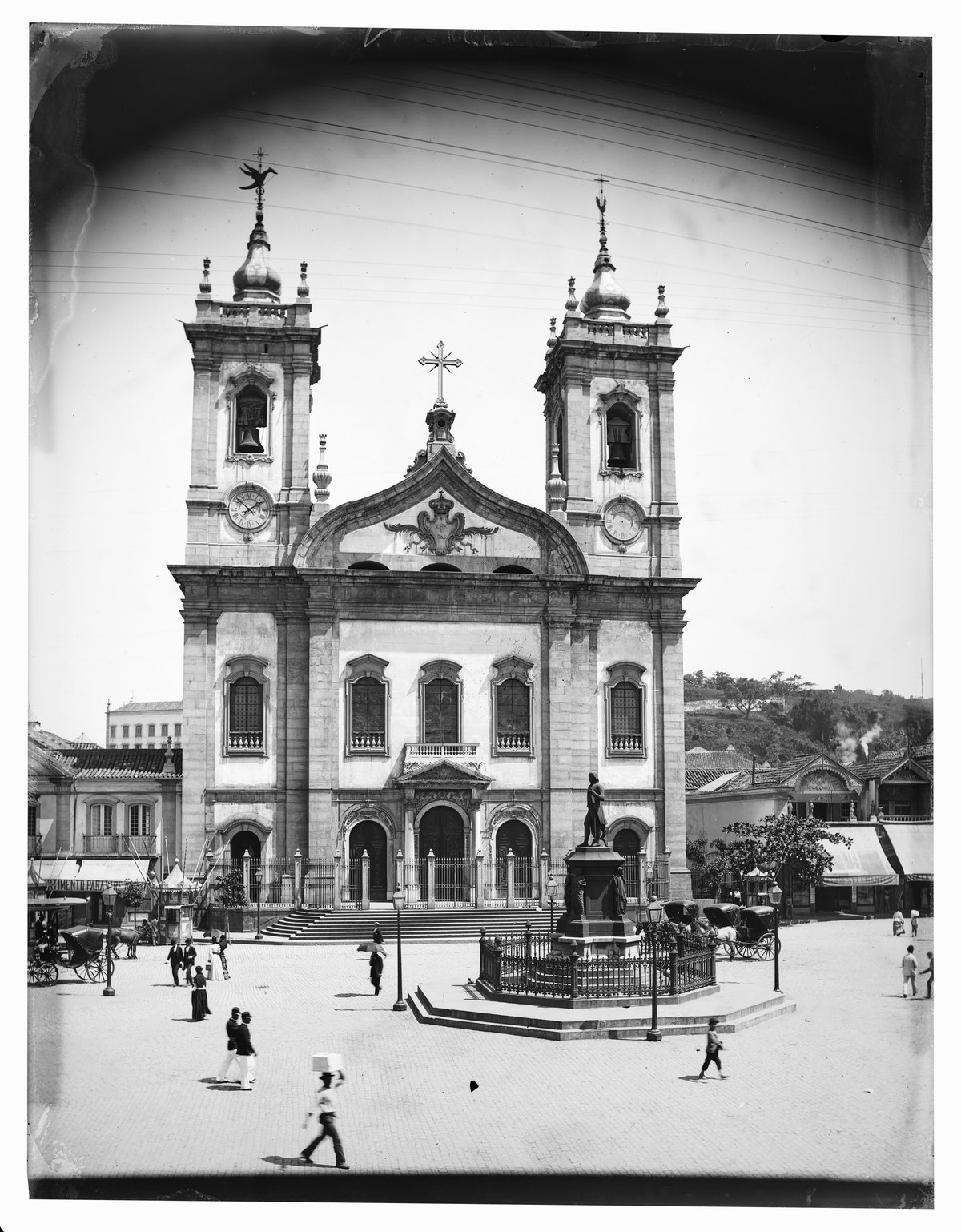
The imposing neoclassical façade, constructed from durable gneiss stone, makes the Church of Saint Francis of Paola the second largest church in Rio after Candelária. Its harmonious symmetry, large pediment, and absence of towers distinguish it from other colonial-era churches (ScienceDirect).
Interior and Artworks
The church’s nave is spacious and supported by ten Corinthian columns, creating a majestic atmosphere. Highlights include:
- Gilded woodwork Crafted by Mestre Valentim, the woodwork and main altar exemplify neo-baroque and neoclassical artistry.
- Artistic contributions Works by Antônio de Pádua e Castro (wooden doors, choir), Manuel da Cunha (panel paintings), and Francisco Manuel Chaves Pinheiro (apostle sculptures) adorn the interiors (Diário do Rio).
- Silver candelabra Two monumental silver lamps, weighing 227 kg each, were designed by Mestre Valentim, demonstrating the church’s artistic ambition.
- Painted ceilings 18th-century ceiling frescoes vividly depict the life of Saint Francis of Assisi.
The sacristy houses a notable rococo chest and a Crucified Christ sculpture, reflecting the church’s artistic richness (Riotur).
Visiting Information
Hours and Admission
- Opening Hours Monday to Friday, 9:00 am to 1:00 pm (Projeto Templos Históricos)
- Admission Free. Donations are welcome to support preservation.
Arriving early is recommended, as the church closes in the early afternoon.
Accessibility
- Physical Access The church has steps at the entrance and limited ramps, making full accessibility challenging for wheelchair users. Assistance is possible but may be limited.
- Location Largo de São Francisco de Paula, s/n, Centro, Rio de Janeiro, RJ, Brazil.
Getting There
- By Metro The nearest station is Carioca (approximately 300m away). Exit at "Acesso C - Convento de Santo Antônio," proceed to Rua da Carioca, and then Rua Ramalho Ortigão.
- By Bus/Taxi Request drop-off at Largo de São Francisco de Paula.
- Parking Limited street parking is available. Public transport is strongly recommended due to the busy downtown area (Mapcarta Location Map).
Events and Photography
- Events The church occasionally hosts religious ceremonies and special events, but there is no regularly published schedule. Check notice boards or inquire locally.
- Photography Non-flash photography is permitted. Please be discreet, especially during services, and avoid using tripods.
Nearby Attractions
The central location makes the church an ideal base for exploring other landmarks:
- Royal Portuguese Cabinet of Reading A short walk away, this 19th-century library is a gem for book and architecture lovers.
- Teatro João Caetano One of Rio’s oldest theaters, nearby on Praça Tiradentes.
- Praça Tiradentes A vibrant historic square.
- Other Churches The Church of Our Lady of the Candelária and the São Bento Monastery are within walking distance.
Frequently Asked Questions (FAQ)
Q: What are the visiting hours?
A: Monday to Friday, 9:00 am to 1:00 pm.
Q: Is there an entrance fee?
A: Entry is free; donations are appreciated.
Q: Are guided tours available?
A: The church does not offer official tours, but local walking tours may include it.
Q: Is the church wheelchair accessible?
A: Accessibility is limited due to steps at the entrance.
Q: Can I take photographs inside?
A: Yes, but without flash and with respect for services.
Q: What is the dress code?
A: Modest attire covering shoulders and knees is expected.
Practical Visitor Tips
- Language Most signs are in Portuguese; translation apps are helpful.
- Safety The Centro district is busy during the day but quieter after hours; exercise normal precautions.
- Best Time to Visit Early mornings are quieter, ideal for photos and exploration.
- Dress Appropriately Modest clothing ensures respectful entry.
Summary & Recommendations
The Church of Saint Francis of Paola is a vital cultural and spiritual beacon in Rio de Janeiro. Its blend of Baroque exuberance and neoclassical refinement, combined with contributions from leading Brazilian artists, make it unmissable for heritage travelers. With free admission, central location, and proximity to other city landmarks, the church is accessible to all visitors. For a more rewarding experience, plan your visit with attention to opening hours and accessibility and explore the surrounding historic district.