Rio de Janeiro is known for its scenery, culture, and historical roots. Ana Carolina is a celebrated Brazilian singer-songwriter, associated with Brazilian pop rock and the city’s wider musical and artistic heritage.
As of June 2025, “Ana Carolina” is not the name of a major neighborhood or landmark in Rio. The name is closely linked with the singer-songwriter, rather than a physical location. The visitor information below also describes an Ana Carolina Cultural Center in Lapa and an Ana Carolina Monument. If you come across a location named “Ana Carolina,” verify it with your accommodation or trusted local sources.
History
Rio de Janeiro
Portuguese explorers arrived at Guanabara Bay on January 1, 1502, mistakenly identifying it as a river and naming it “Rio de Janeiro” (“River of January”). The city’s strategic location drew colonial powers, including a brief French occupation from 1555–1567, before Portuguese control was solidified. Rio became an important port for exporting gold and precious stones in the late 17th century, and was designated Brazil’s capital in 1763. (riodejaneiro.com)
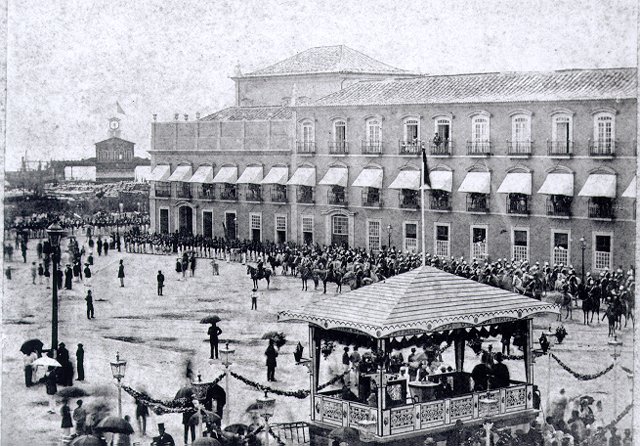
After Brazil’s independence in 1822, Rio remained the nation’s capital. In the 19th century, it flourished as a center for culture, politics, and the arts, nurturing theater, music, and literature. It retained capital status until Brasília’s inauguration in 1960, while hosting pivotal cultural and political events (travelguidetobrazil.com).
In the 20th century, Rio shifted from agriculture to industry, with infrastructure upgrades that included bridges, skyscrapers, and highways. Despite losing its capital status, it remained a leader in industry, services, and tourism. The 1992 Earth Summit, the 2014 FIFA World Cup Final, and the 2016 Olympic Games cemented its international reputation. In 2012, UNESCO recognized Rio as a World Heritage Site for its blend of urban culture and natural beauty (riodejaneiro.com).
Ana Carolina’s cultural significance
The Ana Carolina Cultural Center is described as having been founded to celebrate Ana Carolina’s impact on Música Popular Brasileira (MPB), samba, and pop. It also supports emerging artists and preserves local musical heritage. Ana Carolina’s concerts are described as part of Rio’s musical life, with performances at venues such as Qualistage in Barra da Tijuca.
What to See
Major historical sites
Christ the Redeemer (Cristo Redentor)
- Visiting hours Daily, 8:00 AM–7:00 PM
- Tickets R$60–R$90 (approximately USD 12–18); online purchase is available (official site)
- Access Via the Corcovado Rack Railway or authorized vans
Sugarloaf Mountain (Pão de Açúcar)
- Visiting hours Daily, 8:00 AM–9:00 PM
- Tickets Approximately R$135 (USD 27) for a round-trip cable car (official site)
Tijuca National Park
- Visiting hours 8:00 AM–5:00 PM
- Tickets Free entry; guided tours may incur fees
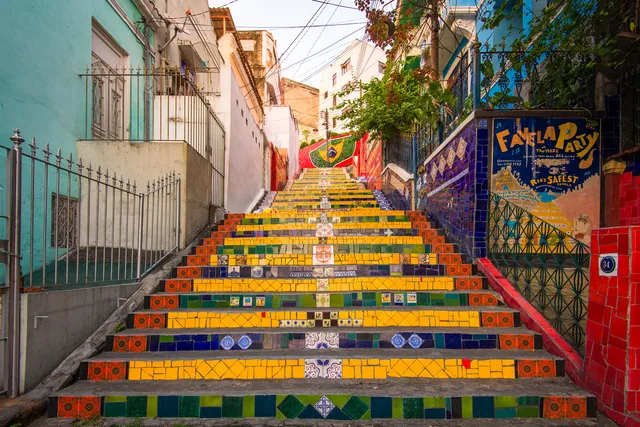
Selarón Steps (Escadaria Selarón)
Open 24/7; free to visit.
Museu do Amanhã (Museum of Tomorrow)
- Visiting hours Tuesday–Sunday, 10:00 AM–6:00 PM
- Tickets Approximately R$30 (USD 6); discounts for students and seniors (official site)
Ana Carolina Cultural Center
Located in Lapa, the center is described as a hub for music, art, and community events.
- Hours Tuesday–Sunday, 10:00 AM–8:00 PM; closed Mondays
- Tickets BRL 20, with discounts for students, seniors, and children
- Events Concerts, workshops, and exhibitions; see the official website for schedules
- Guided tours Available on weekends and public holidays; book in advance
The center’s described attractions include:
- Live performances Regular concerts featuring Ana Carolina’s music and other artists
- Exhibitions Memorabilia, photographs, and interactive displays about Ana Carolina and Rio’s music history
- Workshops Hands-on experiences with Brazilian rhythms, songwriting, and dance
- Café and gift shop Local delicacies and music-themed souvenirs
Ana Carolina Monument
The monument is described as a cultural landmark honoring Ana Carolina’s influence on Rio’s cultural life and Brazil’s heritage. Its artistic features and commemorative plaques tell her story, and its landscaped gardens provide a setting for reflection.
- Hours Daily, 9:00 AM–6:00 PM
- Tickets BRL 20; discounts for students, seniors, and children under 12
- Events Cultural programs and guided tours on holidays and weekends; check the official site for details
- Guided tours Offer historical context and access to special features; many include stops at nearby historical attractions
- Amenities Restrooms, a café, and a souvenir shop with local crafts
- Photos Personal photography is permitted; professional equipment requires permission. Sunrise or sunset is described as the best time for photos of the monument and Rio’s skyline.
- Website features An interactive map and a 360-degree virtual tour
Ana Carolina concerts and music venues
Ana Carolina’s concerts are often held at venues such as Qualistage in Barra da Tijuca.
- Tickets Purchase early through Ticketmaster Brazil or venue websites.
- Concert times Shows typically start between 8 PM and 10 PM; doors open an hour before.
- Prices Vary by seating and event; booking early is recommended for the best rates.
Qualistage – Barra da Tijuca
- About Modern concert hall with excellent acoustics and comfort
- Hours Event evenings only; box office hours vary
- Address Avenida Ayrton Senna, Barra da Tijuca
- Accessibility Fully accessible
- Nearby Shopping and restaurants
Theatro Municipal do Rio de Janeiro
- About Historic architecture and a center for classical and contemporary music
- Tours Tuesday–Sunday, 10 AM–5 PM
- Concert tickets are sold separately.
Circo Voador and Fundição Progresso – Lapa
These are described as legendary open-air venues with diverse music programming. Events take place in the evening; bars and restaurants open earlier. Nearby attractions include Arcos da Lapa, samba bars, and street art.
Music neighborhoods and memorabilia
- Santa Teresa A bohemian neighborhood with galleries, venues, and festivals. Ride the yellow tram and visit Largo dos Guimarães.
- Jardim Botânico and Parque Lage Botanical gardens and an art school; open daily.
- Botafogo Noted for inclusive LGBTIQ+ nightlife; Quartinho and Buteco Treme Treme are mentioned as places to visit.
- Ipanema Hippie Fair Held on Sundays at General Osório Square.
- Copacabana Sunday Market Offers local crafts and music memorabilia.
Practical Visiting Information
Getting to the Ana Carolina Cultural Center and Monument
The Cultural Center is in Lapa and is accessible by metro (Lapa Station) and bus. Its facilities are described as wheelchair friendly, with staff available to assist visitors with special needs.
For the monument, the visitor information lists:
- Metro The nearest station has clear signage to the site.
- Taxi or ride-share Use trusted apps such as Uber.
- On foot or by bike A scenic walk or bike ride is an option for visitors staying nearby.
Visiting and ticket details
For Cultural Center schedules and event information, consult the Ana Carolina Cultural Center Official Website. Concert tickets are available through Ticketmaster Brazil or venue sites. Monument tickets are available online or at the entrance.
Transportation and language
Metro, buses, taxis, and ride-shares serve most attractions. Walking is enjoyable in Santa Teresa and Lapa; stay aware of your surroundings (nextstopbrazil.com).
Portuguese is the official language, and English is less common outside tourist zones. Basic Portuguese or translation apps can be helpful. Portuguese is also the primary language at music events, though music is universal.
Tips
- Best time to visit Rio April–June and September–November offer mild weather, fewer crowds, and better prices. Carnival season, in February or March, is lively but crowded and expensive (travellersworldwide.com).
- Safety Exercise caution in tourist areas, keep valuables secure, and use registered taxis or ride-sharing apps. Barra da Tijuca is described as notably safer, while Copacabana and Ipanema call for added vigilance (carolinerosetravel.com).
- Evening events Stick to busy, well-lit areas.
- Cultural Center visits Buy tickets early, especially for concerts and events. Arrive early to enjoy the exhibitions and café. Parking in Lapa is limited, so public transport is recommended. Photography may be restricted during performances.
- Monument visits Carry only essentials, visit during daylight hours, and use official transportation. English-language tours are available by advance request.
- Concerts Plan routes in advance. Major venues accommodate visitors with disabilities, and most major venues are described as accessible.
- Health Stay hydrated, use sunscreen, avoid drinking tap water, and consider travel insurance.
- Food and nightlife Sample feijoada, pão de queijo, and seafood. Samba clubs and street parties are found especially in Lapa and Santa Teresa.
- Center FAQ details The center is described as family-friendly, with workshops and activities for all ages. Ana Carolina’s music and merchandise are available in the gift shop. English-guided tours are available with prior notice. The center is open on most public holidays; check its website for details.
Nearby Places
- Near the Ana Carolina Cultural Center Arcos da Lapa, the iconic aqueduct; Sambadrome Marquês de Sapucaí, the epicenter of Carnival; and Museu da Música Brasileira, dedicated to Brazil’s musical culture.
- Near the monument The Rio Botanical Garden and Museum of Modern Art can be added to an itinerary.
- Neighborhoods Copacabana and Ipanema are known for iconic beaches and nightlife; Leblon is upscale, with luxury accommodation; Barra da Tijuca is modern and farther from the center; Santa Teresa has colonial architecture and a bohemian atmosphere; and Lapa is a nightlife hotspot with historic arches and samba clubs.
- Near Qualistage Shopping and restaurants.
- Near Circo Voador and Fundição Progresso Arcos da Lapa, samba bars, and street art.
Frequently Asked Questions (FAQ)
Q: What are Christ the Redeemer’s visiting hours?
A: Daily, 8:00 AM–7:00 PM.
Q: How do I buy tickets for Sugarloaf Mountain?
A: Online or at the cable car station.
Q: Is Rio safe for tourists?
A: Yes, but vigilance is essential. Use official transport, secure valuables, and seek local advice.
Q: Are guided tours available in Tijuca National Park?
A: Yes, with varying fees.
Q: When is the best time to visit Rio to avoid crowds?
A: April–June and September–November.
Q: Is the Ana Carolina Cultural Center family-friendly?
A: Yes. It offers workshops and activities for all ages.
Q: Is Ana Carolina’s music and merchandise available at the center?
A: Yes, at the gift shop.
Q: Are English-guided tours offered at the center?
A: Yes, with prior notice.
Q: Is the center open on holidays?
A: It is open on most public holidays; check the website for details.
Q: Where can I buy tickets for Ana Carolina’s concerts?
A: Online through Ticketmaster Brazil or on venue websites.
Q: Which venue is best for Ana Carolina’s shows?
A: Qualistage is described as offering quality, while Circo Voador and Fundição Progresso offer atmosphere.
Q: Are venues accessible for disabled visitors?
A: Most major venues are described as accessible.
Q: Can I combine concerts with sightseeing?
A: Yes. The venues are near cultural neighborhoods suited to pre- or post-show exploration.
Q: Are children welcome at the Ana Carolina Monument?
A: Yes, with discounted tickets and family facilities.
Q: Is the monument wheelchair accessible?
A: Yes, with ramps and accessible restrooms.
Q: Are English tours available at the monument?
A: Yes, by advance request.
Q: Can I take photos at the monument?
A: Yes, for personal use. Professional equipment requires permission.
Q: How do I buy tickets for the monument?
A: Online or at the entrance.